
Key Priorities for Sustainable Infrastructure in Central Asia Discussed
2026-04-23 14:50:00 / News


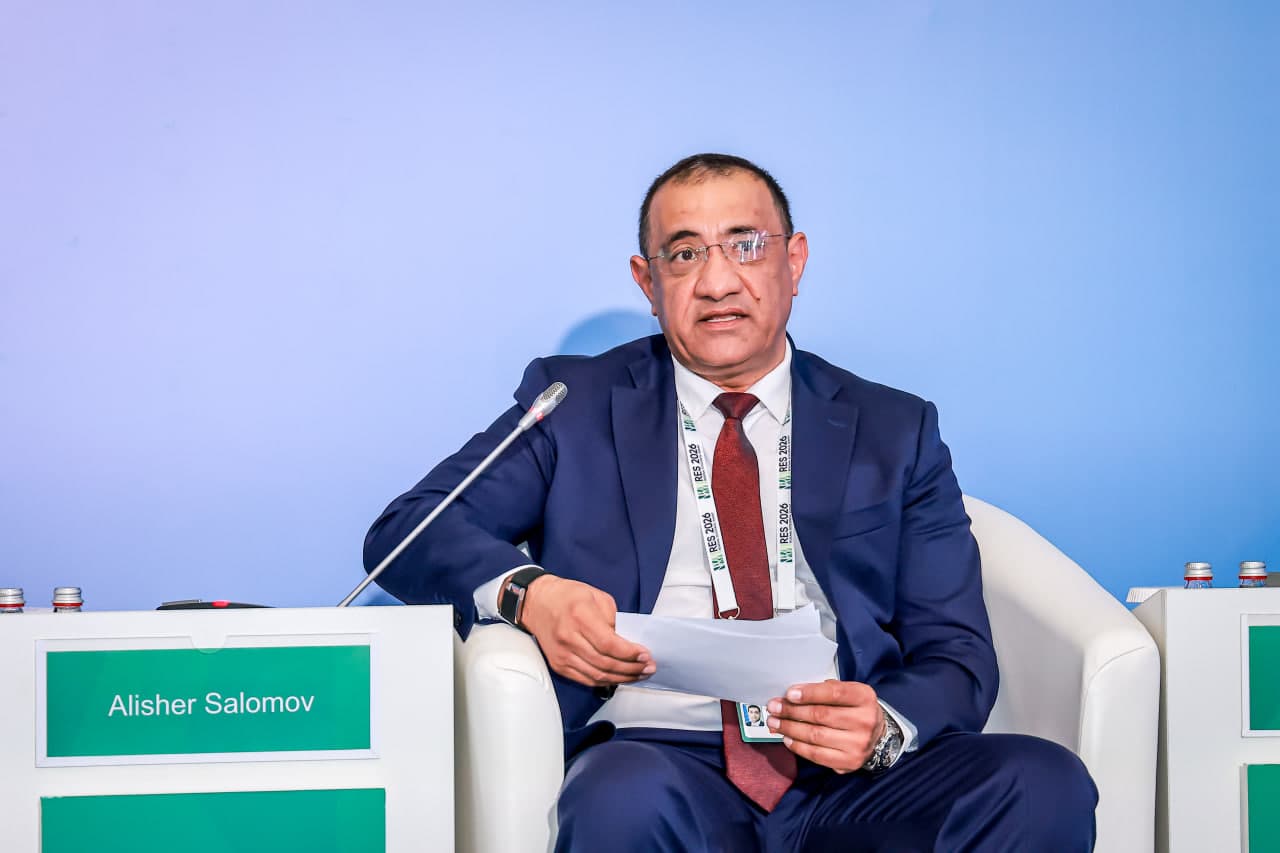
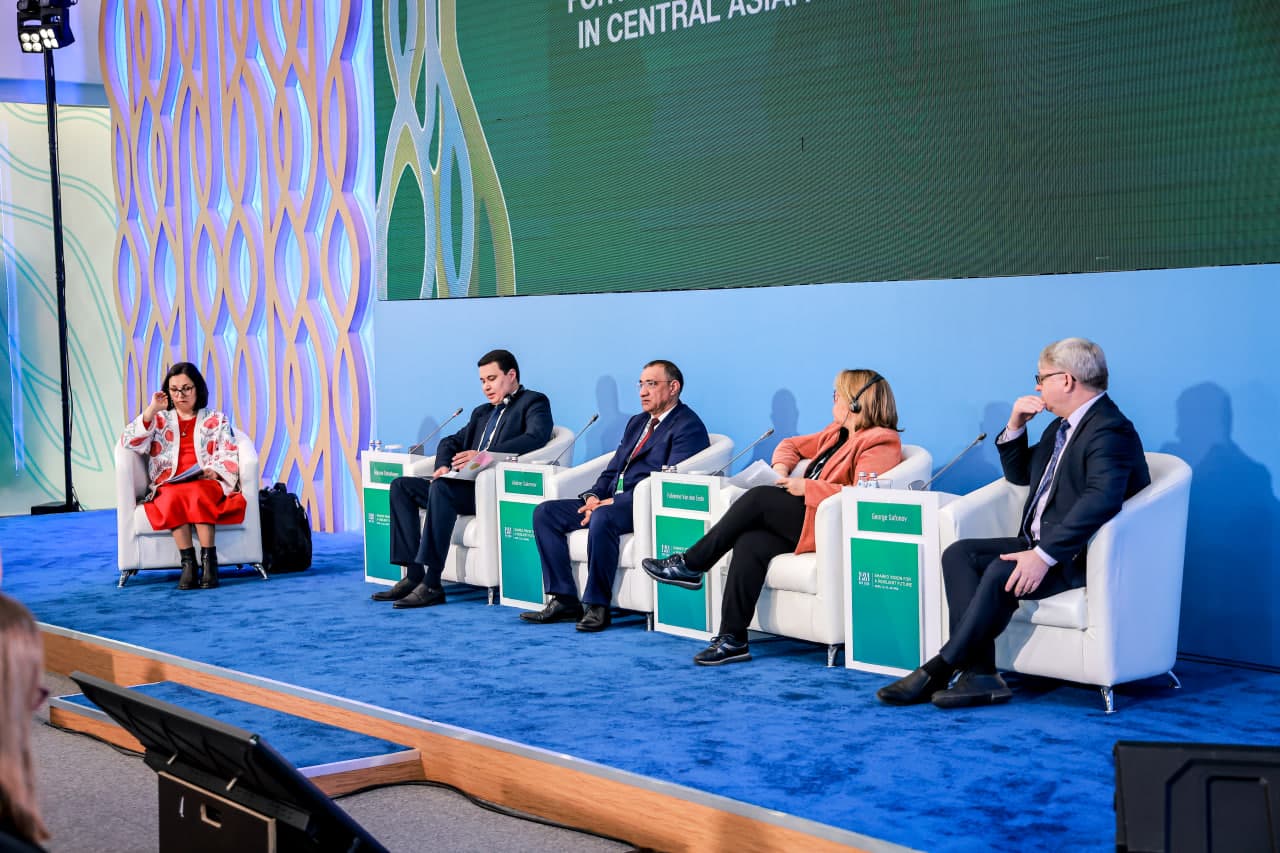

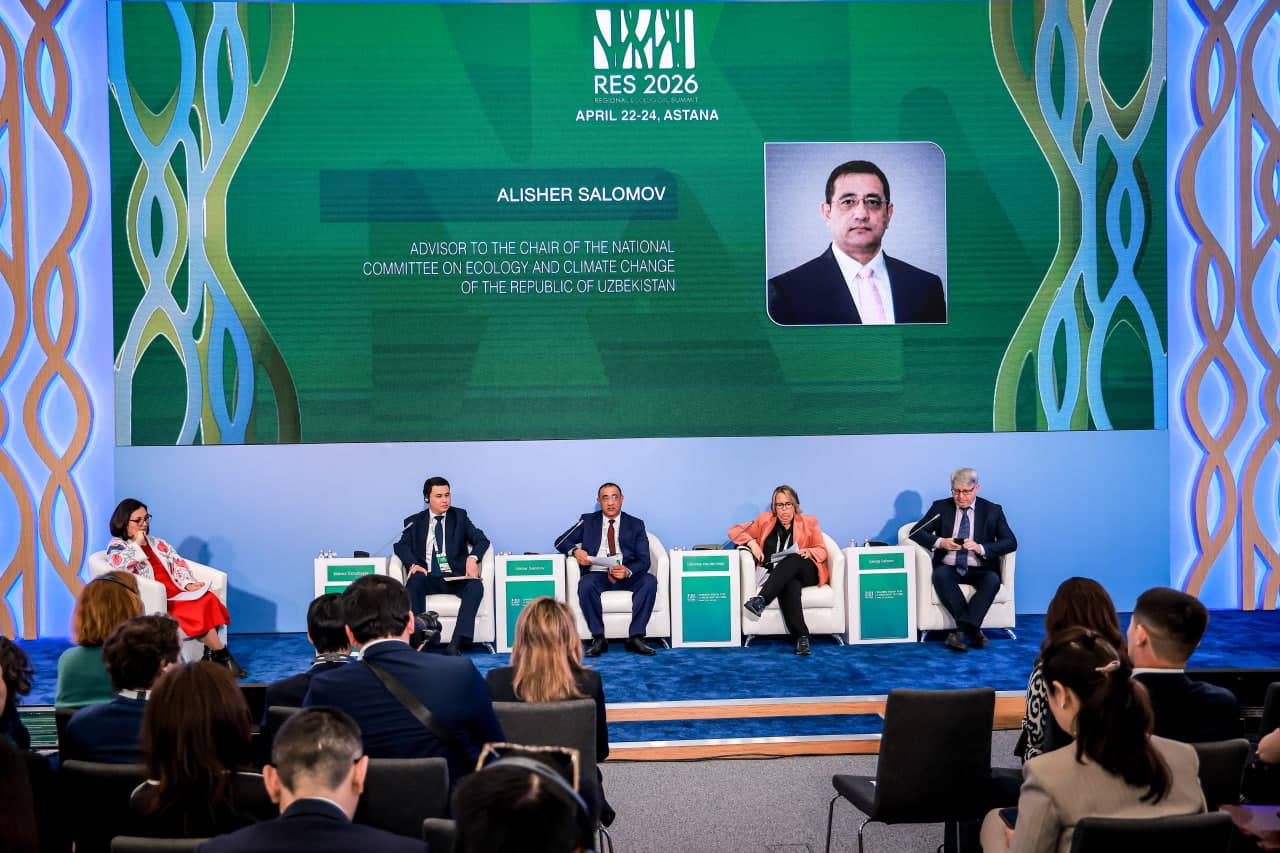

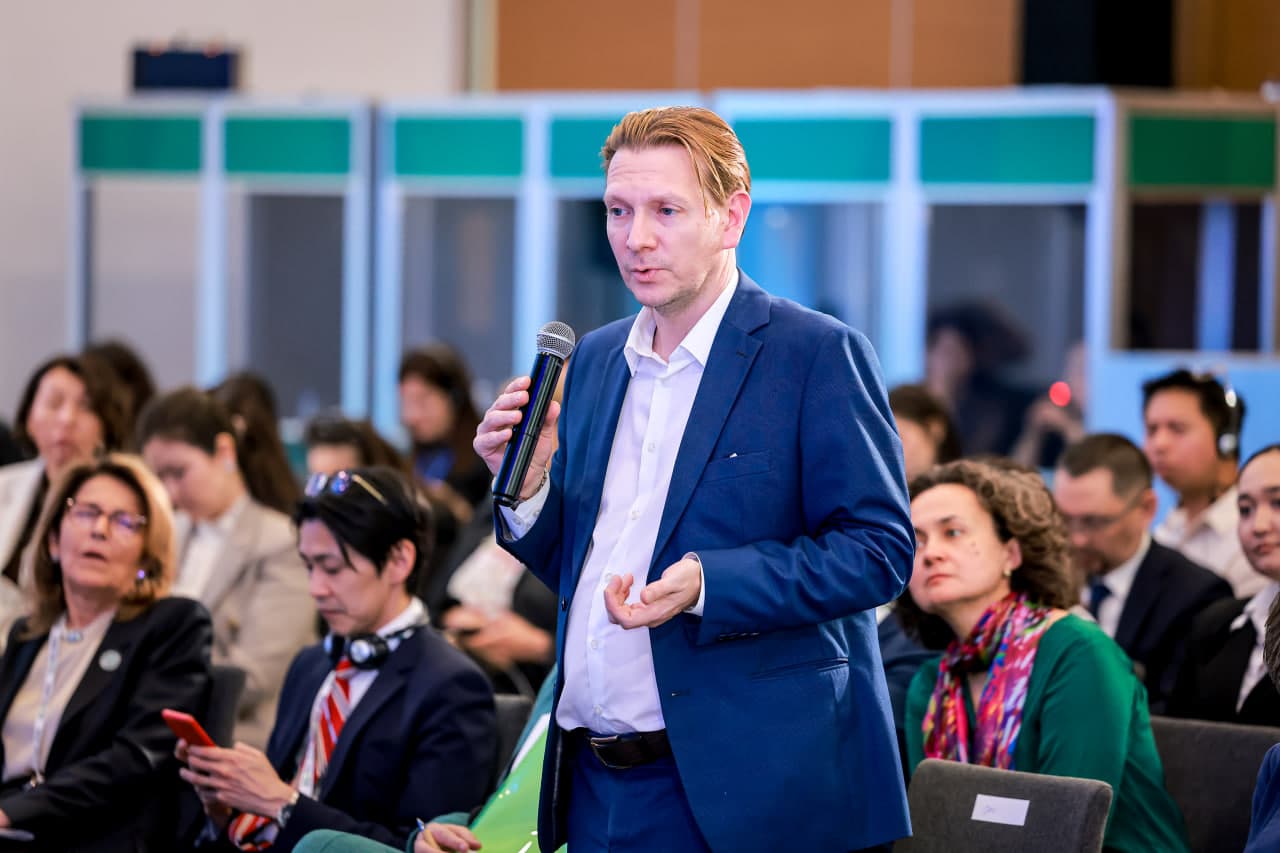
The OECD participated in the summit as a knowledge partner and presented the results of the Sustainable Infrastructure Program in Asia (SIPA). The discussion focused on public policy reforms, the improvement of financial mechanisms, and the advancement of regional cooperation to accelerate investment in green infrastructure.
Participants emphasized that Central Asia is already demonstrating significant progress in adapting infrastructure projects to environmental and sustainable development objectives. At the same time, challenges remain, including the mobilization of long-term financing, the modernization of regulatory frameworks, and the need to better align climate policies at the regional level. Particular attention was given to the evolution of climate change mitigation measures, including the decarbonization of the energy, transport, and industrial sectors.
On behalf of Uzbekistan, Advisor to the Chairman of the National Committee on Ecology and Climate Change, Alisher Salomov, delivered a speech. He emphasized that the green transition is viewed by the country not as a separate environmental agenda, but as an integral part of a broader transformation of the national development model. He noted that the current stage of global development can be described as a “major transition,” in which competition is driven not only by economic systems, but also by the speed, scale, and efficiency of implementing sustainable solutions.
In Uzbekistan, this transition has already been translated into practical outcomes. In a short period, access to waste management services has increased from 50% to more than 90% of the population. At the same time, a new institutional framework has been established, covering the entire waste management cycle—from generation to recycling and reintegration into the economy.
Significant attention is being given to investments in environmental infrastructure. The country is implementing a large-scale program that includes the construction of six modern waste-to-energy incineration plants, as well as the commissioning of five additional facilities. The total investment exceeds $1.5 billion.
By 2028, Uzbekistan plans to establish a system of eight integrated complexes capable of processing up to 4.7 million tons of waste annually and generating up to 2.1 billion kilowatt-hours of electricity. This initiative represents not merely sectoral modernization, but the formation of a new industry integrated into the national energy balance, providing a sustainable foundation for long-term economic growth.
In conclusion, participants agreed that further advancement of sustainable infrastructure in Central Asia requires coordinated and systemic action. Key priorities identified included strengthening regional cooperation, developing unified approaches to green financing, enhancing the investment attractiveness of environmental projects, and further integrating climate objectives into national development strategies.
It was particularly emphasized that the transition to a clean and sustainable economy is not possible without accelerating institutional reforms, introducing innovative technologies, and fostering long-term partnerships between governments, the private sector, and international organizations. According to OECD experts, such a comprehensive approach can ensure not only environmental sustainability for the region, but also the creation of new drivers of economic growth.