
Shavkat Mirziyoyev proposed Key Initiatives on Pressing Environmental challenges
2026-04-22 15:20:00 / News
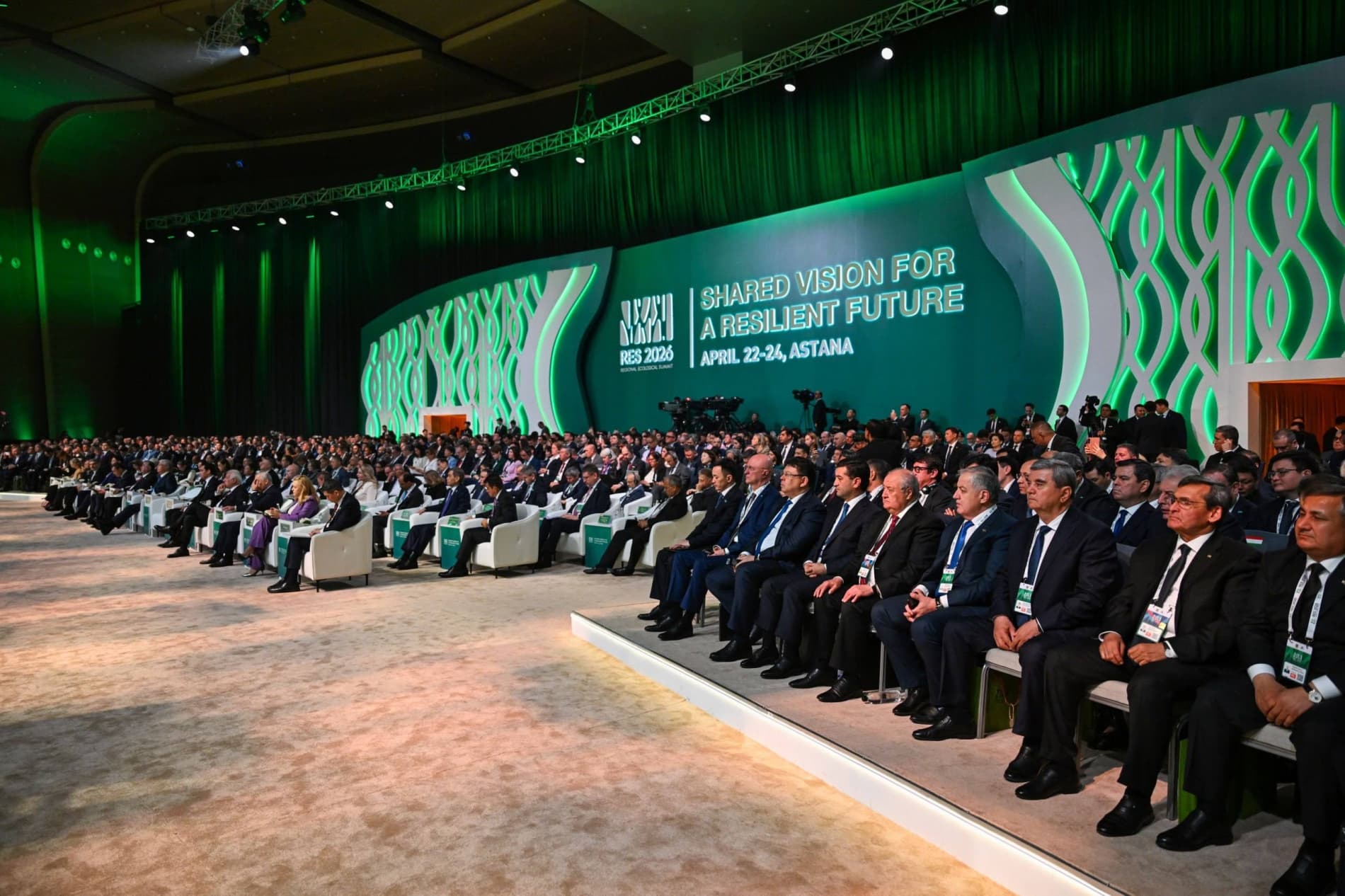
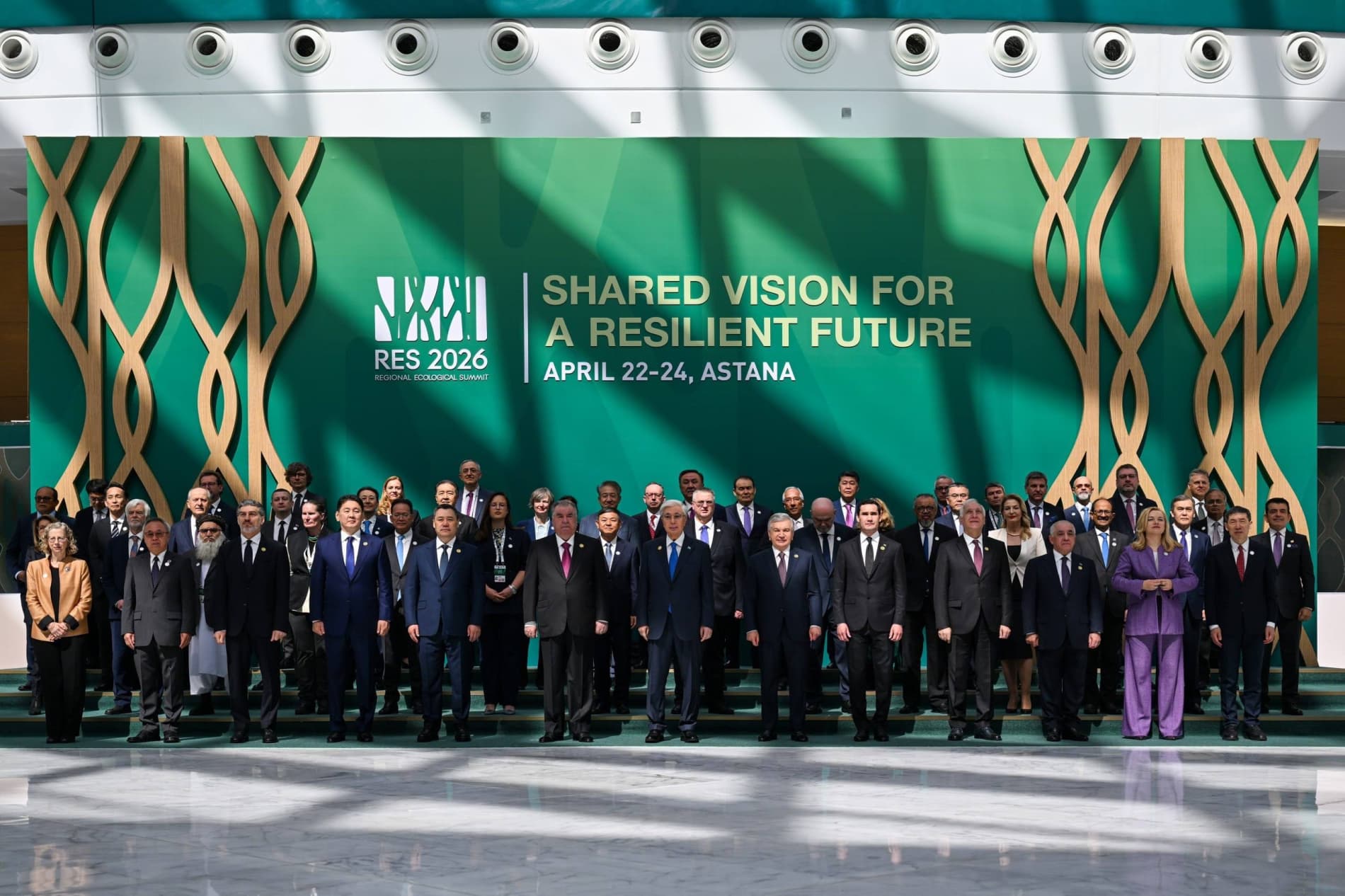
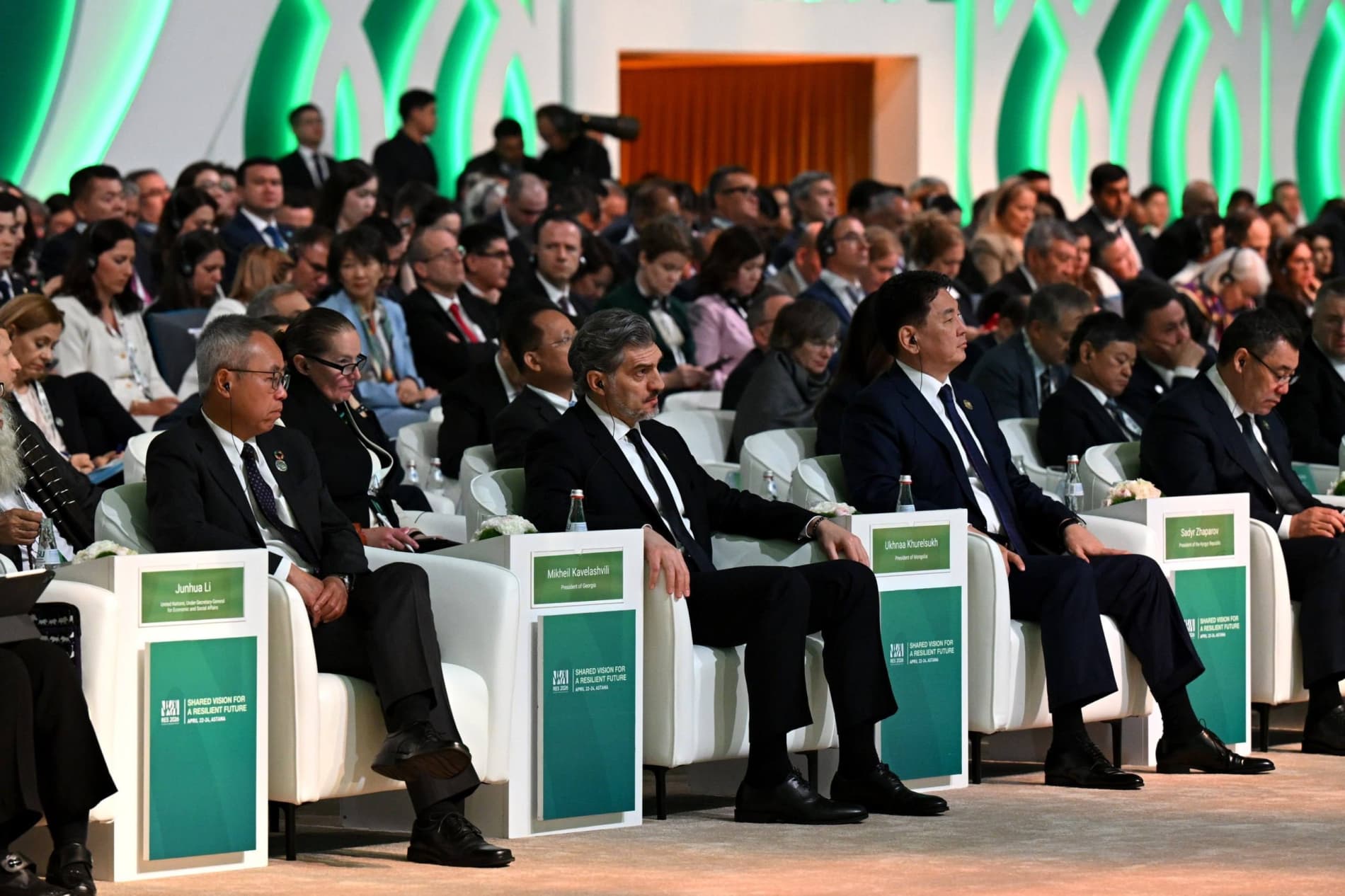
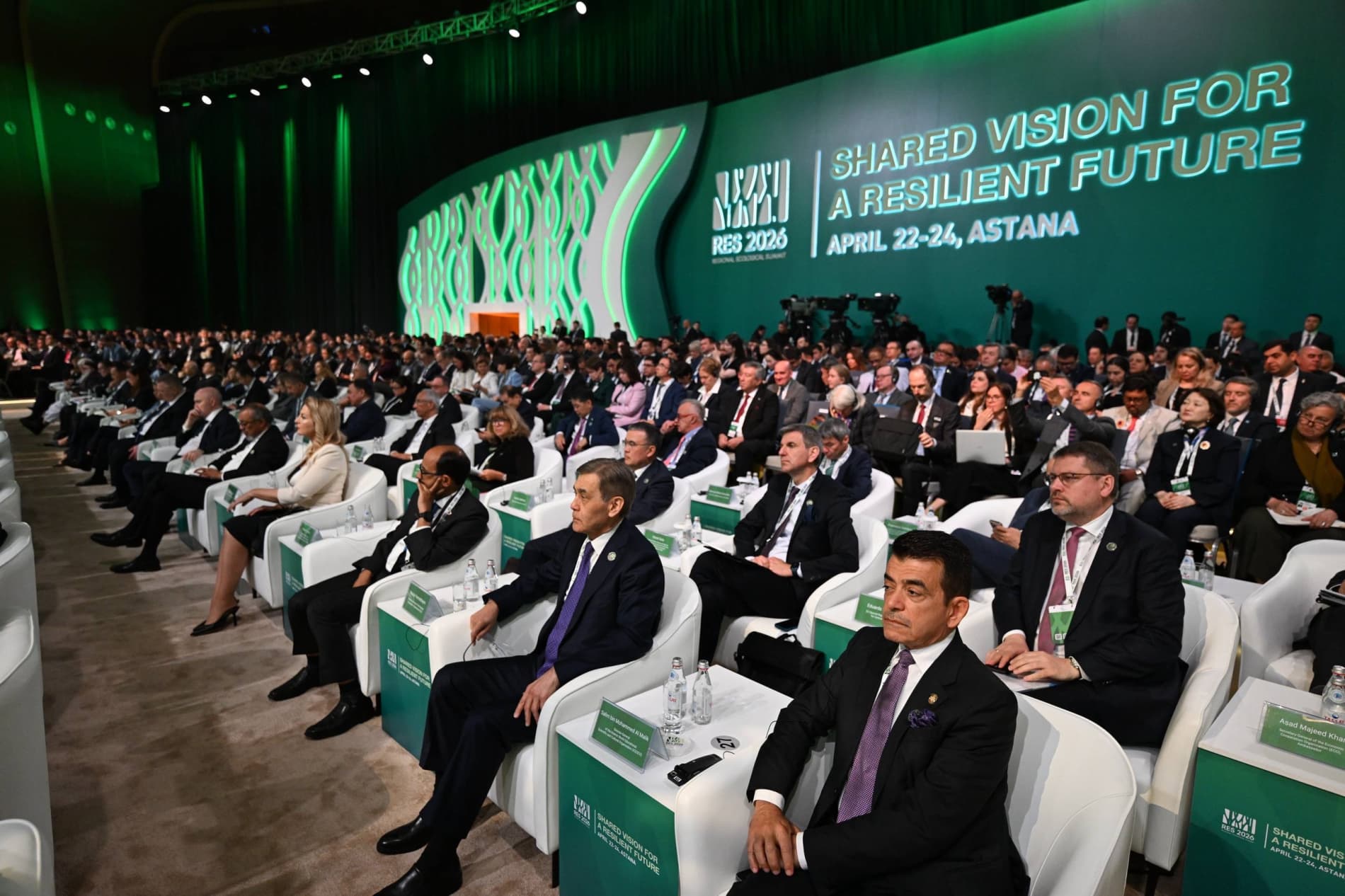
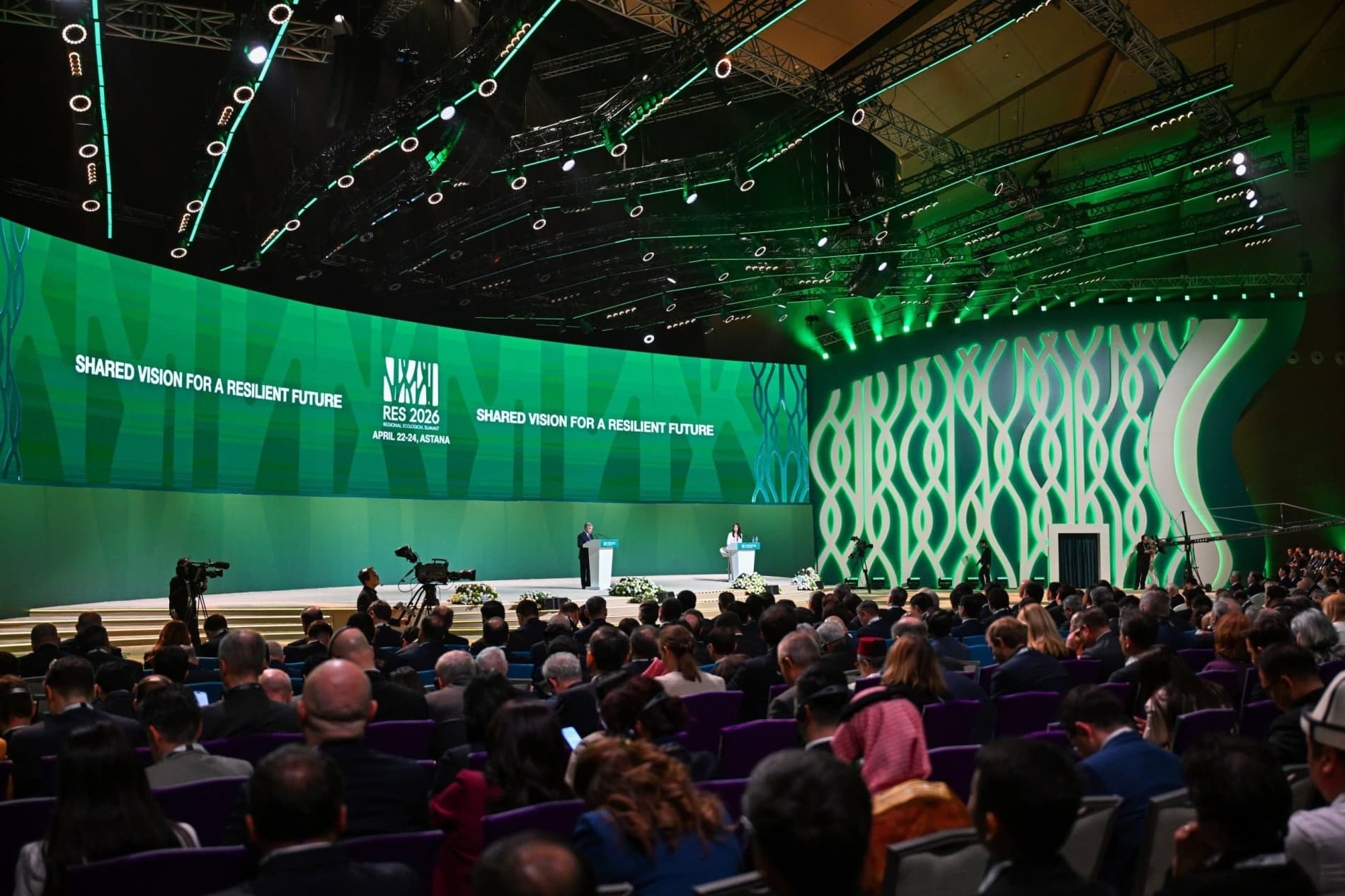
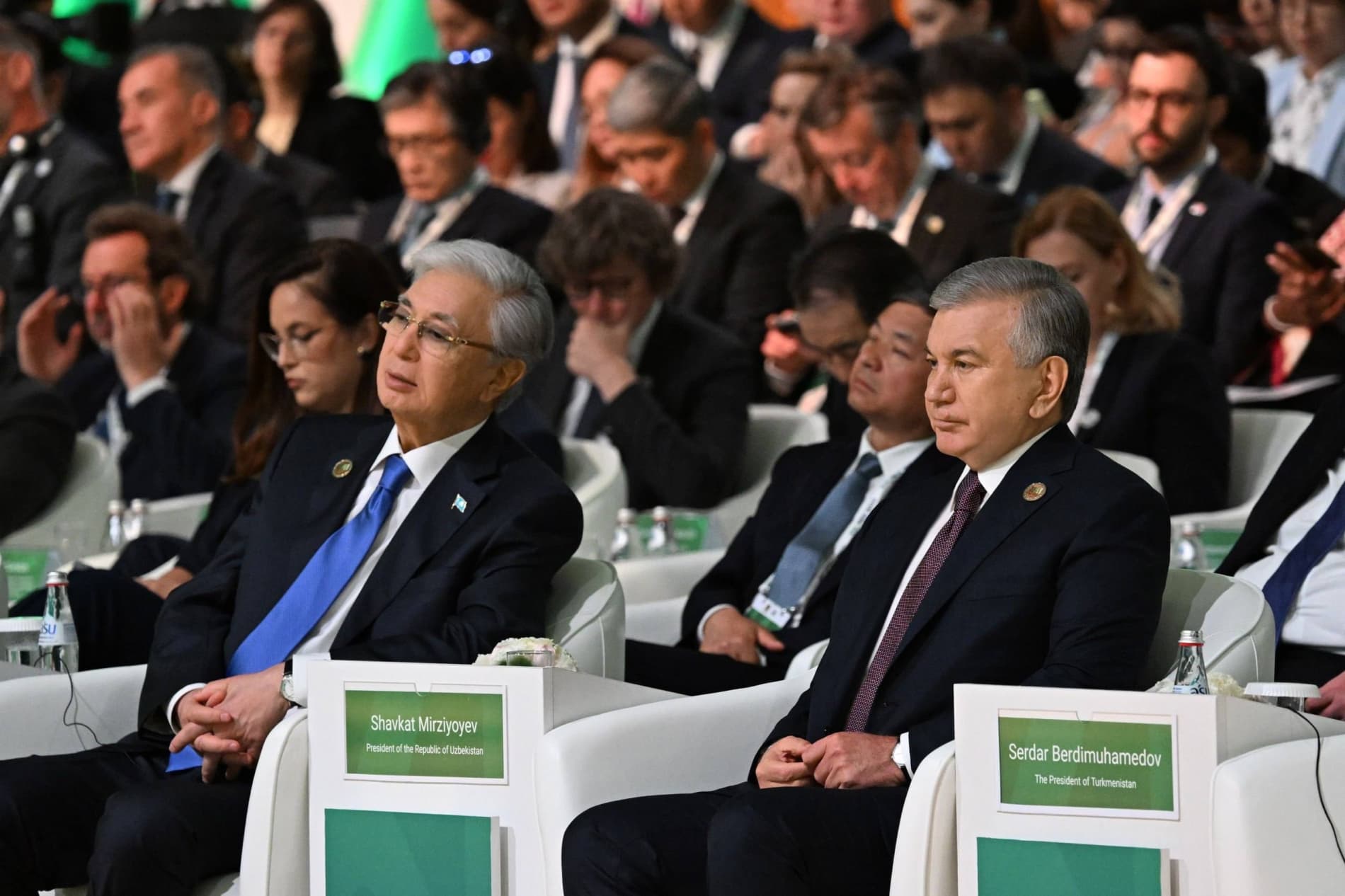
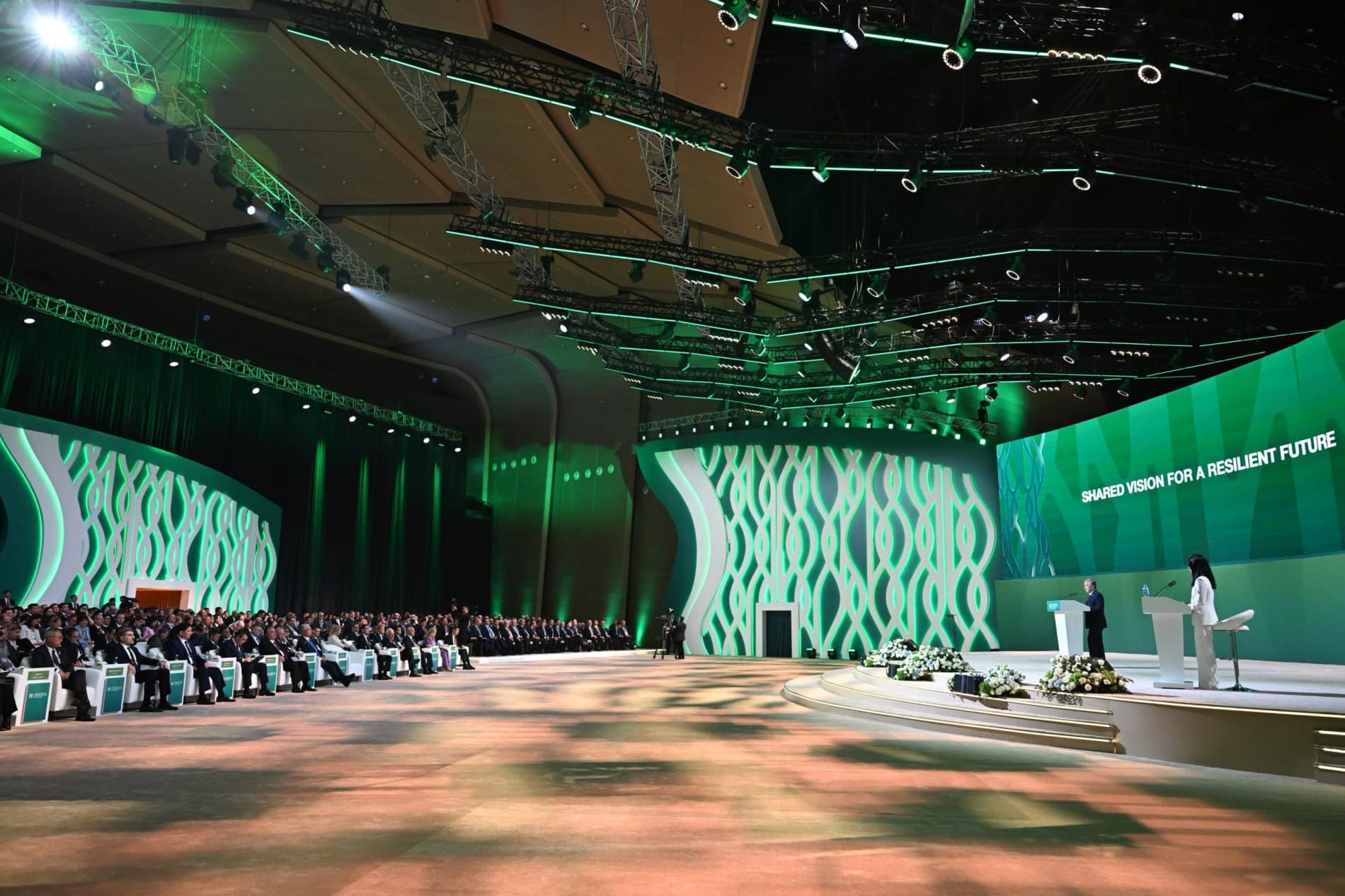
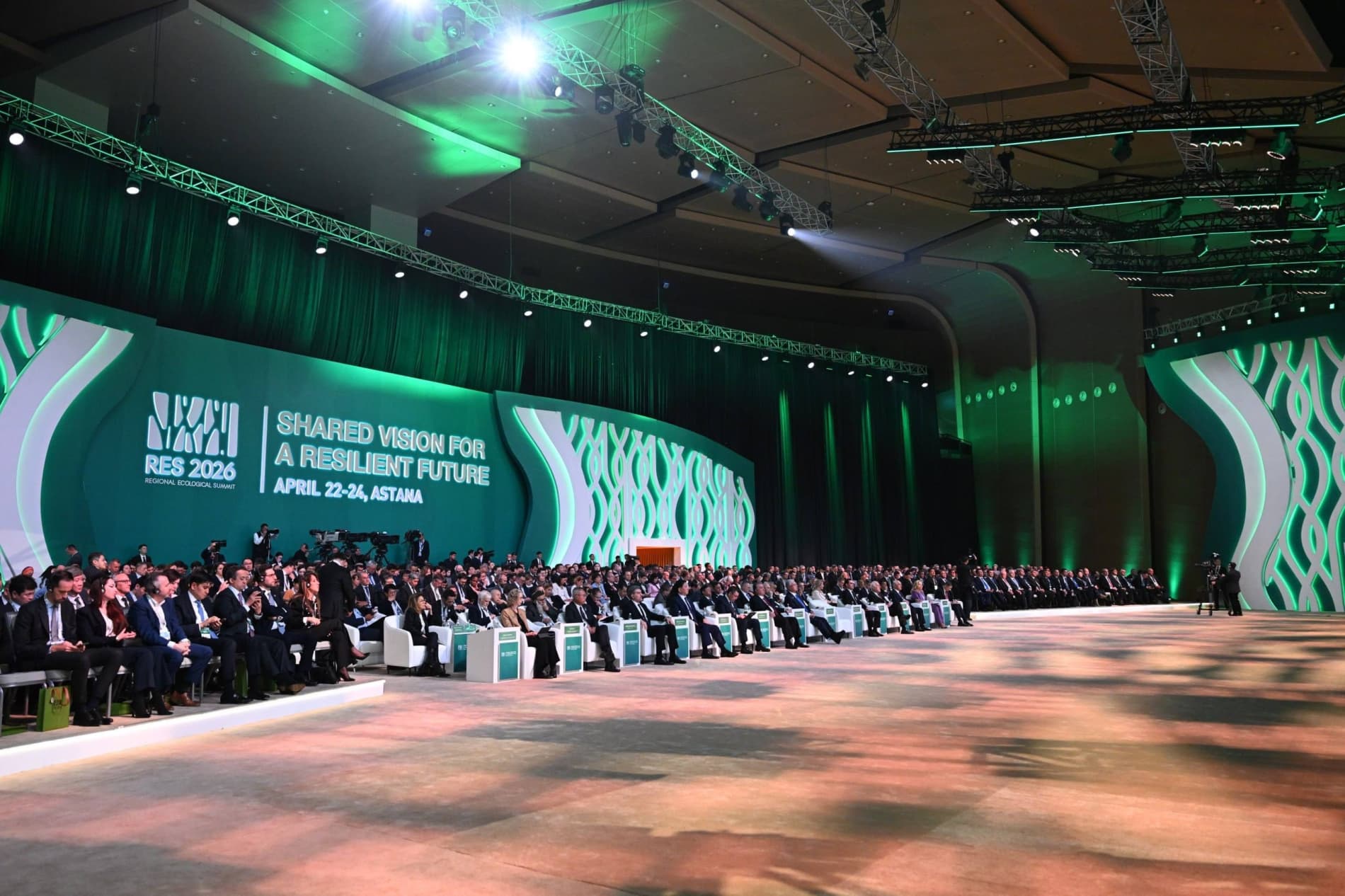
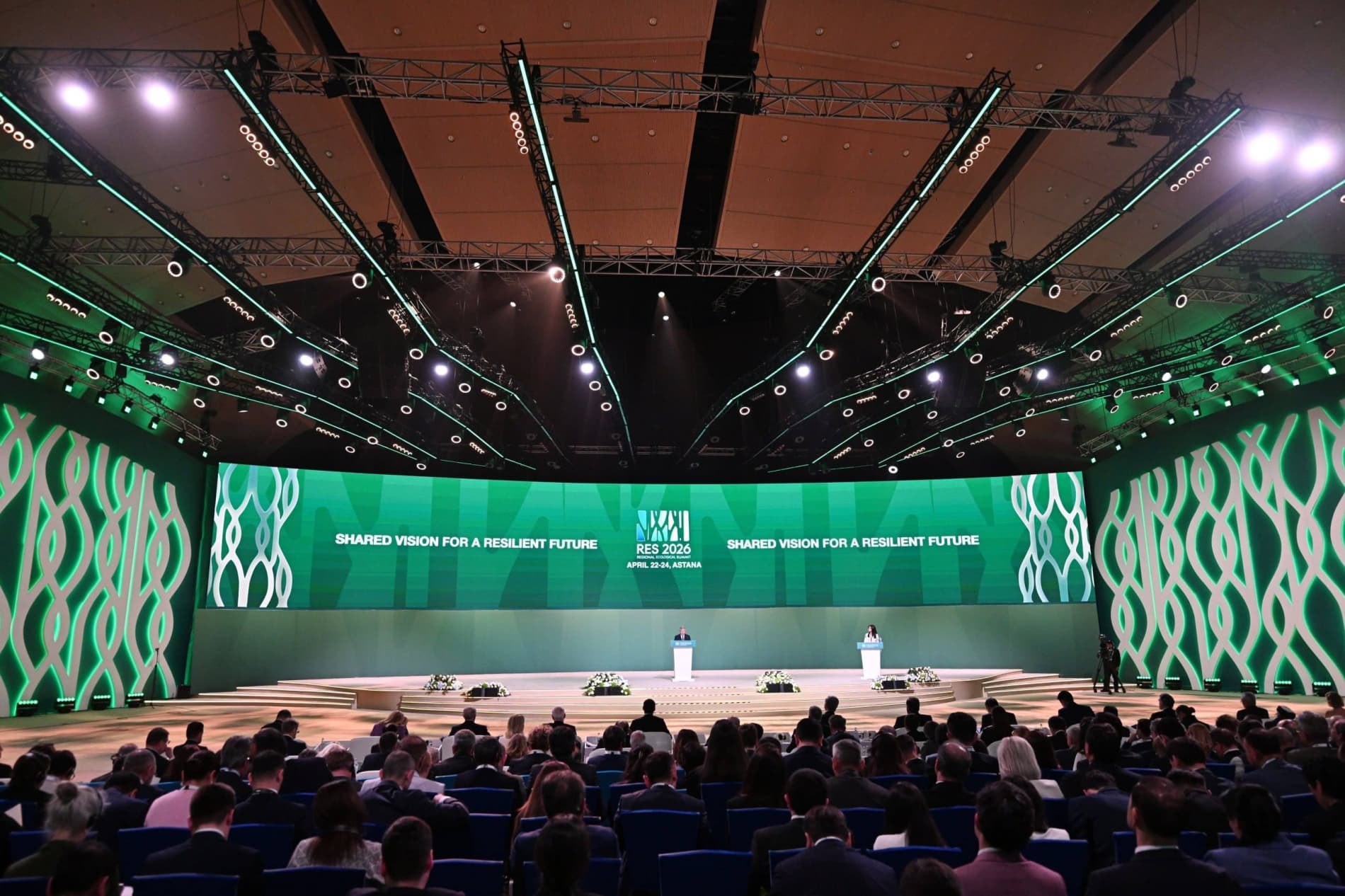
The summit is held with the support of the United Nations and aims to develop coordinated approaches to issues related to water resources, energy, climate change, and sustainable development in the region. The program includes plenary sessions at the level of heads of state, thematic discussions, and presentations of practical initiatives. Particular attention is being paid to growing environmental threats—water scarcity, land degradation, glacier retreat, and biodiversity loss—which directly impact the economies and security of countries in the region.
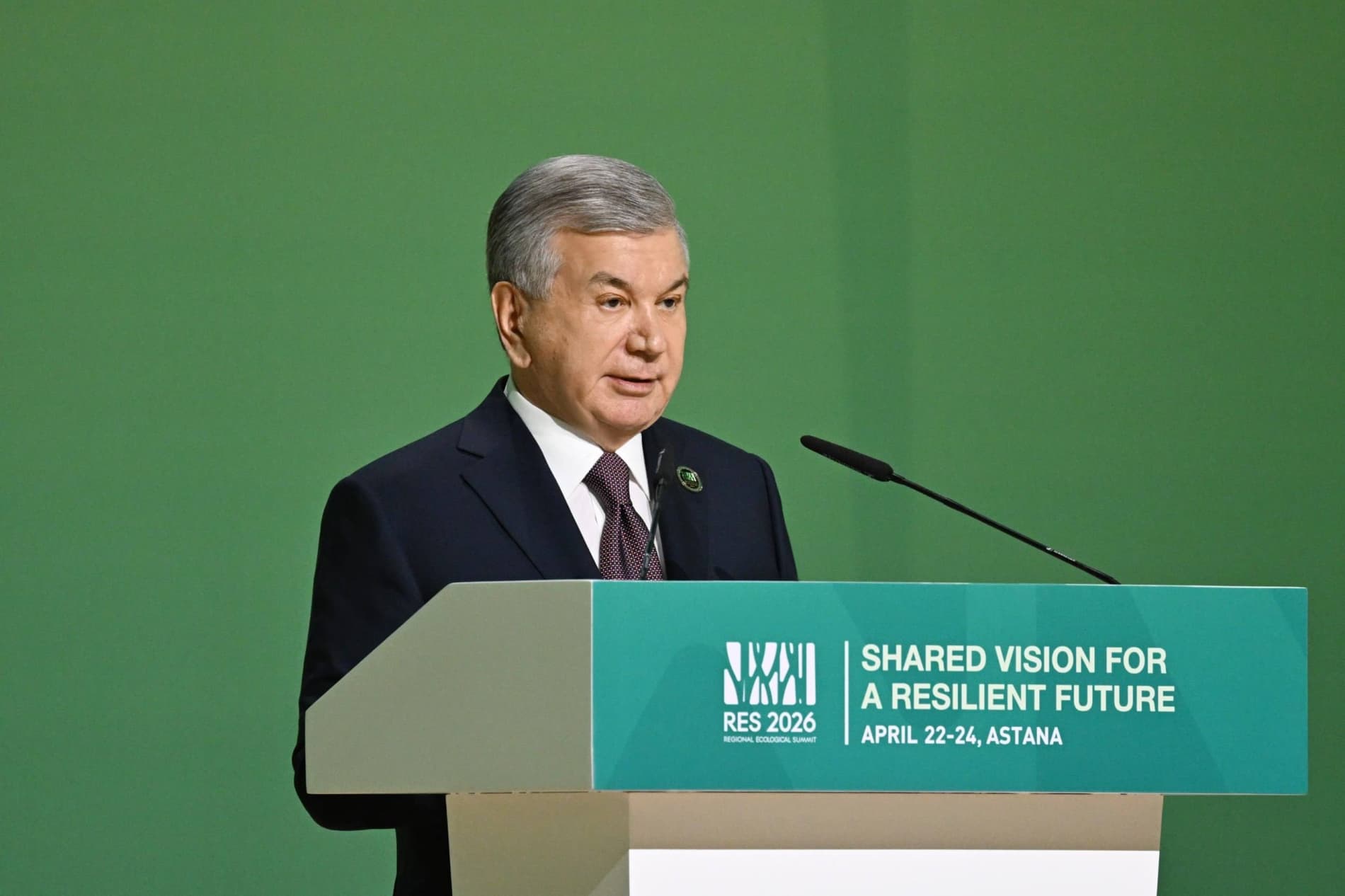
At the opening ceremony, President of the Republic of Uzbekistan Shavkat Mirziyoyev delivered an address outlining key challenges and priorities for regional cooperation.
“Environmental problems today cannot be considered in isolation from global climate change. The pace of global warming is accelerating, and in Central Asia, temperatures are rising twice as fast. Nearly one-third of the region’s glaciers have been lost, precipitation patterns are becoming increasingly erratic, and water shortages are growing. Land degradation has already affected 80 million hectares.”
During his address, the President presented a number of concrete initiatives aimed at strengthening regional cooperation in the environmental sphere. In particular, he proposed the establishment of an intergovernmental consortium “Clean Air of Central Asia” as a mechanism for attracting green financing to modernize industry and reduce emissions. He also suggested granting regional status to the Center for Combating Desertification, which operates under the Green University to create a unified system for monitoring land degradation and dust storms.
Among the economic measures, the President proposed establishing a “Central Asian Green Trade Corridor” with preferential customs regimes and mutual recognition of environmental standards, as well as creating a unified Investment portfolio of climate projects across the region.
In addition, the Head of State put forward scientific and institutional initiatives, including the development of a Unified Regional Atlas of Environmental Changes and a Red Book of Central Asia, to be coordinated by the regional office of the International Union for Conservation of Nature in Tashkent. Special emphasis was placed on the development of environmental education and youth engagement, including a proposal to host the World Youth Climate Forum in Uzbekistan in 2027. The President also highlighted the country’s role in hosting major international events, including the 8th Global Environment Facility Assembly in Samarkand and the World Forum on Water Conservation.
The summit began with a plenary session attended by heads of state and leaders of international organizations, setting the strategic framework for further discussions. The substantive agenda of RES 2026 is structured around eight priority areas, covering the full spectrum of environmental policy—from supporting the climate transition and adapting to natural risks to sustainable resource management, food security, air pollution control, and the development of environmental and digital competencies.
The forum’s program includes 58 events, among them 17 high-level sessions, 4 country meetings of Central Asian states, and 37 thematic events in the format of roundtables, conferences, and seminars. This scale enables the integration of political dialogue with practical solution-building and the exchange of best international practices.
Following the summit, a number of strategic documents are expected to be adopted, the key one being a Joint Declaration of the Heads of State of Central Asia entitled “Environmental Solidarity of Central Asia.” The document will formalize the political commitment of the countries of the region to deepen cooperation in the field of sustainable development. In addition, a Regional Action Program with the United Nations agencies for 2026–2030 will be approved.
In total, 51 documents are expected to be signed within the framework of RES 2026, including 13 memoranda, 16 joint statements and agreements, 16 regional and country-level initiatives, as well as 6 investment projects aimed at implementing concrete environmental solutions.