
Requirements Established for National Natural Heritage Sites
2026-03-27 14:45:00 / News
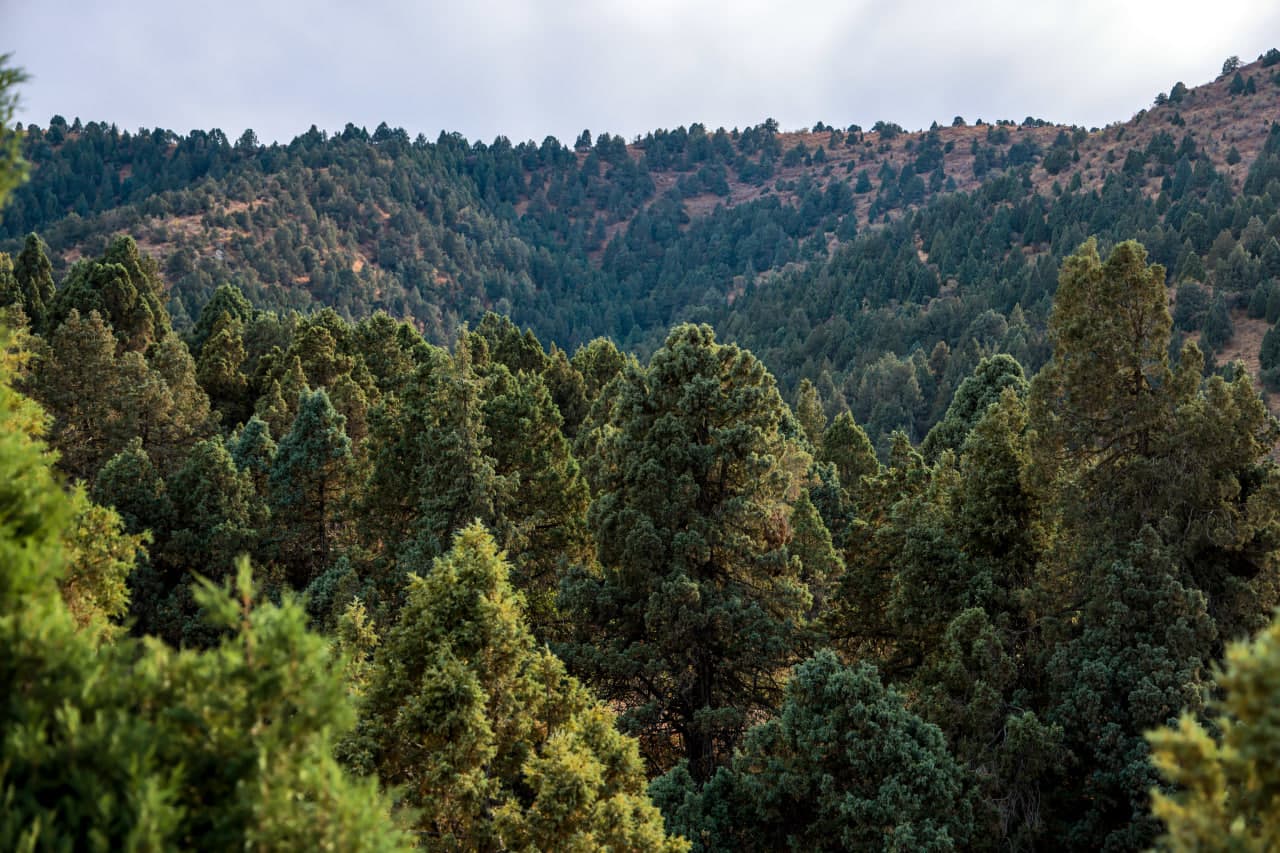
For reference: national natural heritage sites in Uzbekistan are classified into the following categories:
– Biological sites include trees aged 50 years and older, relic forests, forests with valuable species, natural landscapes and ecosystems, UNESCO biosphere reserves, Ramsar sites, notable natural areas, seasonal natural phenomena, and strictly protected zones—such as key habitats of flora and fauna, important bird areas, and territories with high biodiversity.
–Geological sites include geological sections, geomorphological features, natural geological formations, global geoparks, physiographic formations, deposits of medicinal resources and natural monuments.
–Hydrological sites include natural water bodies, waterfalls, springs, lakes and rivers.
–Paleontological sites include remains of ancient life forms.
Under the Regulation, these sites are granted the status of protected natural areas. They may also be nominated for inclusion in the UNESCO World Heritage List, the Ramsar List of Wetlands of International Importance, as well as the World Network of Biosphere Reserves and UNESCO Global Geoparks.
In addition, state nature reserves, landscape reserves, natural parks, state wildlife reserves, natural monuments and biosphere reserves form part of the national system of protected natural areas.
To be included in the national natural heritage list, a site must meet a number of criteria, including:
–the uniqueness and integrity of its biophysical processes and landforms;
– the preservation of key natural interactions in their original state;
–the presence of all essential components required for the long-term conservation of ecosystems and biodiversity;
–its importance for biodiversity conservation, including habitats typical of specific biogeographical regions;
–the presence of breeding, nesting and migration routes of migratory species;
–the existence of hydrological features significant for both biodiversity and human life;
– geological, geomorphological, or paleontological features reflecting the Earth’s history, including deposits of medicinal resources.
The Regulation also establishes a strict protection regime. Activities such as the extraction of natural resources, damage to flora and fauna, unauthorized construction, felling of trees and shrubs, alteration of hydrological and hydrogeological regimes, soil erosion and the construction of roads and engineering infrastructure are prohibited.
Additionally, the storage or disposal of waste, discharge of wastewater, use of toxic chemicals, establishment of animal burial sites, construction of facilities for storing toxic substances and mineral fertilizers, placement of chemical, pulp and paper, or metallurgical industries, development of livestock and poultry complexes, use of liquid manure for irrigation, parking, refueling, washing and repair of vehicles, storage of petroleum products, processing of flax, hemp and hides, as well as the introduction of new species and subspecies for acclimatization are not permitted.