
Uzbekistan Presented Its Approaches to Improving Air Quality at an International Workshop in Tokyo
2026-02-09 17:45:00 / News
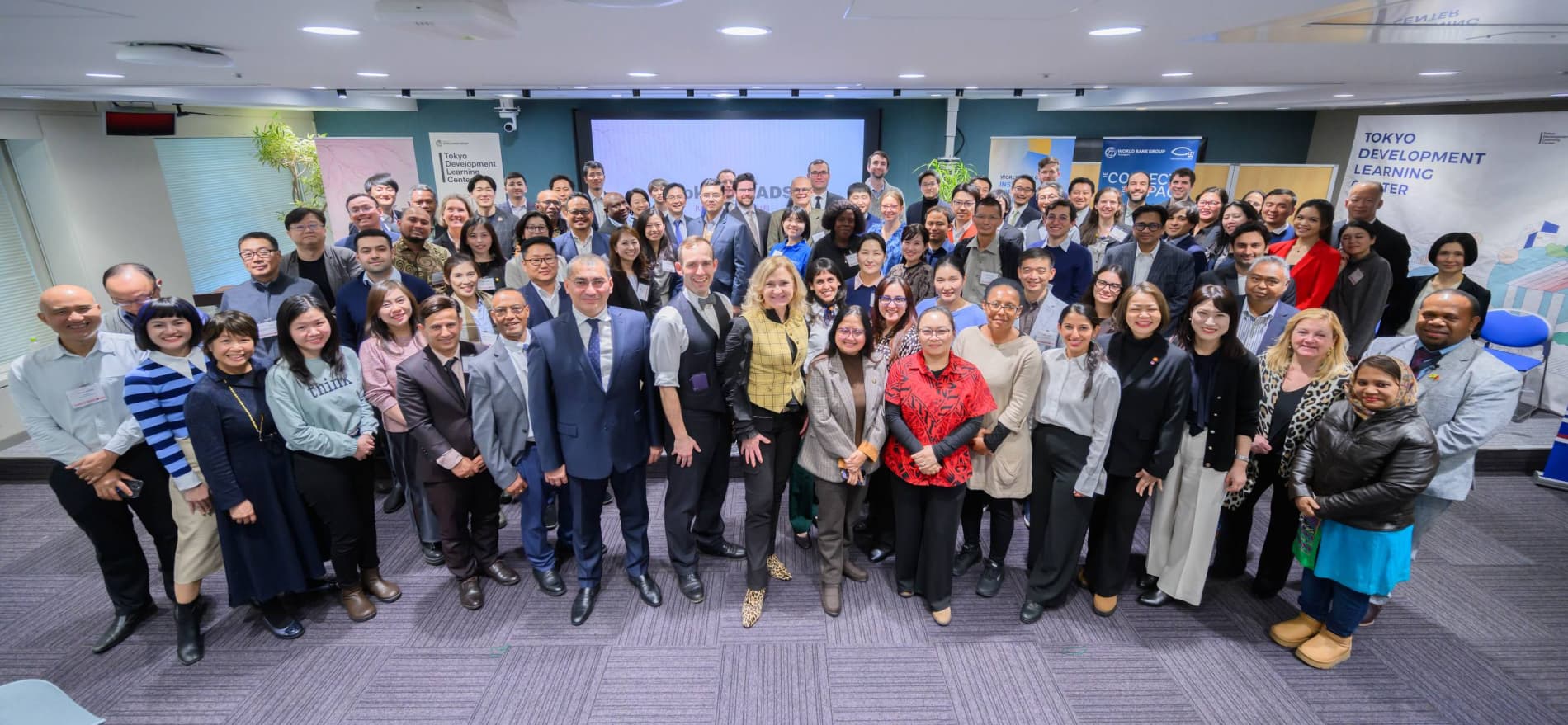
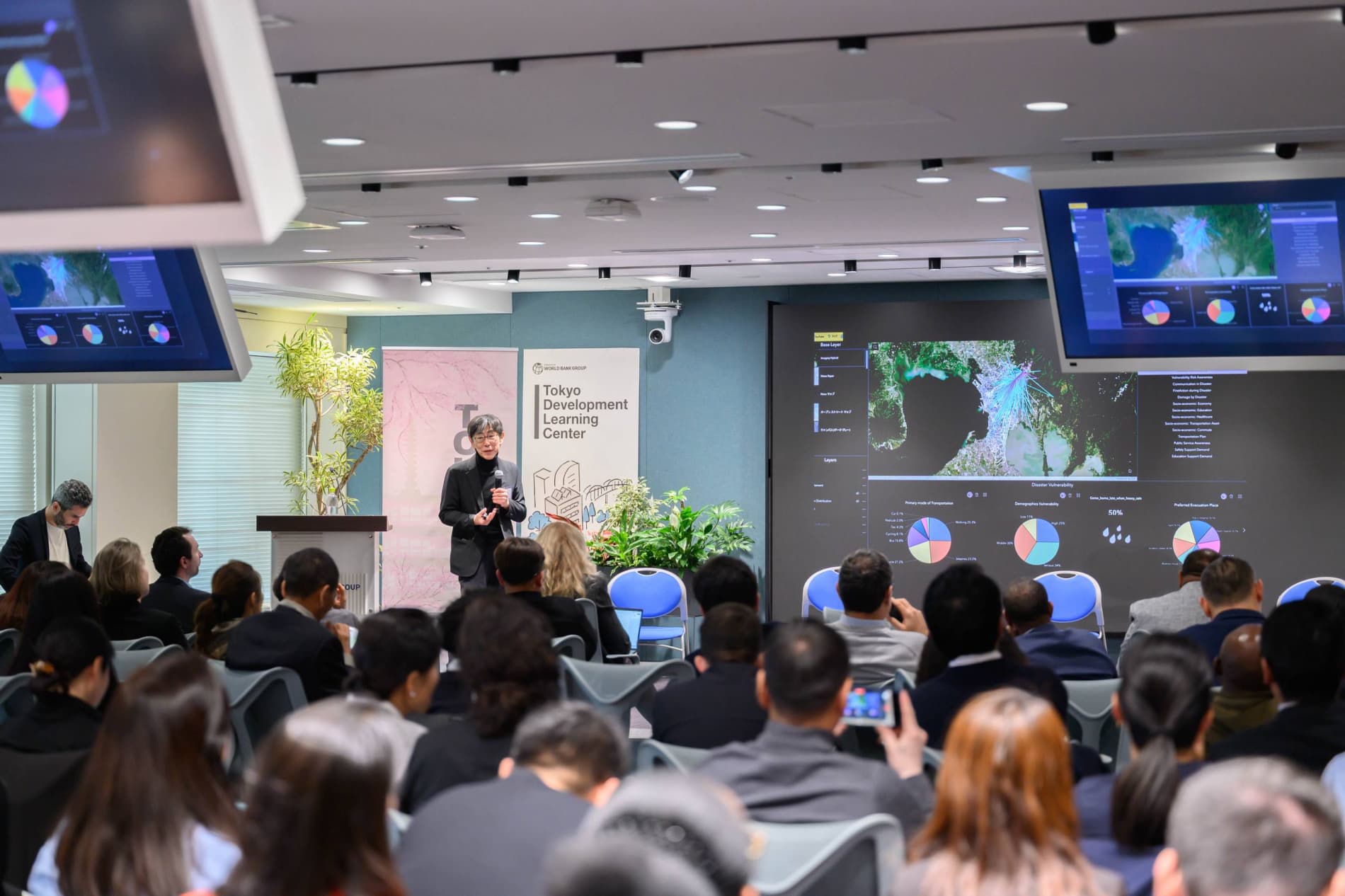



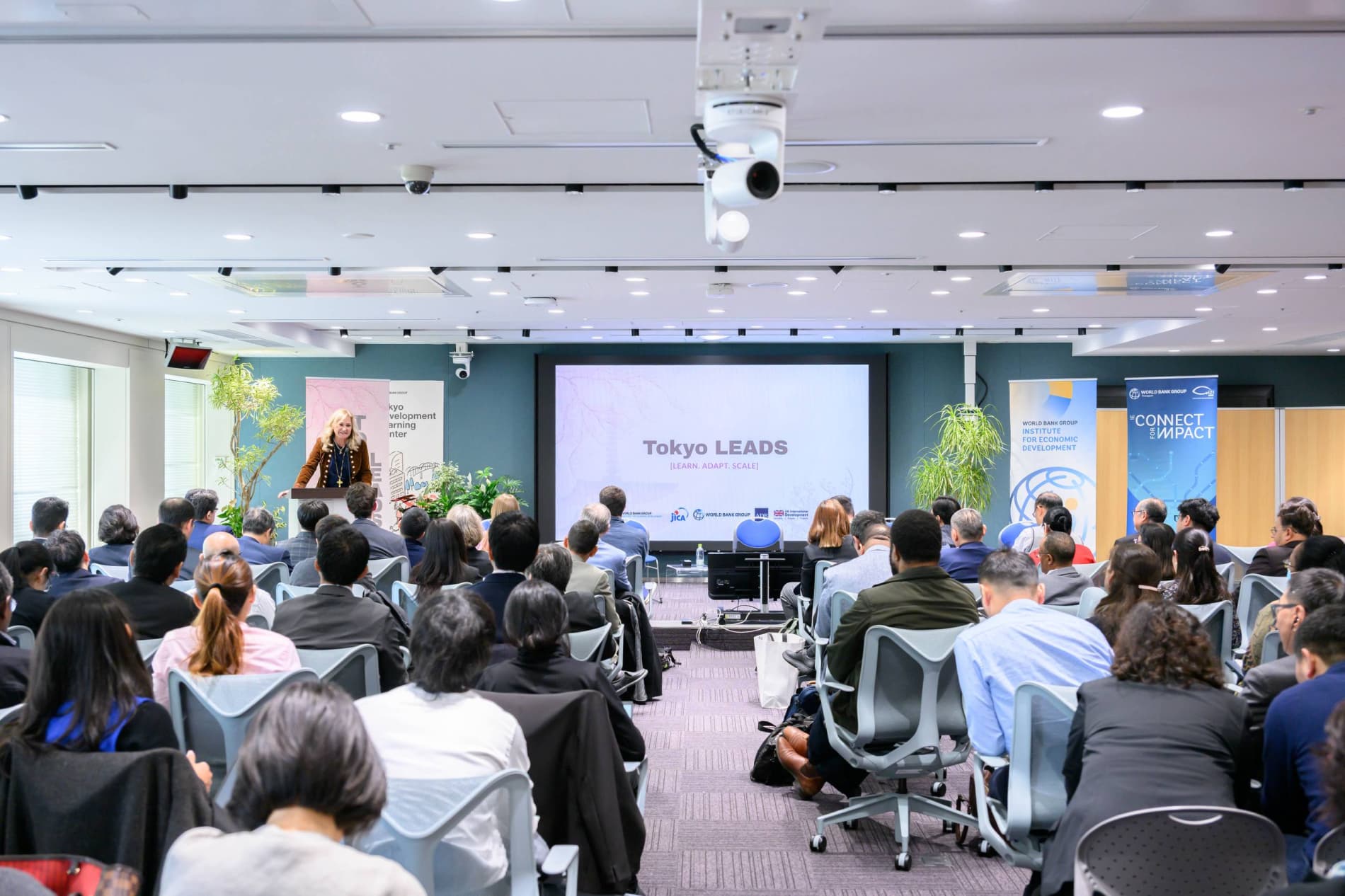
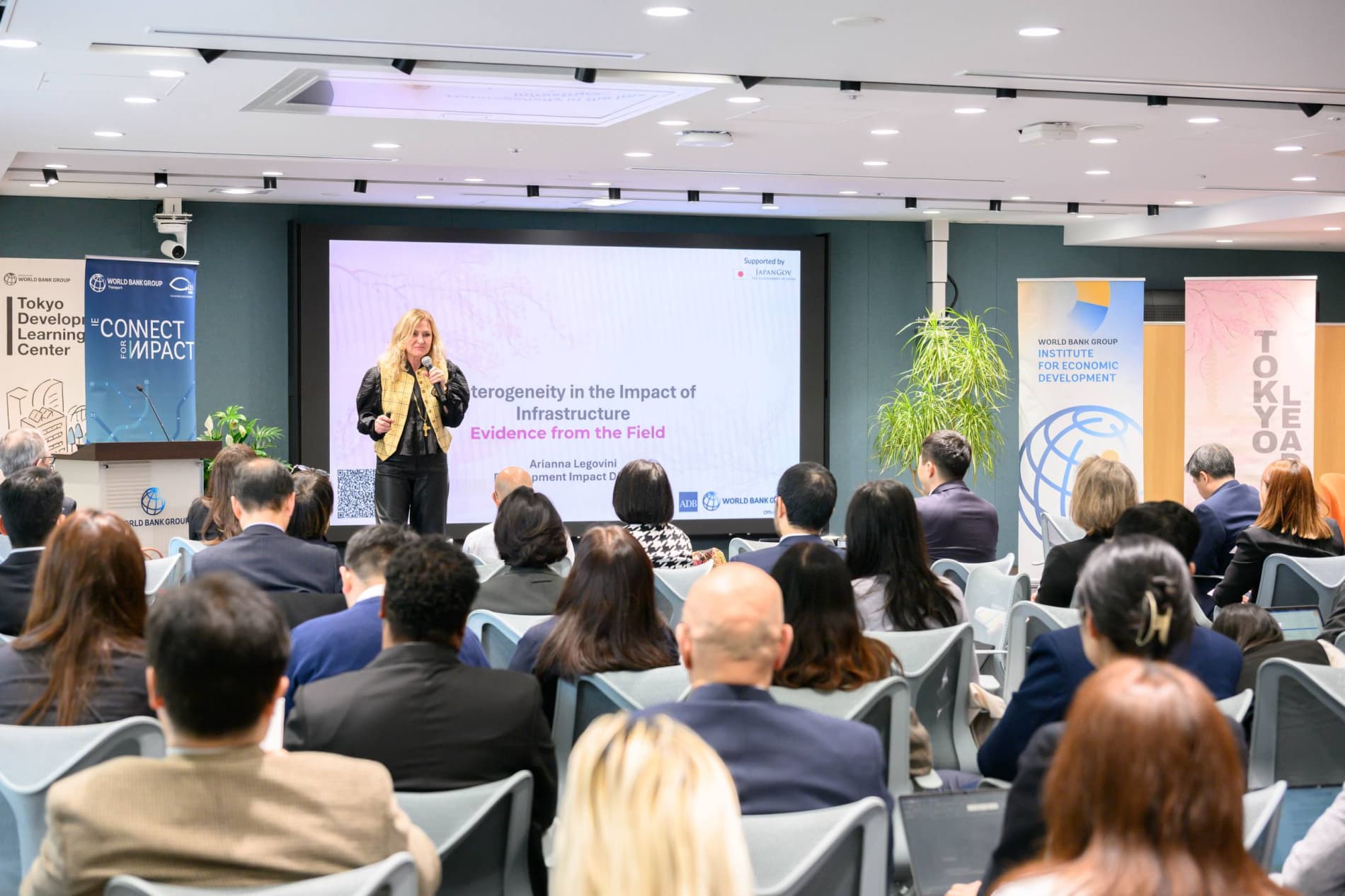

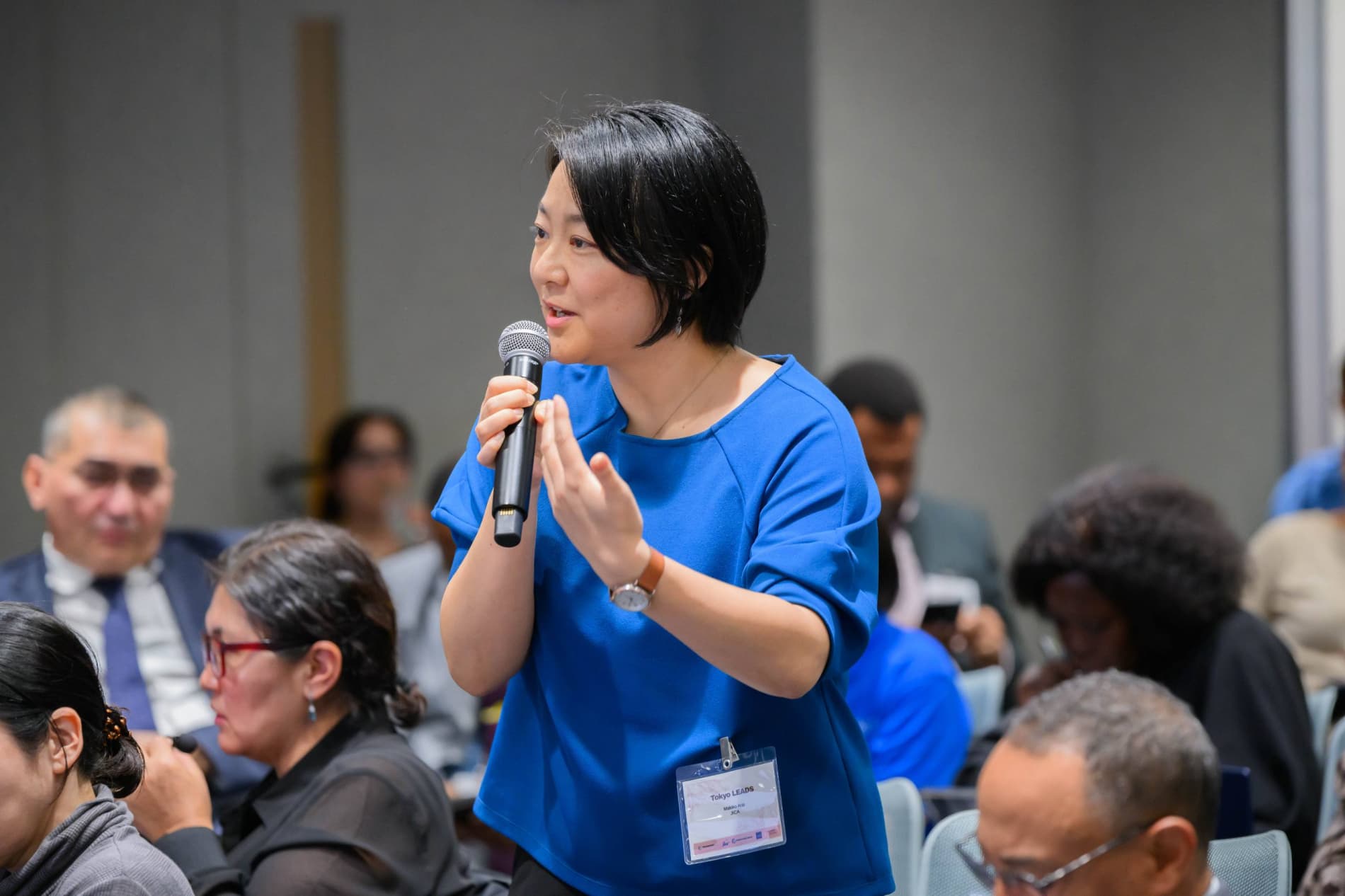
The workshop brought together representatives of government institutions, researchers, and practitioners from various countries to discuss the integration of evidence-based approaches, data and impact evaluation into the development of infrastructure and environmental policies. Particular emphasis was placed on shifting the focus of policy assessment from the volume of expenditures to measurable social, economic and environmental outcomes.
During the thematic sessions, participants explored policy design with evaluation embedded from the outset, the application of experimental and quasi-experimental methods to inform decision-making, the use of data analytics and artificial intelligence for air quality monitoring and regulatory improvement, as well as the alignment of environmental outcomes with fiscal and budgetary mechanisms.
As part of the final country presentations, Farrukh Sattarov outlined Uzbekistan’s approaches to strengthening air quality policy, including the gradual transition to regulation based on best available techniques (BAT), the development of emission inventories, the establishment of long-term PM2.5 reduction targets, and the phased introduction of economic instruments for environmental regulation.
The exchange of international experience and professional dialogue within the framework of Tokyo LEADS reaffirmed the importance of moving from fragmented measures toward systemic, evidence-based environmental governance and contributed to strengthening international cooperation in the fields of climate and environmental policy.