
Uzbekistan Reaffirms Its Commitment to Obligations under the UN Climate Change Convention and the Paris Agreement
2026-02-05 17:00:00 / News
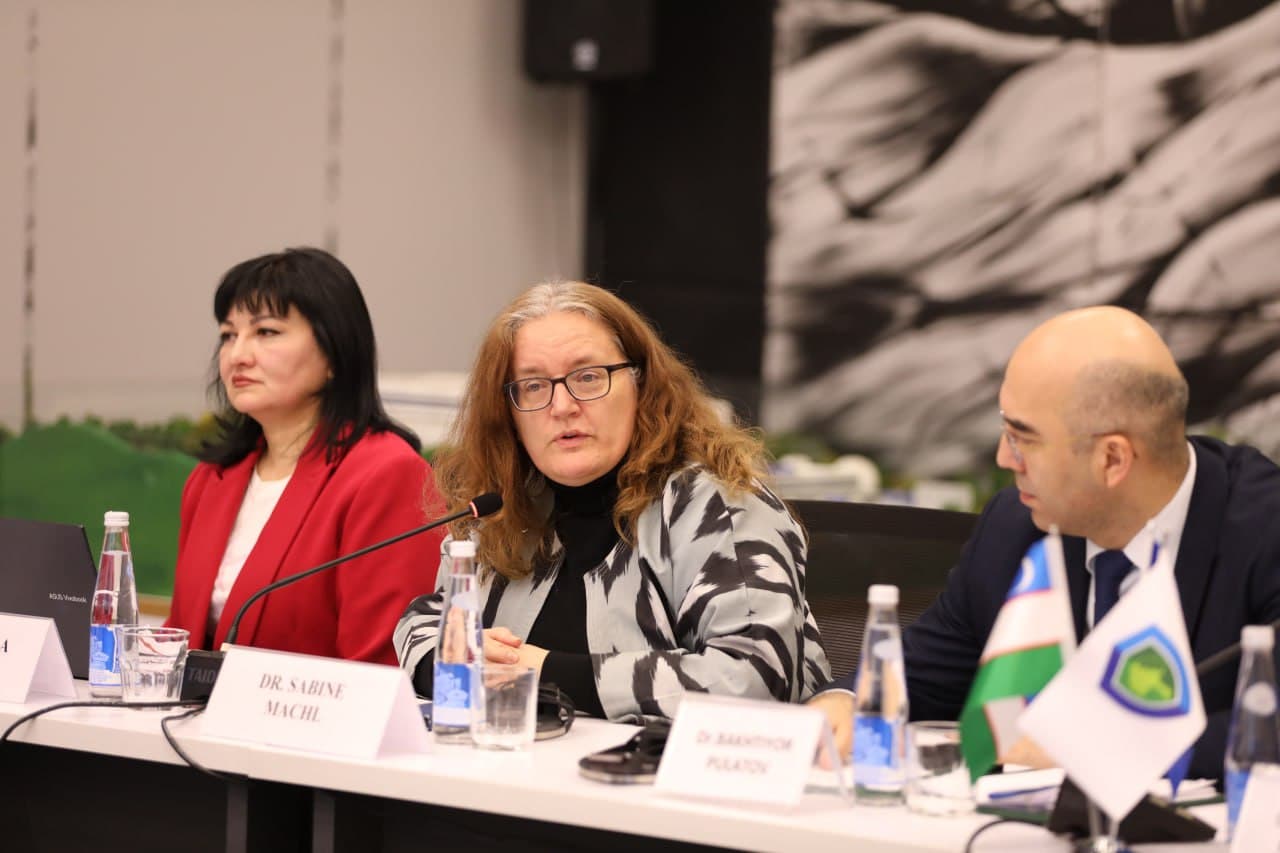
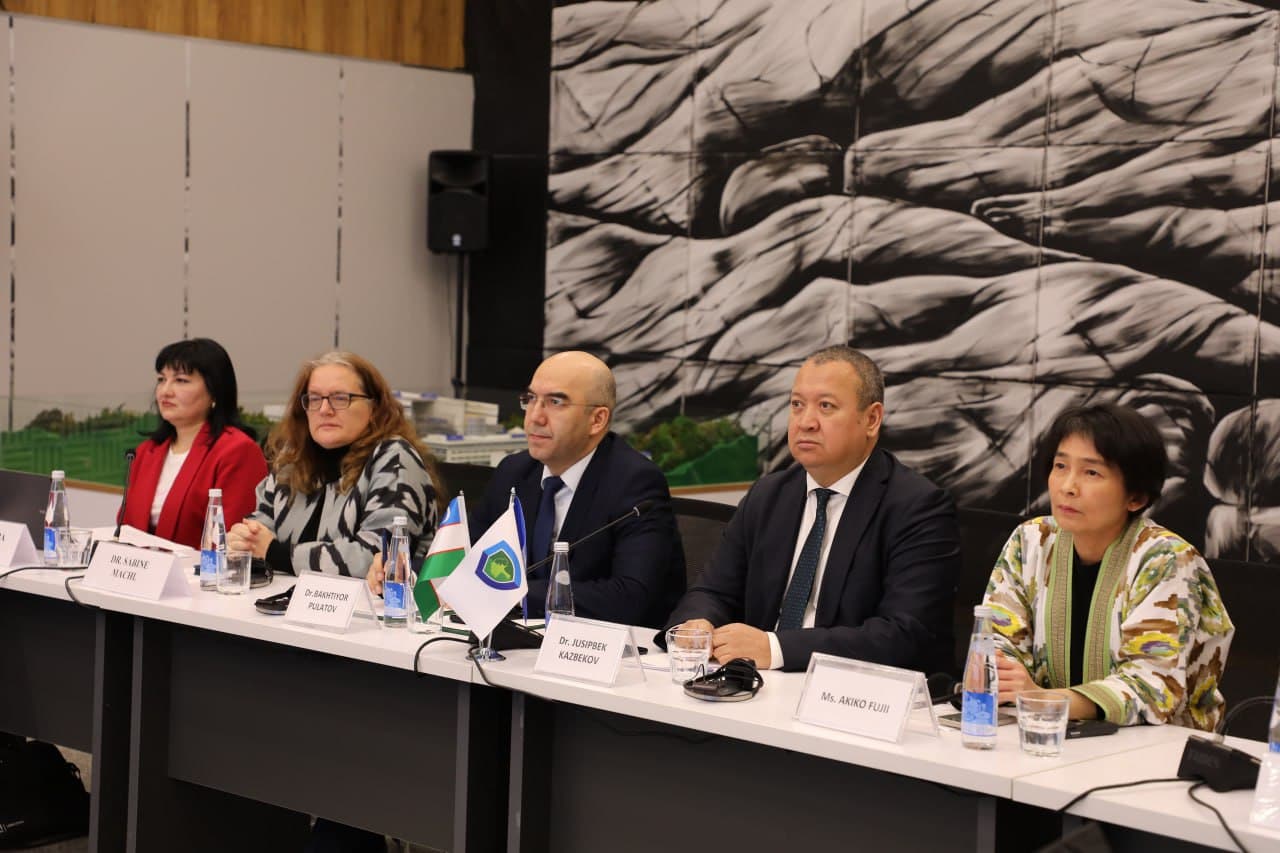
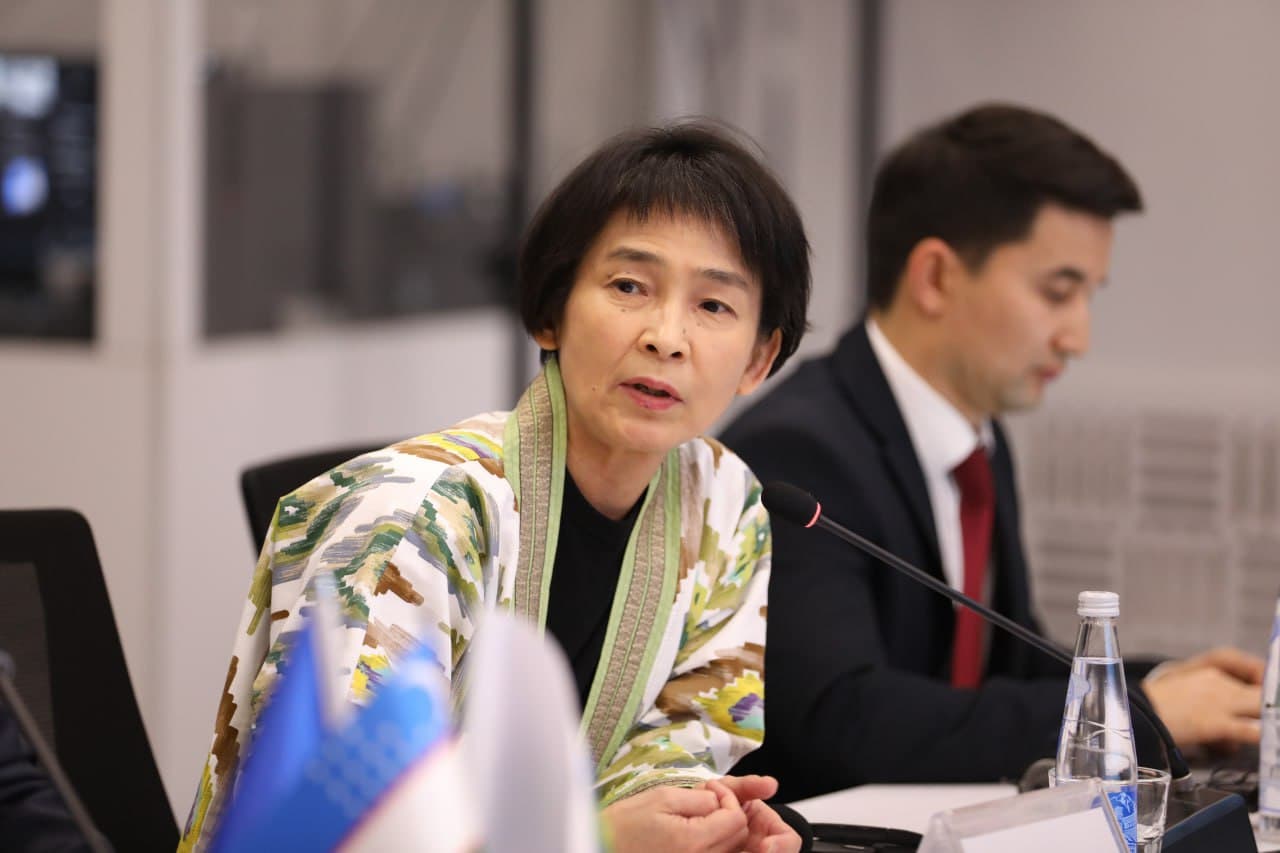
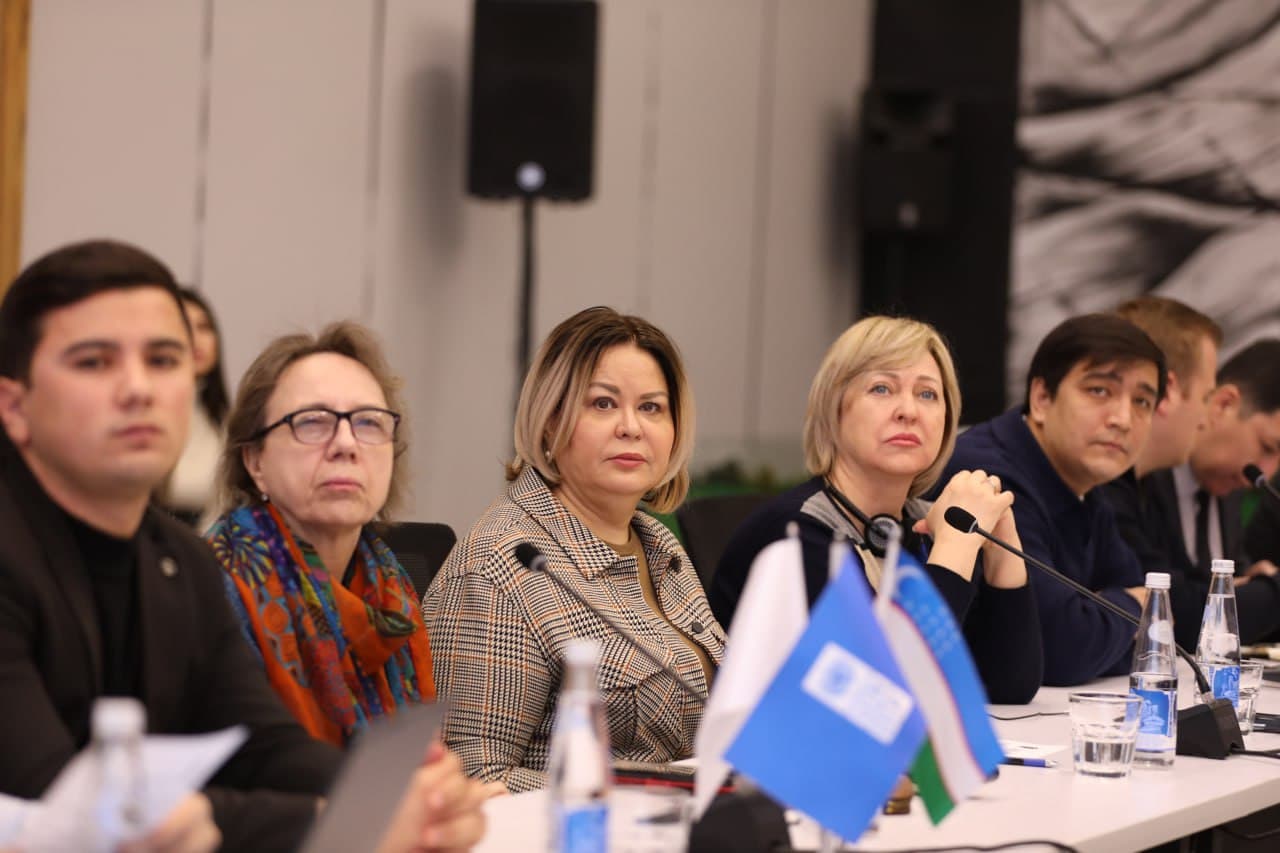
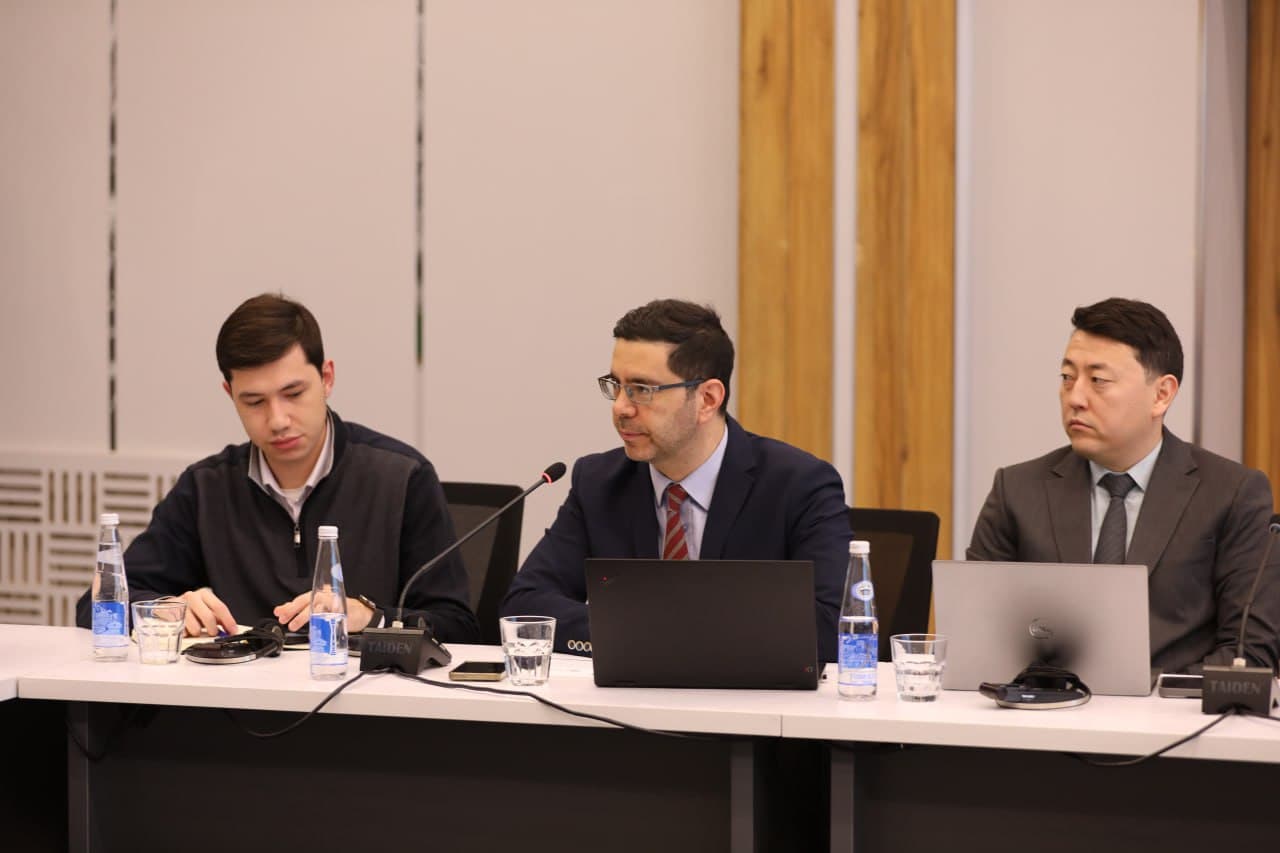
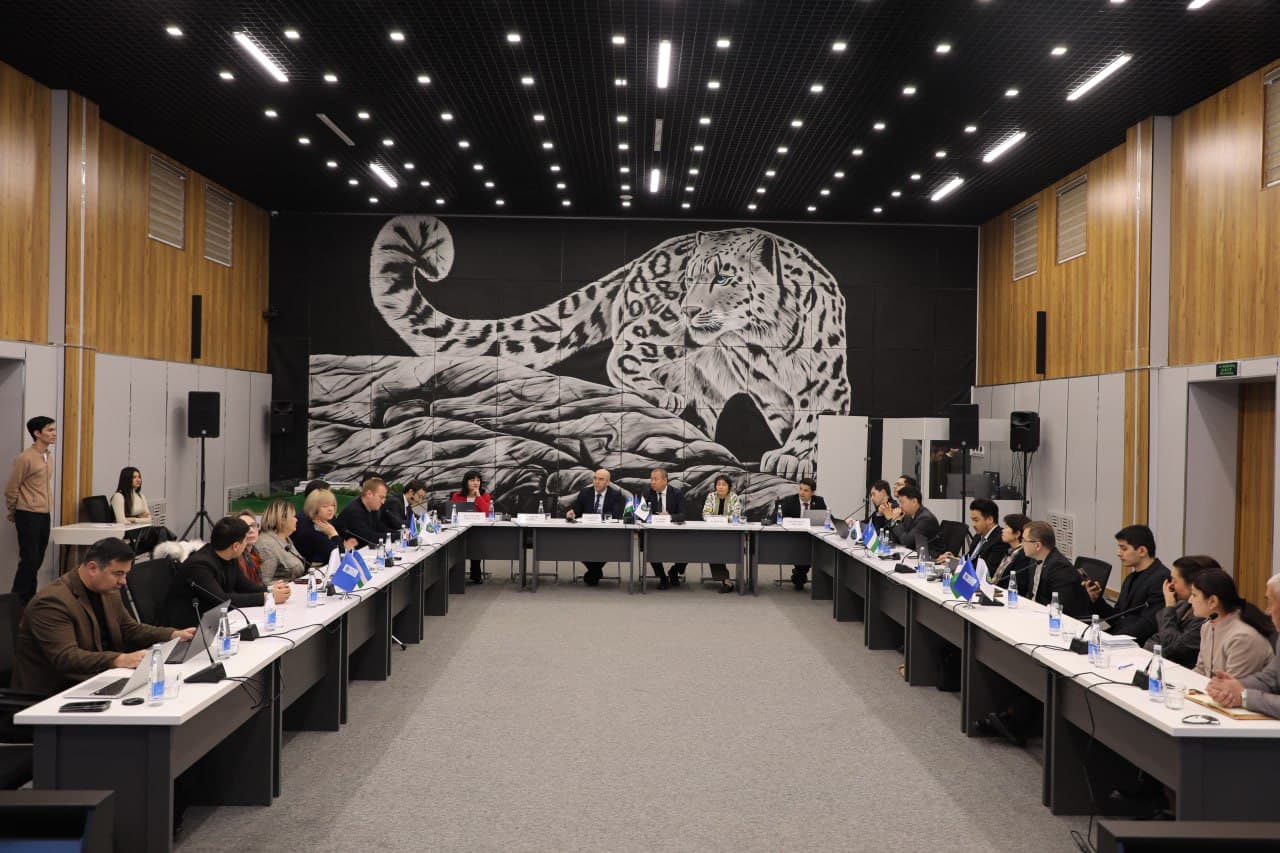
The event was organized by the National Committee of the Republic of Uzbekistan on Ecology and Climate Change in cooperation with the United Nations Development Programme (UNDP). Participants included representatives of ministries and government agencies, the Office of the UN Resident Coordinator, UN agencies, international financial institutions, international development organizations, donors, as well as civil society institutions. The first meeting of the NDC Coordination Group was also convened as part of the seminar.
In his remarks, Deputy Chairman of the National Committee on Ecology and Climate Change, Jusipbek Kazbekov, noted that the day-to-day impacts of climate change—land degradation, shrinking water resources, prolonged droughts and increasing dust and sand storms—are already directly affecting public health and the resilience of the national economy. In this context, he reaffirmed Uzbekistan’s commitment to its obligations under the United Nations Framework Convention on Climate Change (UNFCCC) and the Paris Agreement.
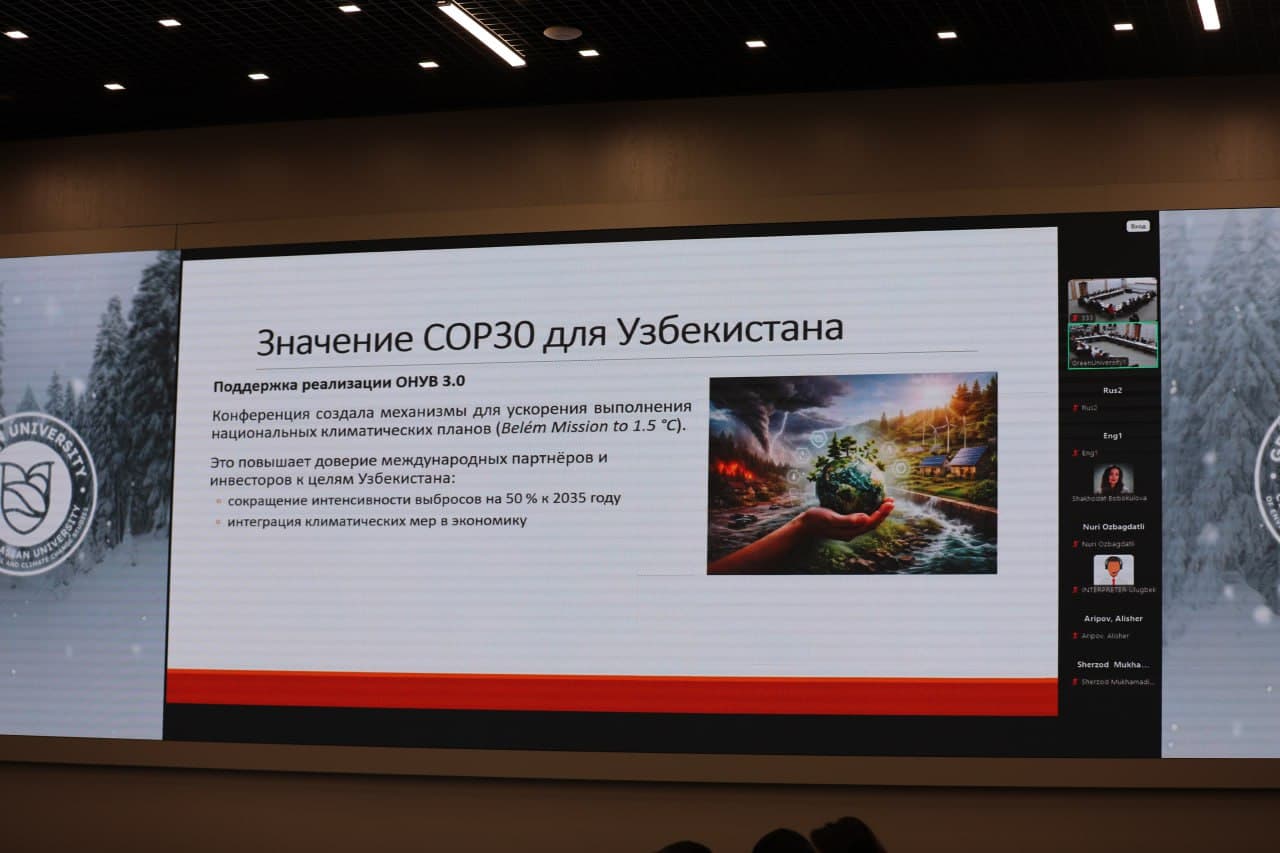
The Deputy Chairman also highlighted the strategic importance of the NDC 3.0 document, adopted in November 2025. The document sets a target to reduce greenhouse gas emission intensity by 50 percent by 2035 compared to 2010 levels. He emphasized that the updated climate targets are grounded in the country’s “green development” priorities, including policies aimed at accelerating the development of renewable energy.
For reference: NDC 3.0 was officially presented to the international community at COP-30, held in November 2025 in Belém, Brazil. The document underscores Central Asia’s high vulnerability to climate change, the intensification of land degradation, and the depletion of water resources, while emphasizing the need to strengthen practical mitigation and adaptation measures.
J. Kazbekov noted that the outcomes of the NDC 3.0 preparation process demonstrate the need to accelerate practical actions and mobilize financial resources. According to estimates, adaptation measures alone may require up to USD 30 billion by 2035. In this regard, Uzbekistan has developed five sectoral adaptation plans covering water resources and agriculture, public health, energy-efficient buildings, as well as climate-induced emergency response measures.
During the seminar, participants discussed the key stages in developing the Roadmap for the implementation of “NDC 3.0”, including the identification of goals and priority areas, the allocation of roles and responsibilities among government bodies and partners, as well as approaches to financing and monitoring implementation. Presentations were delivered on the outcomes of COP-30, methodologies for Roadmap development, UNDP support based on the results of the Global Stocktake and approaches to Uzbekistan’s long-term low-carbon development strategy through 2055. Representatives of ministries, international financial institutions, UN agencies, donors and civil society organizations shared their views and proposals on future steps.
At the conclusion of the seminar, participants were invited to attend major international events scheduled to be held in Samarkand, including Eco Expo Central Asia – 2026, to take place from 31 May to 5 June, as well as the 8th Assembly of the Global Environment Facility (GEF).