
At Green University, a seminar dedicated to the conservation of wetlands was held
2026-02-02 17:00:00 / News
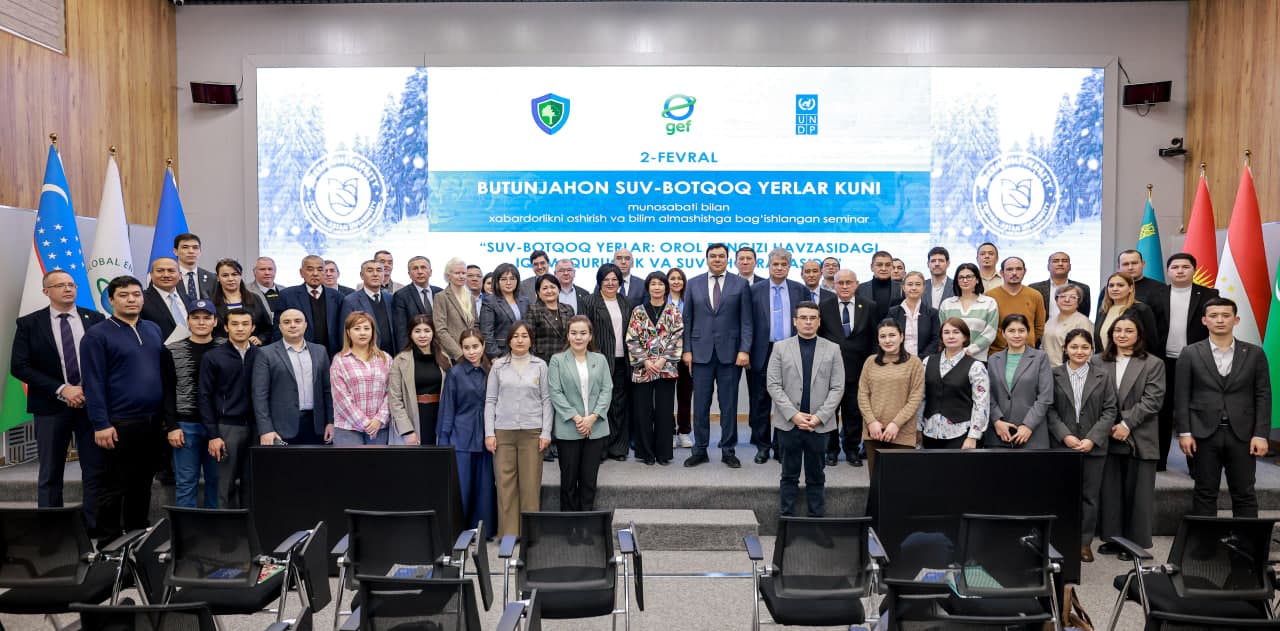
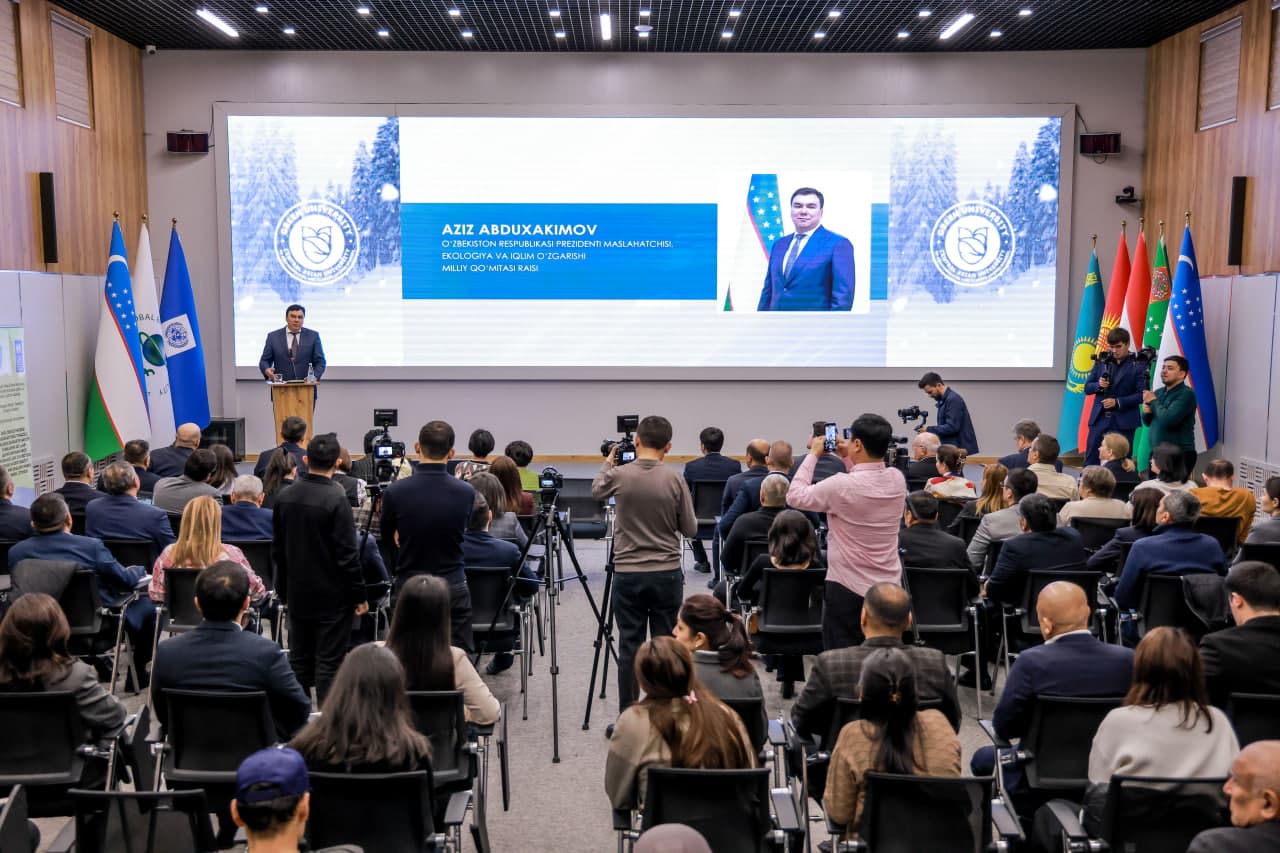
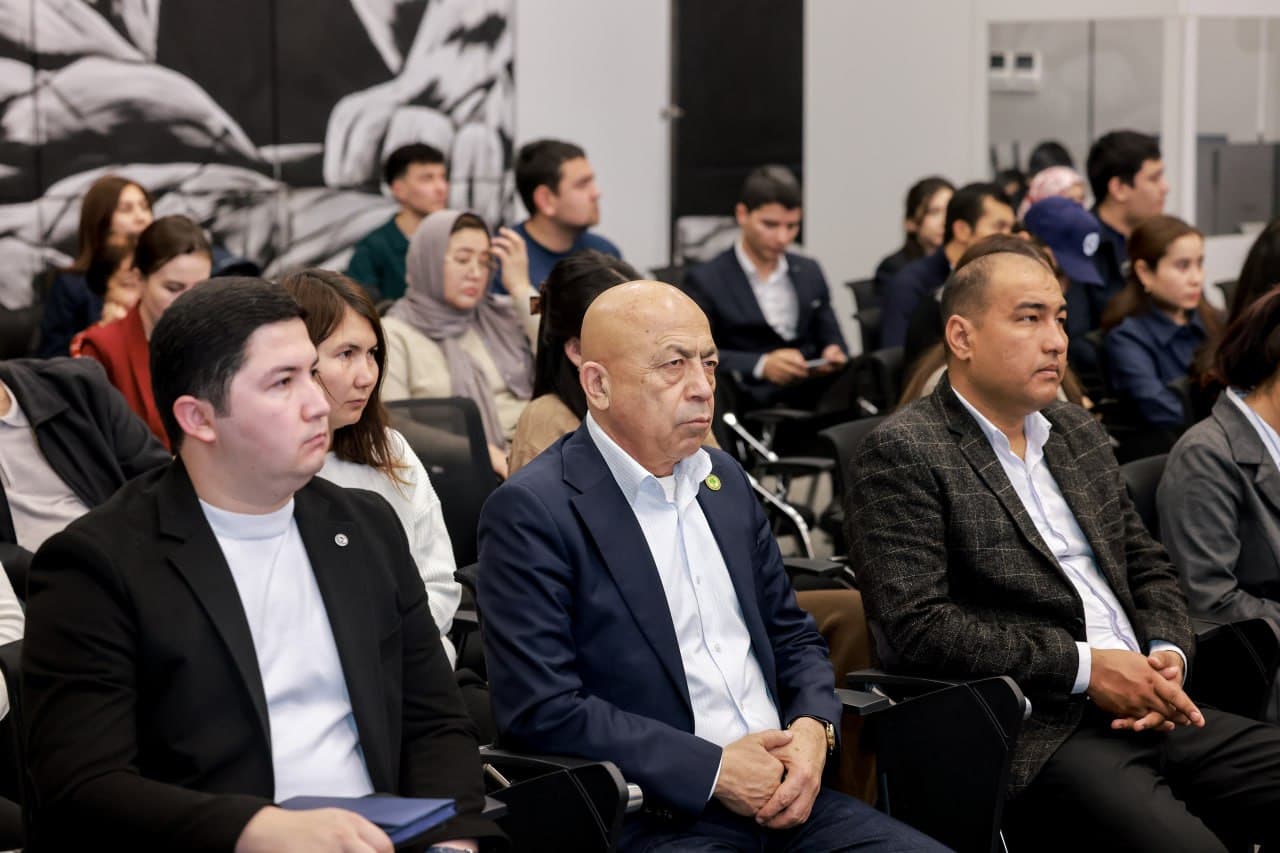
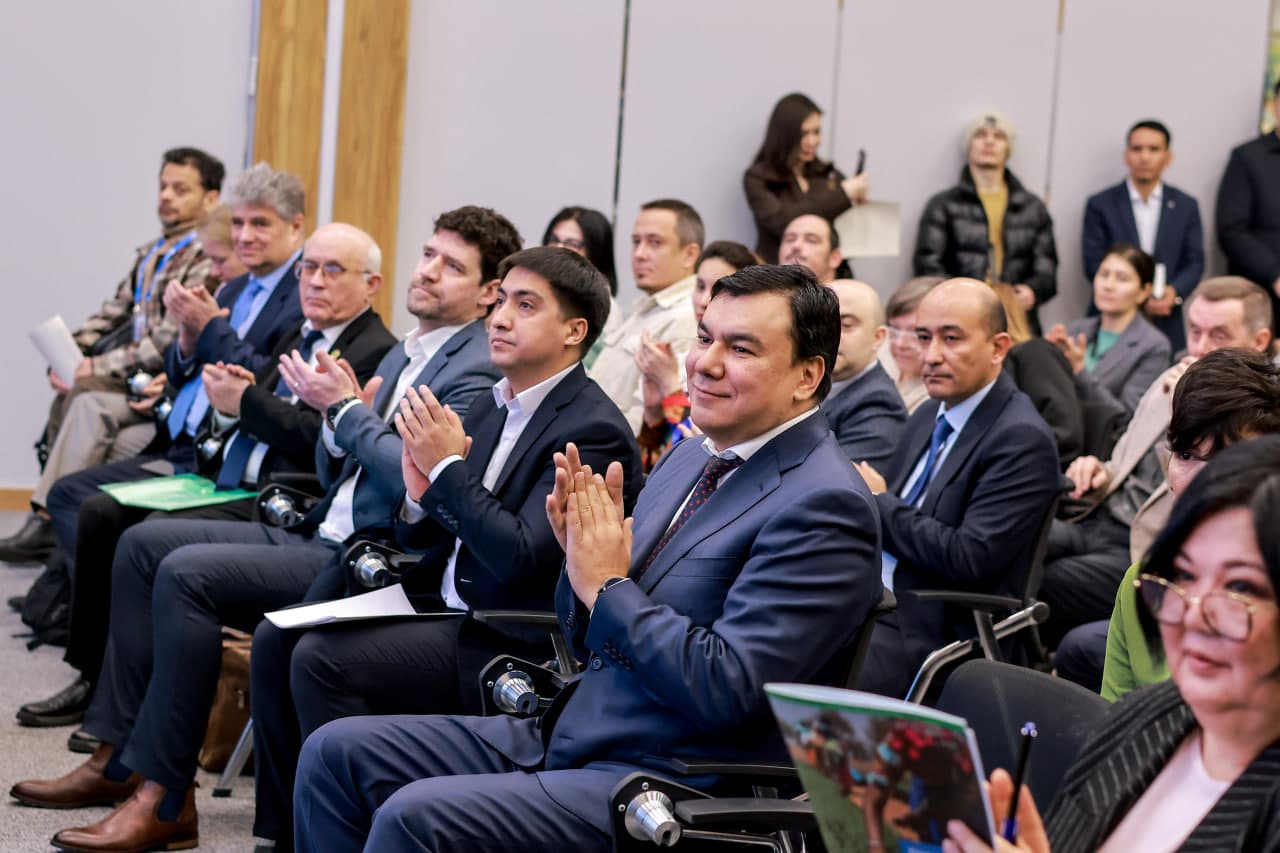
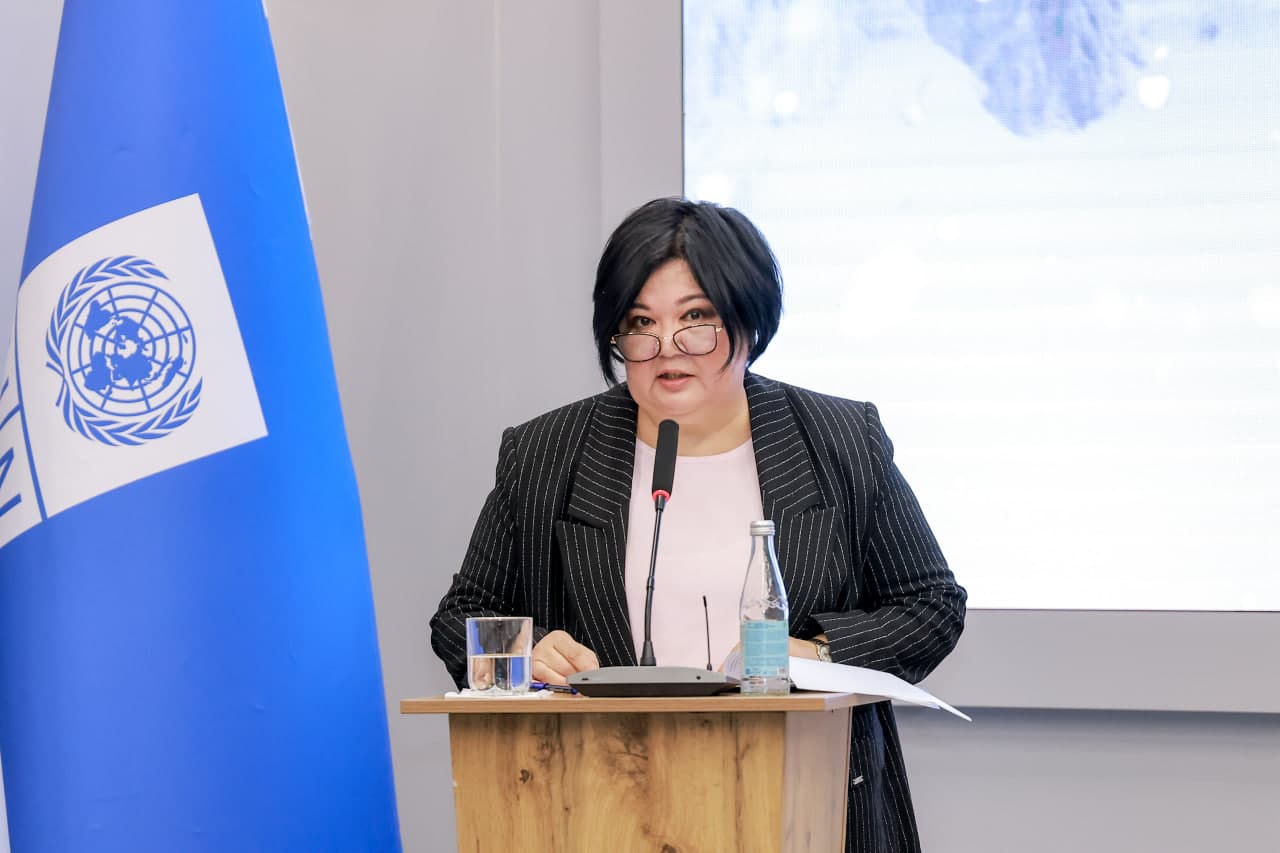
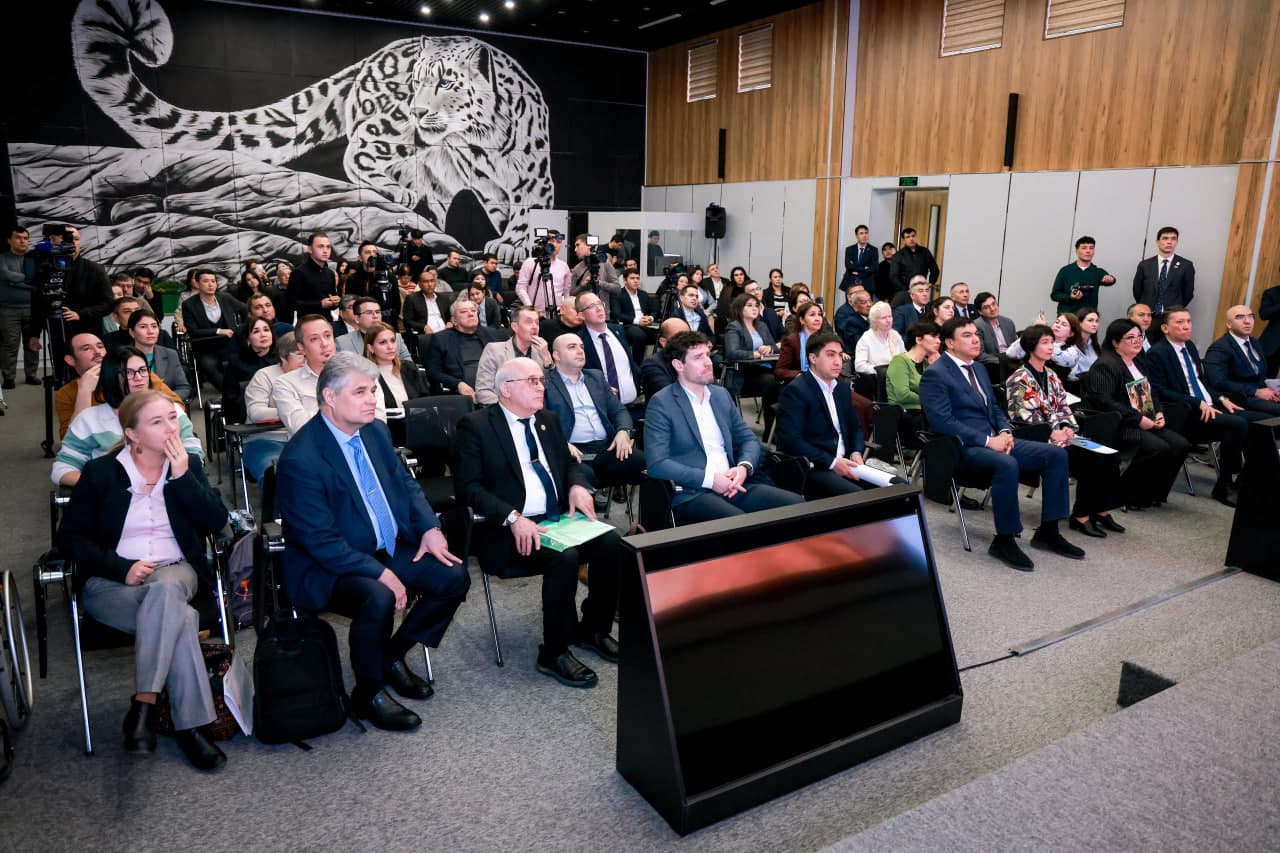
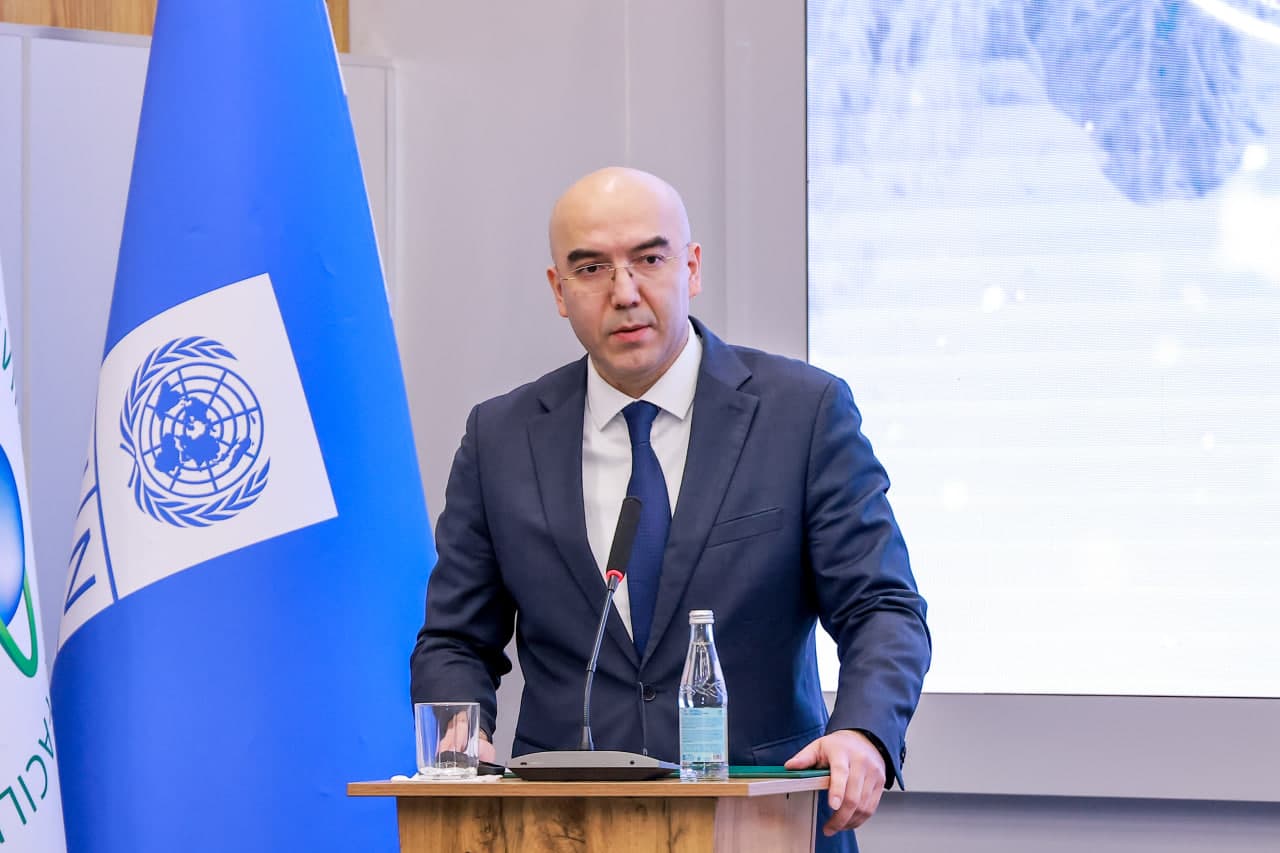
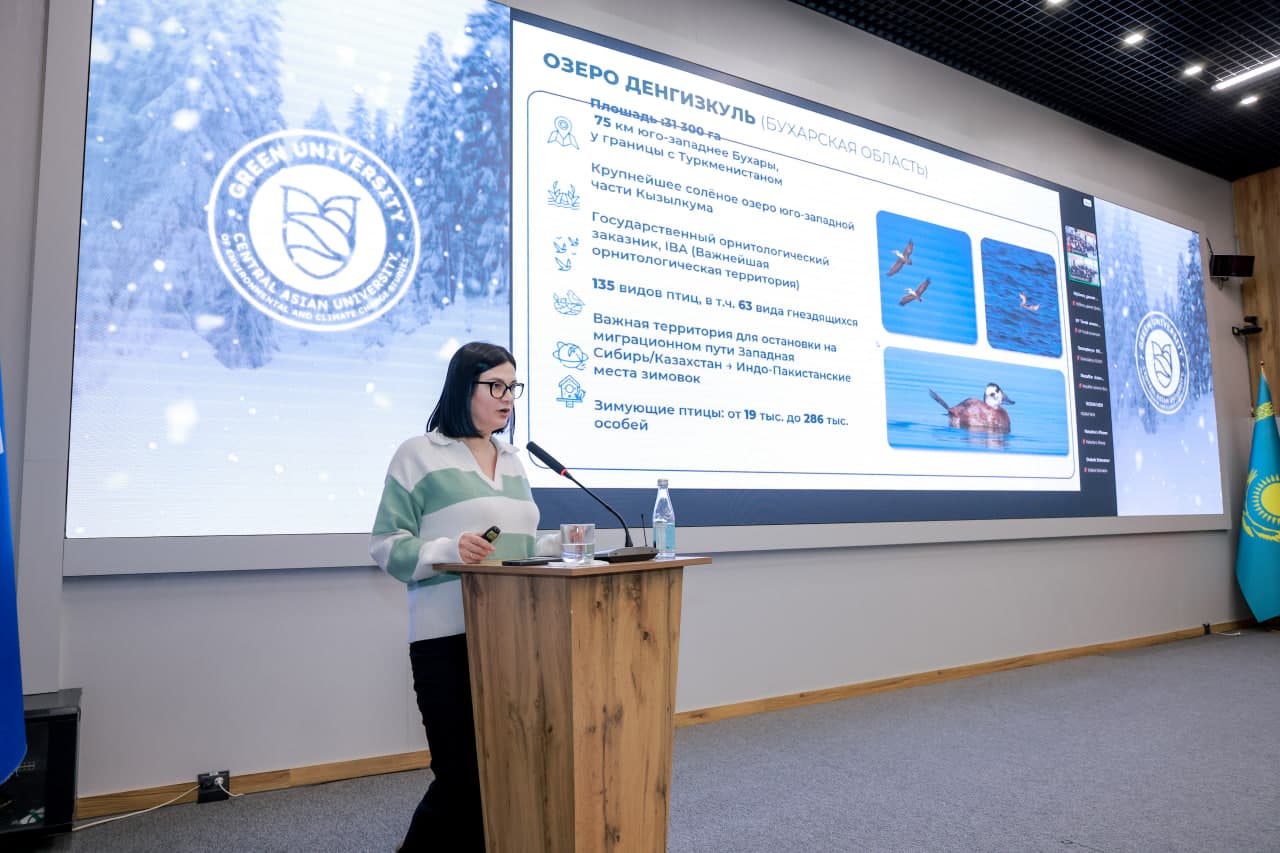
The event was organized by the National Committee on Ecology and Climate Change jointly with the United Nations Development Programme (UNDP) in Uzbekistan within the framework of the project “Conservation and Sustainable Management of Lakes, Wetlands and Riparian Ecosystems as the Basis for a Sustainable and Land Degradation-Neutral Landscape in the Aral Sea Basin” (Aral Sea Wetlands).
During the seminar, participants discussed ways to raise awareness of the importance of wetlands, lakes, and riparian ecosystems in Uzbekistan, as well as their role in ensuring environmental sustainability, adapting to climate change, and improving living conditions for the population.
“
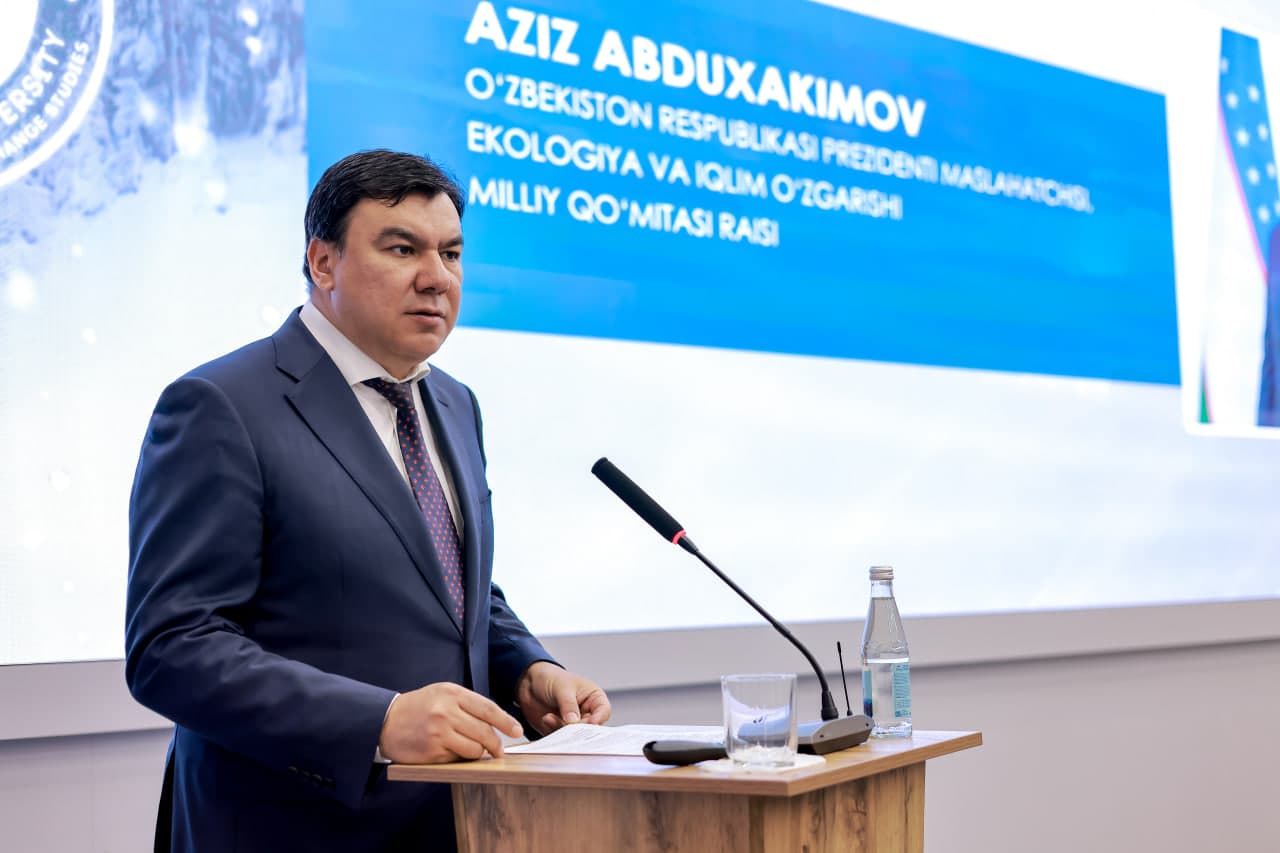
Wetlands are the ‘liver’ of nature — in other words, a natural purification system for the environment. Without wetlands, it is extremely difficult to maintain ecological balance and biodiversity. That is why Uzbekistan pays special attention to their protection. To date, five sites in our country have been included in the Ramsar Convention. Specific action plans have been developed for these areas to protect migratory birds and implement key environmental measures,”
said Aziz Abdukhakimov, Adviser to the President of the Republic of Uzbekistan on Environment and Chairman of the National Committee on Ecology and Climate Change.
The seminar also presented national achievements in implementing the Ramsar Convention, scientific approaches to wetland conservation, and the experience gained through the Aral Sea Wetlands project. Particular emphasis was placed on the role of science and education, youth engagement, and strengthening cooperation among government agencies, universities, and international organizations.
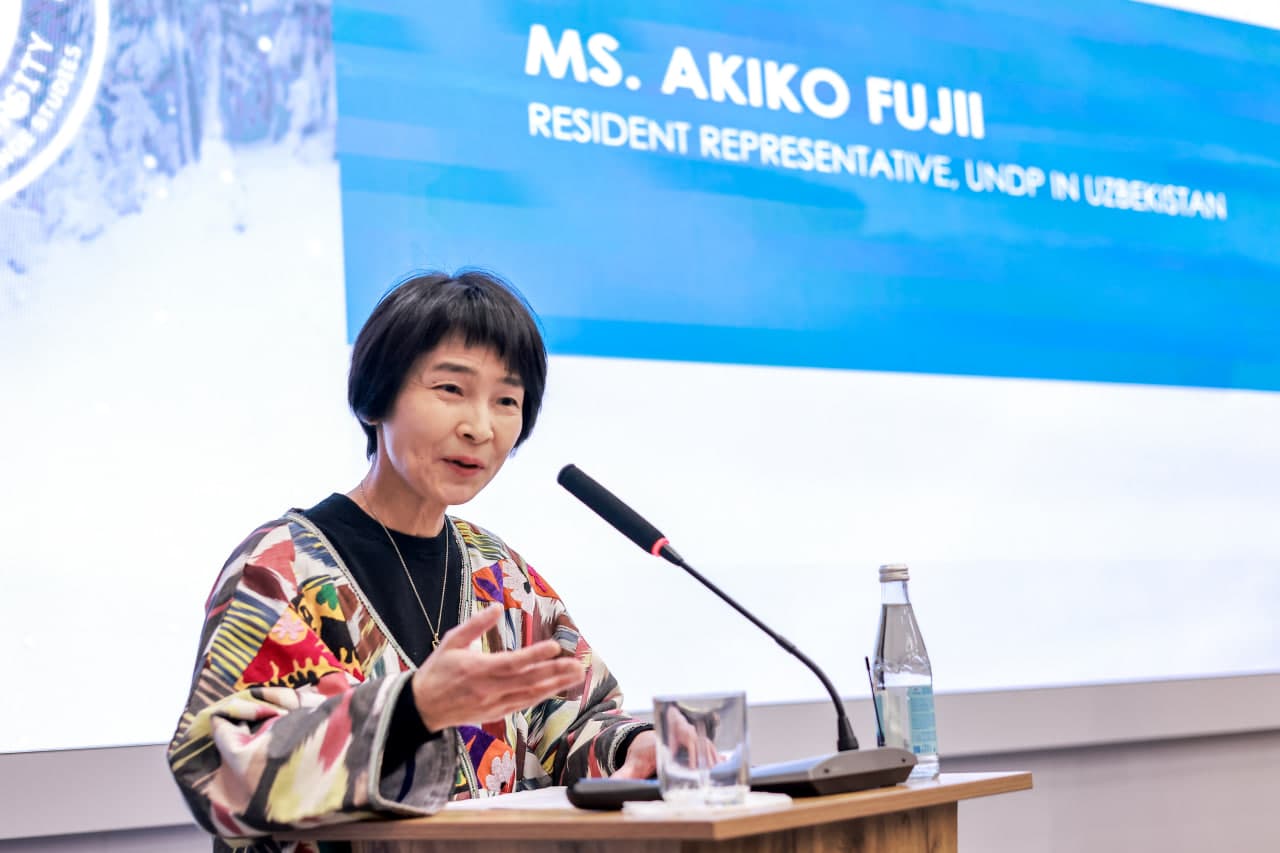
Akiko Fujii, UNDP Resident Representative in Uzbekistan, highly commended the ongoing efforts to protect wetland areas.
“Wetlands are an important source of biodiversity, and people’s livelihoods and incomes directly depend on these natural ecosystems. Currently, wetlands account for about 4 percent of Uzbekistan’s territory, and the number of protected areas continues to grow. UNDP supports the improvement of wildlife water point monitoring systems in 11 protected areas. The introduction of modern digital technologies and more effective water resource monitoring contributes to biodiversity conservation for local communities, migratory birds, and future generations,”
she said.
Following the event, participants agreed to further strengthen cooperation, enhance public awareness, and expand partnerships in the conservation of wetland ecosystems in the Aral Sea Basin, as well as in the sustainable management of land and water resources.
For reference: five sites from Uzbekistan are currently included in the List of Wetlands of International Importance under the Ramsar Convention — Lake Dengizkul (2001), the Arnasay Lake System (2008), the Tudakul and Kuymazar Reservoirs (2020), Lake Sudoche (2023), and Lake Zhyltyrbas (2024). These areas are of particular significance for conserving rare species of flora and fauna, maintaining water balance, and ensuring the sustainable use of natural resources.
Wetlands play a key role in reducing risks associated with floods and droughts, as well as in mitigating the impacts of climate change. Although they cover only about 6 percent of the Earth’s land surface, they support nearly 40 percent of all plant and animal species. Therefore, the conservation and restoration of wetland ecosystems is not only an environmental priority but also a socio-economic imperative directly linked to public well-being and the country’s sustainable development.