
Approaches to Landscape Restoration in Central Asia Discussed
2025-12-11 10:30:00 / News
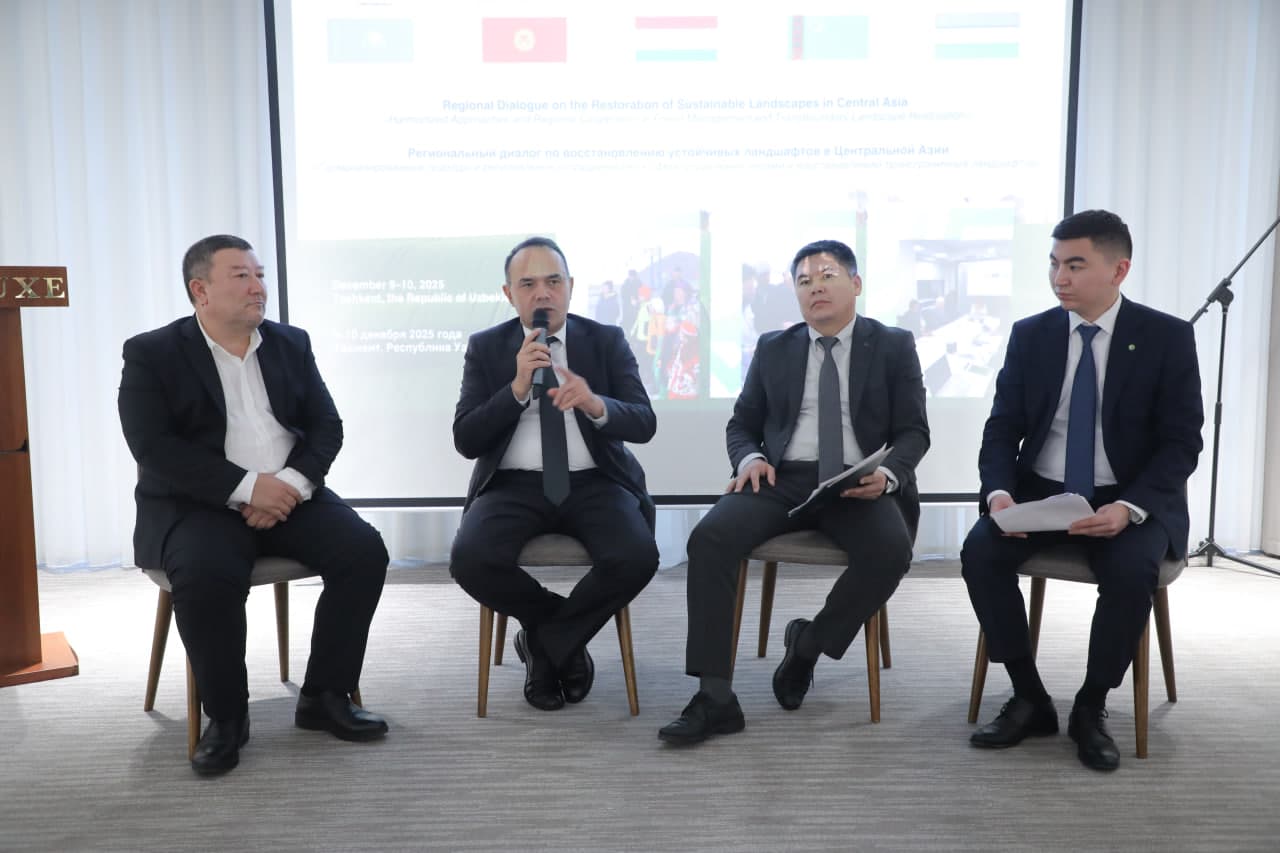
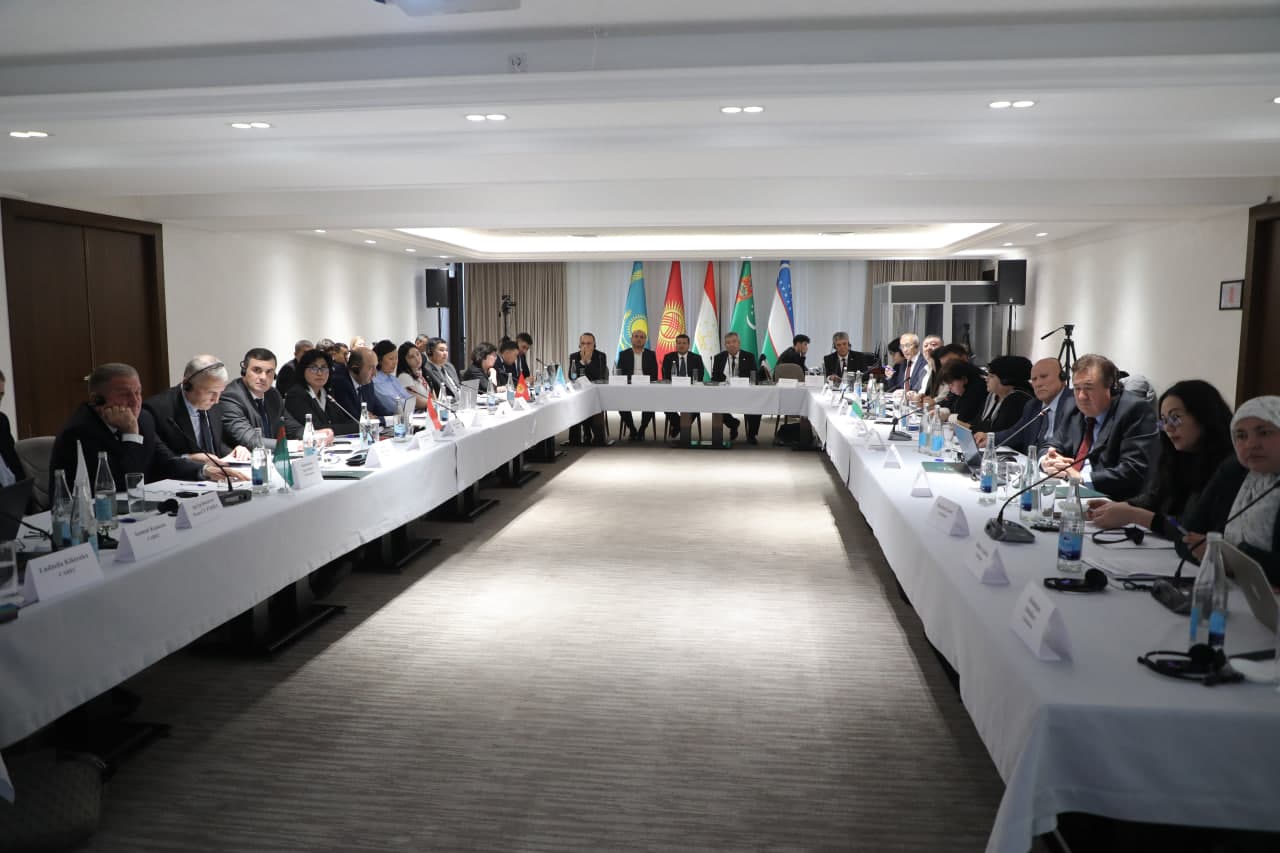
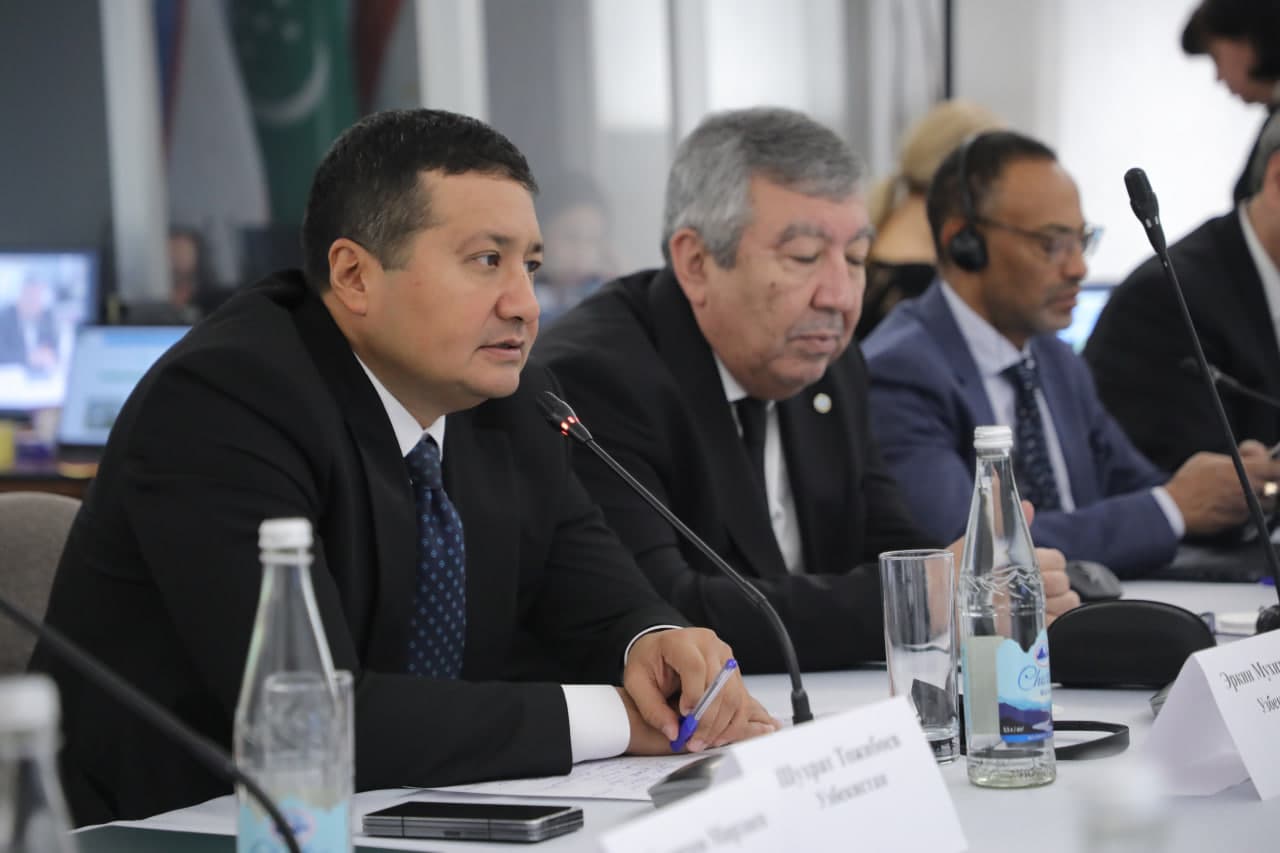



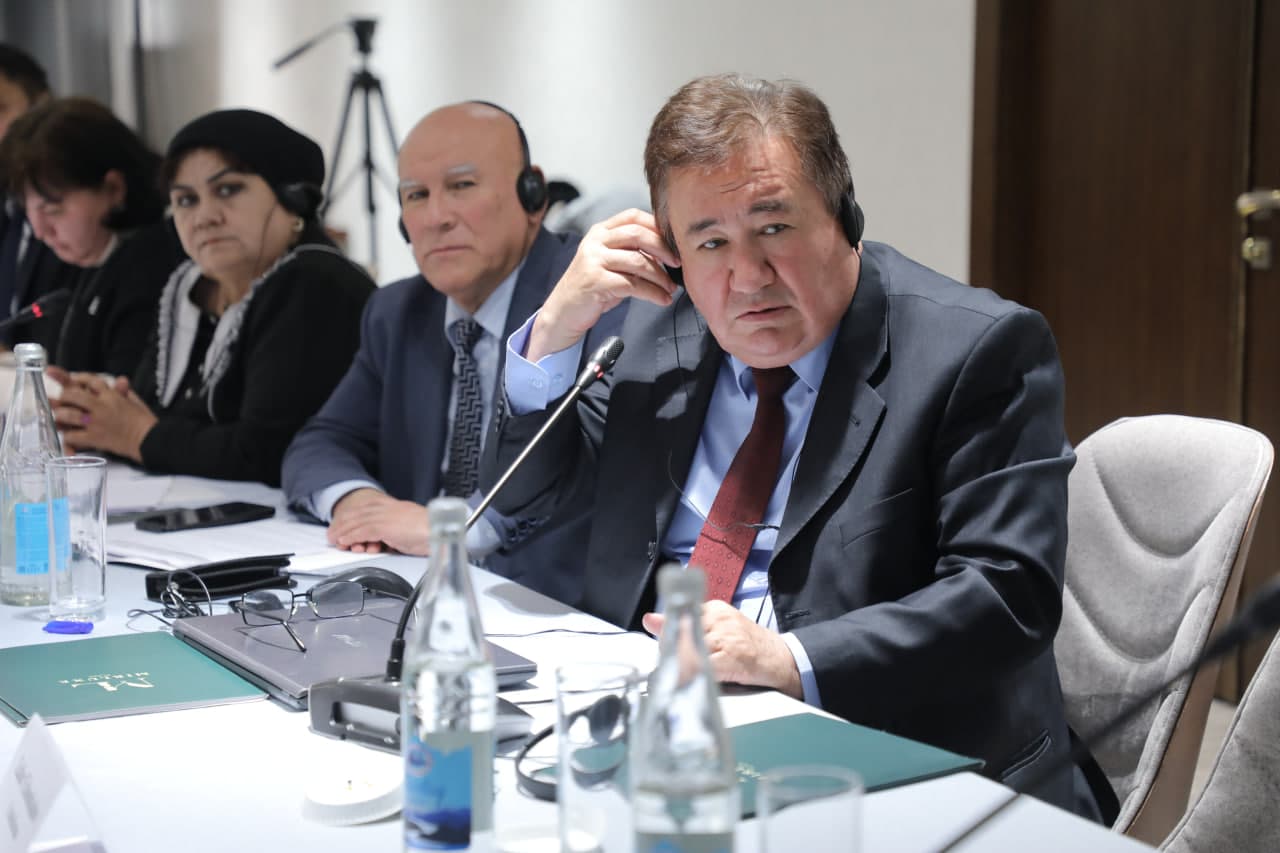


The event was attended by Erkin Mukhiddinov, Director of the Forest Agency, Abbate Asferachew, Senior Environmental Specialist at the World Bank, forestry experts from Uzbekistan, Kazakhstan, Kyrgyzstan, Turkmenistan and Tajikistan and representatives of international organizations and the media.
Participants emphasized that activities carried out under the region’s largest ecosystem restoration initiative — the RESILAND CA+ programme, financed by the World Bank — are helping to strengthen climate resilience across Central Asia.
Land degradation and forest loss in Central Asian countries are causing a range of environmental problems. In the context of climate change, these trends are increasing the incidence of debris flows and floods, inflicting significant environmental and socio-economic damage. Consequently, harmonizing environmental and forest policies, managing resources sustainably and balancing economic, social and ecological priorities are essential for the countries of the region.
The proposed international agreements and projects cover a number of areas, including the development of tourism in protected areas, biodiversity inventories, management of a transboundary ecological corridor, monitoring of conservation actions on shared natural territories, establishment of an early-warning system for forest fires, and the creation of “Parks of Peace” along the border area where Kyrgyzstan, Tajikistan and Uzbekistan meet. The “Parks of Peace” initiative aims to conserve ecosystems, develop ecotourism, reduce the risk of natural disasters and create economic opportunities for communities in the border regions.
During the regional dialogue, government officials from the Central Asian states reviewed draft texts of the aforementioned international agreements.
The RESILAND CA+ programme is currently being implemented in Kyrgyzstan, Tajikistan and Uzbekistan; in Uzbekistan it is supporting the restoration of more than 250,000 hectares of forest and pastureland. The project is being carried out across six regions — Namangan, Syrdarya, Jizzakh, Samarkand, Kashkadarya and Surxondarya.
Specifically, six landscape-restoration models have been developed and specialised nurseries established. Terracing and fencing have been carried out on more than 10,000 hectares of pasture and support is being provided for the development of ecotourism in Zaamin National Park, where 30 local residents have been employed. These measures will help Uzbekistan achieve the target set out in the 2018 Bonn commitment — the restoration of 1 million hectares of degraded land by 2030.