
Sculptures Dedicated to Nature and Biodiversity Conservation Created in Samarkand
2025-11-29 13:30:00 / News
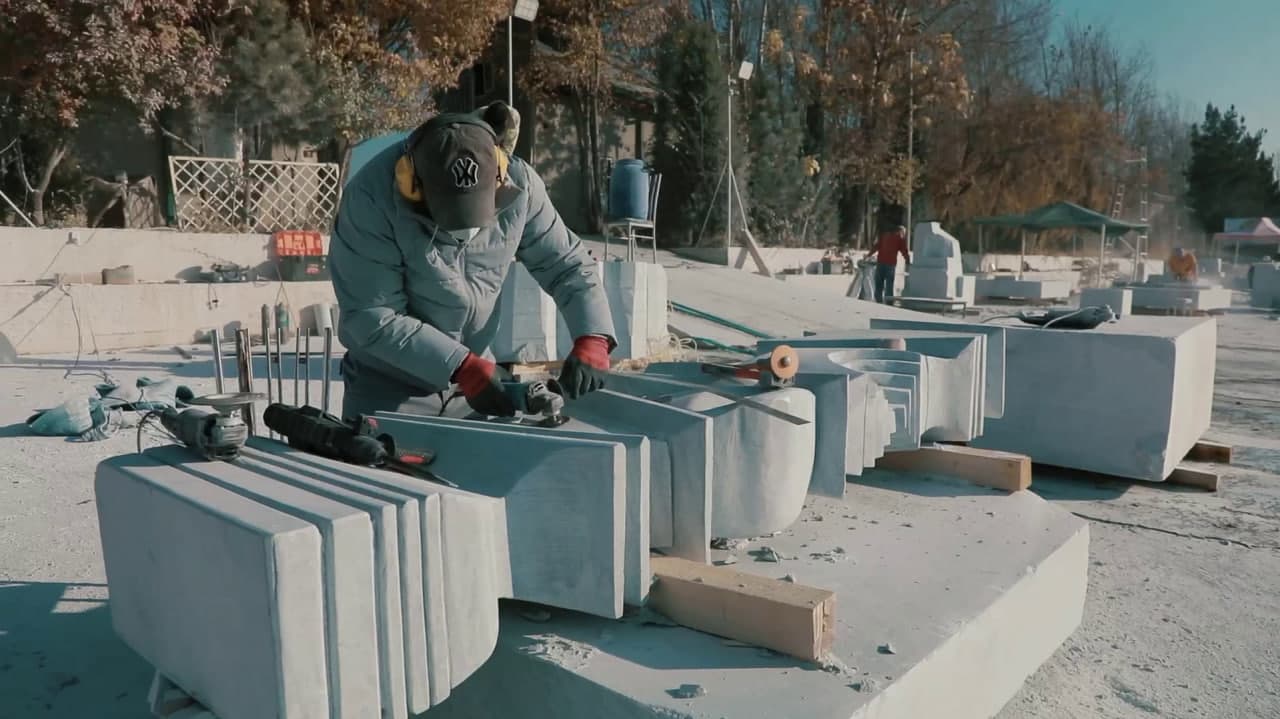
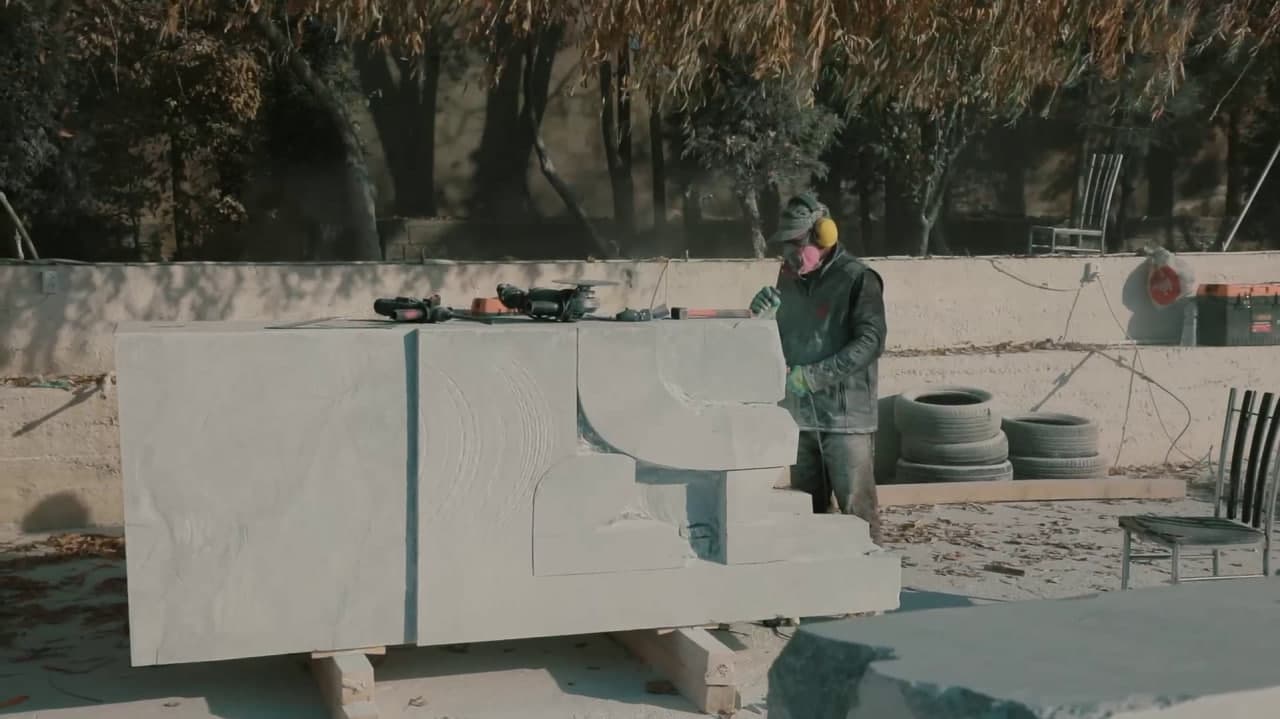
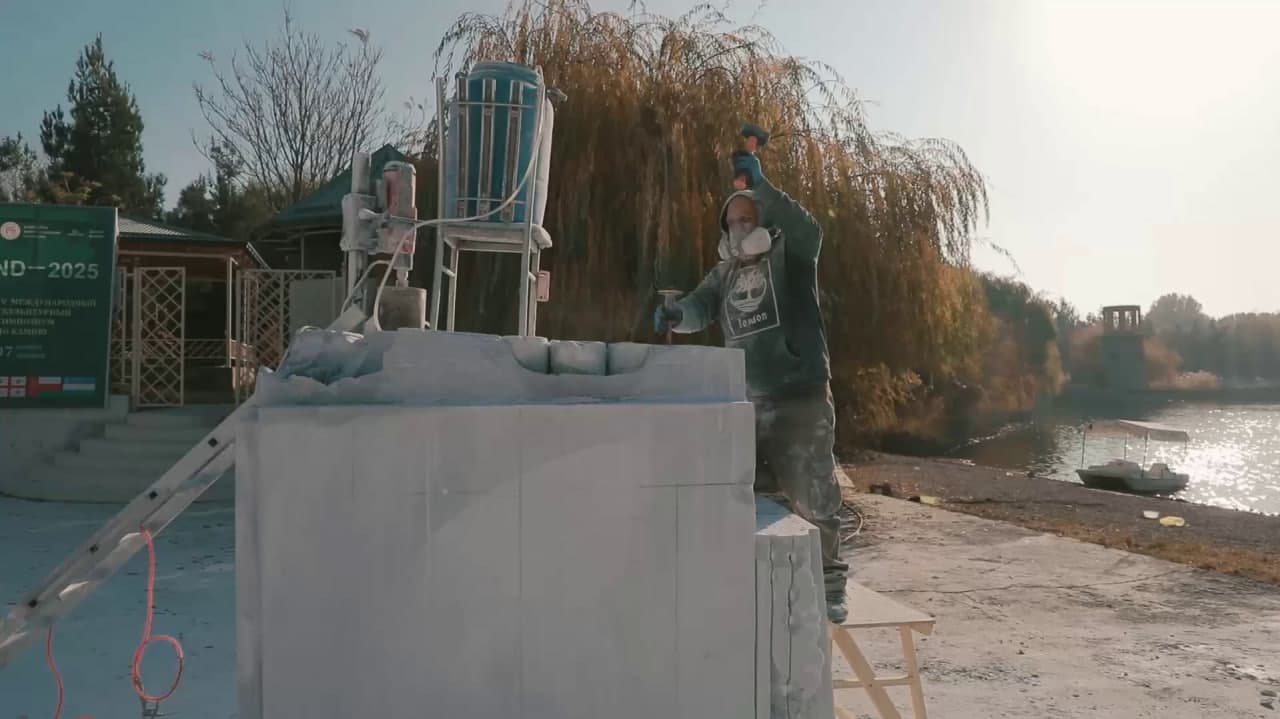
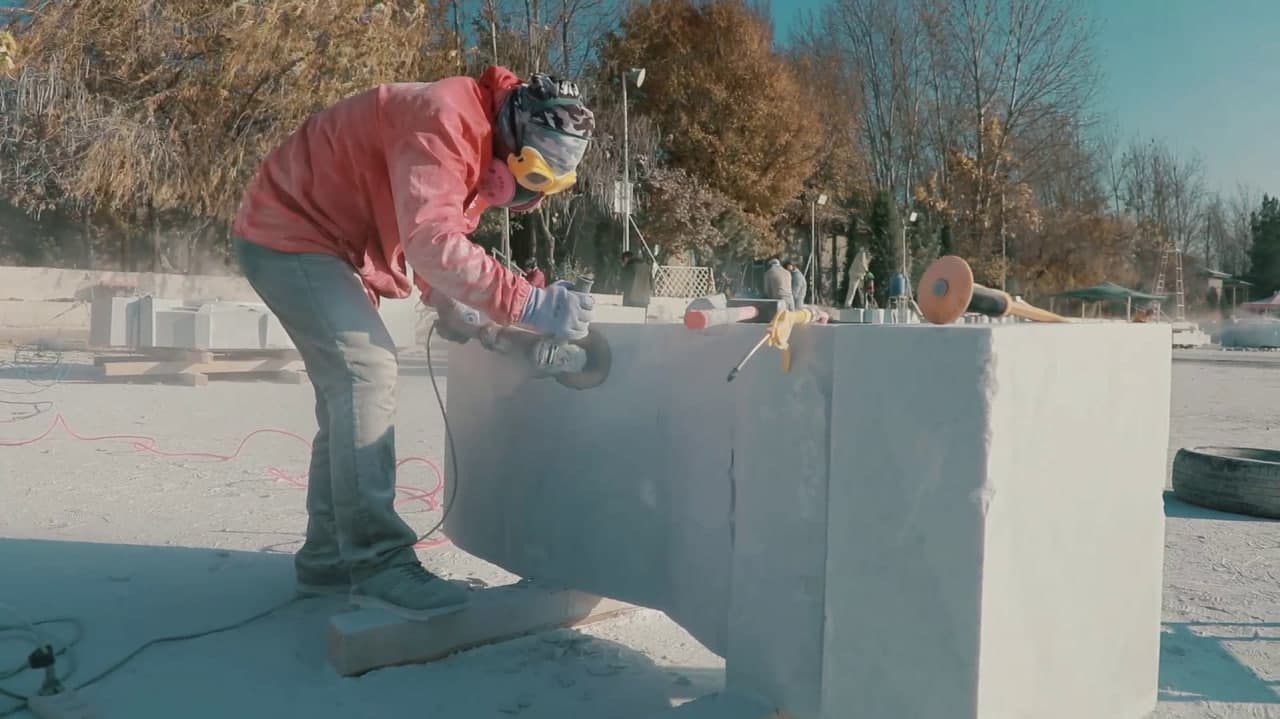
The event has been held annually for four years and aims to raise public environmental awareness and culture, strengthen creative cooperation with foreign artists in the fields of ecology and environmental protection, promote the exchange of experience, and improve the cultural environment and urban landscapes through artworks dedicated to nature.
This year, the symposium is held under the motto “Our Planet – Our Home!”. It brings together around 20 renowned sculptors from Uzbekistan and countries such as Oman, Iran, Turkey, China, India, the United Kingdom, Georgia, and Japan. They are creating marble artworks inspired by nature and art.
“More than 150 sculptors from 73 countries submitted over 300 sketch projects for this year’s symposium,” said Ibrokhim Valikhodjayev, Chairman of the Union of Artists of Uzbekistan. “The jury selected 17 works, and their authors were invited to our country. Sculptures based on these sketches are currently being created. The artists have been provided with the necessary amount of marble and are working on unique pieces of art.”
All necessary conditions have been created in the “Jannat Makon” Park in Samarkand to ensure a high-level symposium, effective work for both local and international sculptors, and the exchange of experience. The monumental works created during the event will be installed in parks and squares of Samarkand and Tashkent.
As part of the symposium, which will run until December 7, meetings and master classes with the participation of sculptors will be held at the Silk Road International University of Tourism and Cultural Heritage and the Tourism Academy in Samarkand. In addition, participants of CITES CoP20 will be introduced to the creation process and artworks being produced within the symposium.
Furthermore, an exhibition of fine arts dedicated to endangered species of wild fauna and flora is being held at the Samarkand International Tourism Center within the framework of CITES CoP20.