
The Atlas of Environmental Changes of Uzbekistan Presented
2025-11-26 13:30:00 / News
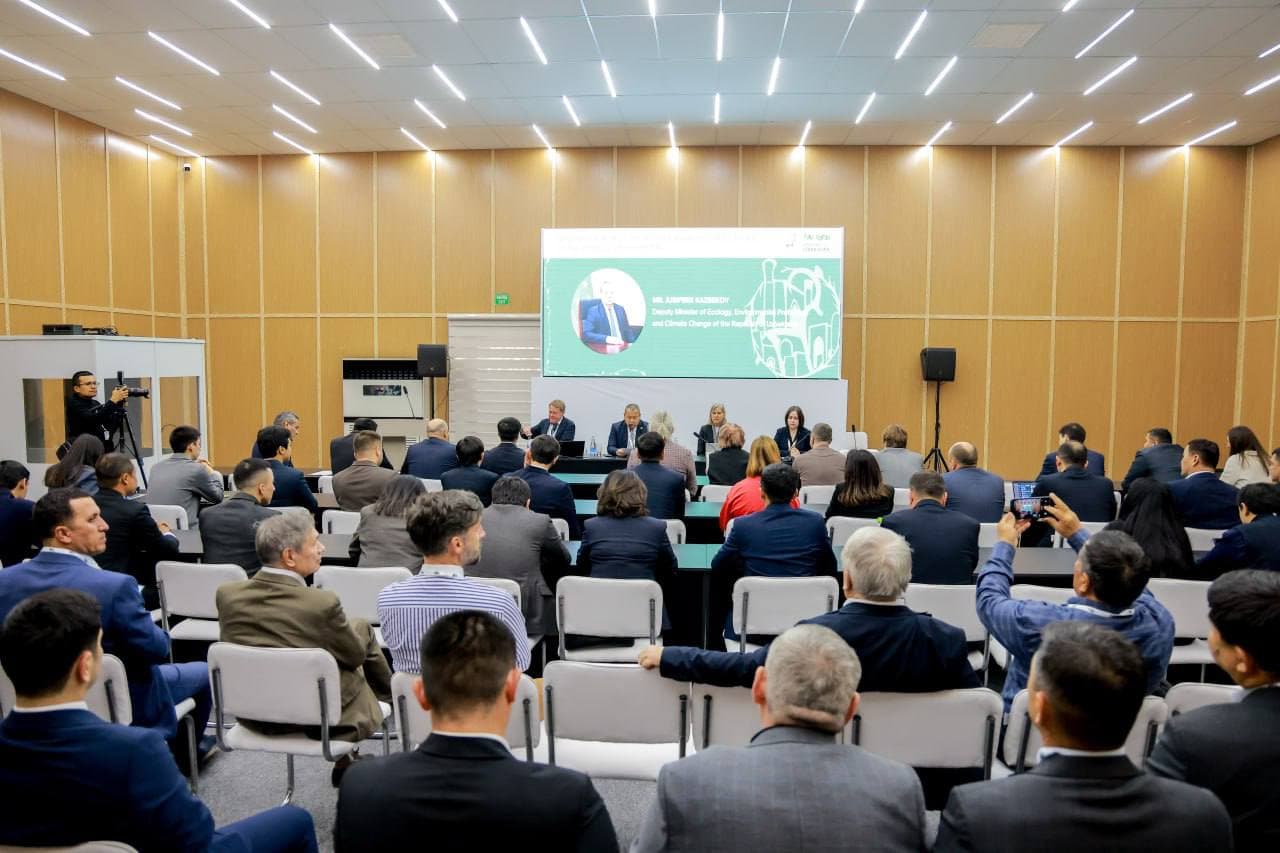
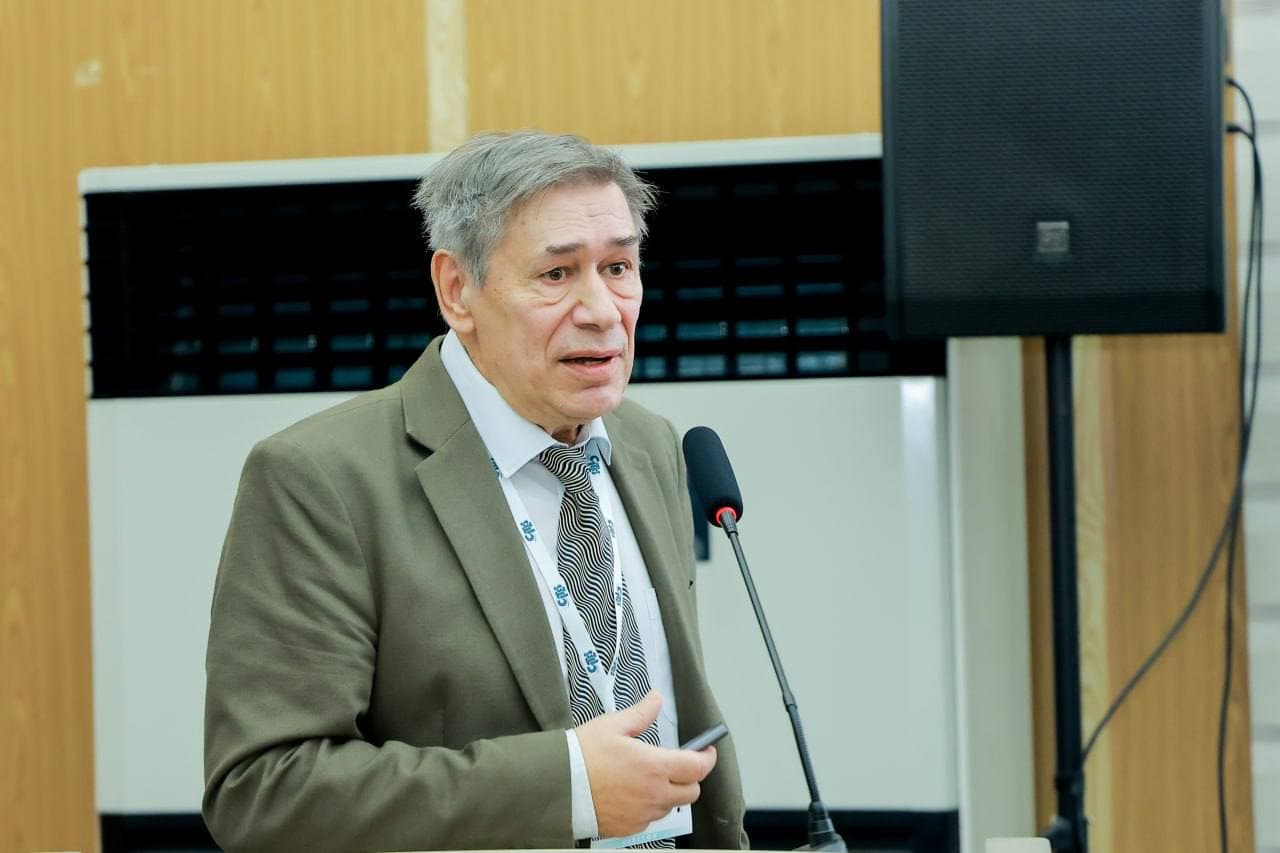
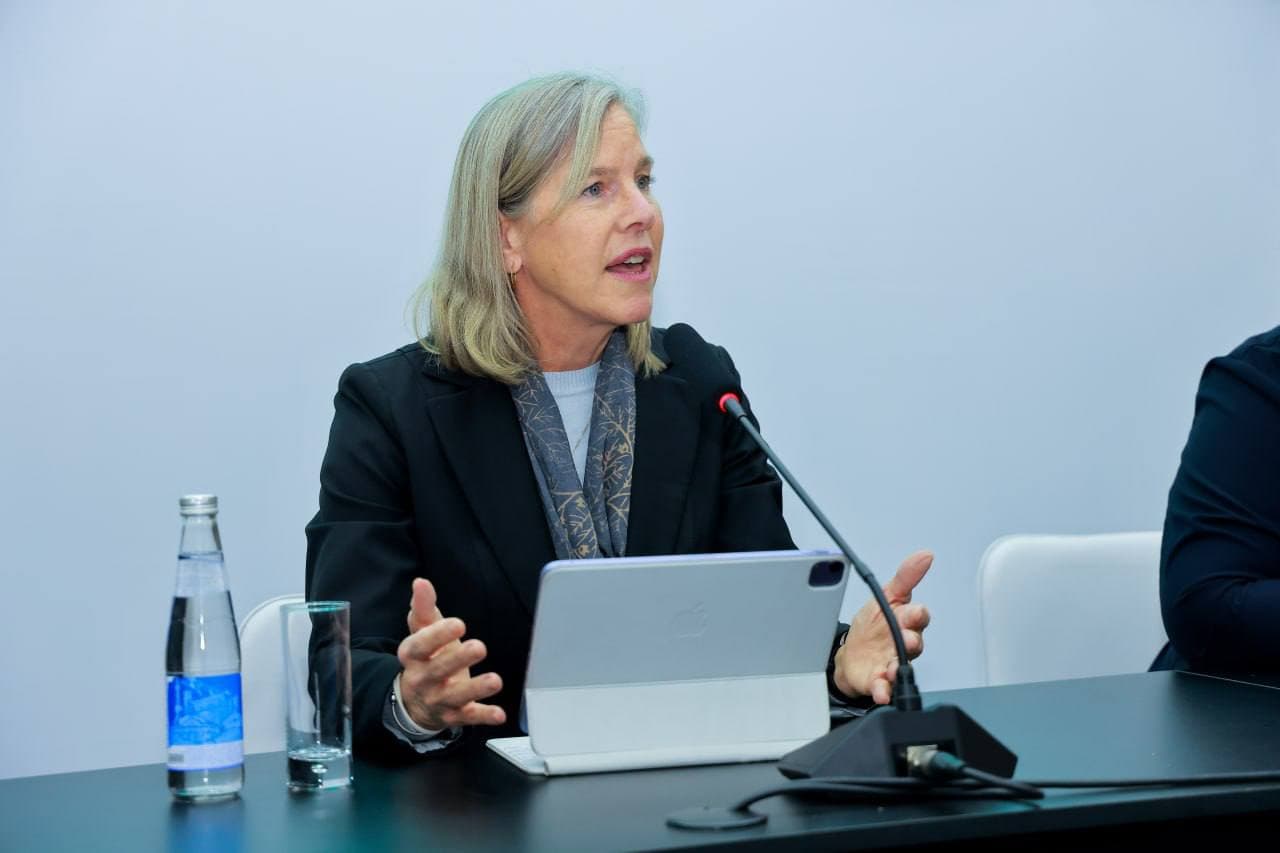
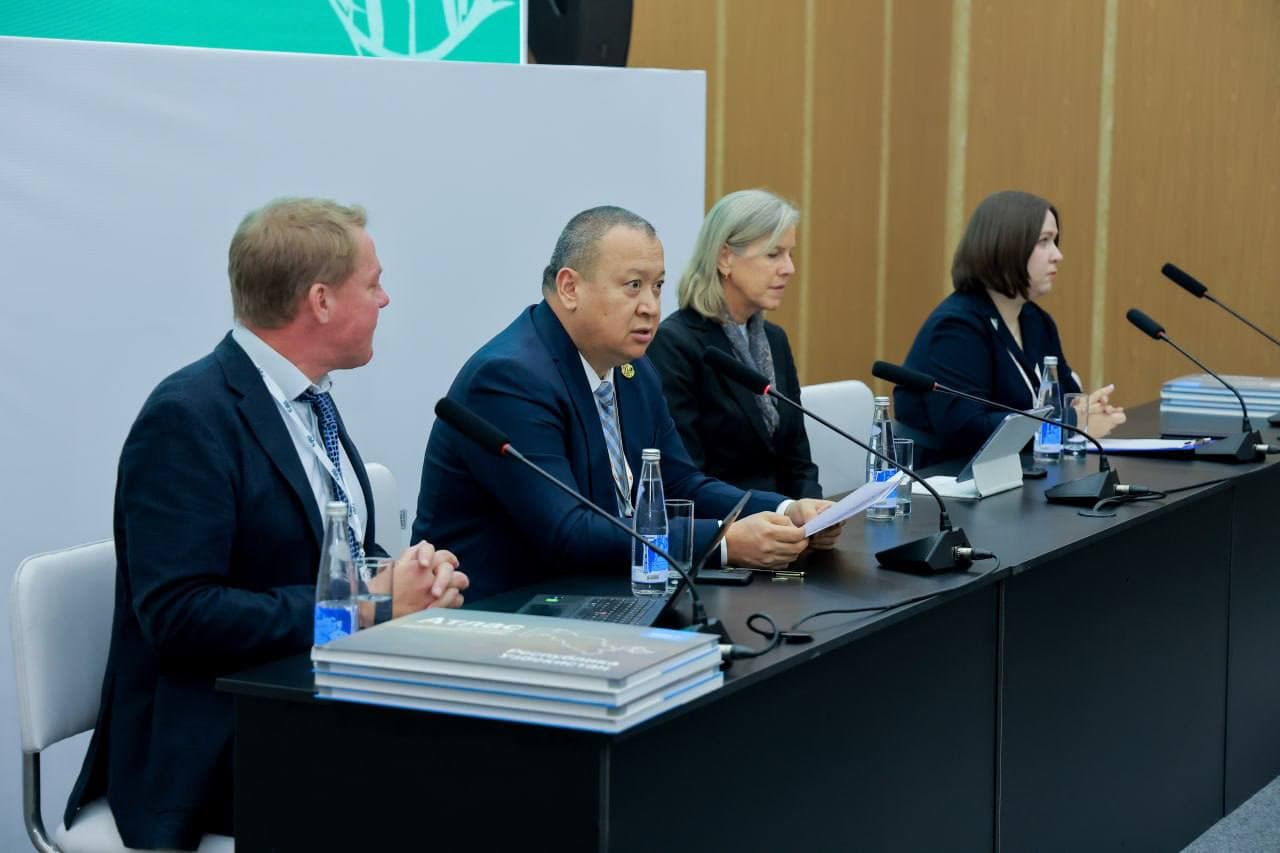
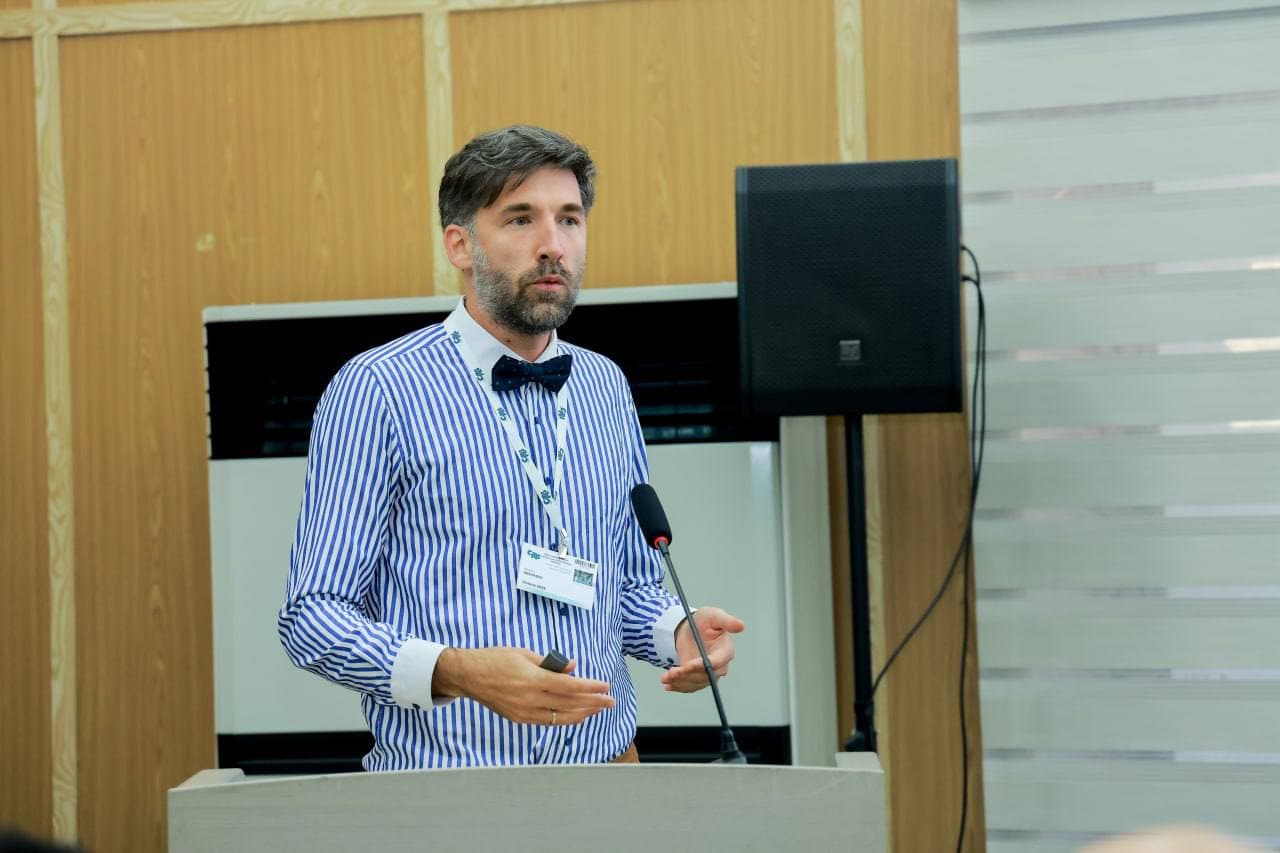
Among the speakers were: Deputy Chairman of the National Committee on Ecology and Climate Change Jusipbek Kazbekov; representatives of the Ministry of Foreign Affairs of the Russian Federation; Susan Gardner, Director of the Ecosystems Division of the UN Environment Programme (UNEP); and leading specialists from Lomonosov Moscow State University and the Institute of Geography of the Russian Academy of Sciences.
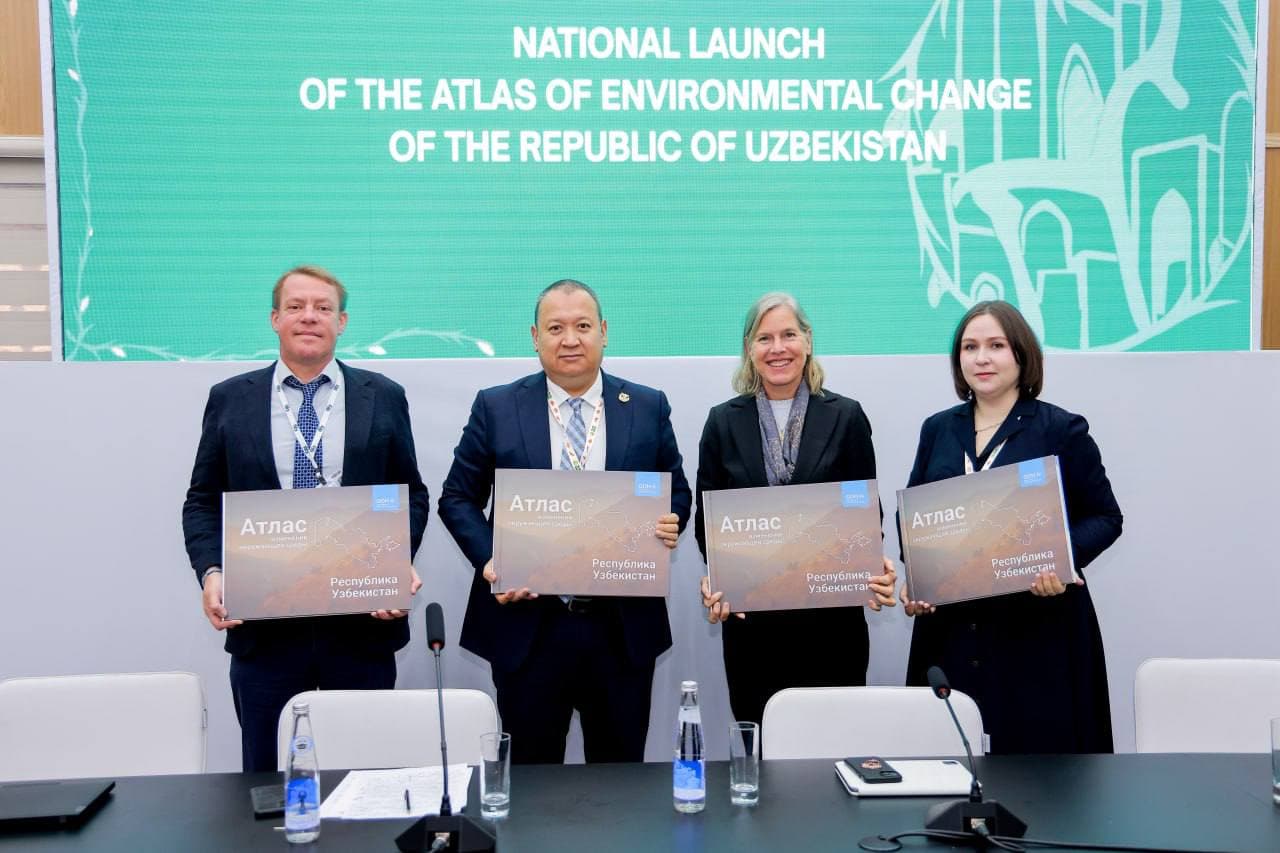
The event focused on the national launch of the Atlas of Environmental Changes of the Republic of Uzbekistan — a key result of a regional UNEP project financed by the Russian Federation. The project aims to strengthen the capacity of Central Asian countries to use modern GIS technologies for environmental monitoring and for modelling changes in terrestrial and aquatic ecosystems.
In his remarks, Deputy Chairman of the National Committee on Ecology and Climate Change Jusipbek Kazbekov emphasized that the launch of the Atlas of Environmental Changes is an important step toward increasing the transparency of environmental data and strengthening the national monitoring system.
“The Eco-Atlas brings together comprehensive, scientifically grounded data on land and water resources, biodiversity, climate change, and other key components of the environment. It provides a clear understanding of long-term trends, drivers of change, and problem hotspots — information that is essential for policy development and national strategies,” J.Kazbekov noted.
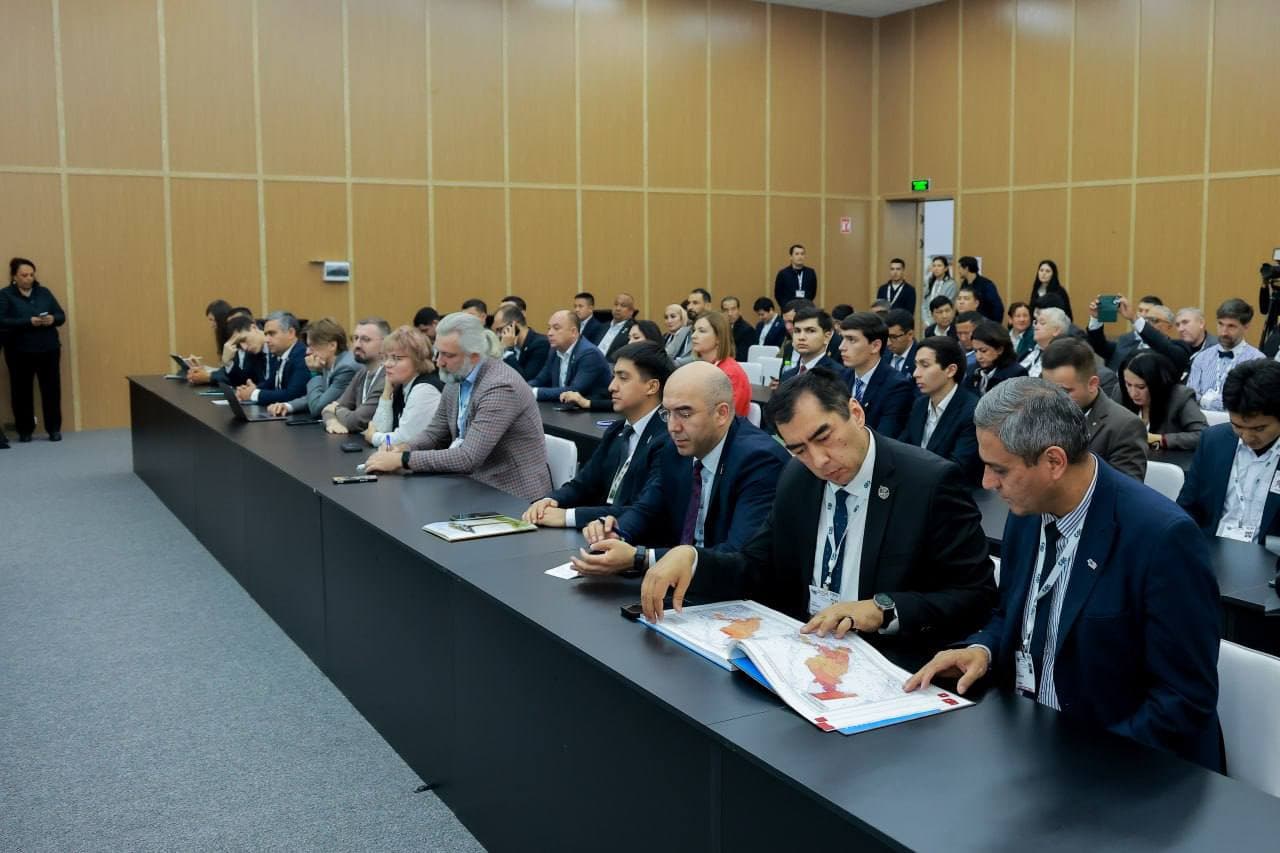
During the session, participants were presented with the project’s main results, key implementation stages, and scientific materials collected by leading experts from Uzbekistan, the Institute of Geography of the Russian Academy of Sciences, and Moscow State University. Particular attention was given to the significance of the Atlas as a tool for decision-making, developing sustainable environmental solutions, environmental monitoring, and natural resource assessment.
The event concluded with final responses to participants’ questions and a discussion of opportunities to apply Atlas data in the practical work of government bodies and scientific institutions.