
Uzbekistan will host VIII Assembly of the Global Environment Facility
2025-11-18 10:20:00 / News
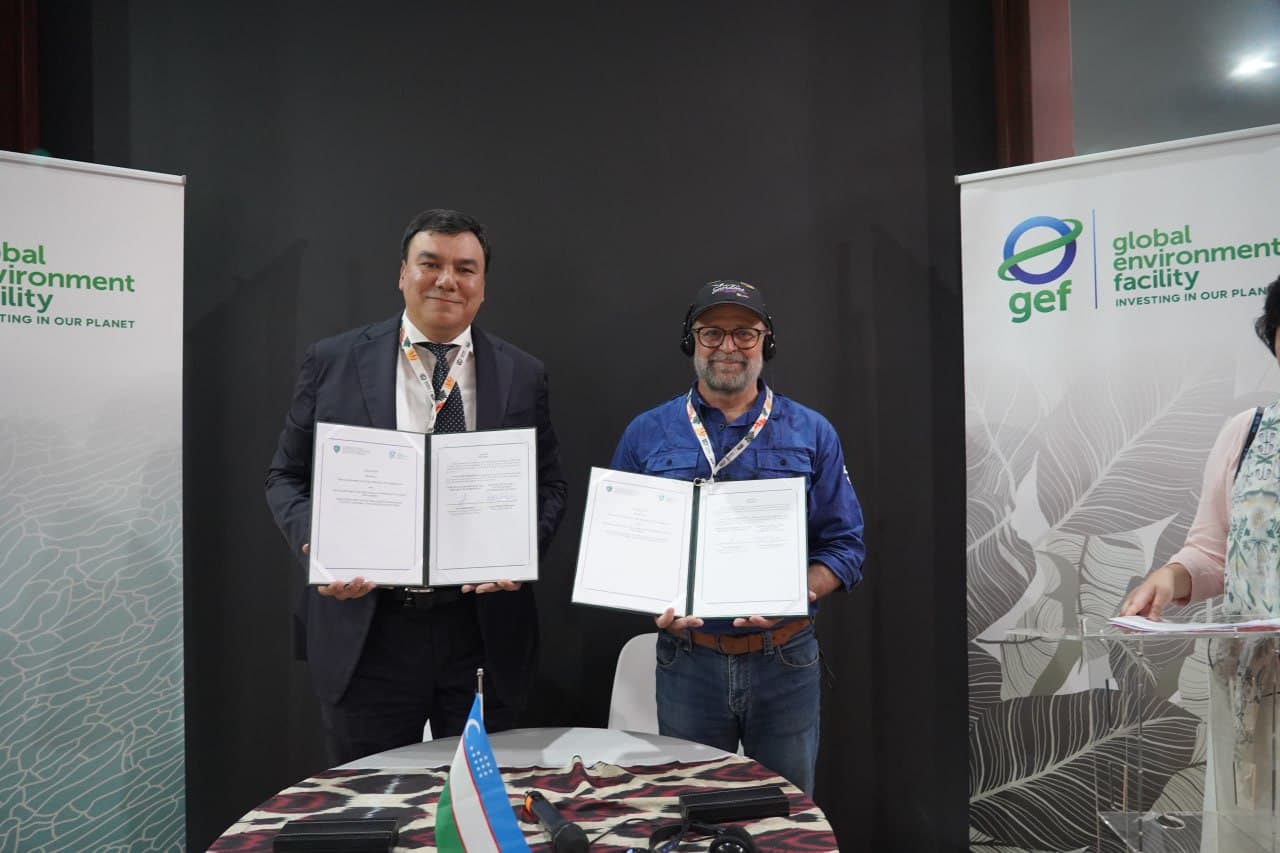
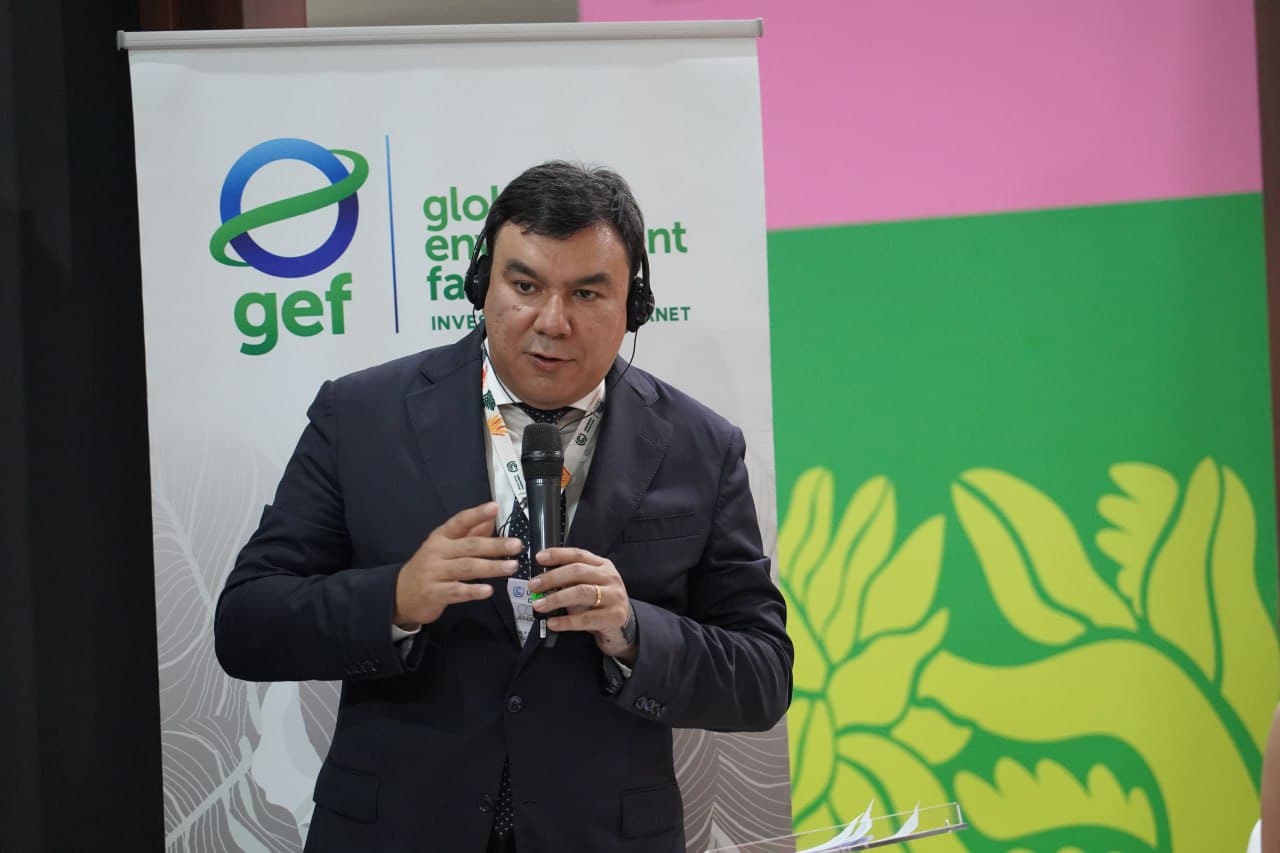
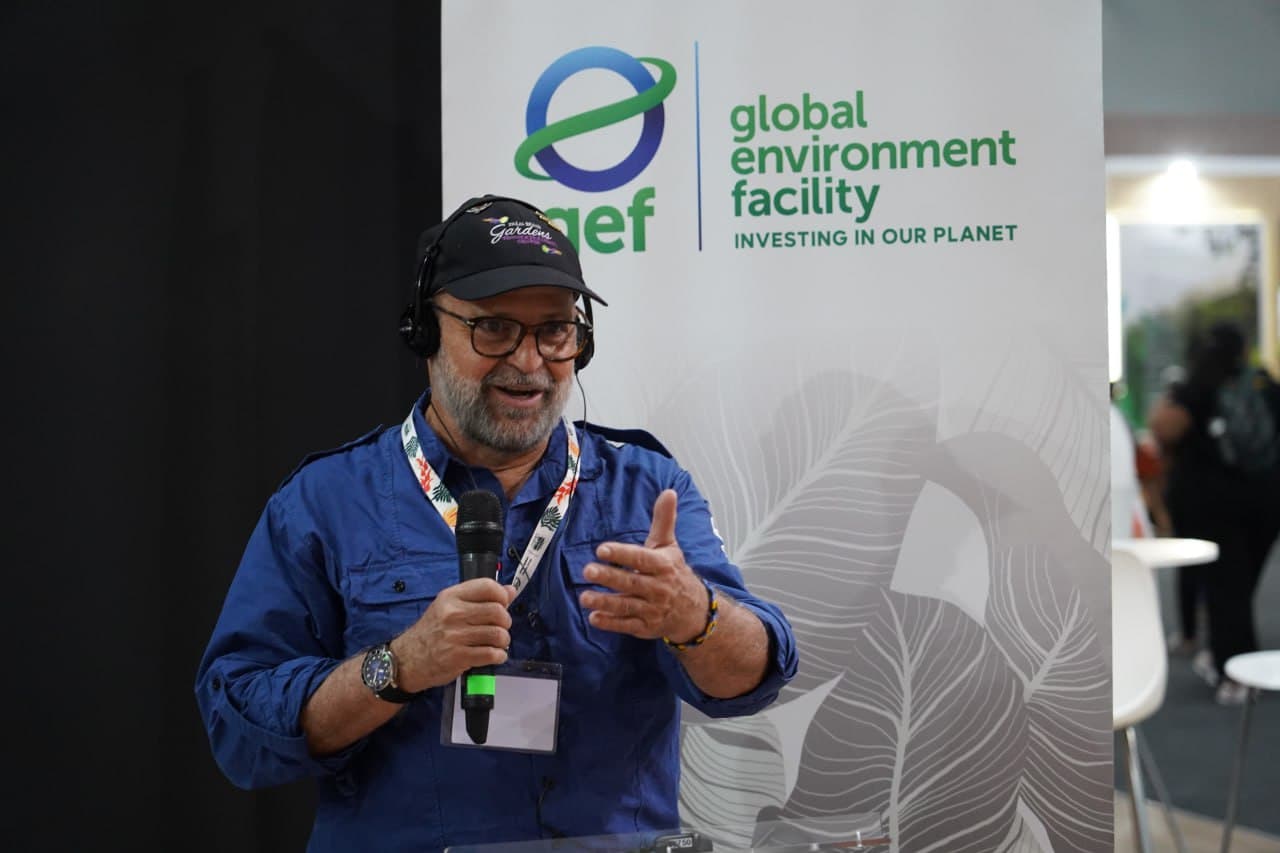
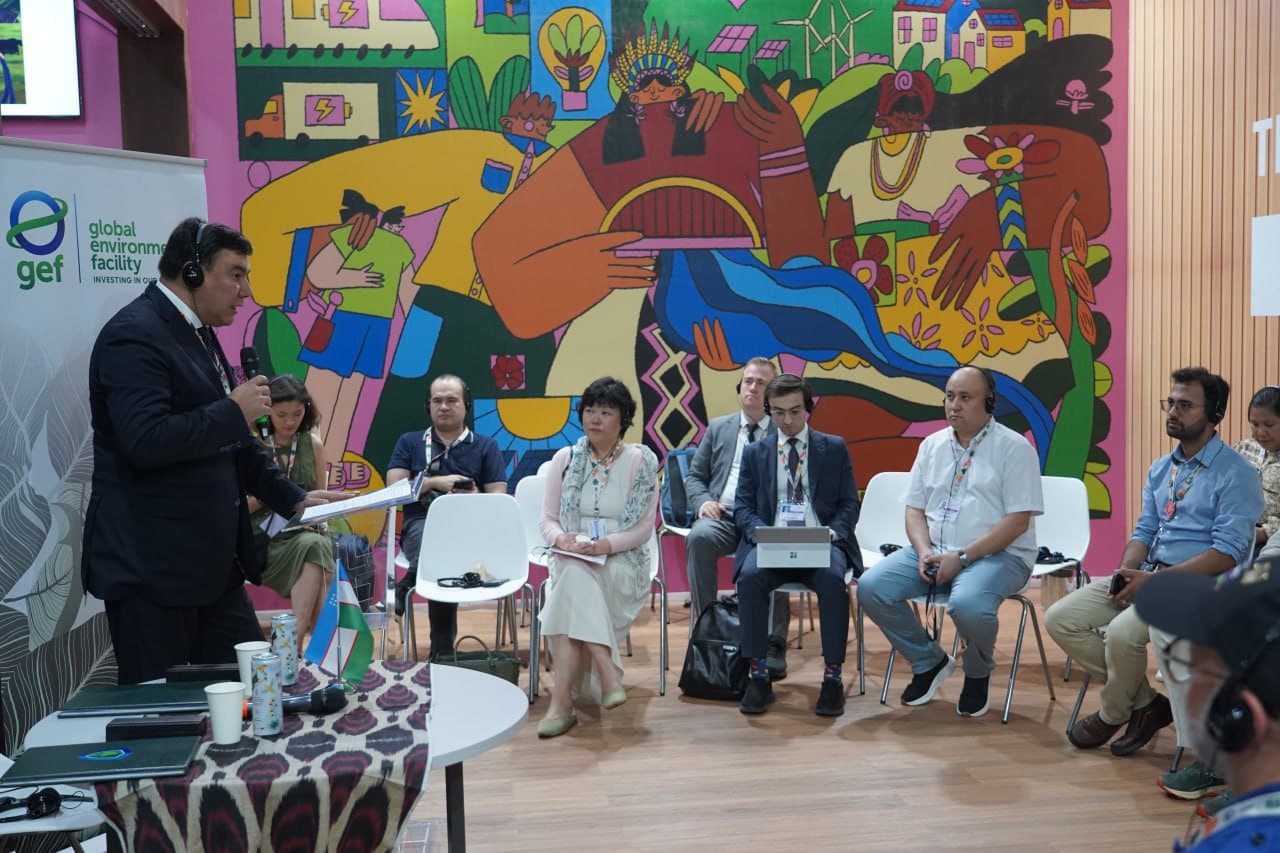
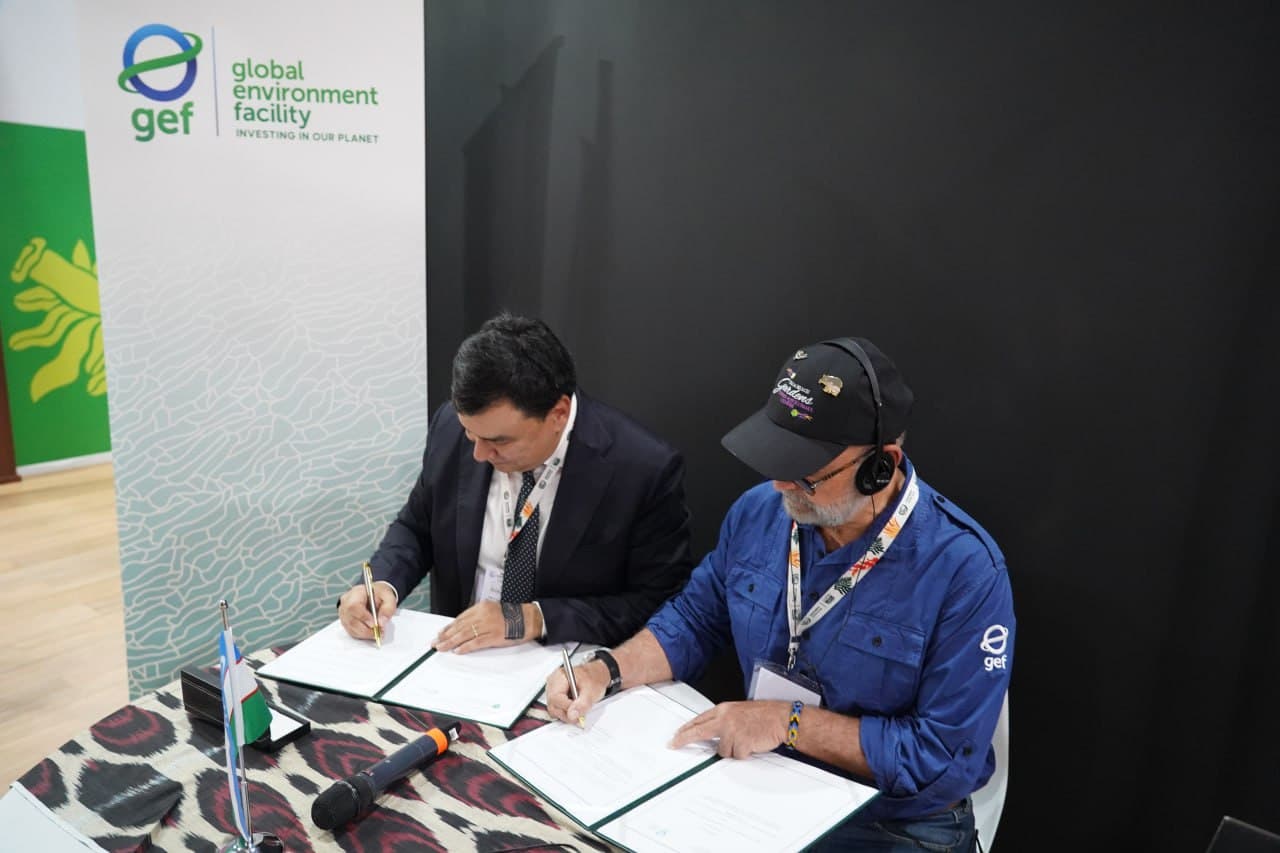
“The Eighth Assembly comes at a pivotal moment. With just four years left to honor the promises of the 2030 agenda, we must unite governments, the private sector, and civil society around a single Nature–Climate–Pollution framework and set in motion the large-scale, inclusive action our planet demands,” said Carlos Manuel Rodríguez, CEO and Chairperson of the GEF.
Aziz Abdukhakimov, Minister of Ecology, Environmental Protection and Climate Change of Uzbekistan, emphasized that hosting the Assembly represents an important milestone in consolidating global efforts to safeguard nature, strengthen resilience, attract investment and deepen knowledge exchange.
“Thanks to the far-reaching reforms initiated by President Shavkat Mirziyoyev, Uzbekistan is steadily transforming into the environmental hub of Central Asia. It is a great honor for our country to welcome participants from around the world to Samarkand — an ancient city with a millennia-long history, where harmony between humans and nature has always been deeply valued. We are confident that GEF Assembly will become a symbol of partnership, solidarity and shared responsibility for the future of our planet,” the Minister stated.
The Eighth GEF Assembly will bring together ministers from all 186 member countries, leaders of international organizations, business executives, civil society advocates, local communities, women and youth. The gathering will outline an accelerated roadmap toward achieving global environmental goals and will discuss how strategic investments in biodiversity conservation, land restoration, chemical pollution reduction and climate resilience will be advanced in the coming years. A key focus will be on transforming major economic systems to achieve sustainable, long-lasting results at scale.
Since joining the GEF in 1995, Uzbekistan has benefited from a diverse portfolio of national and regional grants supporting the conservation of unique landscapes and species, the phase-out of ozone-depleting substances, the establishment of the country’s first bus rapid transit corridor for low-carbon transport and the strengthening of institutional capacity to address environmental challenges.
Cooperation with the GEF has also enhanced transboundary ecosystem management and climate adaptation through initiatives such as the Central Asia Transboundary Biodiversity project and the Aral Sea programs. With the support of the GEF, Uzbekistan continues to fulfil its obligations under international environmental conventions and actively participates in key global impact programs.