
On 15 November — a press tour was held to mark World Recycling Day
2025-11-15 13:30:00 / News
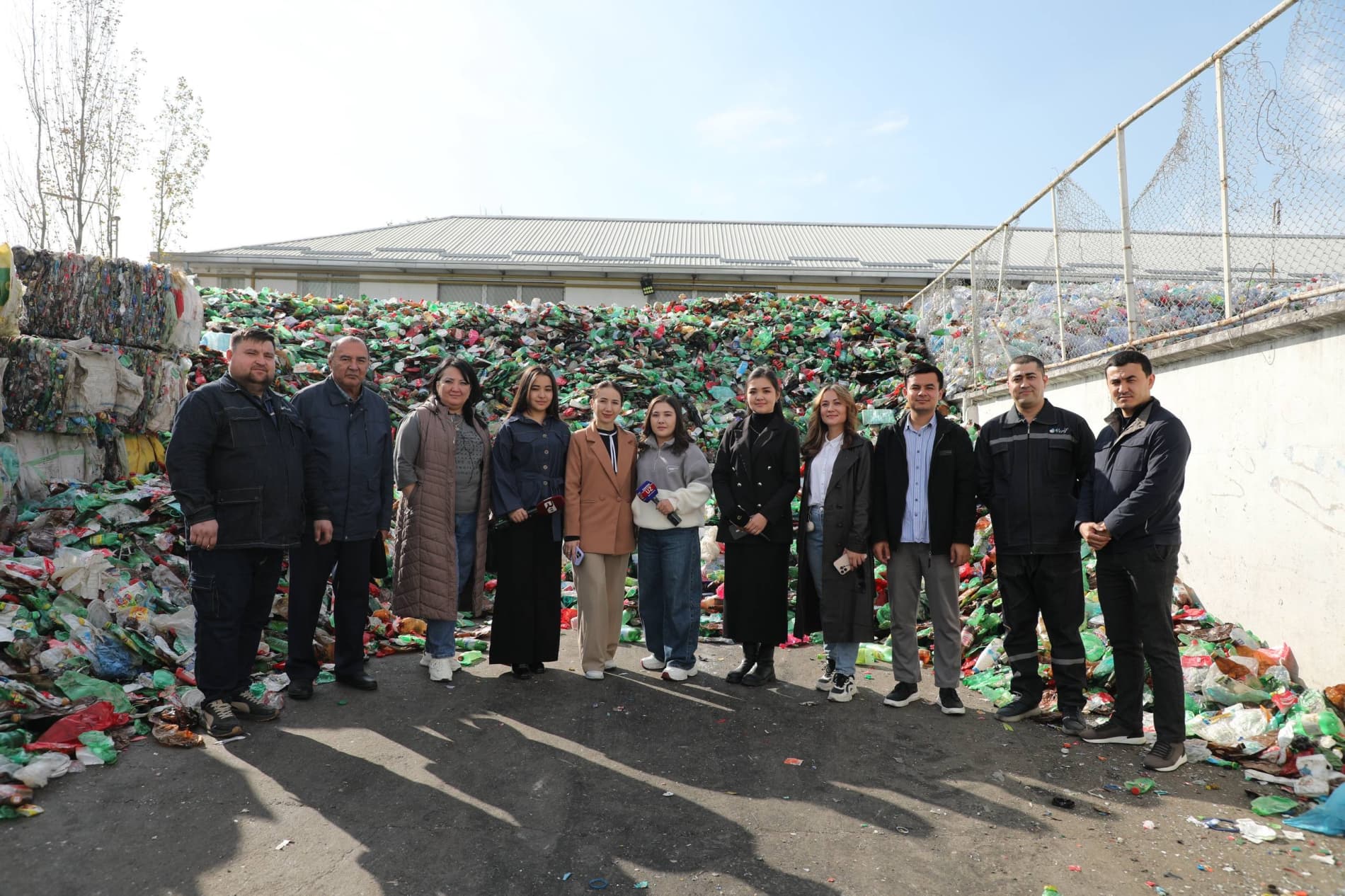
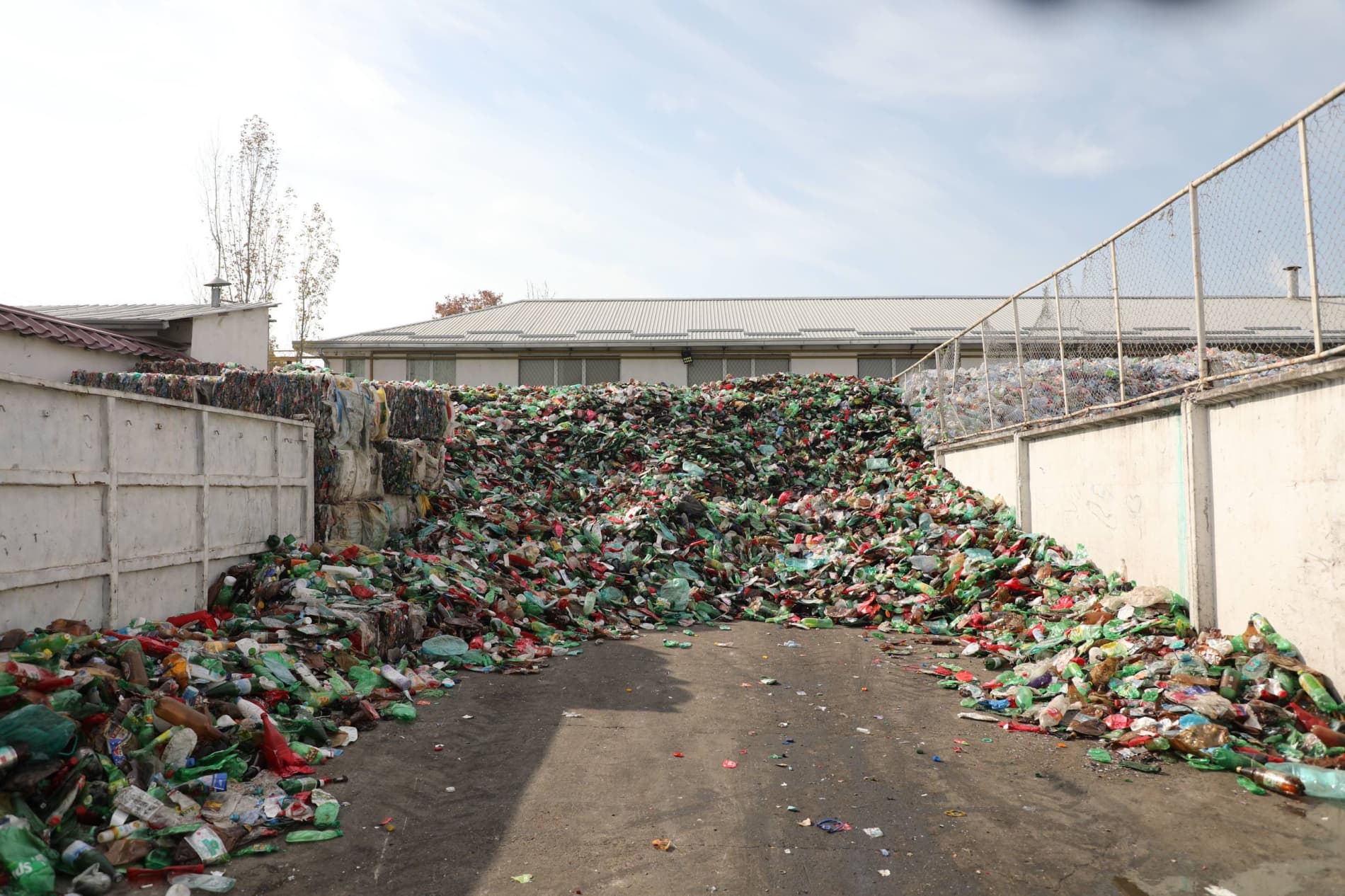
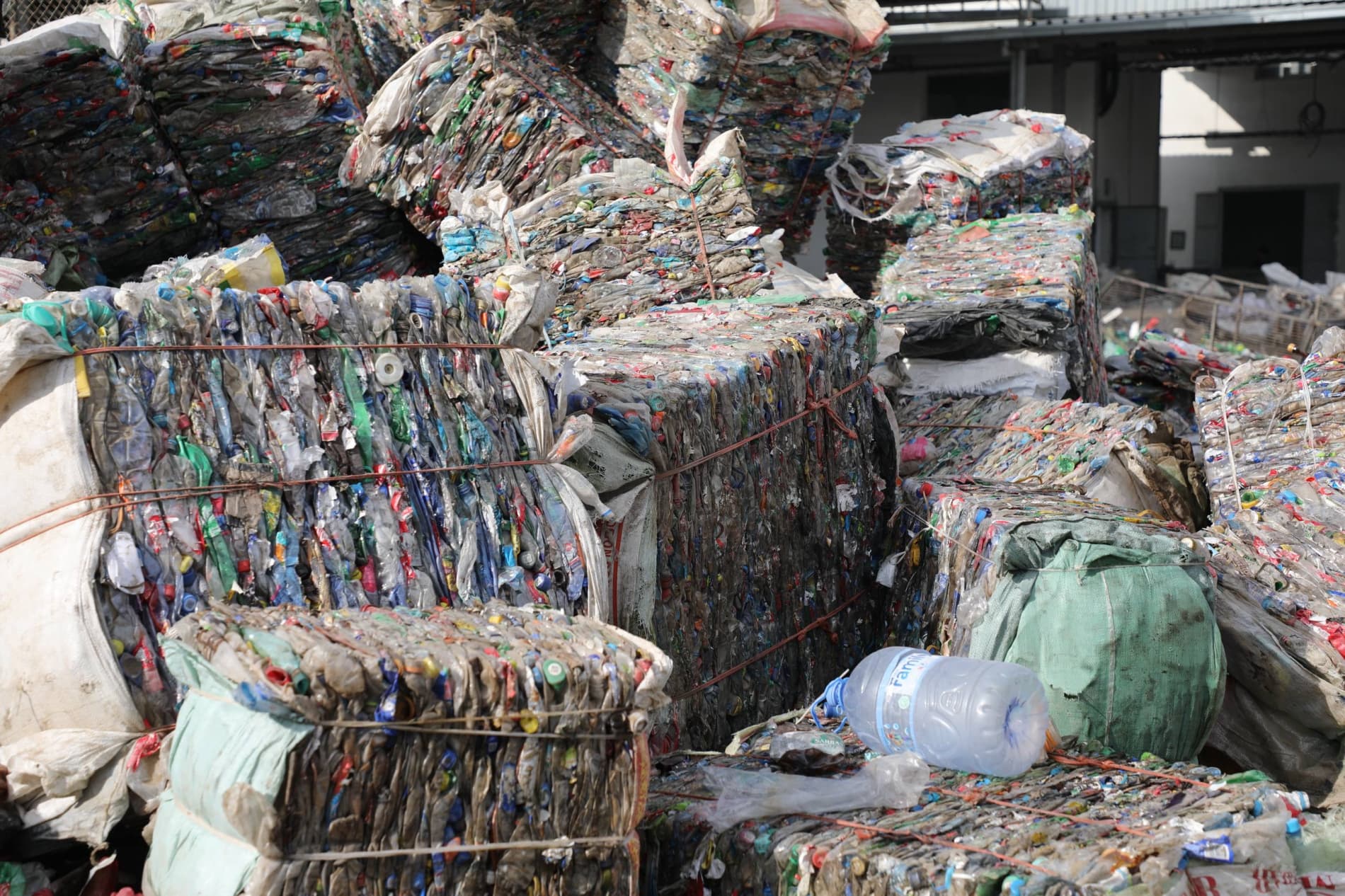
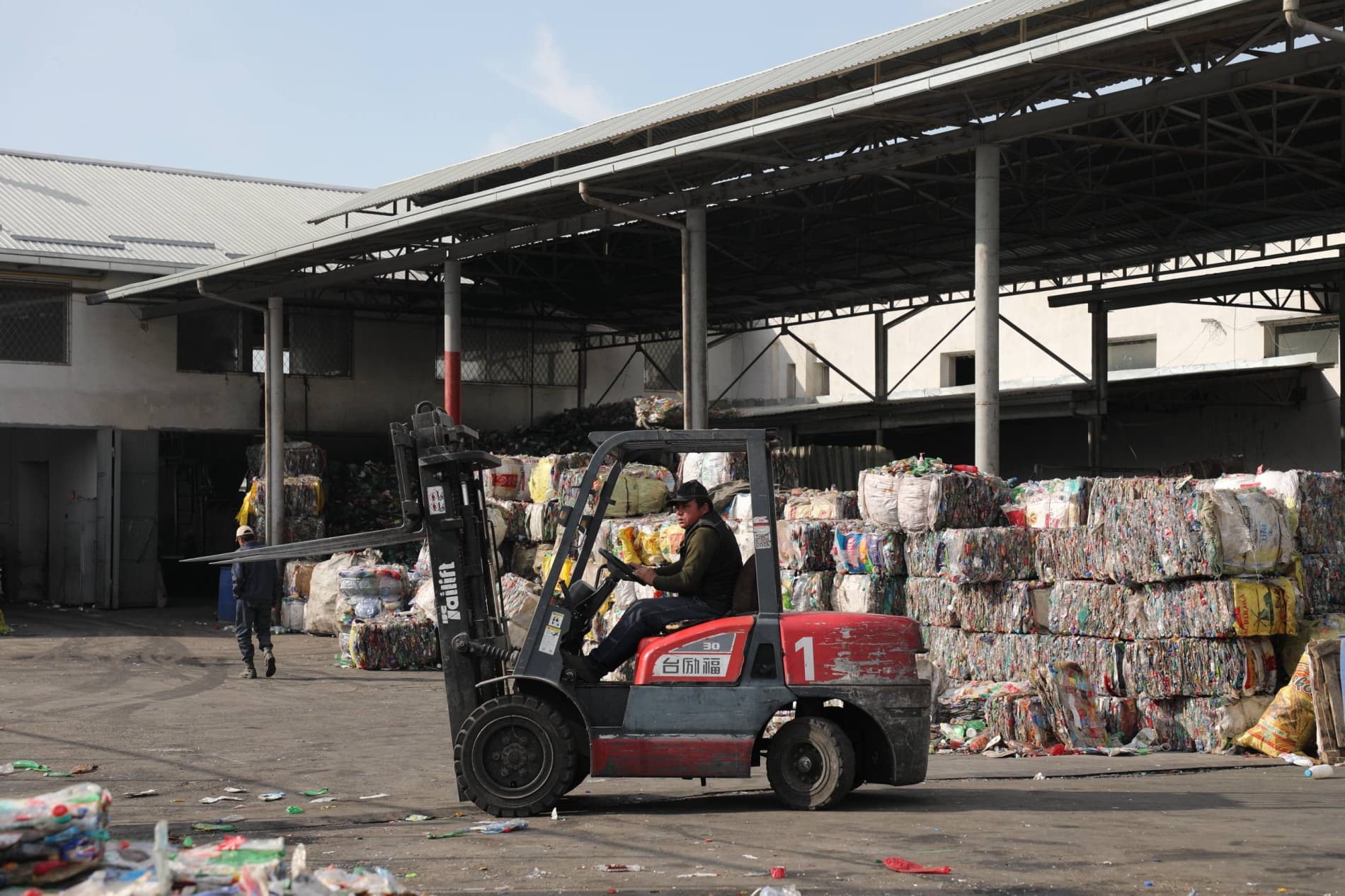
In the waste management sector, it is essential not only to reduce waste volumes but also to increase the share of waste that is recycled through public sorting and by expanding the role of the circular economy.
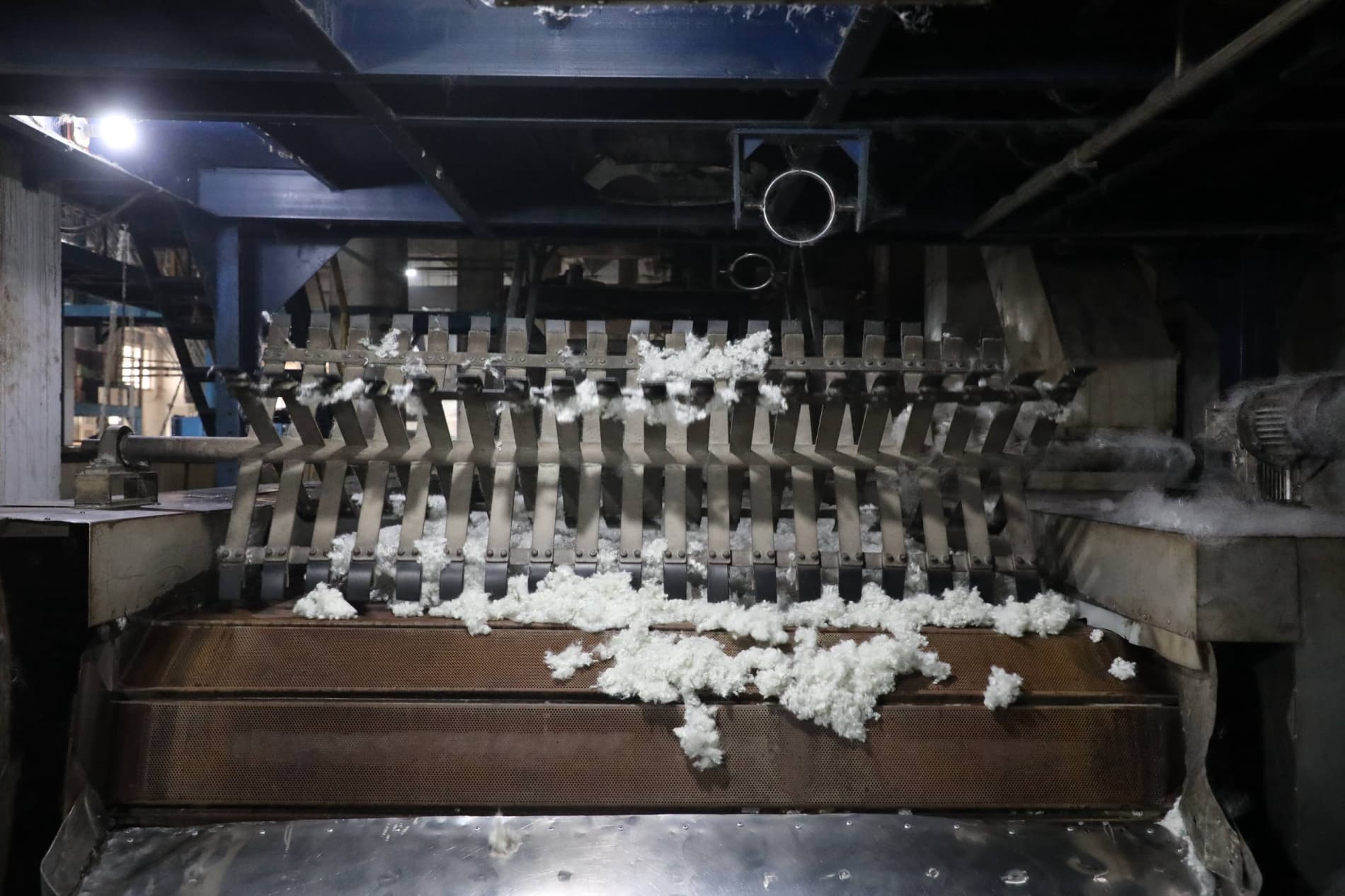
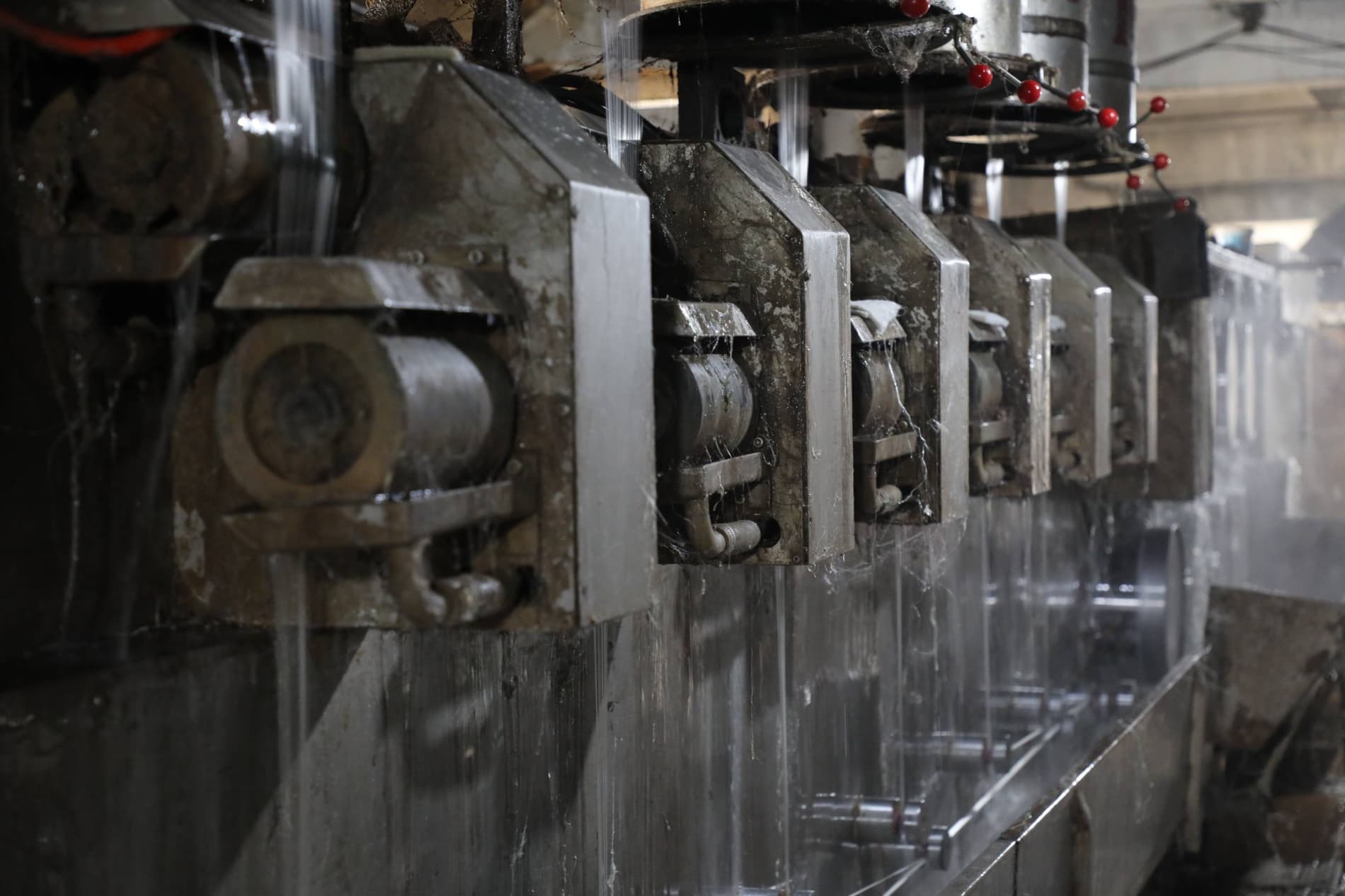
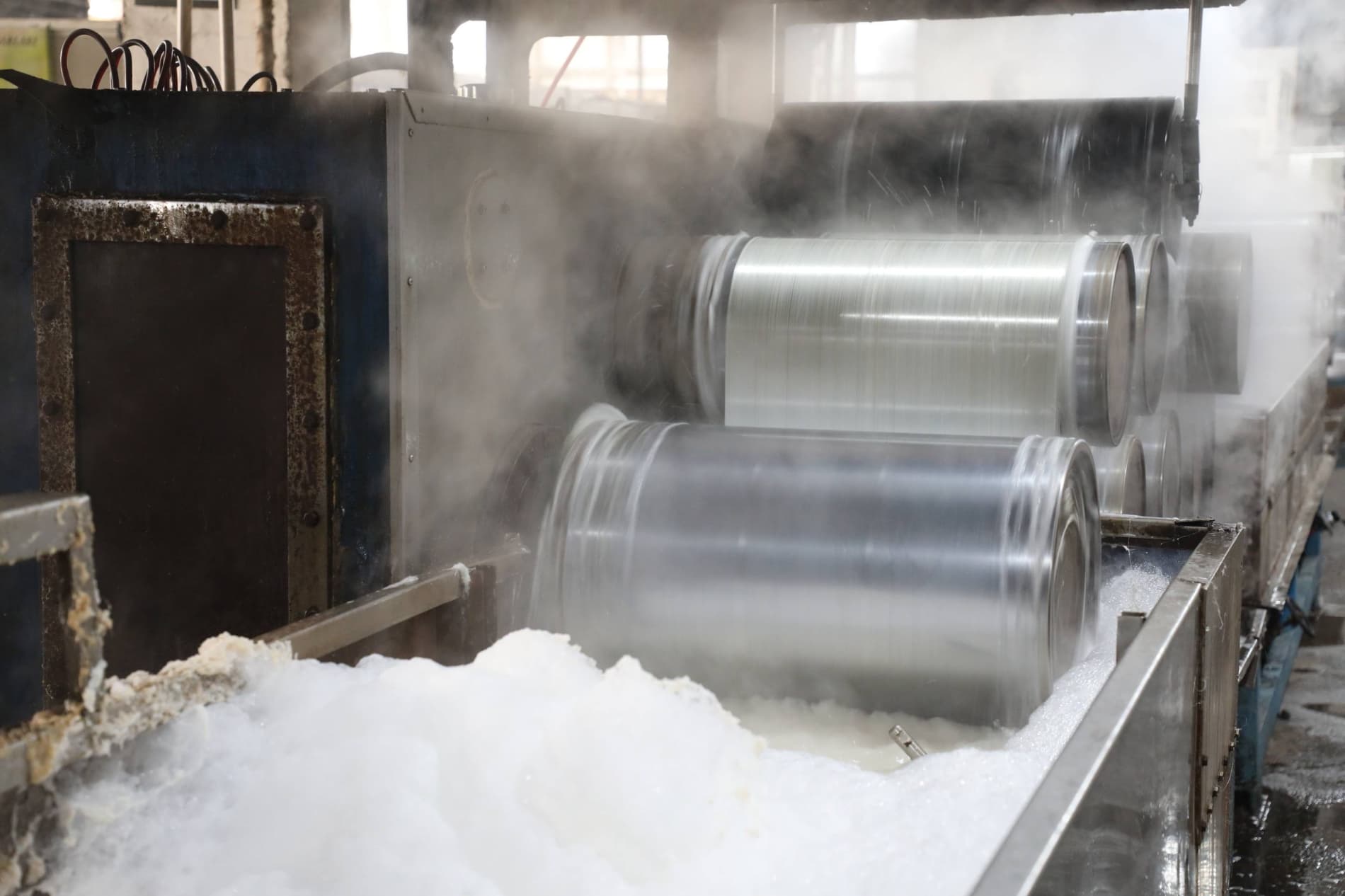
During the media tour, participants learned in detail about the stages of recycling plastic bottles—from their collection from the public to their transformation into finished secondary products.
Plastic bottles are typically made of PET (polyethylene terephthalate). According to research, under exposure to sunlight and high temperatures, harmful chemical substances such as antimony can leach into the water from PET containers. Other types of plastic (for example, polycarbonate) may contain BPA (bisphenol-A). Even small amounts of such chemicals may pose potential health risks, particularly for children and women.
Plastic waste takes 450–500 years to decompose in nature, causing severe damage to ecosystems. Through recycling, plastics can be used to produce new bottles, household goods, pipes, PET strap and synthetic fiber. Therefore, it is important to reduce the use of plastics, switch to environmentally friendly alternatives, or ensure that used plastic is sent for recycling rather than left in the environment.
For reference: in Uzbekistan, plastic waste accounts for 15% of all municipal solid waste. On average, the country generates 1.8 million tonnes of plastic waste each year. Today, 116 recycling enterprises process about 130,000 tonnes of plastic annually—only 6.6% of the total volume. The remainder ends up in landfills or illegal dumping sites.
To achieve significant progress in this area, a draft resolution approving the “National Program for Reducing Plastic Pollution for 2026–2030” has been prepared and systematic work is underway.
In particular, to organize separate waste collection across three categories (“recyclable,” “non-recyclable” and “organic”), 180 dedicated collection sites have been installed in multi-storey residential areas, equipped with 106 containers. Sanitation services have established a system for purchasing recyclable materials directly at these sites.
Furthermore, in line with the instruction of the Head of State and with the aim of achieving the “Zero Waste” principle by 2030, sorting facilities and eco-industrial zones for on-site waste processing are being created in the vicinity of municipal landfills.
In addition, six regions of the country are attracting a total of USD 933 million in foreign investment for the construction of waste-to-energy plants. These facilities are planned to be commissioned in 2027. In the future, they will be capable of processing up to 10,000 tonnes of waste per day and generating 1.564 billion kWh of electricity annually. This will create between 950 and 1,000 new jobs.
For example, the “Verif” enterprise began operations in 2012 and specializes in recycling plastic waste. The total project cost amounts to USD 8 million. The facility’s capacity enables it to process 26,500 tonnes of plastic bottles per year. Its main outputs are three product groups: PET strap, plastic pellets and 15 types of synthetic fiber (including conventional fiber, hollow fiber and others of varying types and densities).
The company supplies products to the domestic market and exports them to Russia, Belarus and European countries. It employs around 350 workers, who receive three hot meals a day and are provided with workwear. The enterprise plans to increase its processing capacity to 50,000 tonnes per year, expand its workforce to 500 employees and boost export volumes.
It should be noted that the development and expansion of recycling enterprises of this kind play an important role in strengthening Uzbekistan’s environmental sustainability and creating a clean, healthy environment for future generations in line with the principles of the green economy.