
National Natural Park "Babatag"
2025-04-01 00:00:00 / National Natural Parks

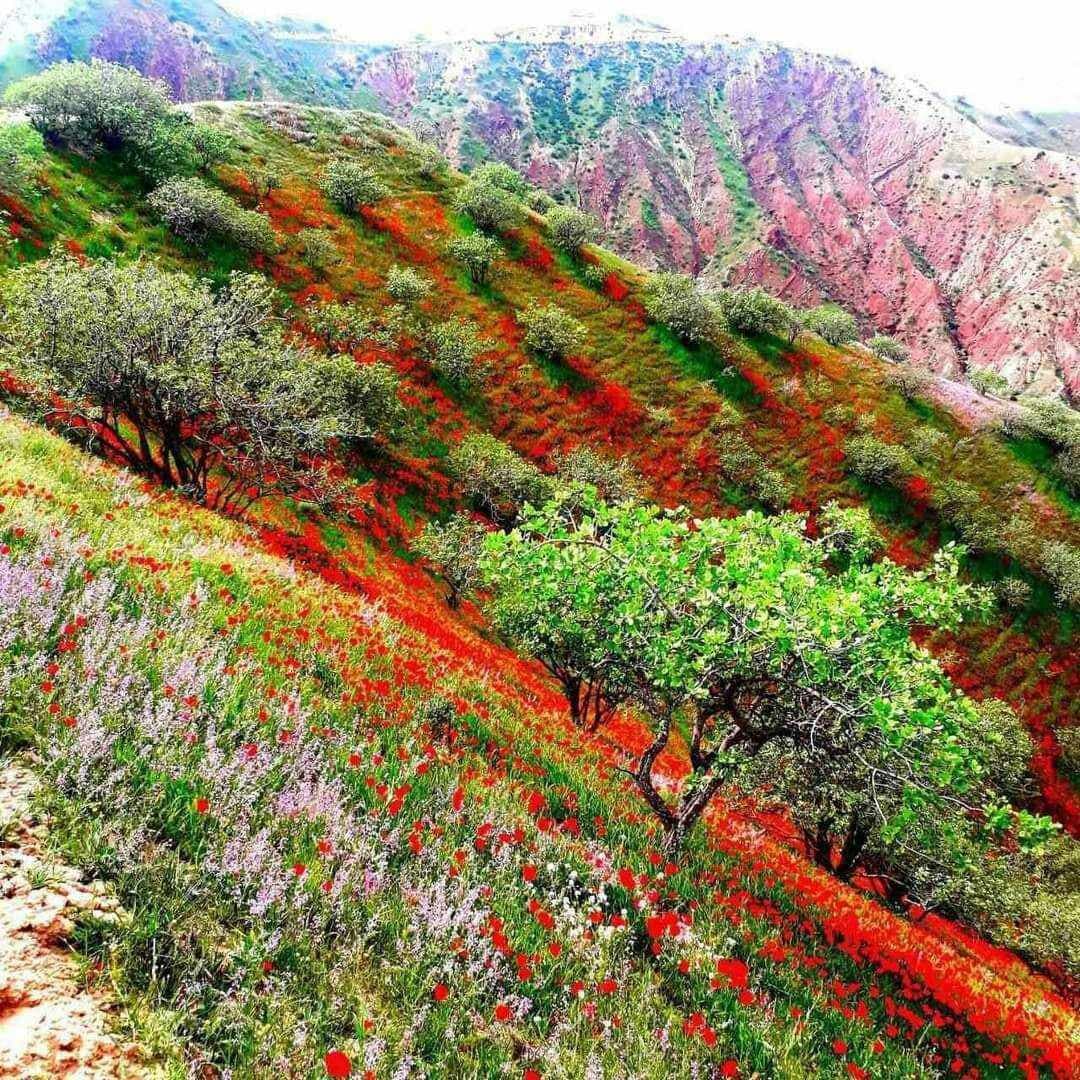
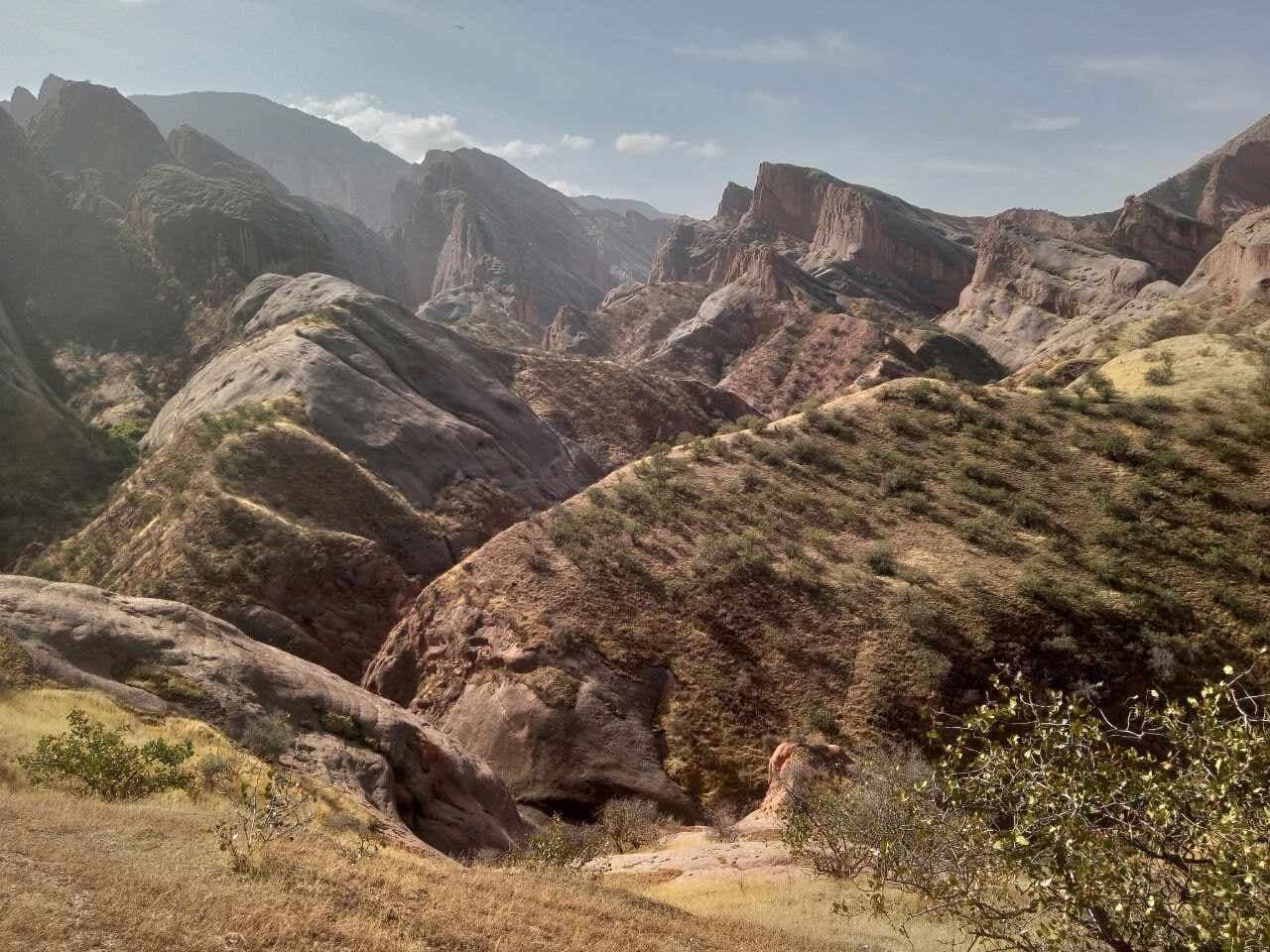
The national natural park is a mountainous range in the eastern Surkhandarya region, on the border of the Republics of Uzbekistan and Tajikistan, between the Surkhandarya and Kofarnihon rivers, stretching from northeast to southwest to the banks of the Amu Darya. The length of the natural park is about 125 kilometers, with an average width of 30-40 kilometers. The highest point is Mount Zarkosa, located at an altitude of 2290 meters above sea level.
The total area is 12,064 hectares, of which 8,000 hectares are reserved, 3,000 hectares are recreational areas, and 1,064 hectares are economic territory.
Natural conditions: The mountain range mainly consists of Paleogene and Jurassic limestones, clays, aleurites, and sandstones. The eastern slope is steep and narrow, with foothills located on the terraces of the Kofarnihon River. The western slope is flat and wide, with the main part consisting of low mountains. The climate is dry, sharply continental, with an average annual air temperature of 16 degrees Celsius in the foothills and 8-10 degrees Celsius at moderate altitudes. The annual precipitation ranges from 170 millimeters to 400 millimeters. There are springs and streams on the mountain slopes, which overflow in winter and spring and dry up in summer. There are about 20 natural springs and small lakes within the territory of the national park.
Flora: The Babatag National Natural Park is home to more than 300 species of mountain plants, with 16 of them listed in the "Red Book" of the Republic of Uzbekistan.
Fauna: The animal world of the "Babatag National Natural Park" is very diverse. In the foothills and on the outskirts of the mountains in this area, one can encounter animals such as hyenas, mountain goats in the foothill forests, Bukhara urial, stone marten, Persian ibex, badger, snakes, cobras, among birds, eagles, black vultures, falcons, partridges, chukars, as well as the snow leopard. The national park is home to more than 20 species of mammals, about 100 species of birds, about 20 reptiles, and 2 species of amphibians. Among them, 4 species of mammals and 9 species of birds are listed in the "Red Book" of the Republic of Uzbekistan.
Ecotourism objects: For the development of ecotourism in the Tashkutan massif of the Govurgon department, construction works are planned (campsites, pavilions, rest and dining areas, selfie points, development of eco-trails, parking lots, signposts, gazebos, and awnings).
Large settlements are located near the territory of the national park, Uzun district of Surkhandarya region, villages of Yangiabad, Okmachit, and Chagam.
There are no hotels in the vicinity of the national park. Modern guest houses have been created in the center of Uzun district. The management of the national park is located 200 km from Termez and 10 km from the district center.
Visit time
Weekdays from 12:00 to 20:00 in summer (until 17:00 in winter) Weekends and holidays from 09:00 to 21:00 (until 17:00 in winter)
Address: Uzun district, Kichik Jonchekka village, Surkhandarya region, Republic of Uzbekistan.