Summary of comprehensive inspection results in Jizzakh region
2025-07-27 08:00:00 / Новости


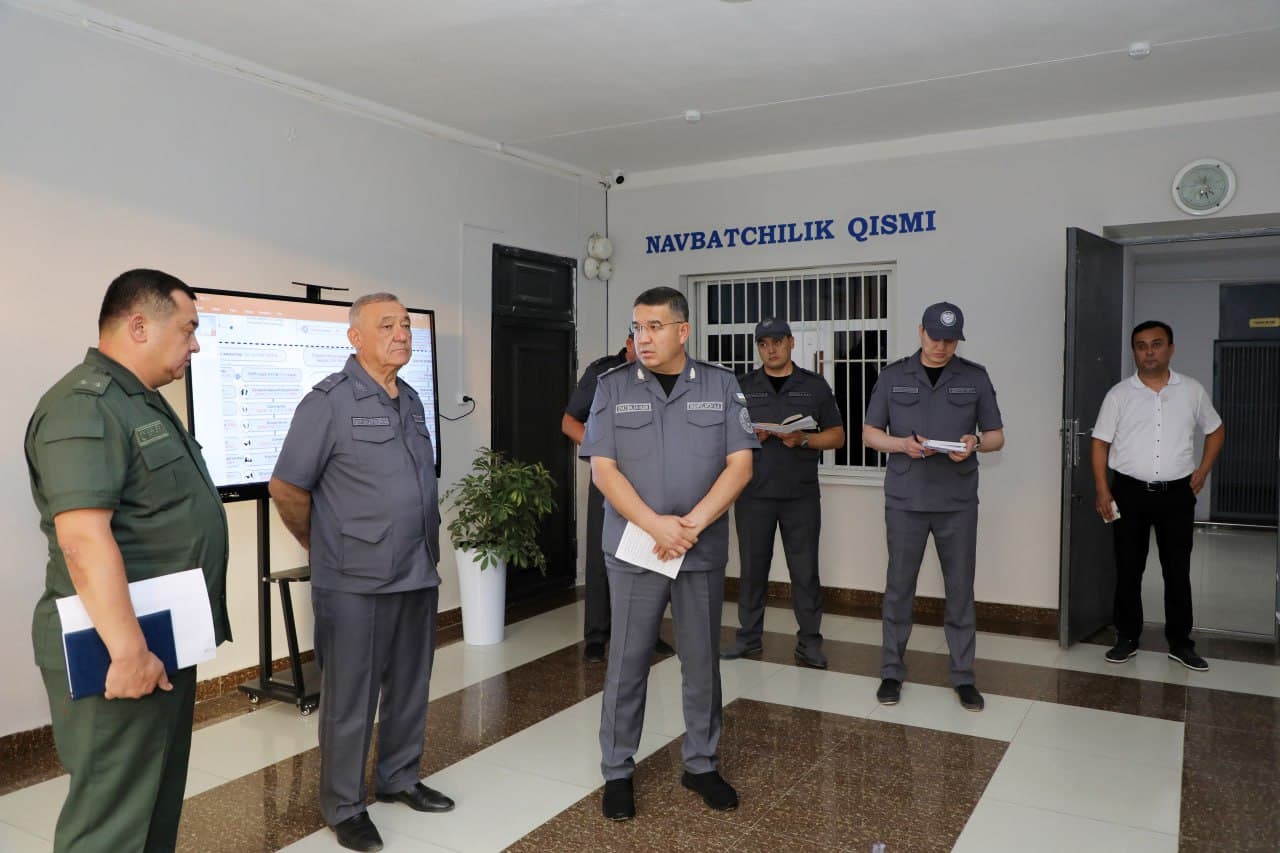


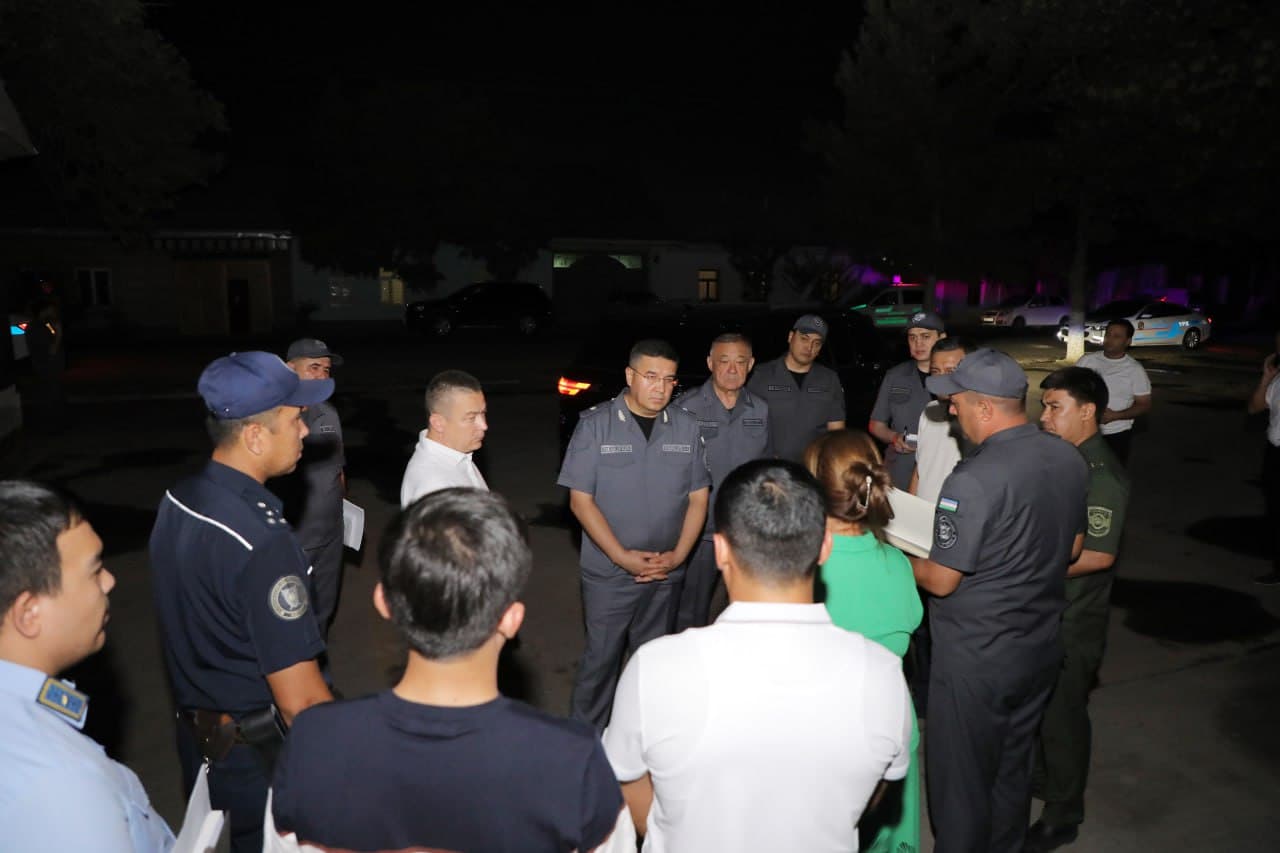
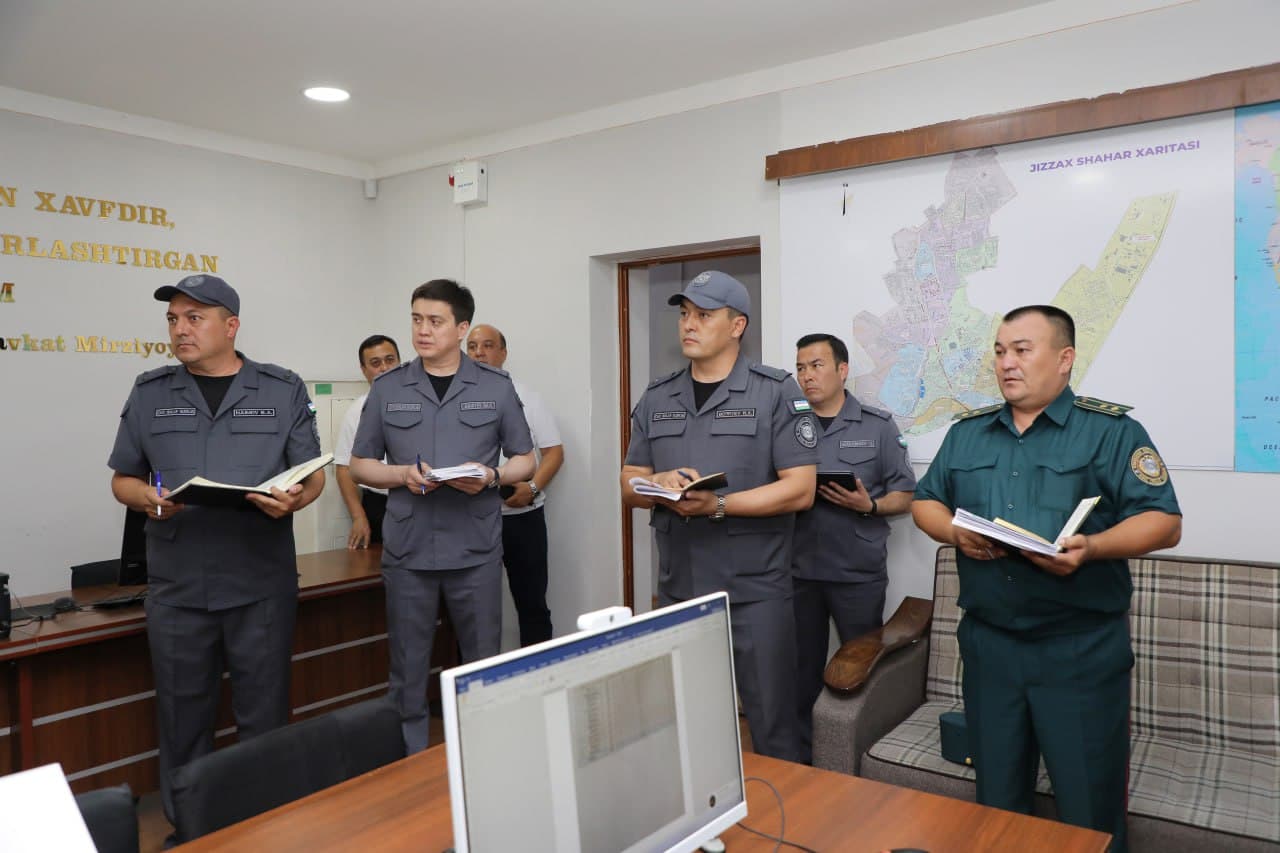
Special attention was paid to the improvement of mahalla safety, emphasizing the prevention of violations classified as "red" and the implementation of social prevention measures. It included the digitalization of areas, the provision of surveillance cameras, an evaluation of the effectiveness of operational and preventive measures under the "Safe and Healthy Country" initiative, and the enhancement of legal awareness within the community.
The accomplishments of the "School of Life" established in the "Mustakillik" mahalla of the Mirzachul district were highlighted as exemplary at the regional level. Since its inception in September of the previous year, this educational institution, with a capacity of 600 students, has provided vocational training in various fields, such as agriculture, carpentry, tailoring, and confectionery to 10th and 11th-grade students from seven different areas.
Moreover, the establishment of a "Volleyball Club" in support of the Dustlik district internal affairs department and the opportunities provided to youth to participate in this sport have been reviewed and acknowledged.
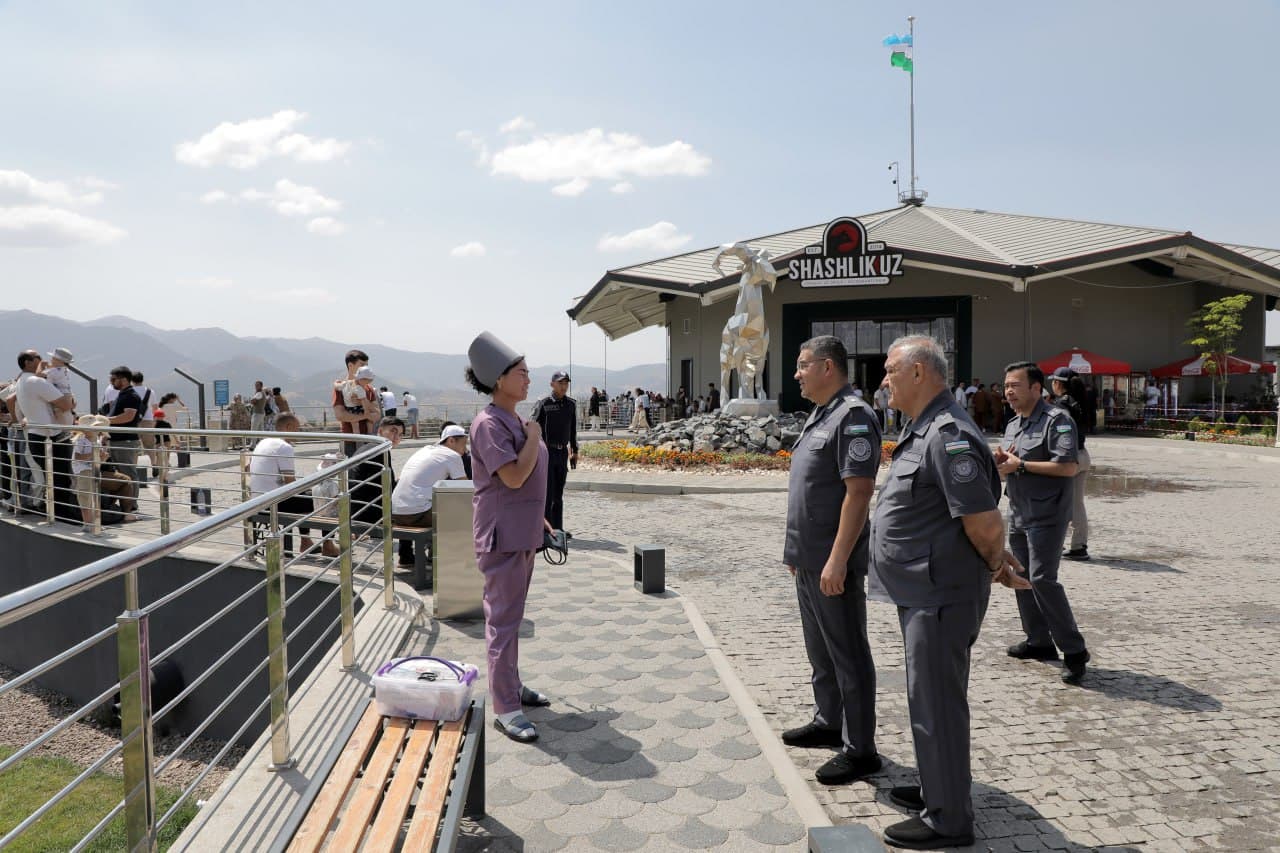
The working group assessed measures implemented to attract tourists to Lake Aydar-Arnasay, examining the infrastructure available for both local and international visitors, including safe road access, electricity supply, and other essential facilities.
Personnel from the Internal Affairs Departments of Arnasay and Pakhtakor districts were engaged in evaluating initiatives aimed at early prevention of crimes, crime detection, and bolstering the credibility of the Internal Affairs Departments.
An analysis of the activities within the Jizzakh city Internal Affairs Department revealed insights into the criminogenic conditions in mahallas classified as "red." This group provided recommendations and directives aimed at reducing crime and improving public safety in these areas. Furthermore, a comprehensive evaluation of the operations established within the "Safe and Healthy Country" initiative was conducted with recommendations for improvements to address deficiencies identified in the registration process for documents.
The working group also became acquainted with the operations of the regional Internal Affairs Department's “112” emergency service. A presentation was given about the benefits of this service, as well as on the integration of the "Kalkon" platform. It is helpful in monitoring real-time situations using surveillance technology, and identifying wanted individuals and vehicles.
Efforts were also discussed aimed at increasing the effectiveness of the early crime prevention system by adapting organizational frameworks to modern standards, and identifying and addressing root causes of violations through comprehensive measures as early as possible.
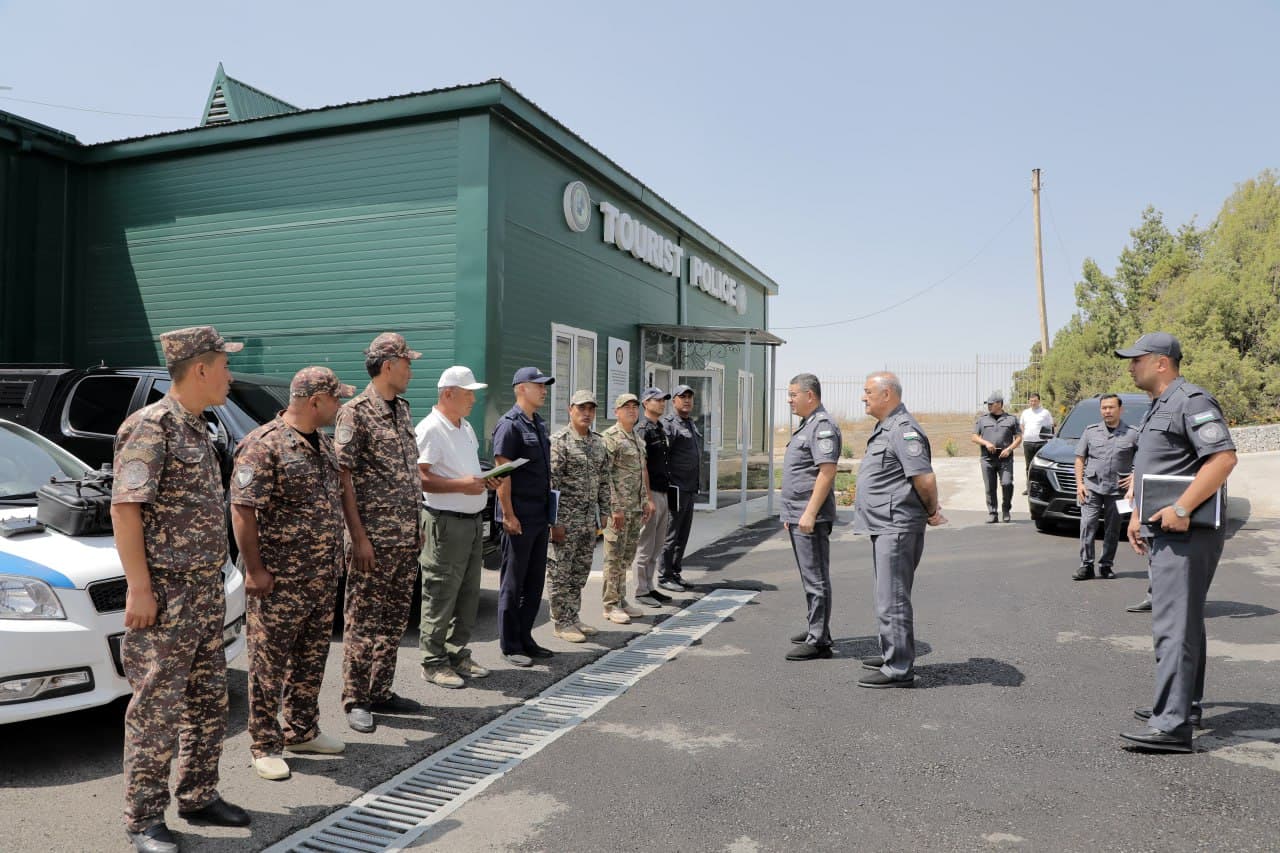
Additionally, a working group of the Ministry reviewed the operation of the tourist recreation zone. During the meeting, officers from the regional Internal Affairs Department's Safe Tourism division, as well as officers from the emergency services and military units, discussed ensuring public safety, fire prevention, responding to inquiries from the public and visitors, and enhancing preventive measures to prevent violations.
As part of the inspection, it was stressed that, in accordance with the President's initiatives to curb mahalla crime, authorities are continuously implementing measures to prevent criminal activities, foster a societal intolerance towards crime, and utilize the "per mahalla" principle with active involvement of mahalla sevens, which has resulted in positive outcomes across several areas.
These progressive efforts have resulted in a significant decline in criminal activities in the “Dustlik” and “Yoshlik” mahallas of Jizzakh city, the “Madaniyat” mahalla in Sharof Rashidov district, the “Goliblar” mahalla in Arnasay district, as well as the “Boghishamol,” “Nurafshon,” and “Guliston” mahallas in Bakhmal and Gallaorol districts respectively, and others throughout the region.
Upon completion of the inspection, the findings and shortcomings identified were critically discussed with sector officials, leading to the formulation of targeted measures to enhance service delivery.