
Uzbekistan enters a new stage of science-oriented tourism development
2026-05-15 12:25:00 / News
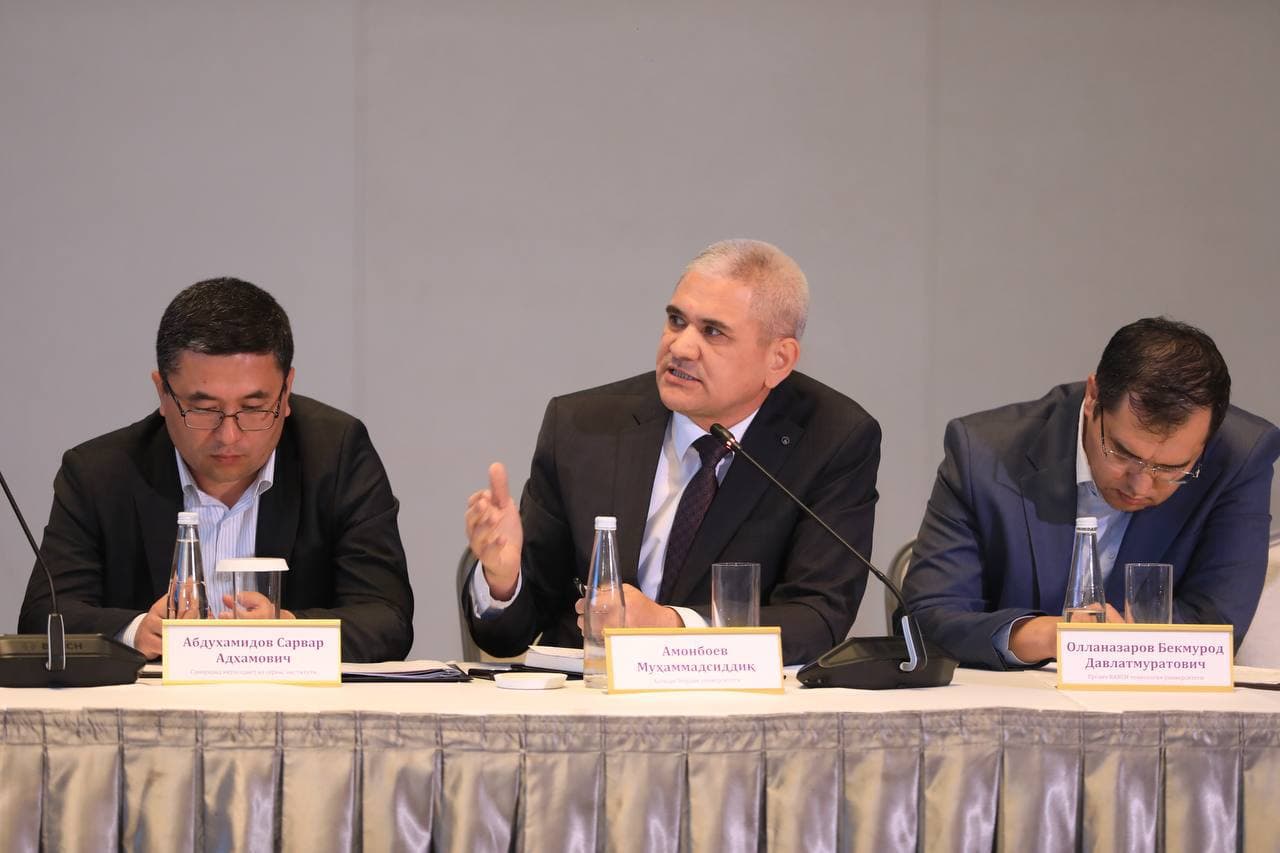
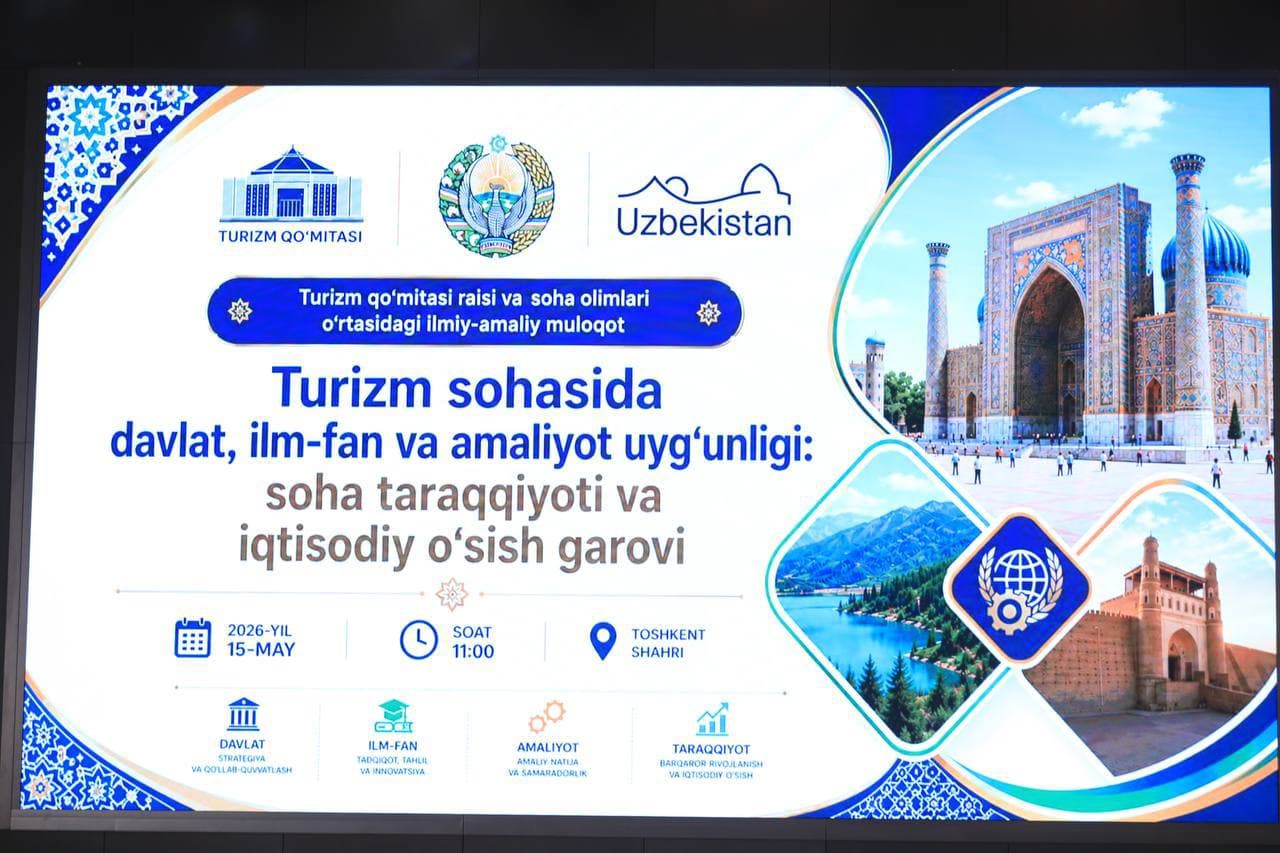
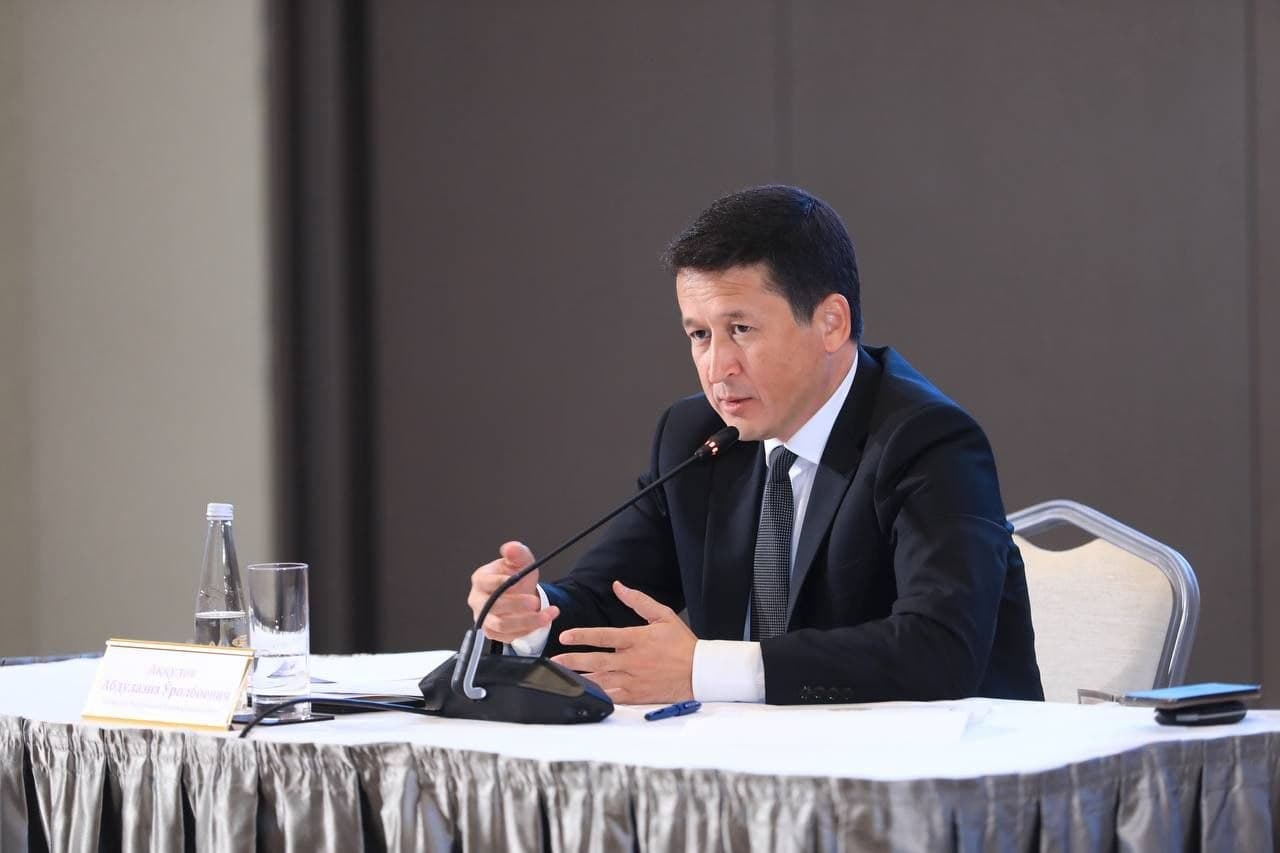
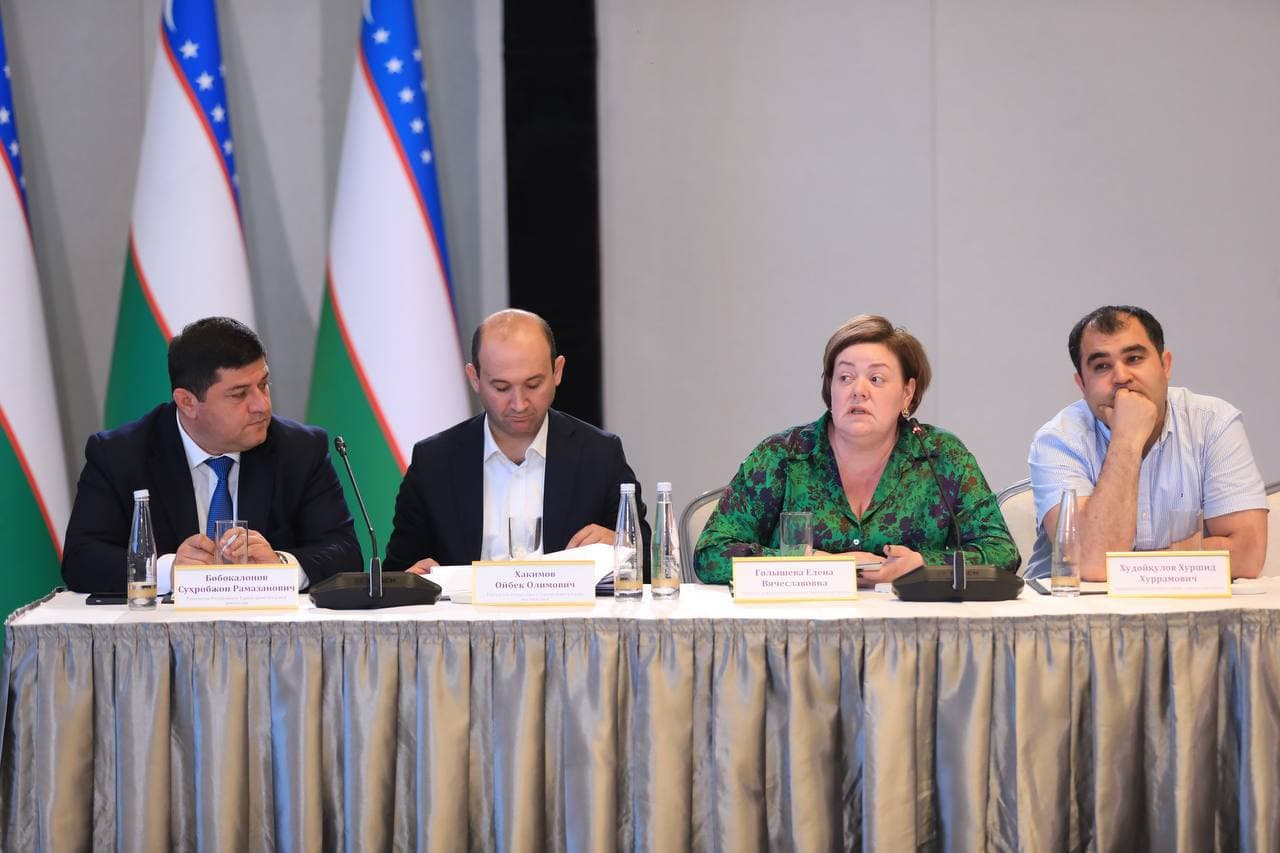
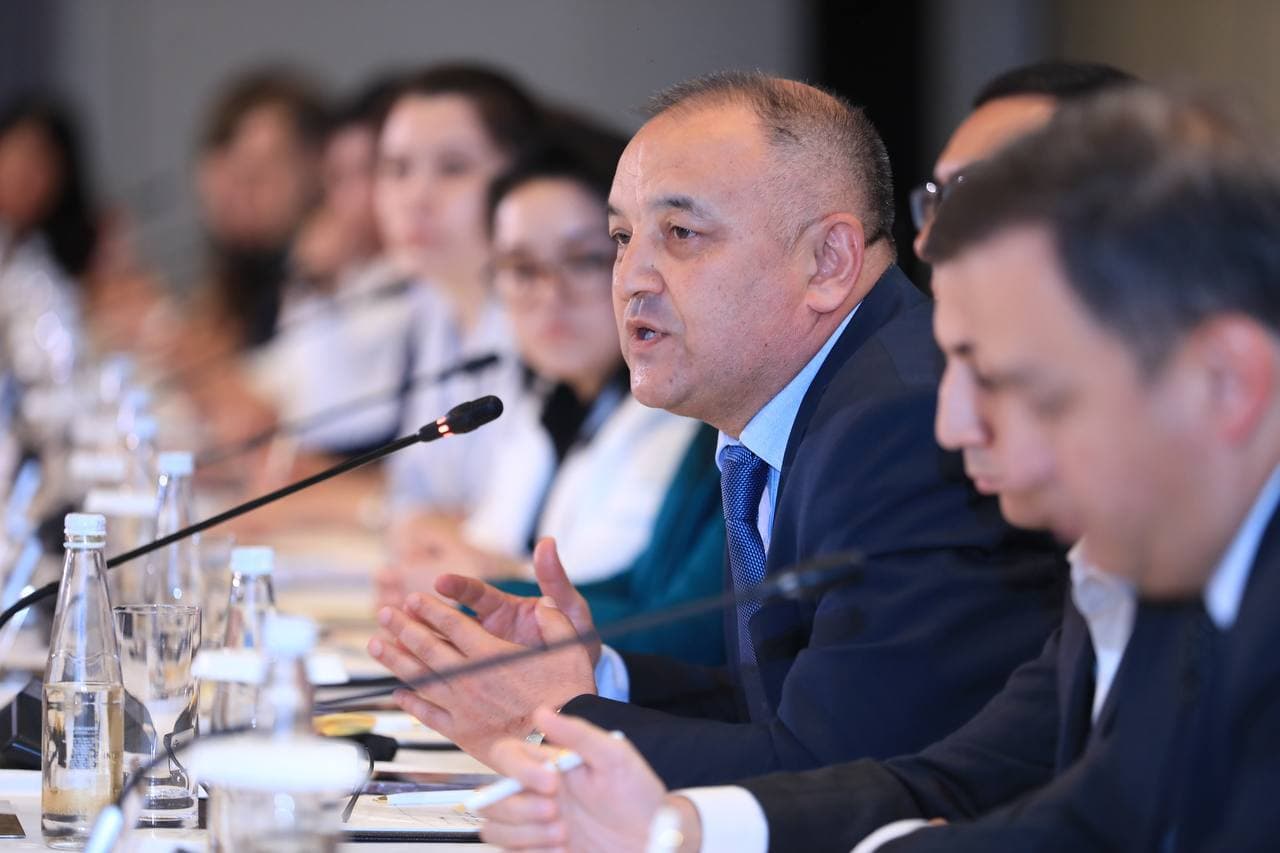
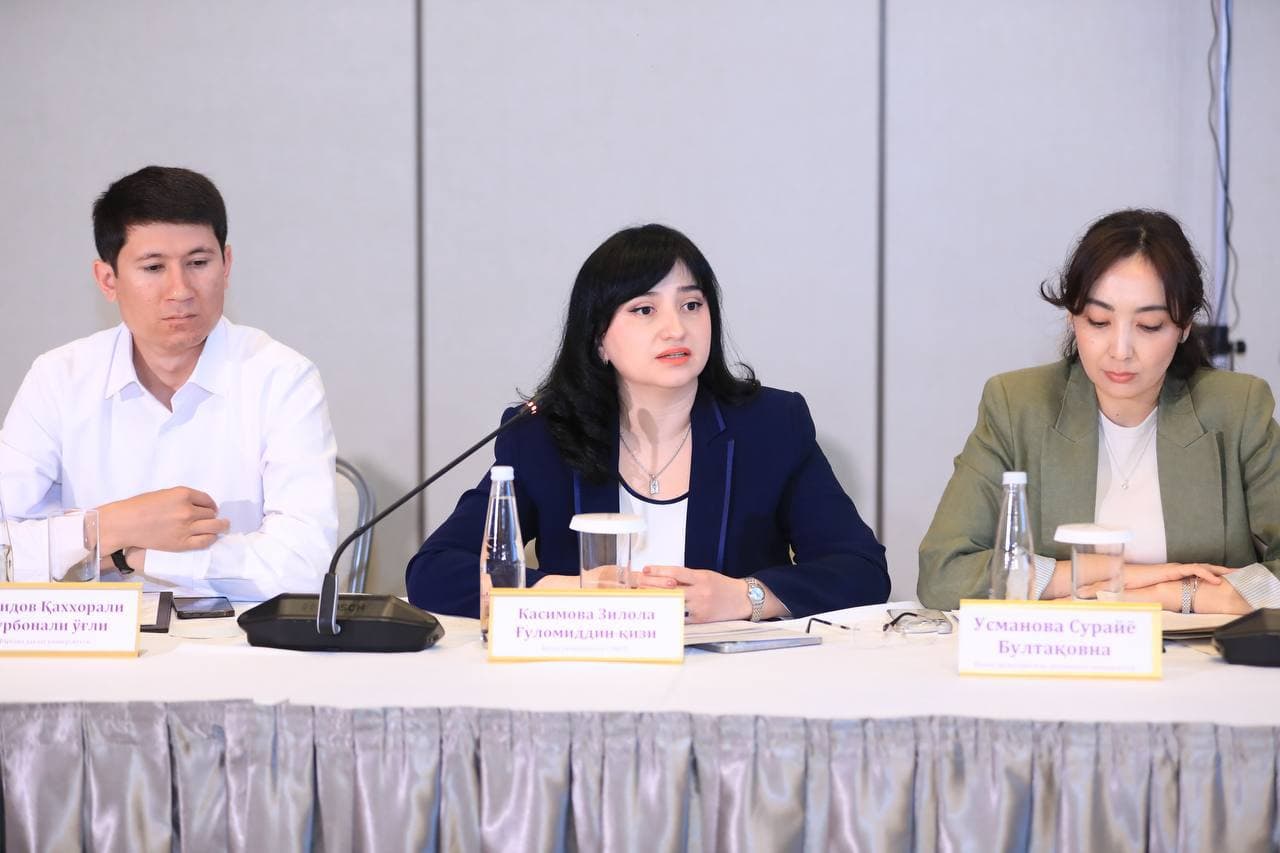
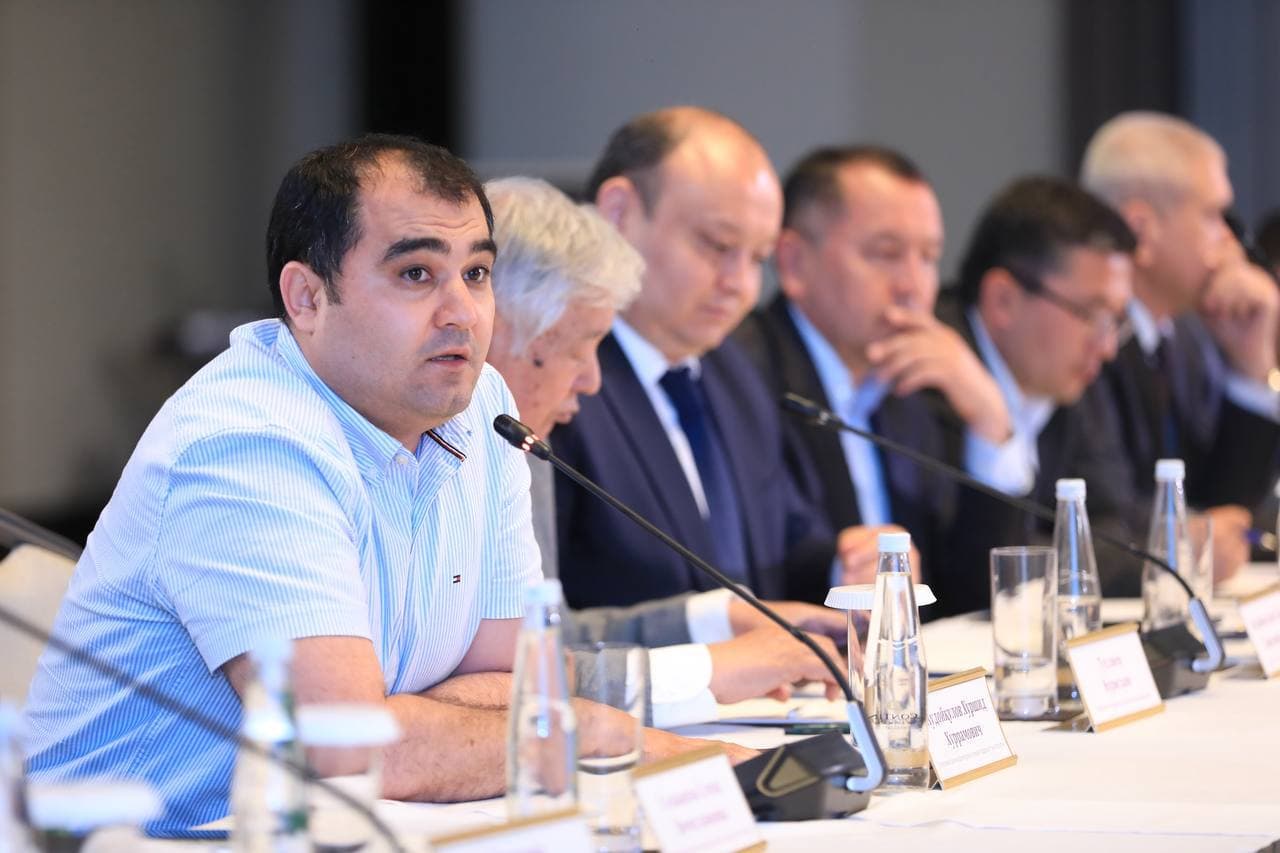
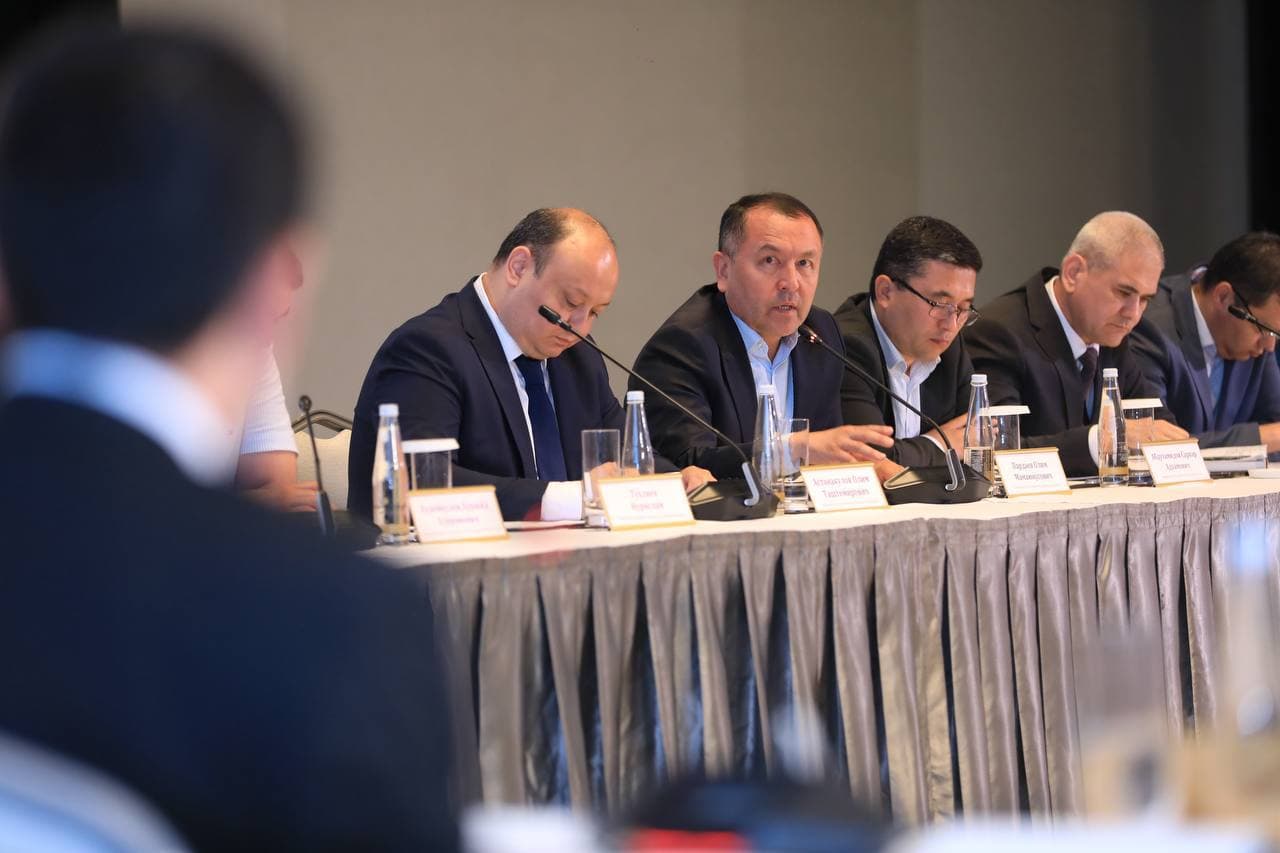
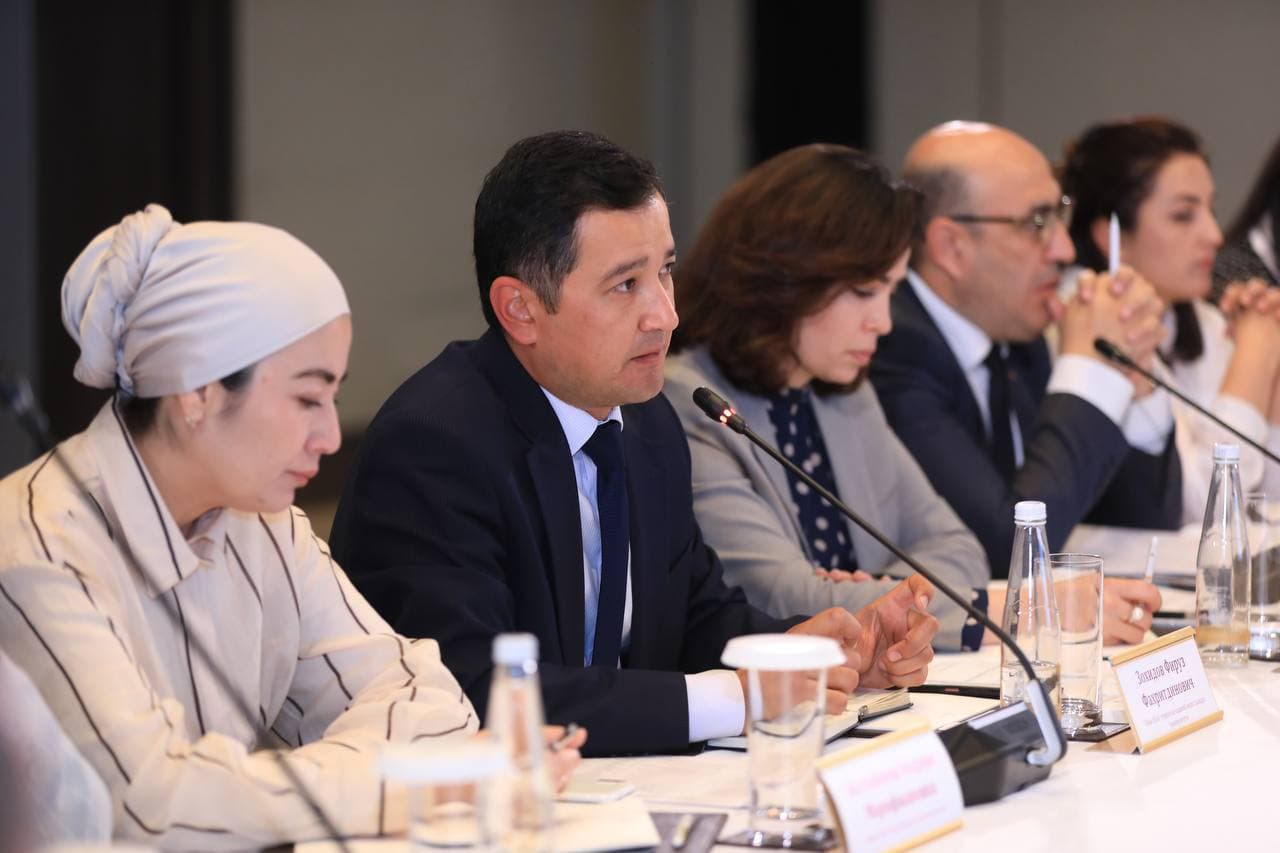
As noted during the meeting, the modern tourism industry is entering a new stage of development under the influence of artificial intelligence, digital platforms, the “experience economy,” environmental requirements, and the growing trend toward personalized travel.
It was emphasized that competition between countries today is determined not only by the presence of historical heritage or natural resources, but also by the level of innovation, service quality, and intellectual products.
During the discussion, strengthening the scientific approach in tourism and ensuring effective integration between science and public policy were identified as key priorities.
Participants noted that although a significant number of scientific studies have been conducted in the tourism sector in recent years, many of them remain theoretical and are insufficiently implemented in practical industry activities.
In this regard, it was emphasized that the Tourism Committee intends to establish a fundamentally new approach to organizing scientific research in the sector.
From now on, every scientific study must be focused on achieving concrete practical results, including:
— increasing tourist arrivals;
— raising tourist spending;
— improving service quality;
— creating new tourism products;
— developing regional economies;
— generating new jobs.
It was also noted that scientific research should be closely integrated with the country’s Tourism Development Strategy and regional socio-economic development programs.
During the meeting, particular emphasis was placed on expanding fundamental and applied research in the following areas:
— aviation and transport logistics;
— luxury tourism;
— ecotourism;
— pilgrimage tourism;
— MICE tourism;
— development of the “night economy”;
— film tourism;
— gastronomic and creative tourism;
— digital marketing;
— artificial intelligence;
— Big Data technologies;
— smart tourism;
— sustainable tourism.
Special attention was given to the need to define the specialization of each region based on its unique tourism potential, as well as to scientifically develop tourism clusters and highly effective tourism products.
It was stressed that the tourism industry of the future will be built on digital technologies, artificial intelligence, virtual interaction formats, and automated services.
In this regard, the scientific community was invited to present concrete initiatives for the establishment of new scientific schools and innovative platforms.
It was also noted that the evaluation of scientific research should focus not on the number of published articles, but on practical outcomes — implemented projects, the number of tourists attracted, economic impact, and social effect.
It was announced that, within the framework of the National Unified Tourism Platform, an analytical dashboard and an open statistical database are being developed to expand researchers’ access to high-quality data and analytical information.
In addition, it was stated that authors of scientifically significant research successfully implemented in the industry will receive incentives and support.
Following the meeting, it was particularly emphasized that the Tourism Committee is ready for close and systematic cooperation with the scientific community, and that every research initiative should be based on the real needs of the industry and deliver tangible economic results.