
Media representatives explore the Imam Bukhari complex
2026-04-07 09:45:00 / News
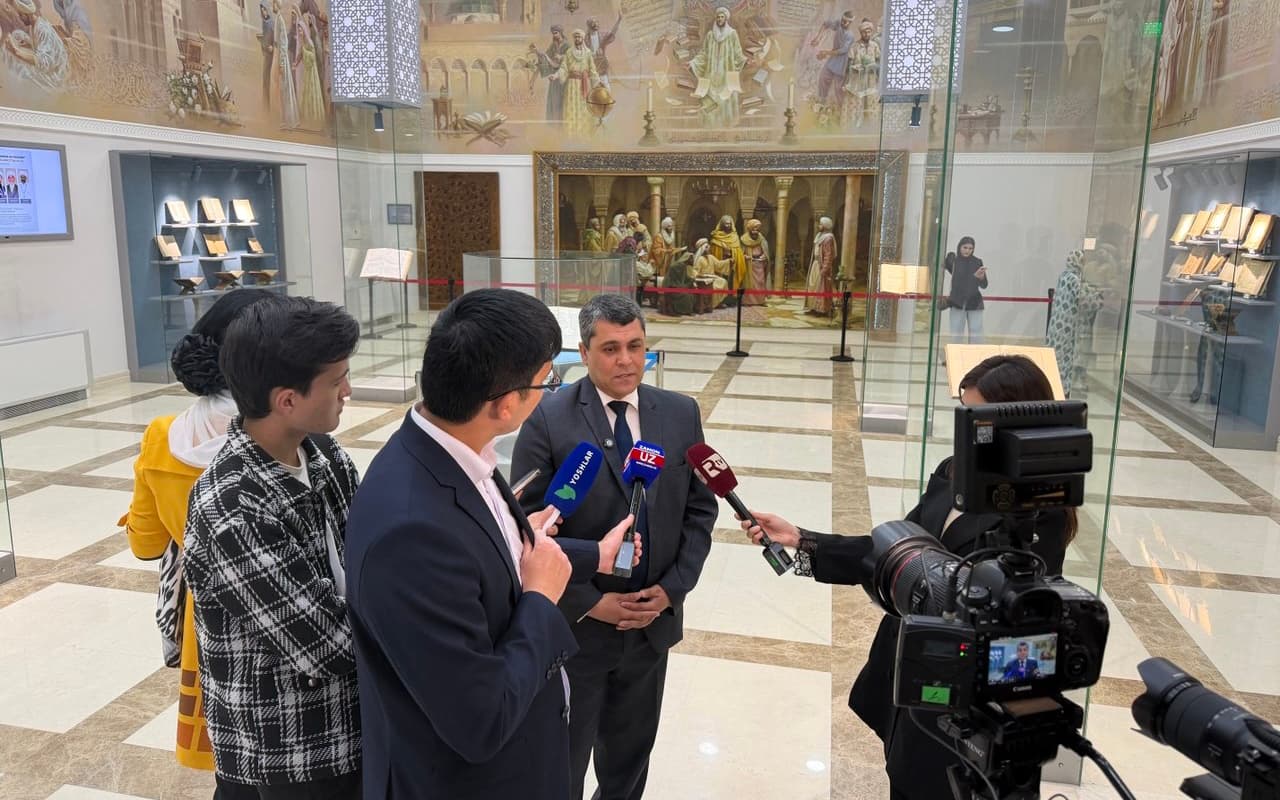
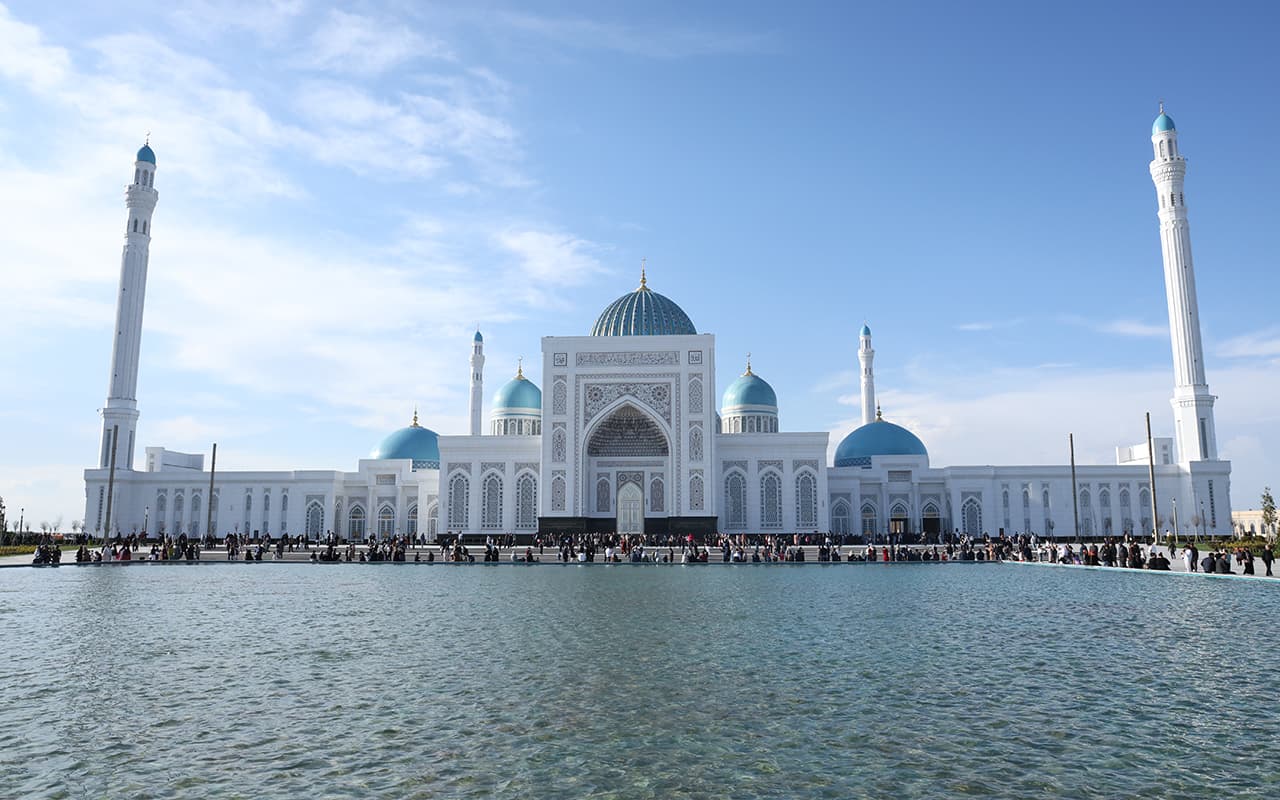
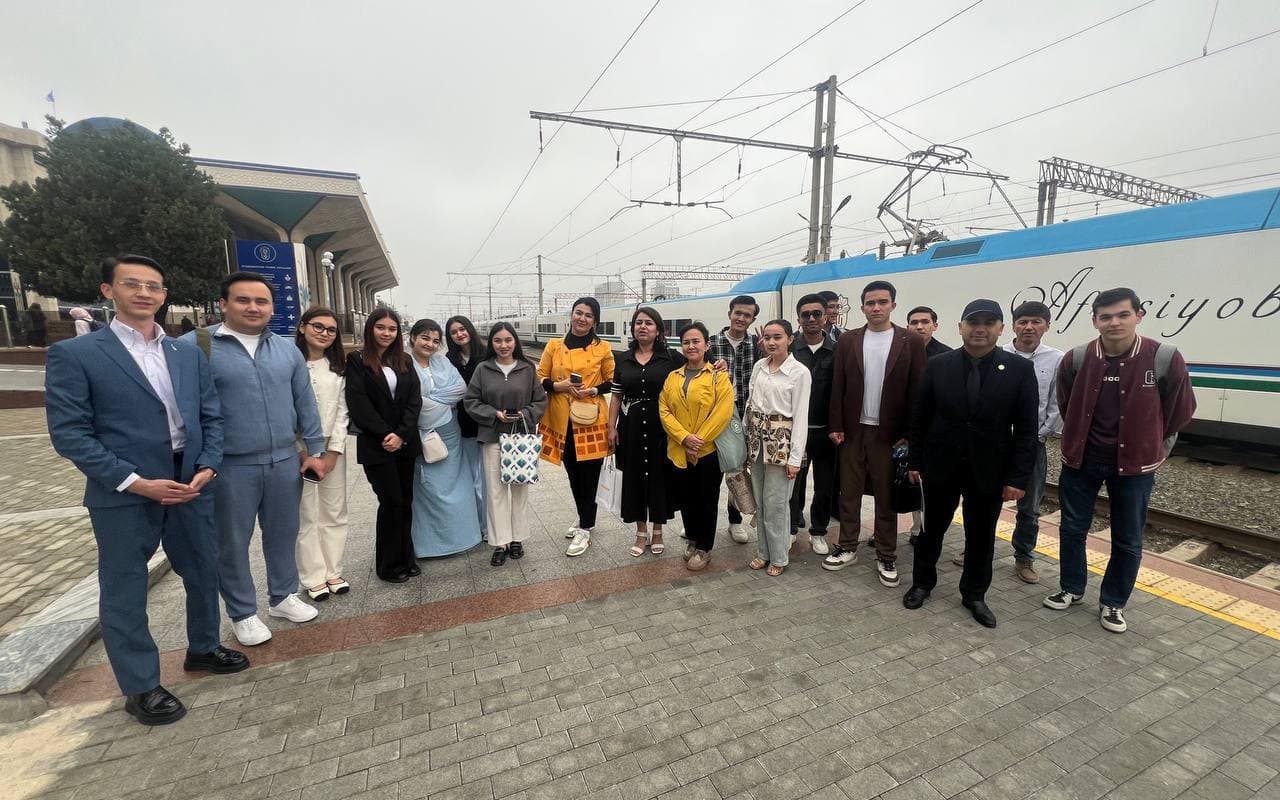
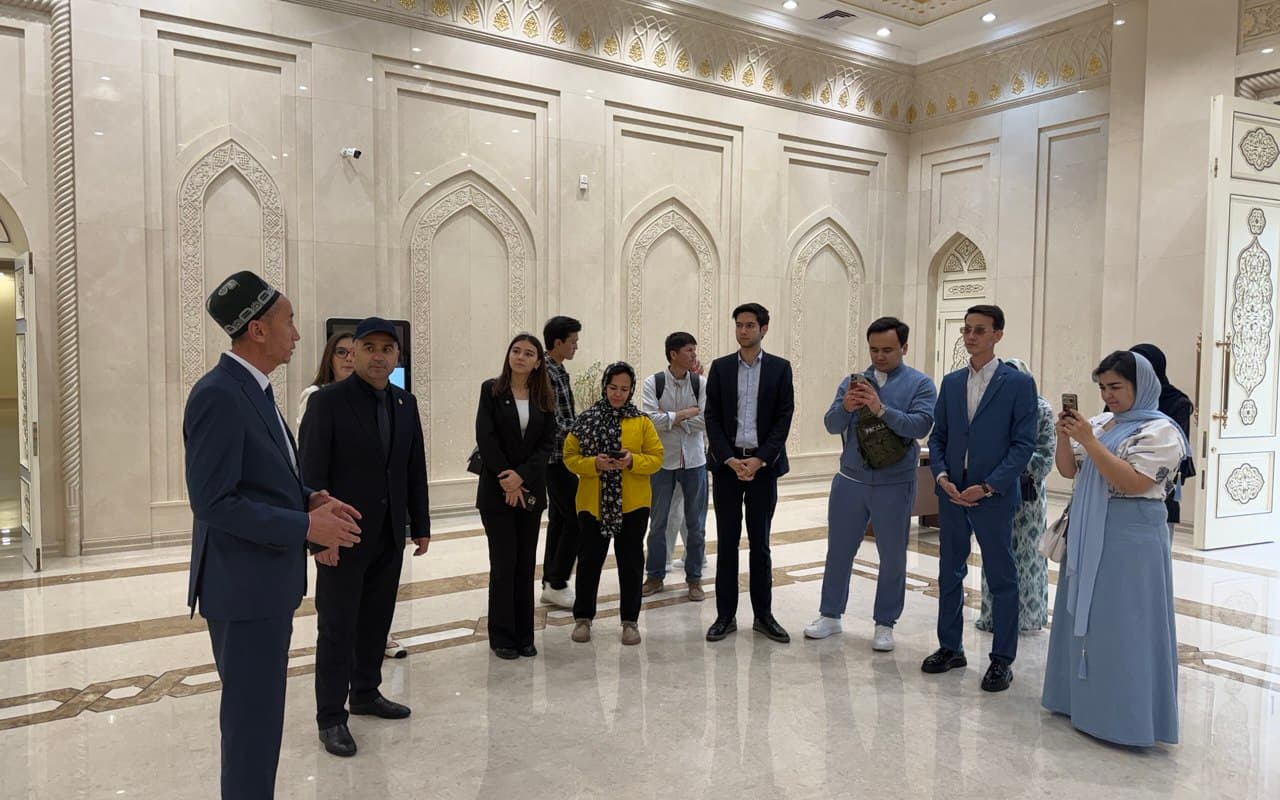
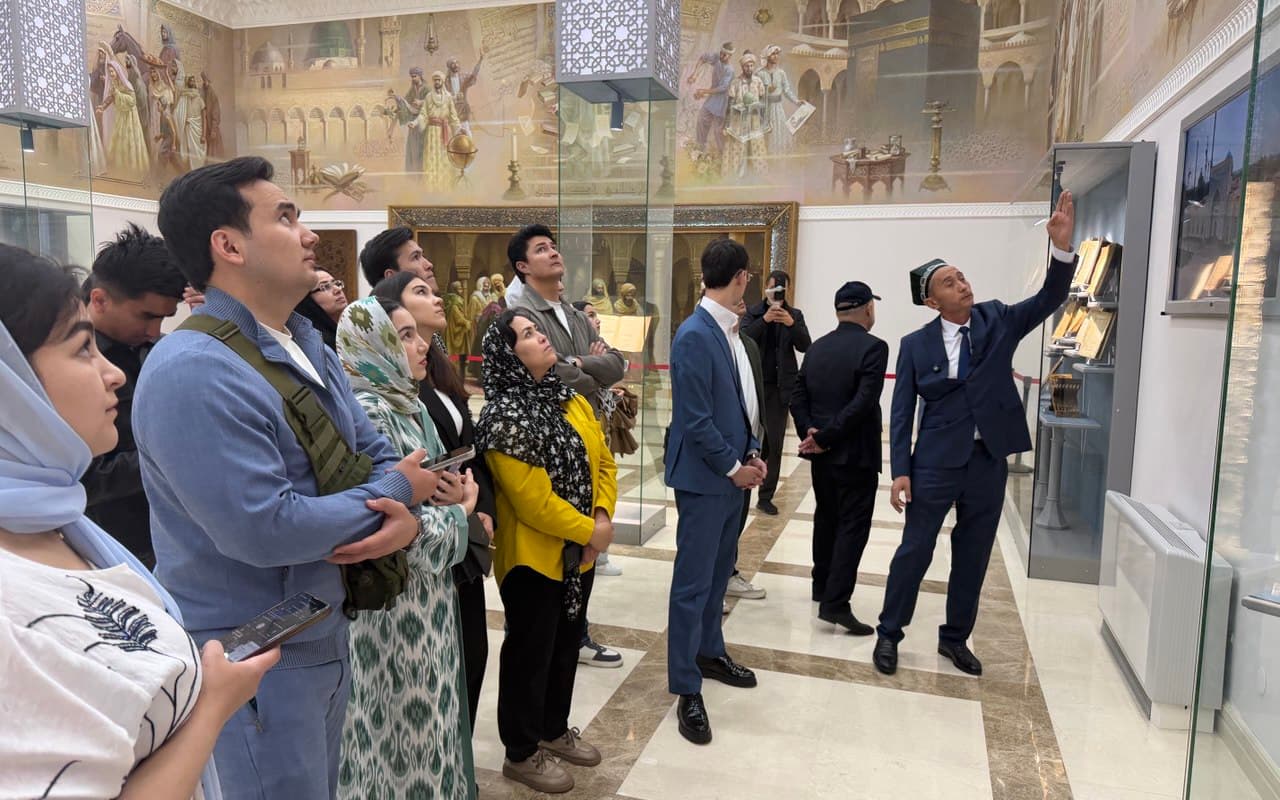
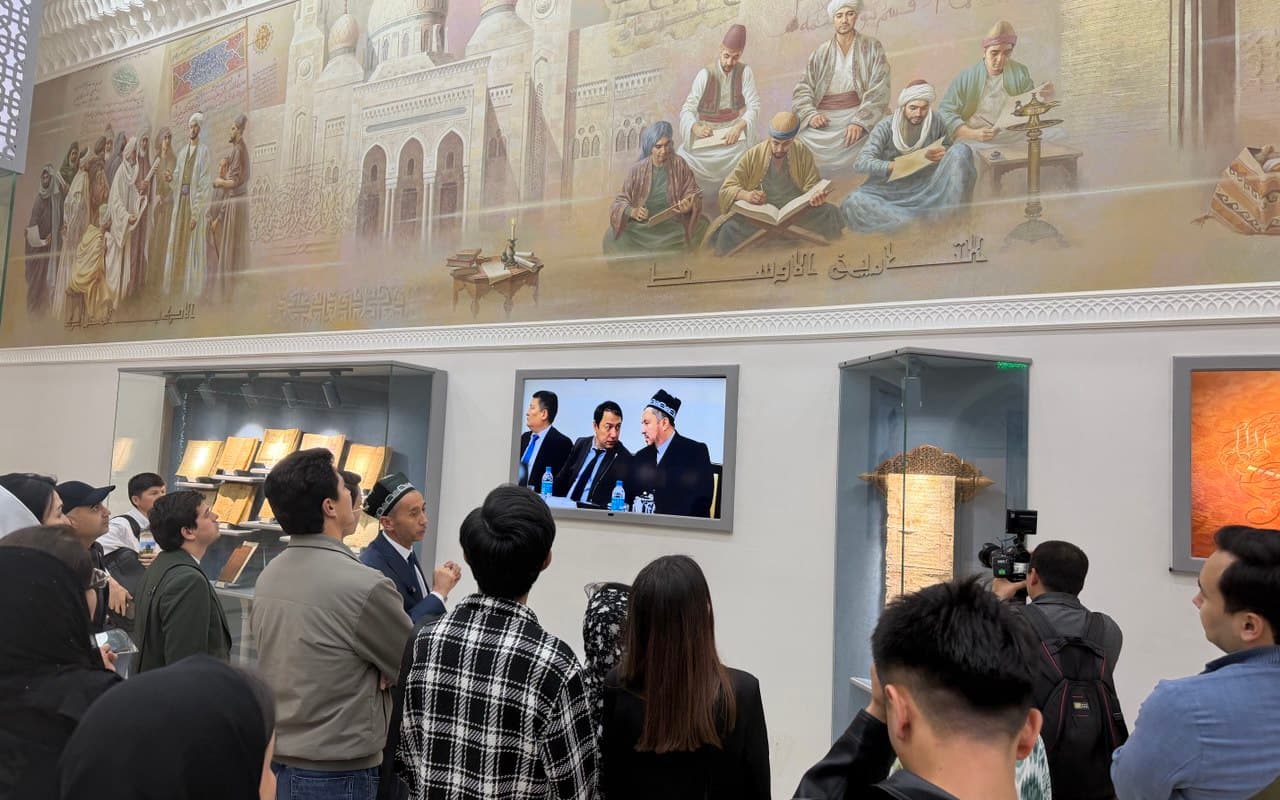
The event was held with the aim of promoting the country’s rich spiritual heritage to a wide audience, developing pilgrimage tourism, and familiarizing journalists with the large-scale development and restoration efforts underway.
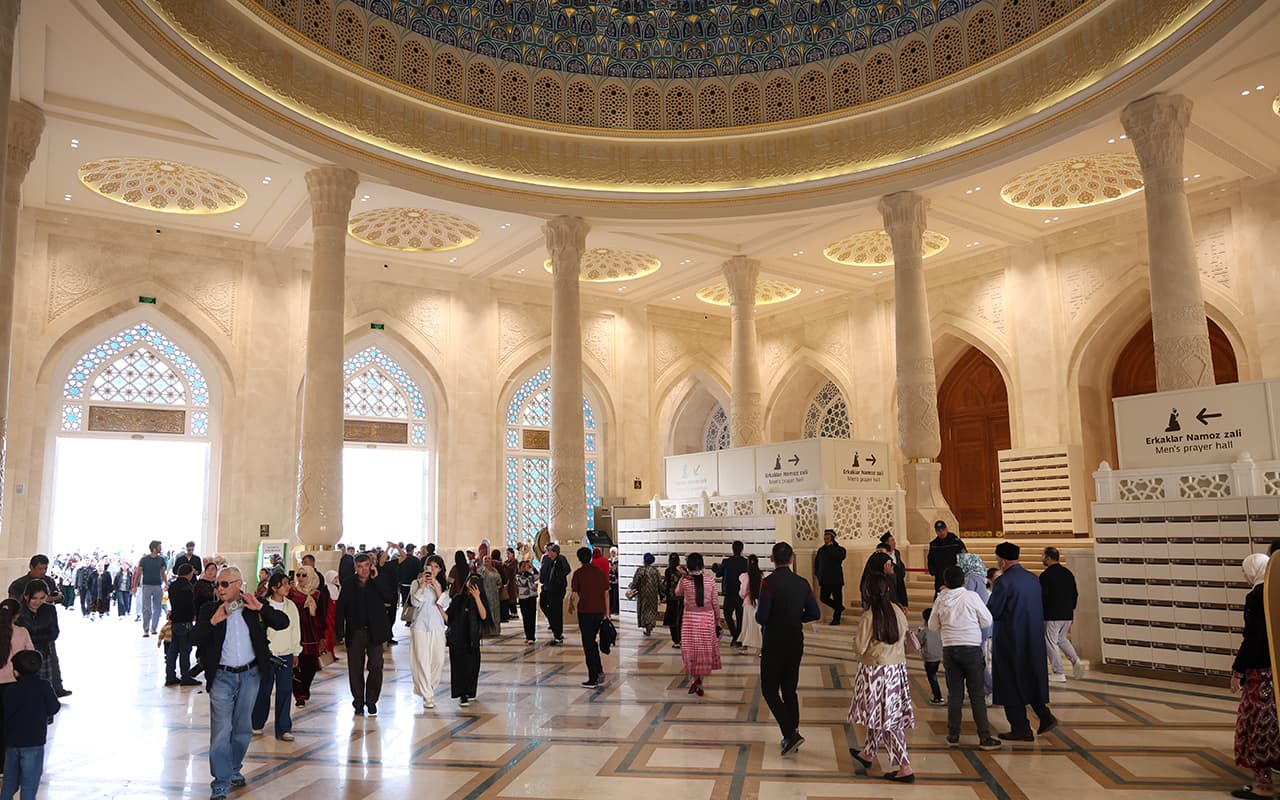
During the press tour, journalists explored the renewed appearance of the complex, the facilities created for visitors, as well as the scientific and educational activities carried out on its premises. The complex serves as an important destination not only for pilgrims but also for scholars and those interested in science. It actively promotes the rich scholarly legacy of the great hadith scholar, Imam Bukhari.
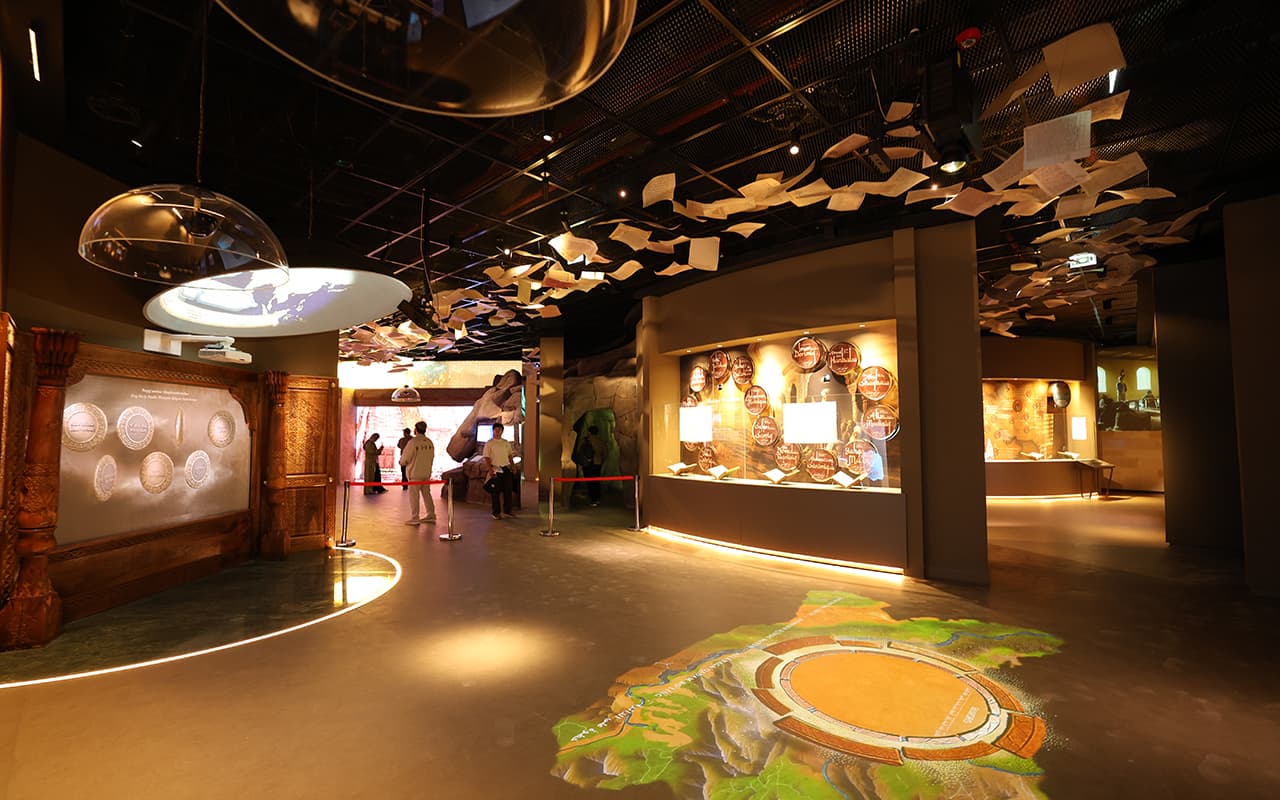
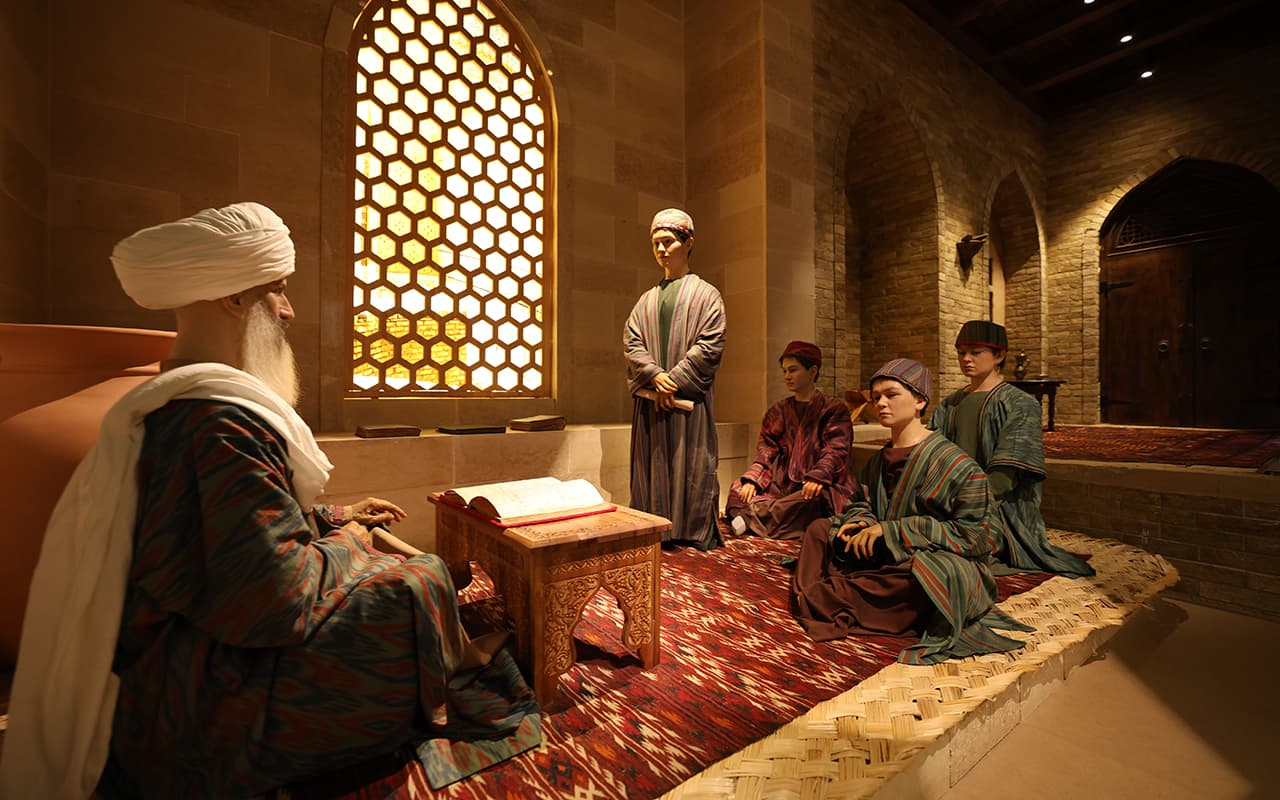
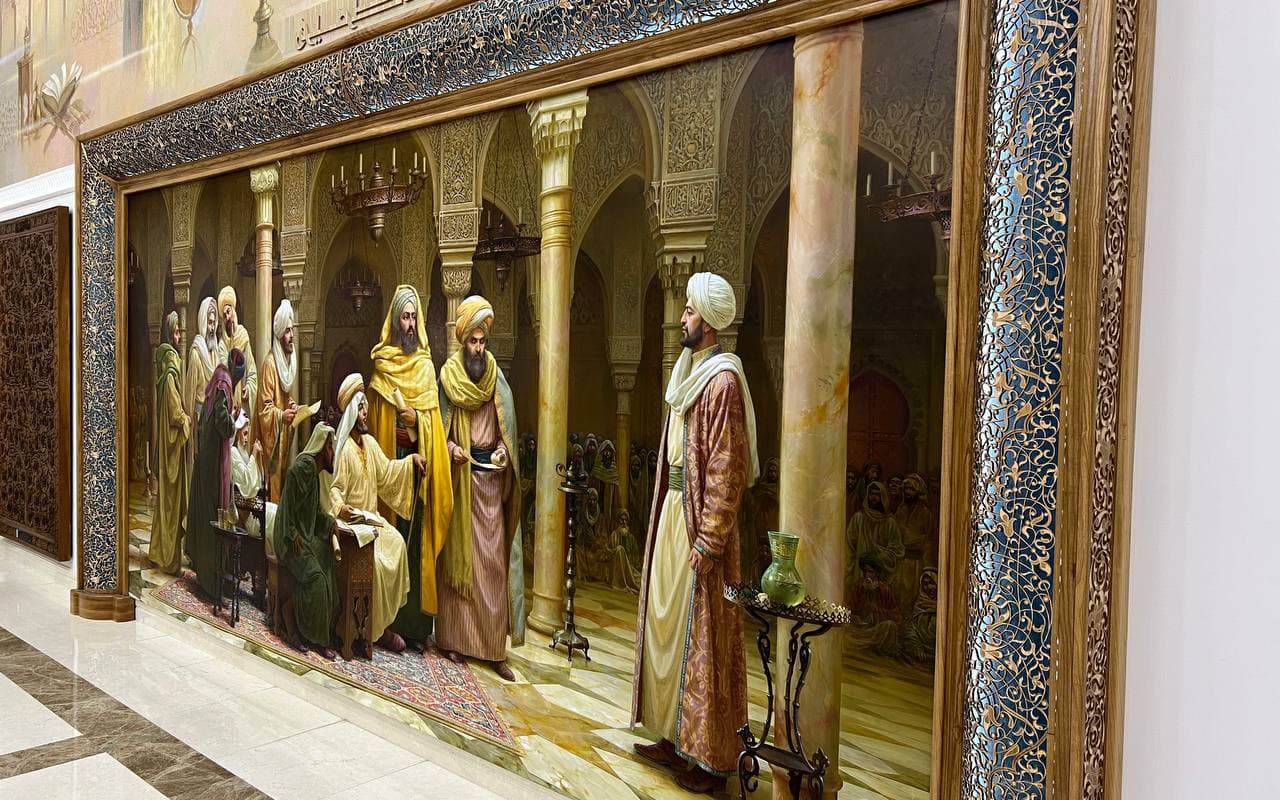
Participants noted that the complex features well-developed pedestrian zones for pilgrims, functioning information centers, and facilities supporting academic research. The innovative museum, consisting of nine pavilions, presents information on the history of the prophets, the lineage of the Prophet Muhammad (peace be upon him), his life in Mecca and Medina, as well as the compilation and recording of hadiths—demonstrating the high level of Islamic scholarship and the international significance of this pilgrimage site.
In addition, media representatives explored a 15-hectare ტურism center located within the complex, where all necessary conditions for pilgrims have been created, including hotels, parking areas, service facilities, and well-developed infrastructure.
It is worth noting that the tourism center includes one four-star hotel, two three-star hotels, as well as 22 family guest houses with a total capacity of 176 beds, along with parking facilities. All sites are fully equipped with essential utilities, and extensive landscaping and improvement works have been carried out. While previously the Imam Bukhari Complex could accommodate up to 12,000 visitors per day, its capacity has now increased to 65,000 pilgrims.
During the press tour, journalists emphasized that interactive services, hospitality infrastructure, and guide systems are organized at a modern level. The large-scale development efforts were highly praised as a clear embodiment of the state’s consistent policy aimed at preserving cultural heritage.