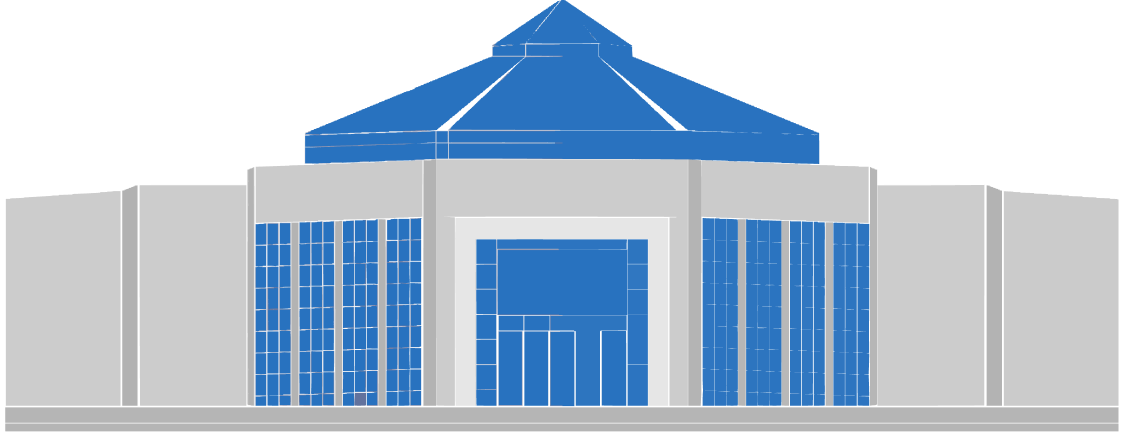
The National Pavilion of Uzbekistan, designed as a traditional Uzbek courtyard, made a vivid impression on guests in Avaza
2025-08-12 11:35:00 / News
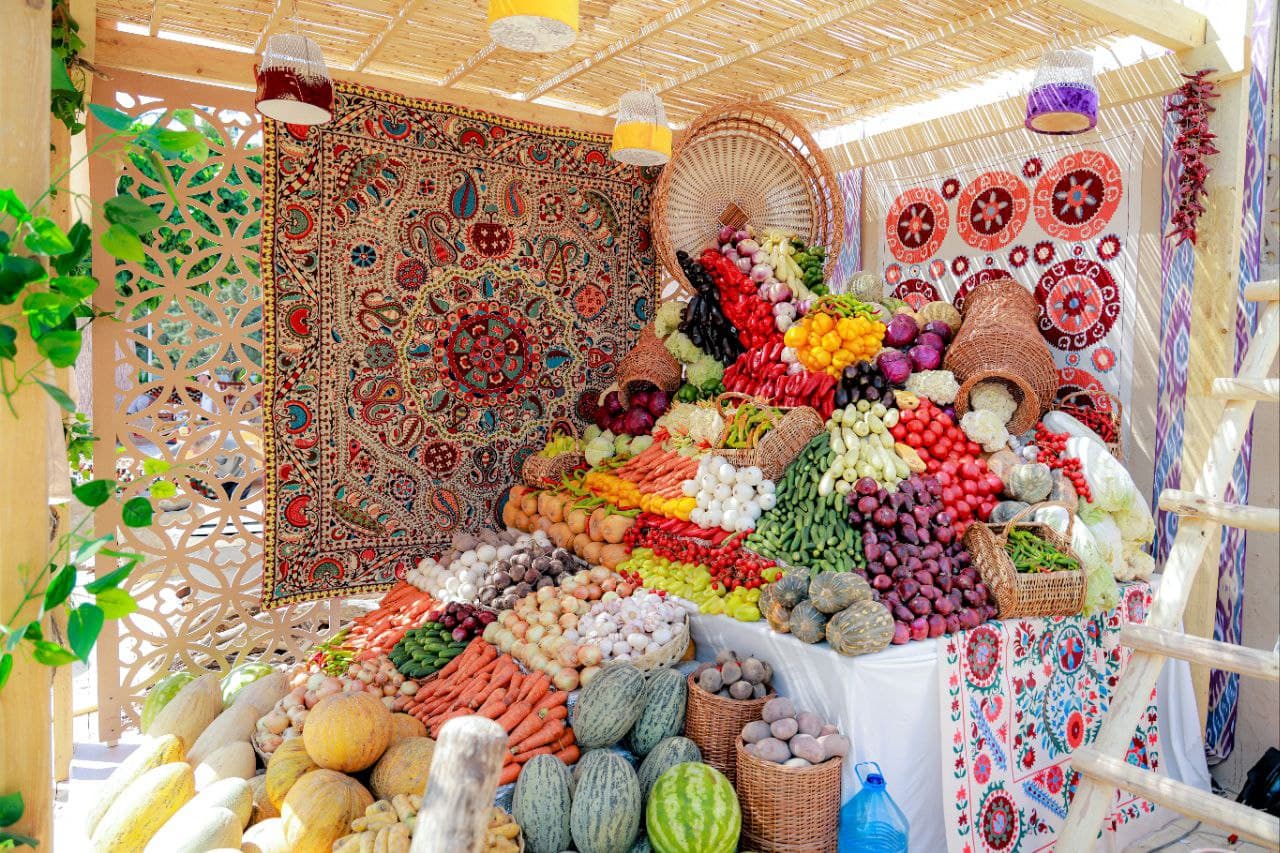
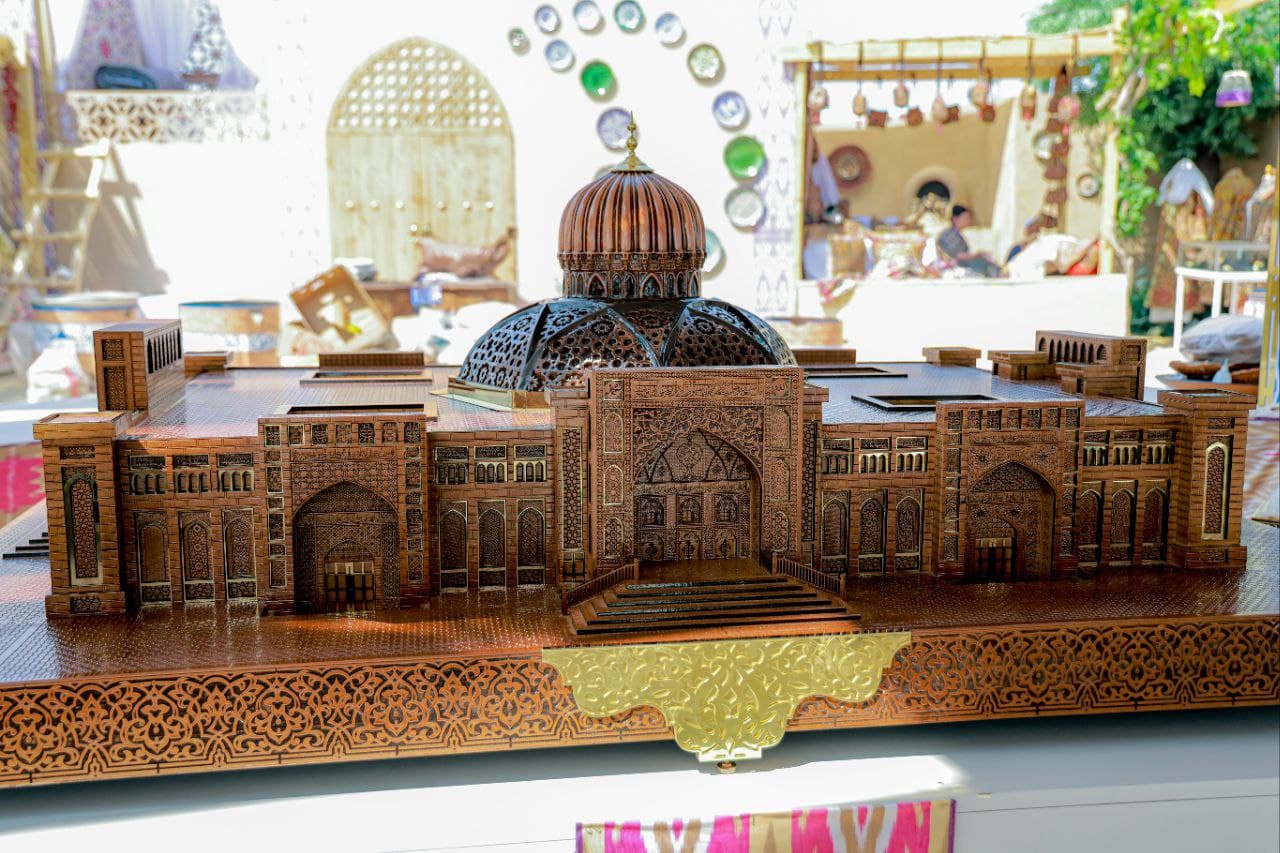
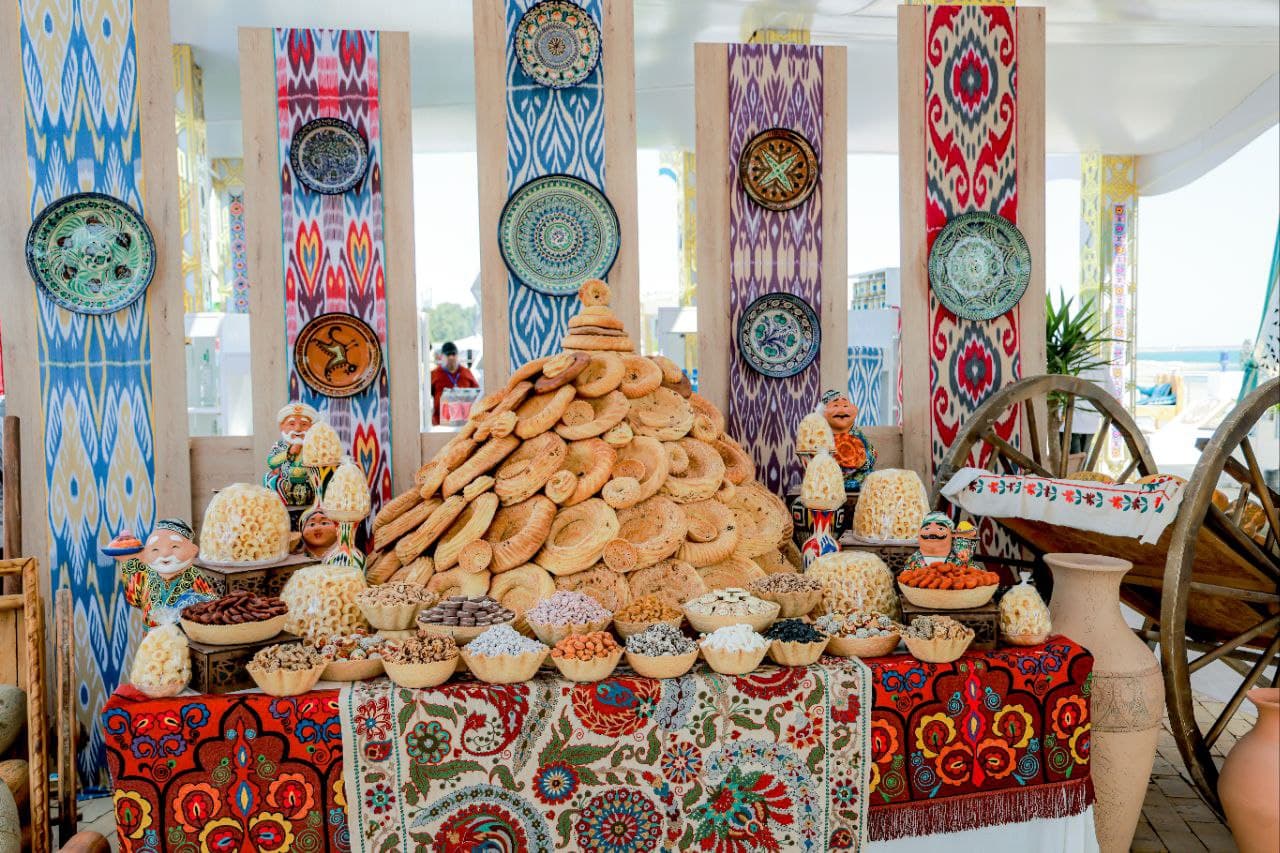
The “National Days of the Central Asian States” were organized to showcase the rich cultural heritage of the peoples of the region, strengthen good neighborly relations, and expand cultural and humanitarian cooperation.
Note: As part of the Third UN Conference on Landlocked Developing Countries, heads of foreign states and other guests visited the National Pavilion of Uzbekistan, which officially opened on August 5 of this year.
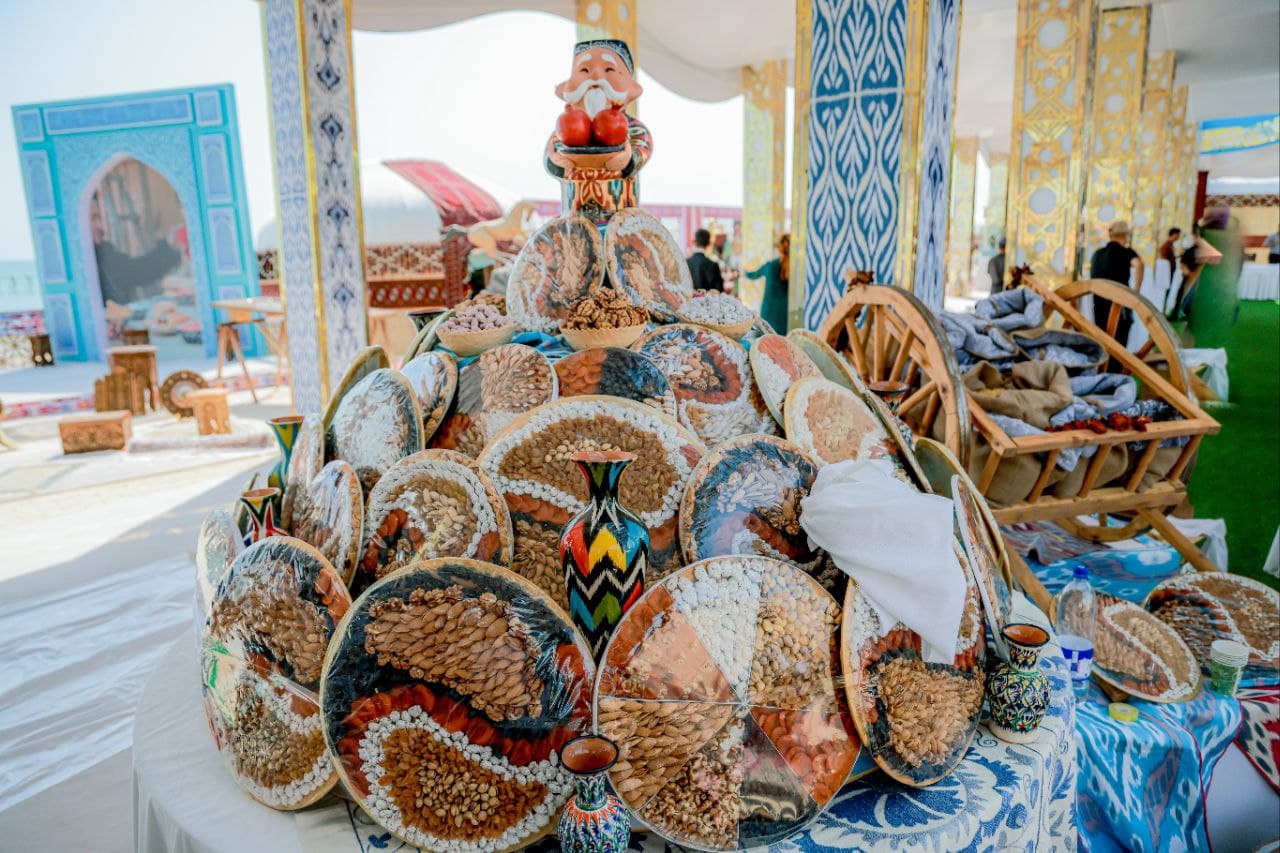
National pavilions featured exhibitions of traditional customs, handicrafts, and modern achievements in the fields of culture, art, and tourism. Culinary presentations and master classes were also held.
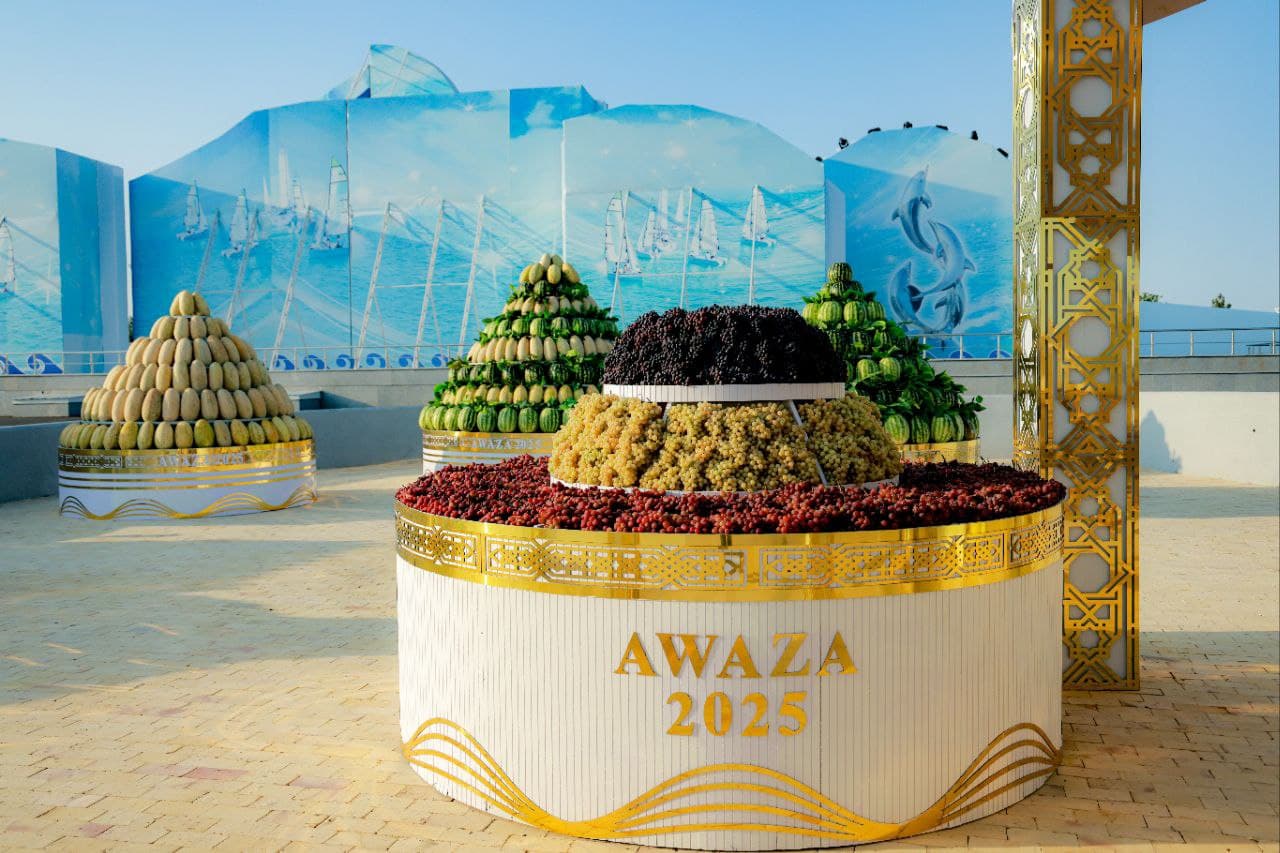
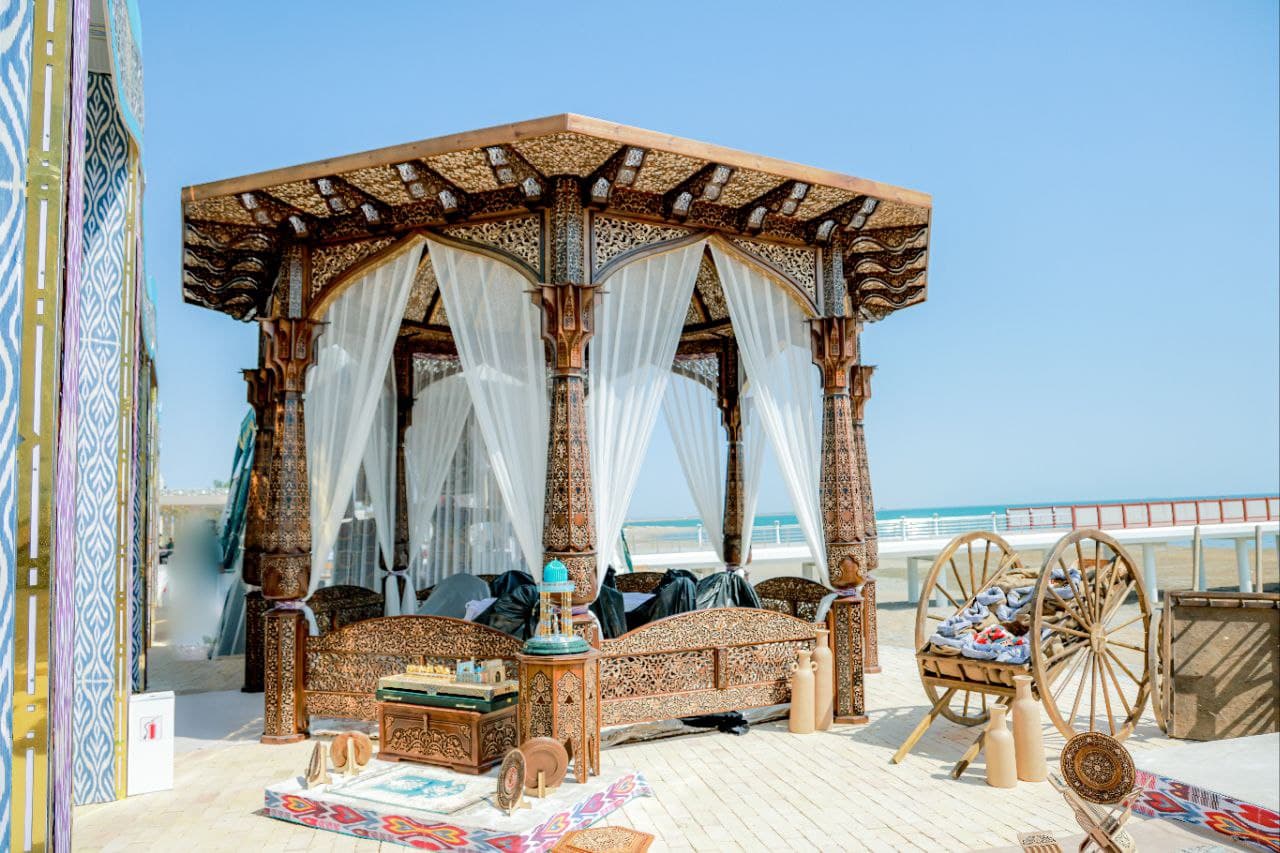
The Uzbekistan Pavilion, designed as a traditional “hovli” (Uzbek courtyard) with national architectural elements, left a lasting impression on visitors.
The event served as another example of regional identity and cultural diversity, helping to strengthen mutual understanding and shape a positive image of Central Asia as a region of peace, stability, and prosperity.
The design of the Uzbekistan Pavilion was inspired by the traditional Uzbek mahalla, surrounded by trees and decorative architecture reflecting the country's historic buildings.
The division of the pavilion into functional zones ensured logical navigation, visitor engagement, and effective presentation of cultural values.
The “National Day of Uzbekistan” was attended by participants of the international conference, diplomatic representatives of foreign countries, members of international and local media, as well as local attendees.
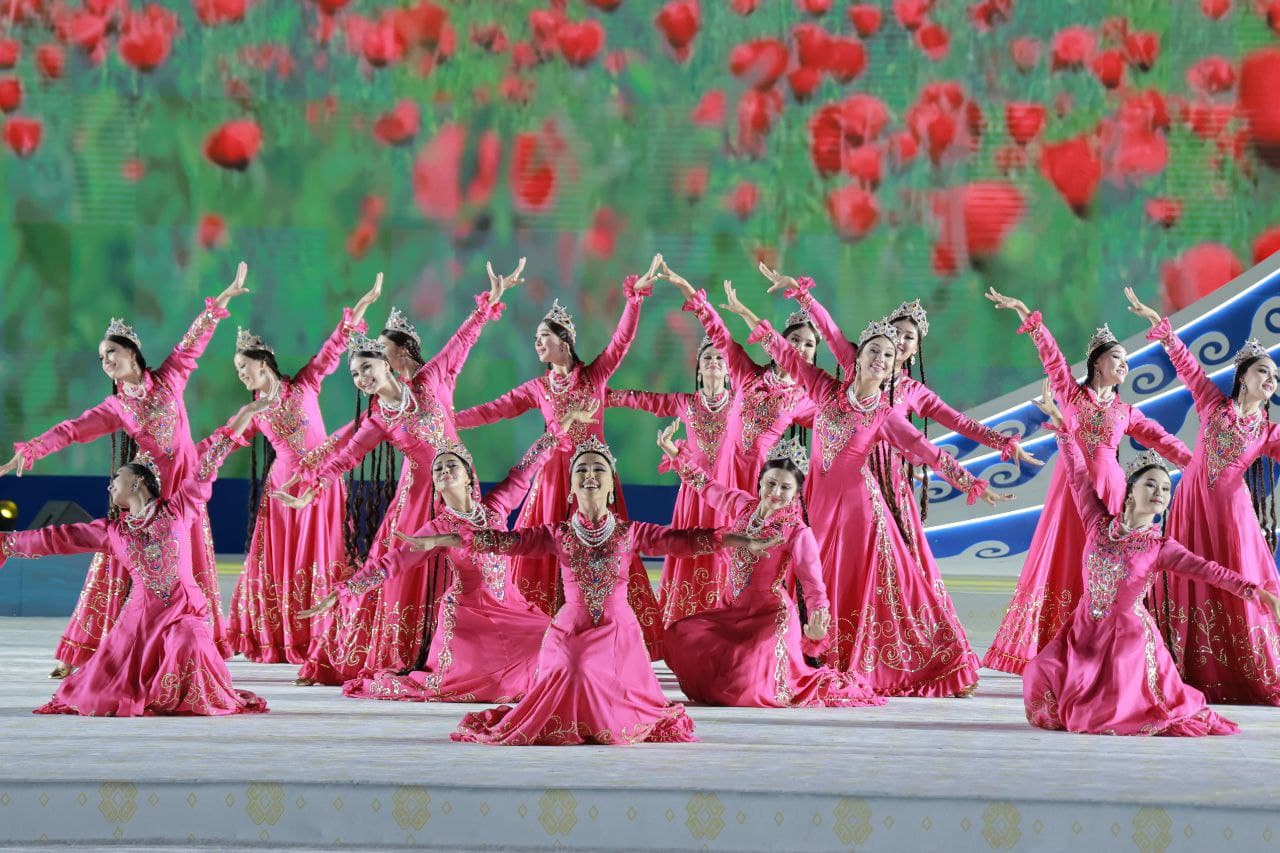
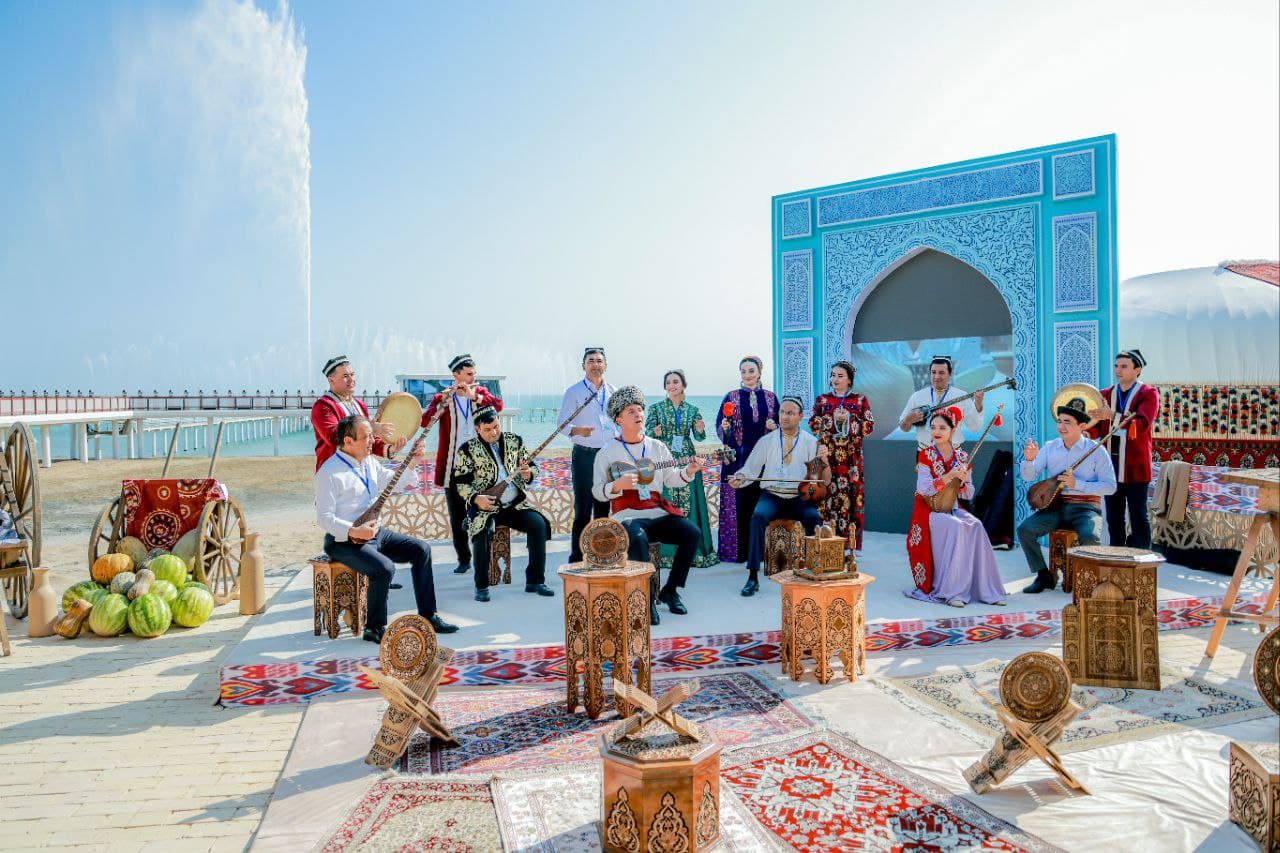
Artists and cultural representatives performed artistic presentations featuring national melodies, songs, and dances.
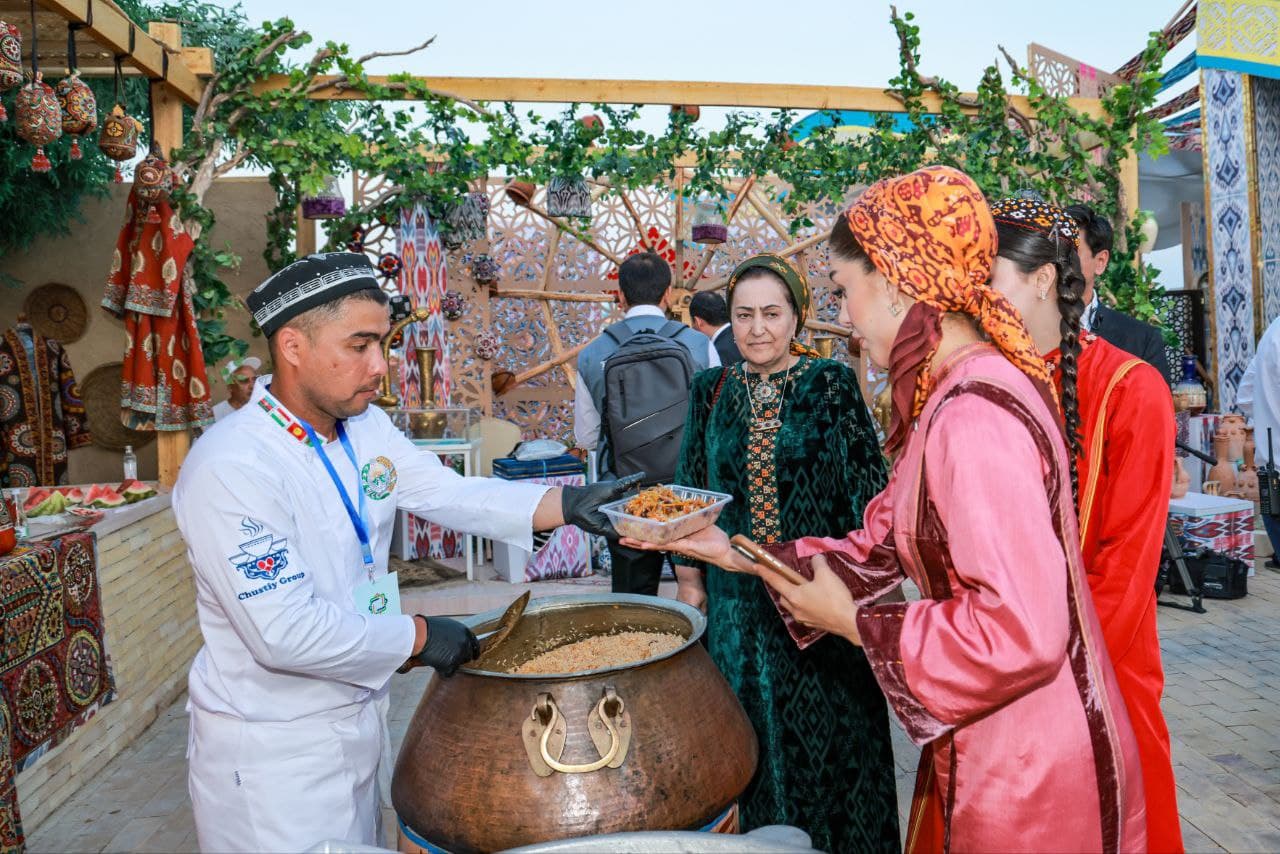
To widely promote the gastronomic and tourism potential of Uzbekistan, guests were offered national dishes prepared by a team of chefs led by a renowned Uzbek chef. The menu included four types of plov, samsa, manti, shashlik, and Zaamin-tandyr meat.
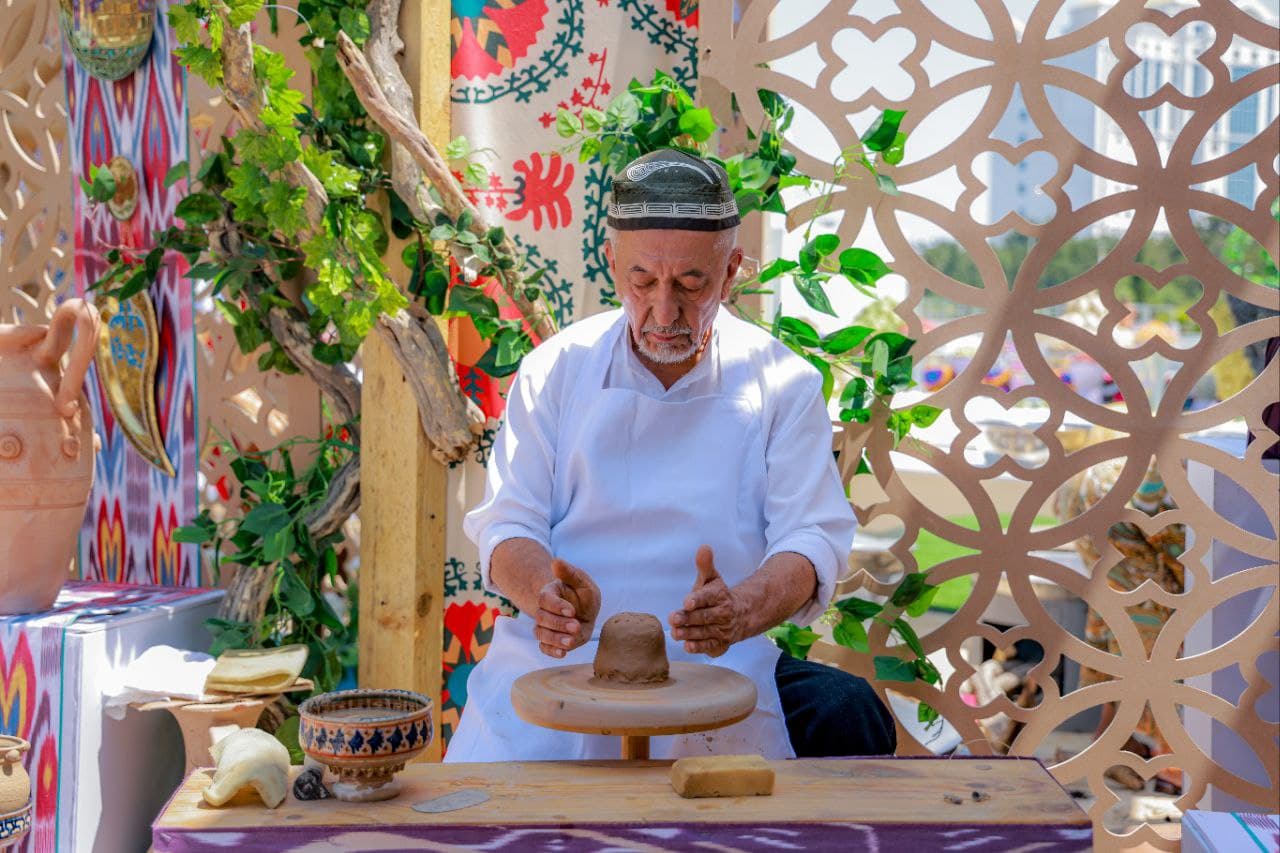
In addition, the pavilion hosted an exhibition of traditional handicrafts, along with live master classes by well-known Uzbek artisans.