
An infotour to the Eski Khovos archaeological site, dating back to the 4th–3rd centuries BC, held in Syrdarya Region
2026-09-11 16:10:00 / News
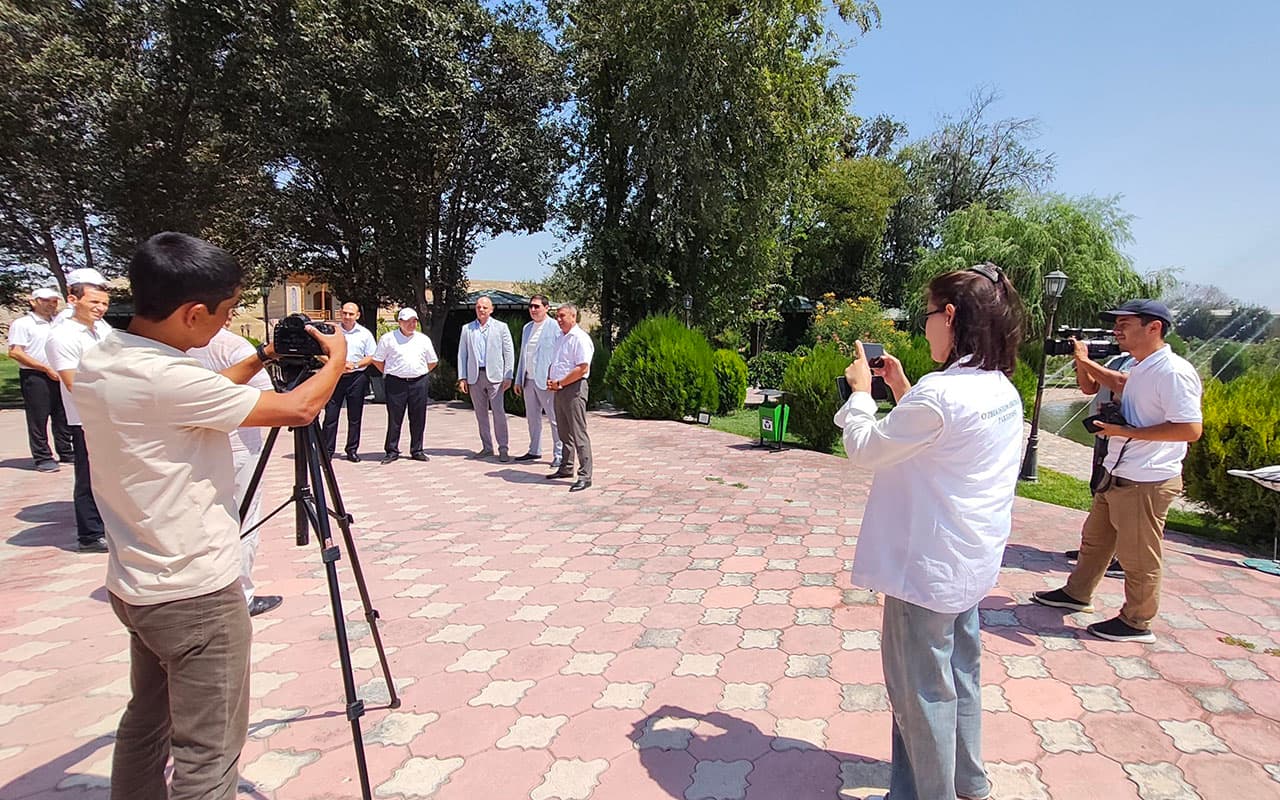
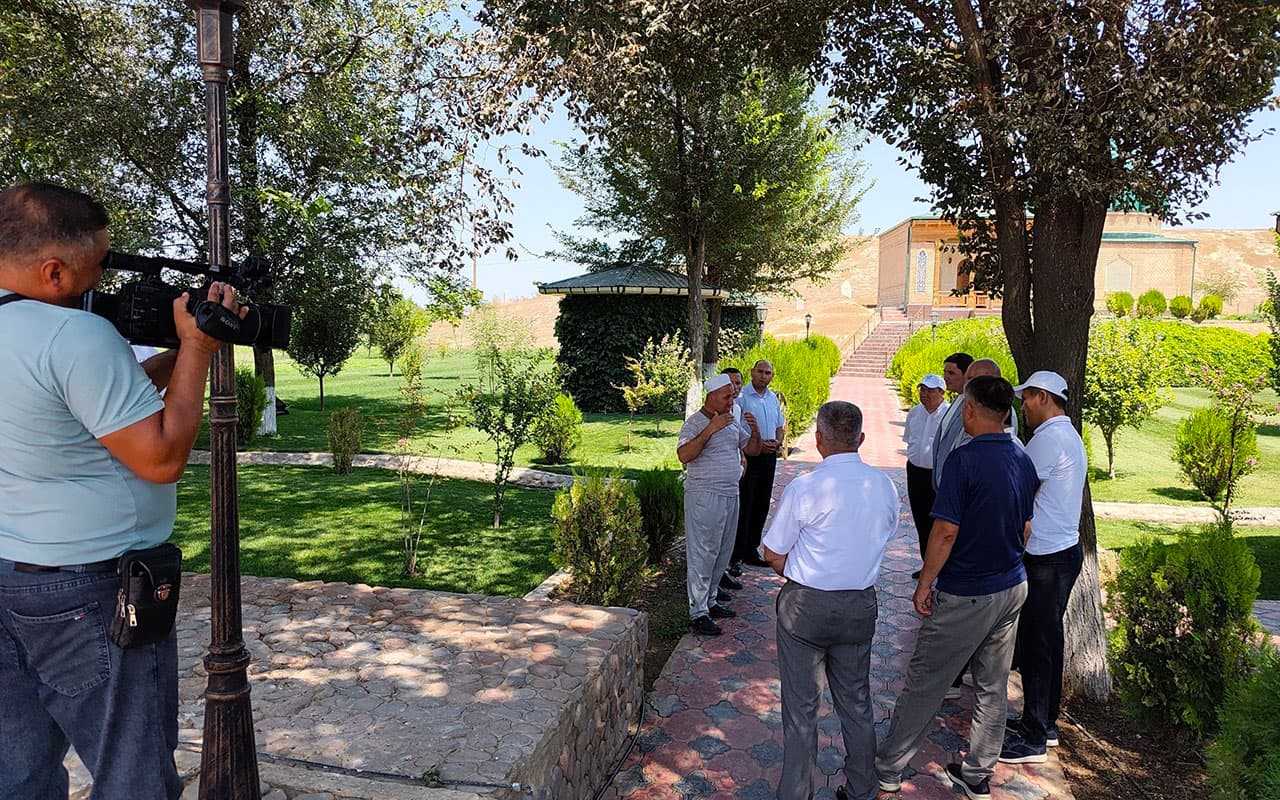
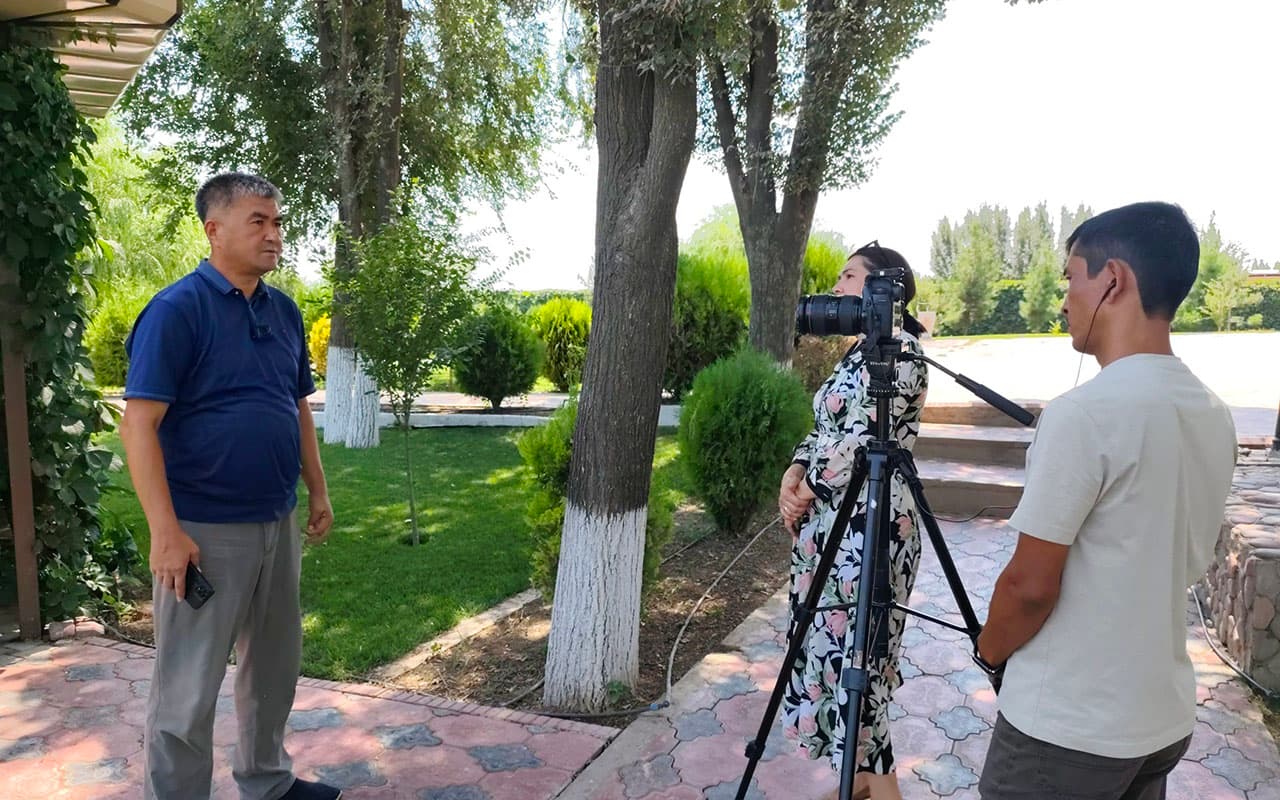
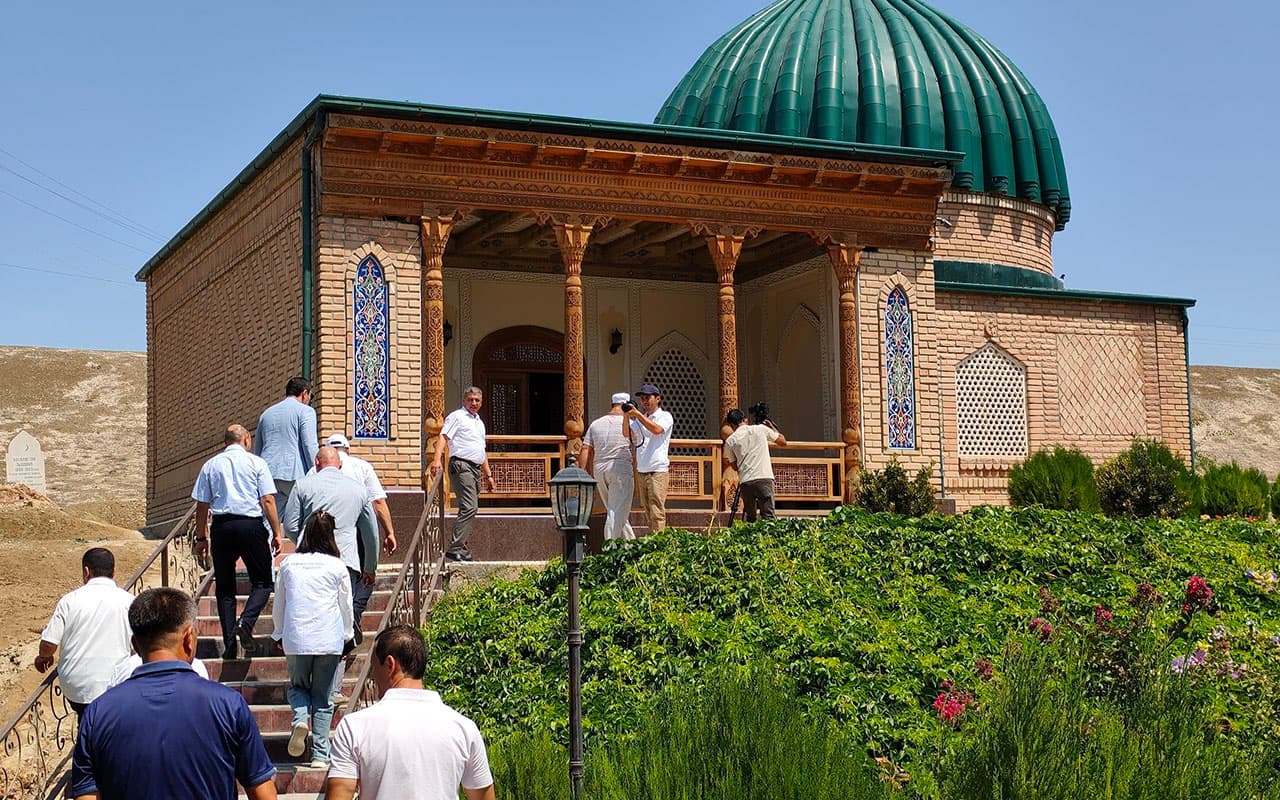
The infotour brought together representatives of the media, bloggers and members of the Ecological Party of Uzbekistan. During the trip, participants visited a number of tourist attractions, sacred sites and historical monuments in Khavast District.
Eski Khovos is one of the oldest and most significant archaeological sites dating to the Hellenistic period in Syrdarya Region. The settlement emerged in the 4th–3rd centuries BC, while continuous habitation of the area continued until the mid-20th century, up to 1953. The site is regarded as an important reference point for studying the history of the wider Ustrushana region.
The total area of the site covers approximately 10–12 hectares. Its central part, known as the Ark, occupies around 2 hectares, while the surviving fortress walls reach up to 15 metres in height. In ancient times, a special canal was constructed from the Shorbulak-Say stream to provide the settlement’s population with water. Archaeological evidence indicates that this artificial waterway remained in use until 1812.
Archaeological excavations conducted by M. Masson and A. Gritsinina revealed a cultural layer measuring up to 14 metres in thickness. The site has yielded remains of brick walls characteristic of the Hellenistic period, ancient lamps, ceramic vessels, large millstones and a number of unique historical artefacts, including a figurine of Anahita, the goddess of fertility.
Today, the ruins of the Eski Khovos settlement are recognised as a cultural heritage site under state protection. Located near the village of Khavasabad (Karvansaray), the monument serves as an open-air museum, offering tourists and history enthusiasts an opportunity to explore the centuries-old way of life of the region’s ancestors.