
Uzbekistan and Korea strengthen cooperation on ai-based tourist flow management in Ichan Kala
2026-08-25 16:50:00 / News
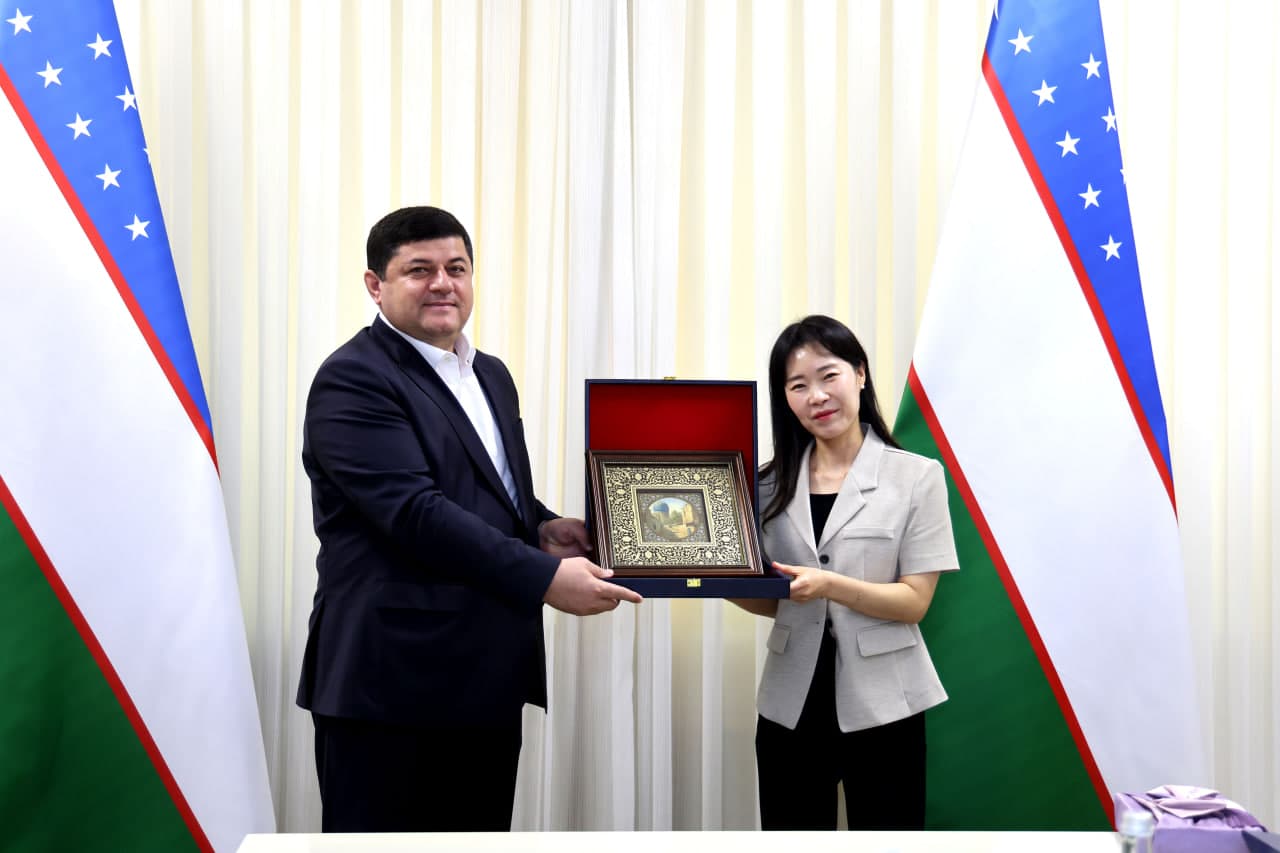
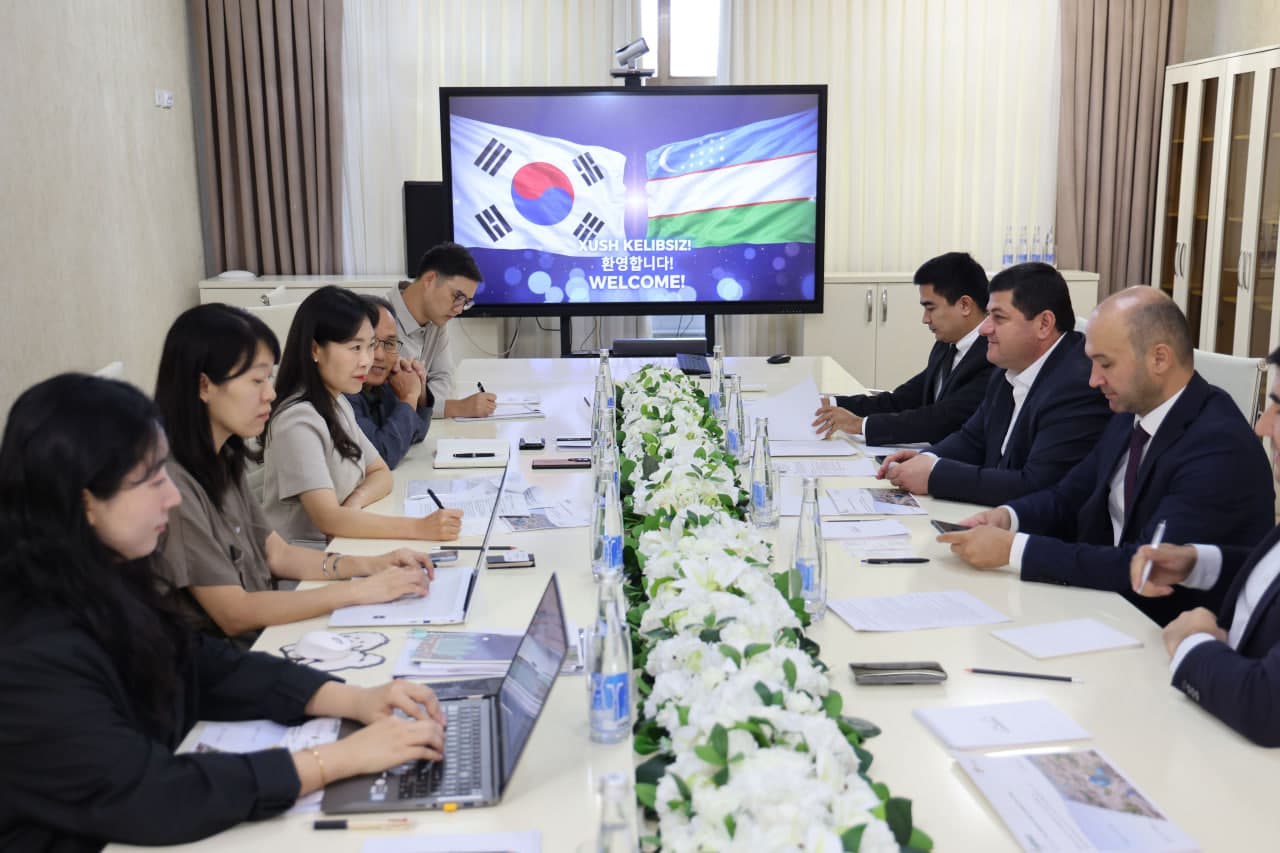
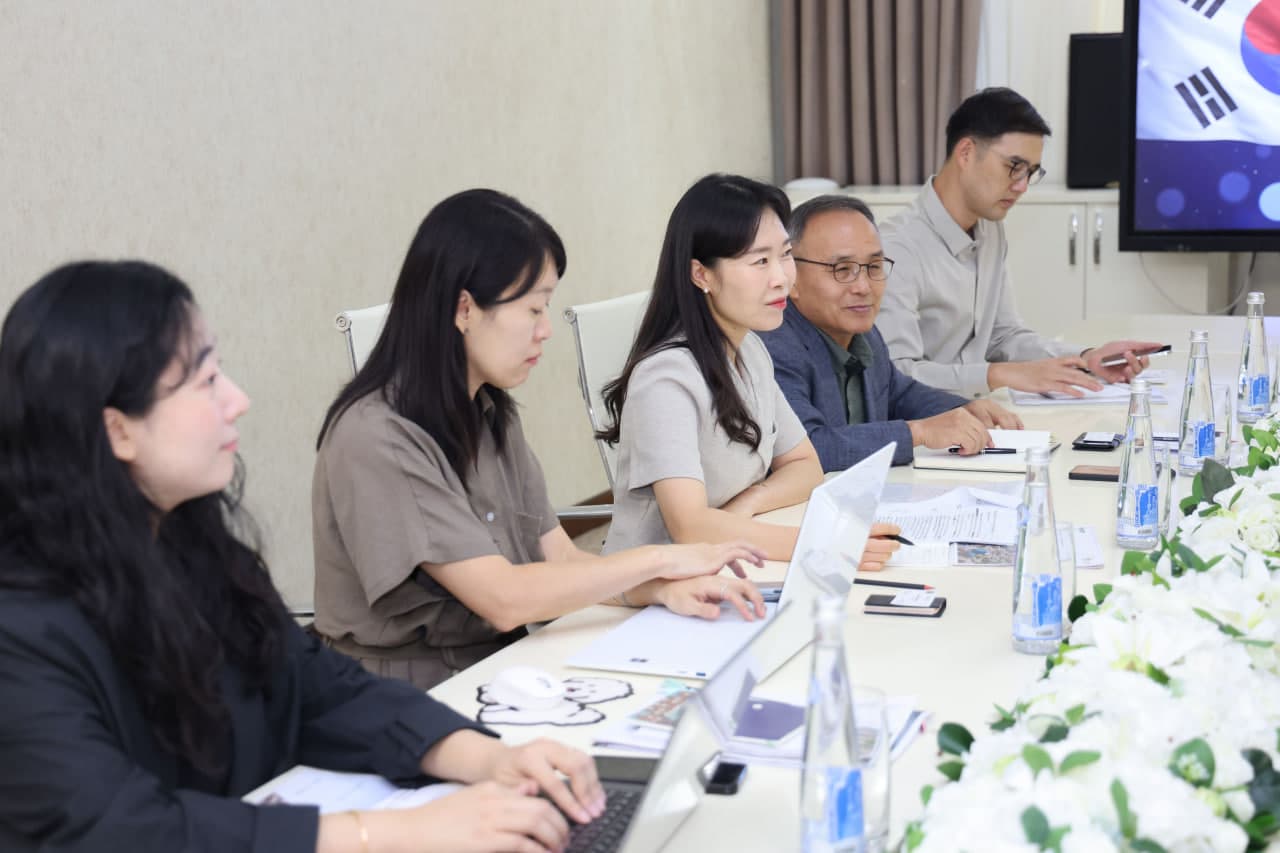
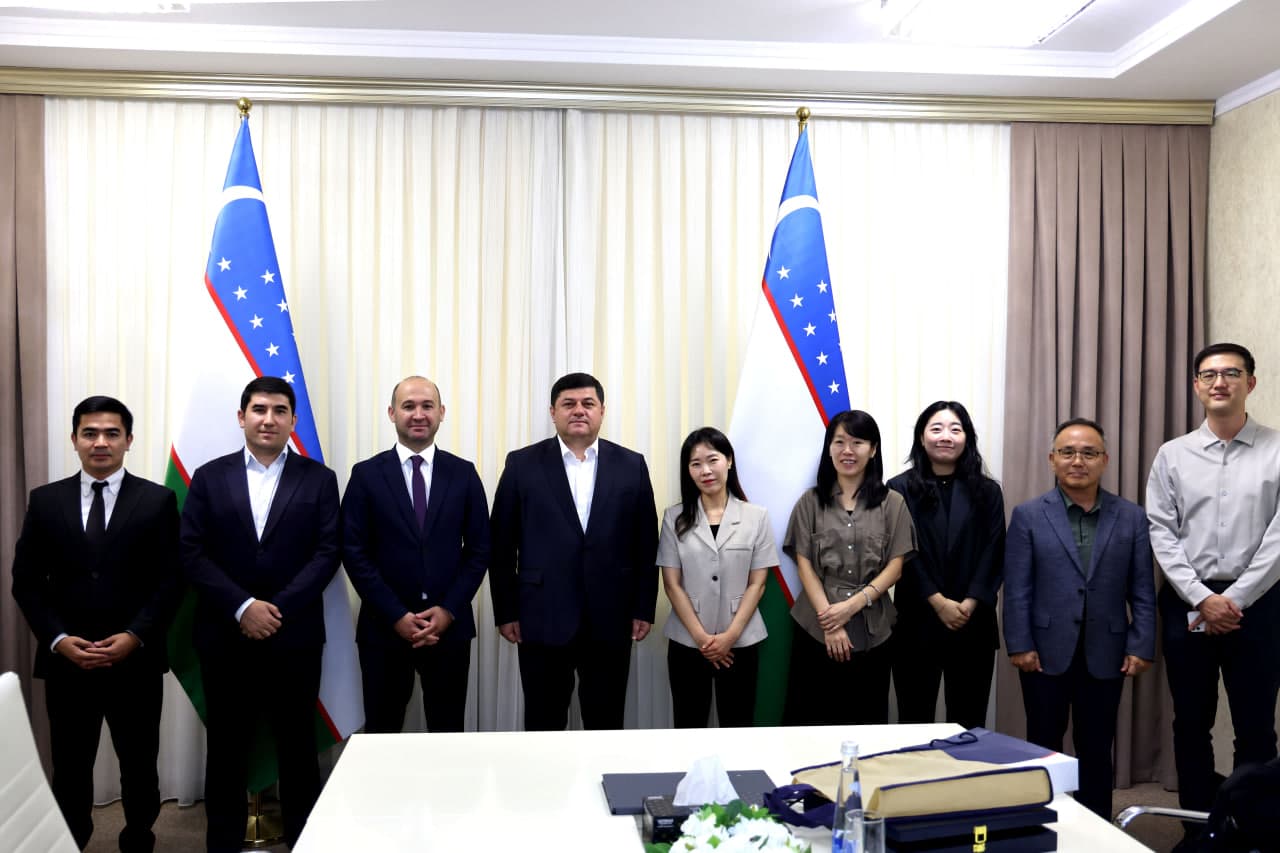
The meeting focused on the implementation, within the framework of the KOPIST program, of a project aimed at managing tourist flows through artificial intelligence technologies at the Ichan Kala State Museum-Reserve in the city of Khiva.
KOPIST is an international cooperation program in the field of sustainable tourism initiated by the Ministry of Culture, Sports and Tourism of the Republic of Korea and implemented by the Korea Tourism Organization. Under the program, concepts for promising projects are developed jointly with partner countries and prepared for financing through the Korean Government’s Official Development Assistance (ODA) program.
In May this year, representatives of Uzbekistan participated in a high-level forum on tourism policy held in Korea. In June, within a competition involving representatives from 10 countries, Uzbekistan’s project “Managing Tourist Flows in Ichan Kala through Artificial Intelligence Technologies” took first place. As a result, the “Global Intensive Consulting” program is being organized for Uzbekistan.
The main objective of the project is to introduce a real-time system for monitoring and managing tourist flows in Ichan Kala, digitalize tourism infrastructure and strengthen the capacity of local specialists.
The project envisages introducing a monitoring system based on sensors and AI-powered data analysis, installing smart navigation signs that do not physically affect historical monuments, developing alternative tourist routes bypassing the central street, and organizing specialized training programs for artisans and museum-reserve staff.
Tourist flows to Khiva are expected to increase as a result of the expansion of Urgench International Airport and improvements to railway connectivity. In this regard, the introduction of a modern technological system for effectively managing tourist flows in Ichan Kala is of particular importance.
The project is expected primarily to increase the number of tourists while preserving the historical and cultural heritage, extend the length of their stay in Khiva and ensure a broader distribution of the economic benefits of tourism among the local population.