
Uzbekistan presents new investment opportunities in tourism at TIIF 2026
2026-06-18 19:10:00 / News



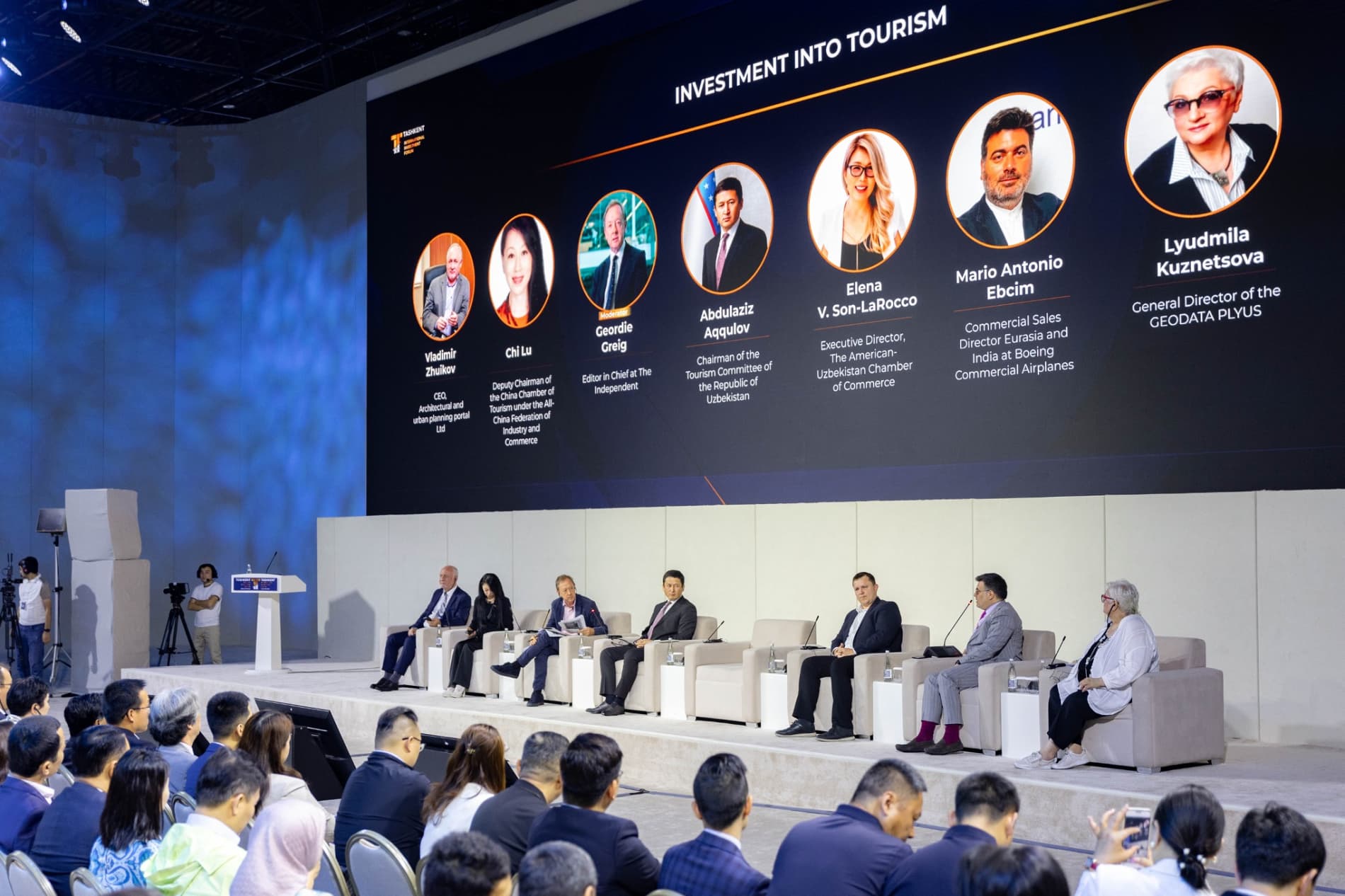

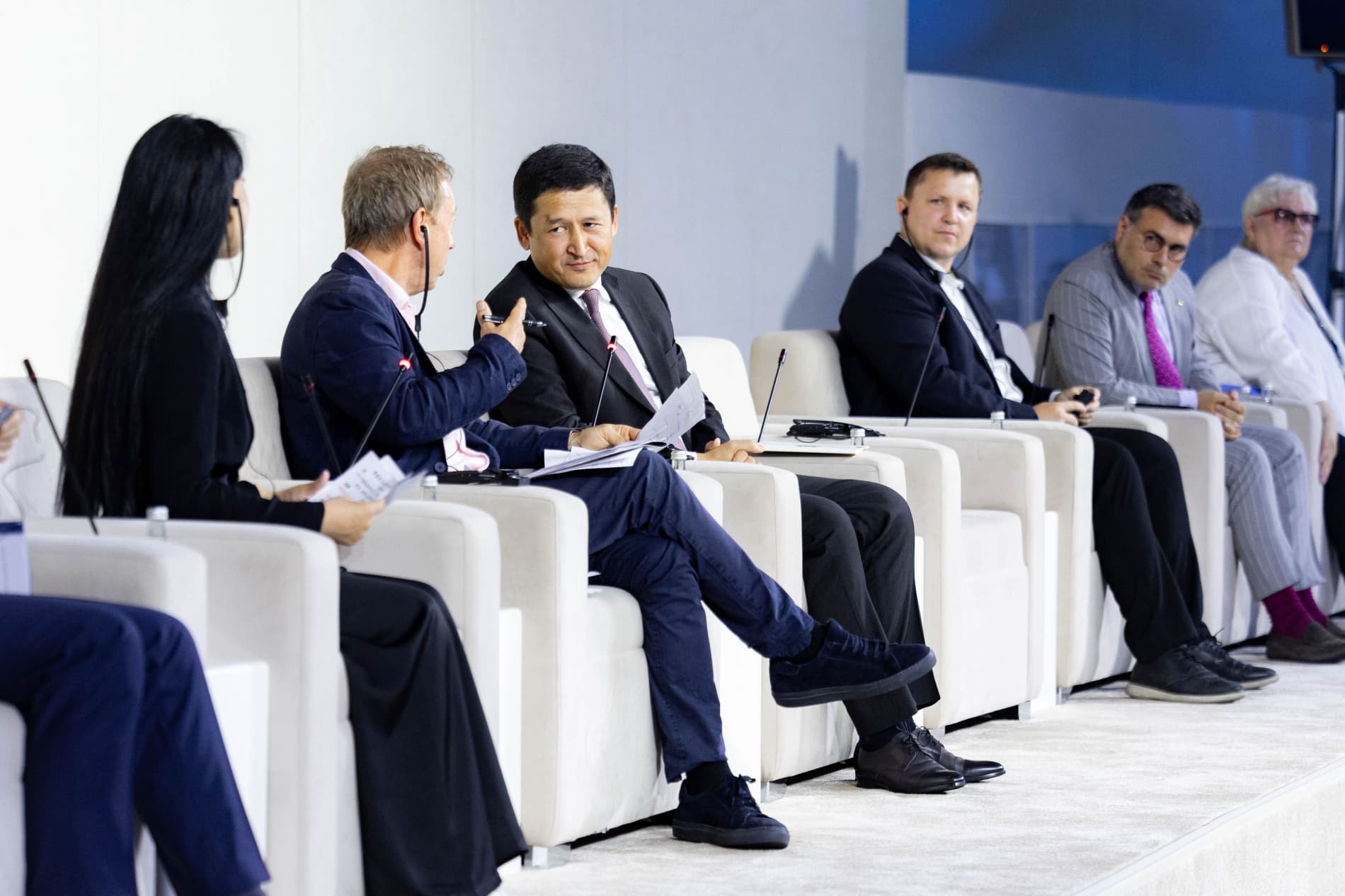
The discussion brought together key representatives from the public and private sectors, including Abdulaziz Akkulov, Chairman of the Tourism Committee of the Republic of Uzbekistan; Mario Antonio Ebsim, Commercial Sales Director for Eurasia and India at Boeing; Vladimir Zhuykov, CEO of Architectural and Urban Planning Portal LLC; Elena Son-LaRocco, Executive Director of the American-Uzbekistan Chamber of Commerce; Lyudmila Kuznetsova, CEO of GEODATA PLUS; Nathan Benson, Project Manager at Governful; and Qi Lu, Vice Chairman of the China Tourism Chamber under the All-China Federation of Industry and Commerce. The session was moderated by Jordi Greig, Editor-in-Chief of The Independent.
Participants explored the future of tourism infrastructure development, government support mechanisms, and opportunities for attracting international capital into one of Uzbekistan’s fastest-growing economic sectors.
A key focus of the discussion was the transition from isolated tourism initiatives to large-scale investment projects, where tourism serves as a catalyst for the development of entire regions. Particular attention was given to segments with the shortest investment cycles and highest growth potential, including hotel development, integrated tourism complexes, and infrastructure projects designed to accommodate growing international visitor numbers.
According to Uzbekistan’s Tourism Development Strategy 2030, the country aims to increase annual tourist arrivals to 20 million visitors, expand tourism exports to more than US$6 billion, extend the average length of stay from the current level to 7–8 days, and raise average visitor spending from US$415 to US$1,000 per tourist. To achieve these goals, Uzbekistan is investing in expanded transport connectivity, modern hospitality infrastructure, enhanced visitor services, and the promotion of high-value tourism segments such as MICE tourism, gastronomy, ecotourism, pilgrimage tourism, film tourism, and luxury travel.
"Today, Uzbekistan offers investors not only unique tourism resources and a rich cultural and historical heritage, but also a comprehensive system of government support for tourism projects. We are creating favorable investment conditions through tax incentives, subsidies, preferential financing mechanisms, and public-private partnership opportunities," said Abdulaziz Akkulov, Chairman of the Tourism Committee of the Republic of Uzbekistan.
Tourism has become one of the fastest-growing sectors of Uzbekistan’s economy. During the first five months of 2026, the country welcomed more than 5.3 million international visitors, representing a 37% increase compared to the same period last year. According to the latest data from the UN Tourism, Uzbekistan ranks among the Top 5 countries worldwide for tourism growth rates.
These achievements are the result of a consistent policy of openness and tourism-focused reforms. Uzbekistan currently offers a visa-free regime for citizens of 95 countries, an electronic visa system for nationals of 52 countries, and a visa-free transit regime for travelers from 45 countries. The country has also introduced specialized visa categories for students, researchers, medical tourists, and pilgrimage travelers.
Tourism infrastructure has expanded significantly in recent years. The number of accommodation facilities has increased nearly ninefold, surpassing 7,000 hotels and lodging establishments nationwide. Today, Uzbekistan hosts around 30 international hospitality brands, including Hilton, Marriott International, InterContinental Hotels Group, Radisson Hotel Group, Holiday Inn, Wyndham Hotels & Resorts, and Mercure.
Growing international investor interest in Uzbekistan’s tourism sector is driven by a combination of institutional reforms, large-scale infrastructure development, and increasing global demand for authentic and emerging travel destinations. As Uzbekistan continues to strengthen its position on the global tourism map, the country is positioning itself not only as a destination rich in culture and heritage, but also as one of the most promising tourism investment markets in the region.