
Comprehensive activities conducted in Navoi region and prospective projects reviewed to expand tourism potential and improve service quality
2026-02-08 12:30:00 / News
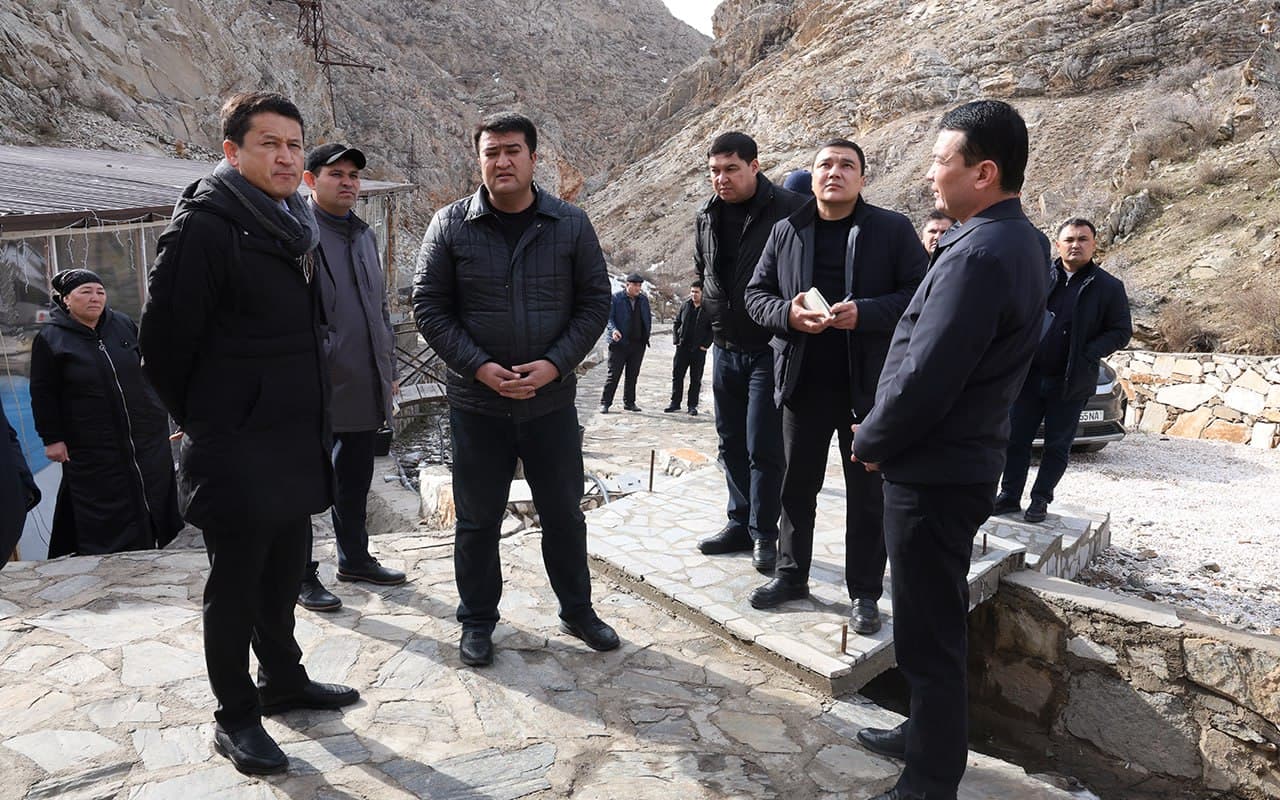
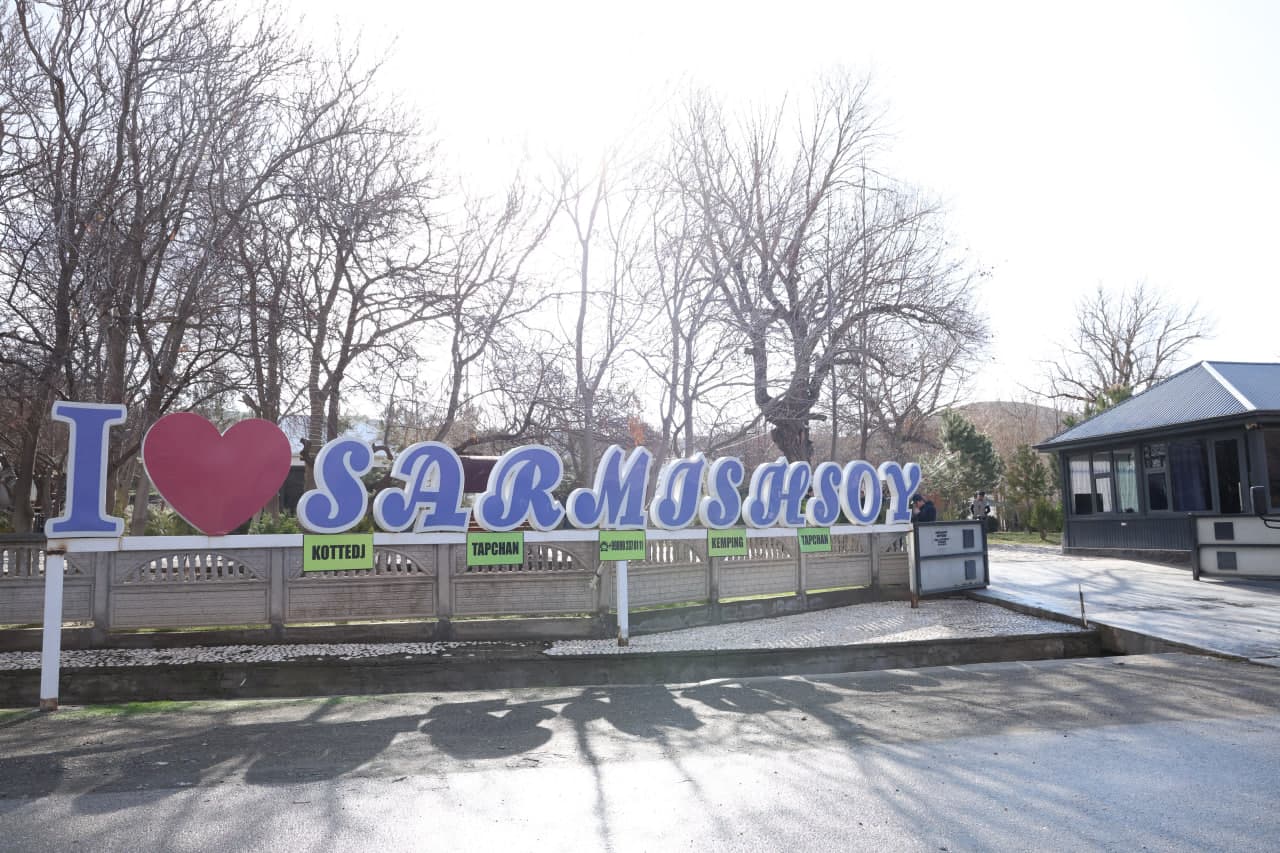
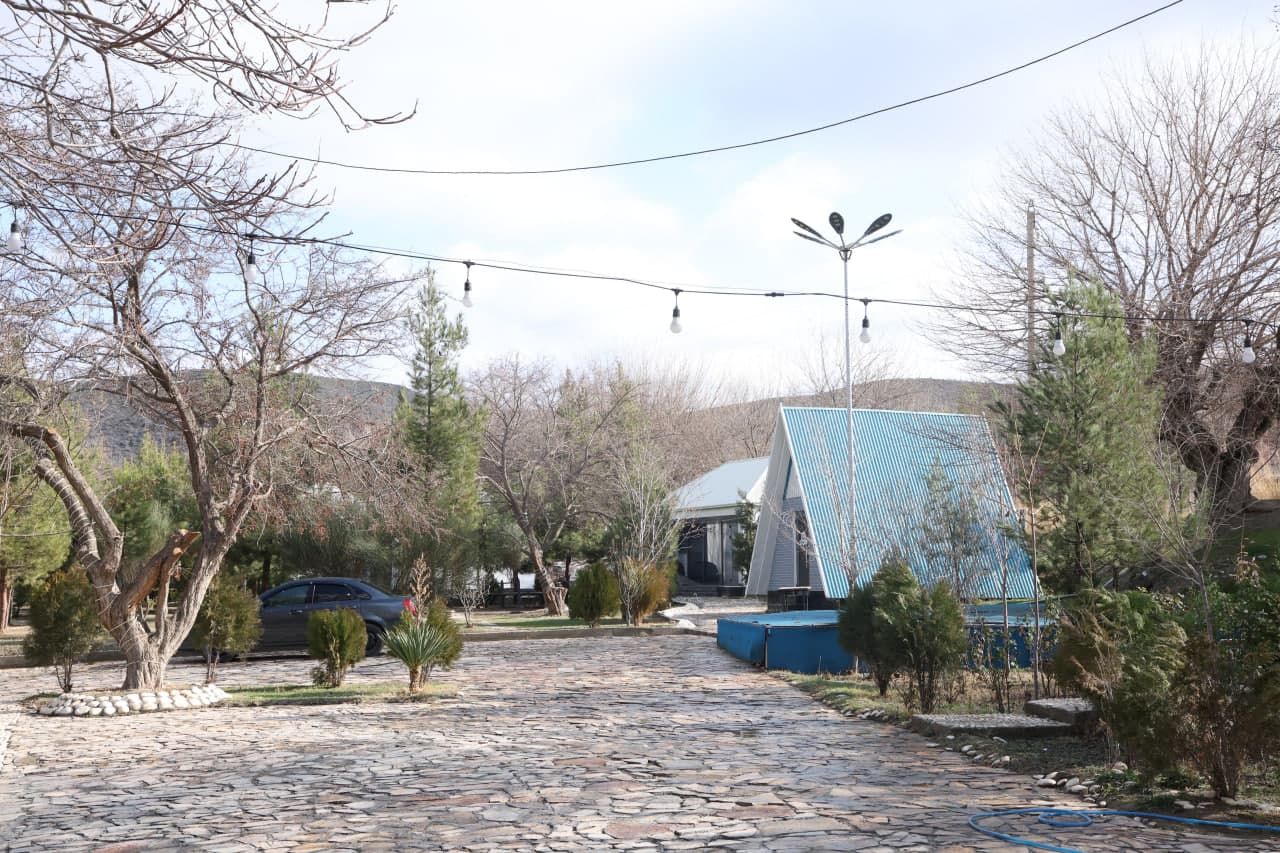
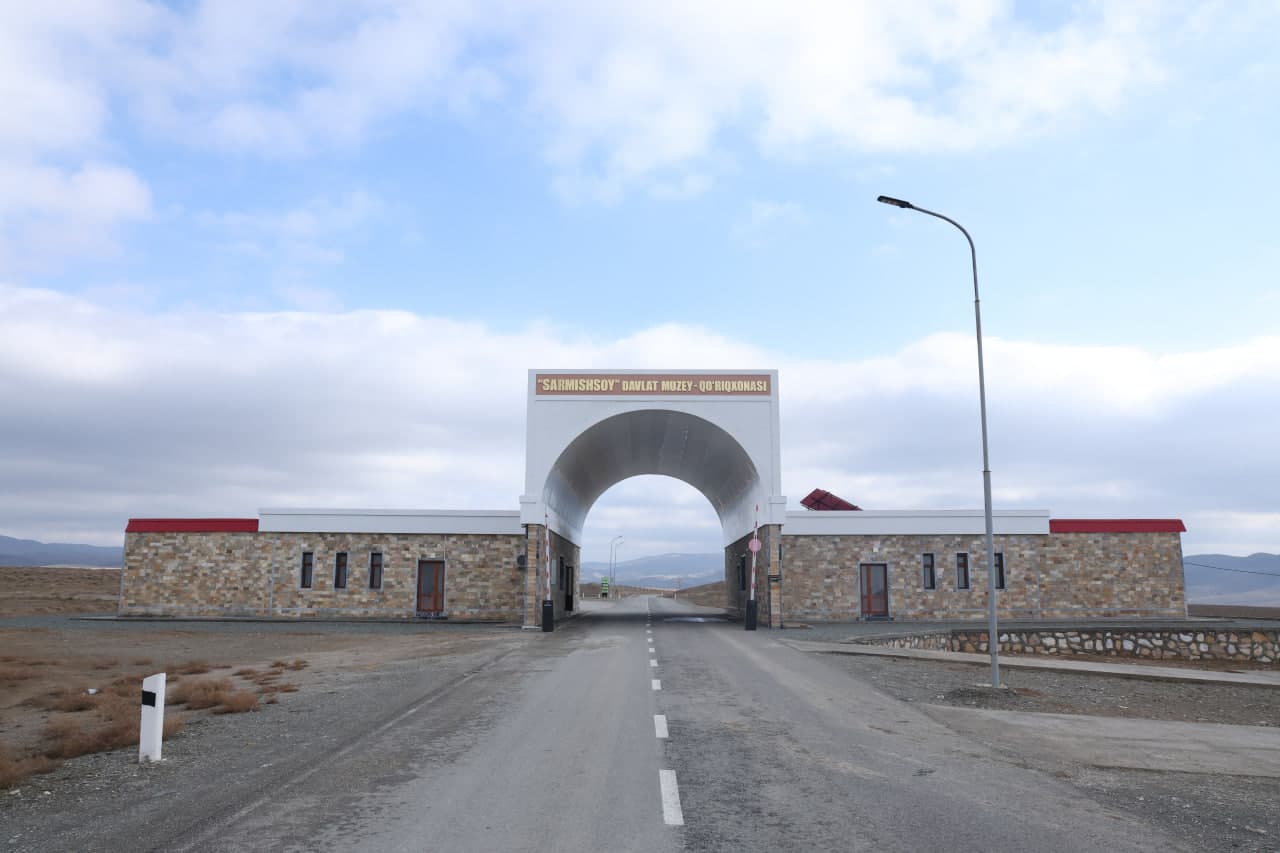
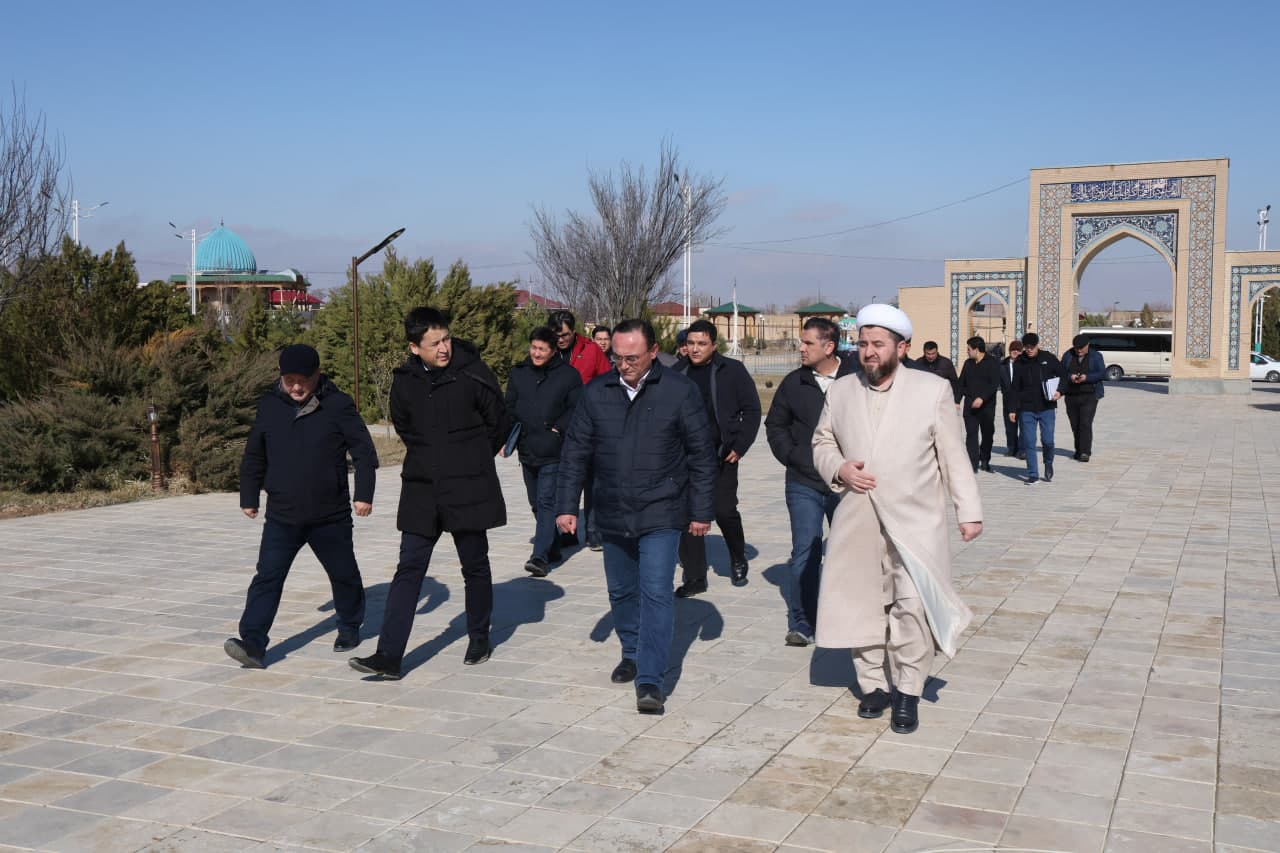
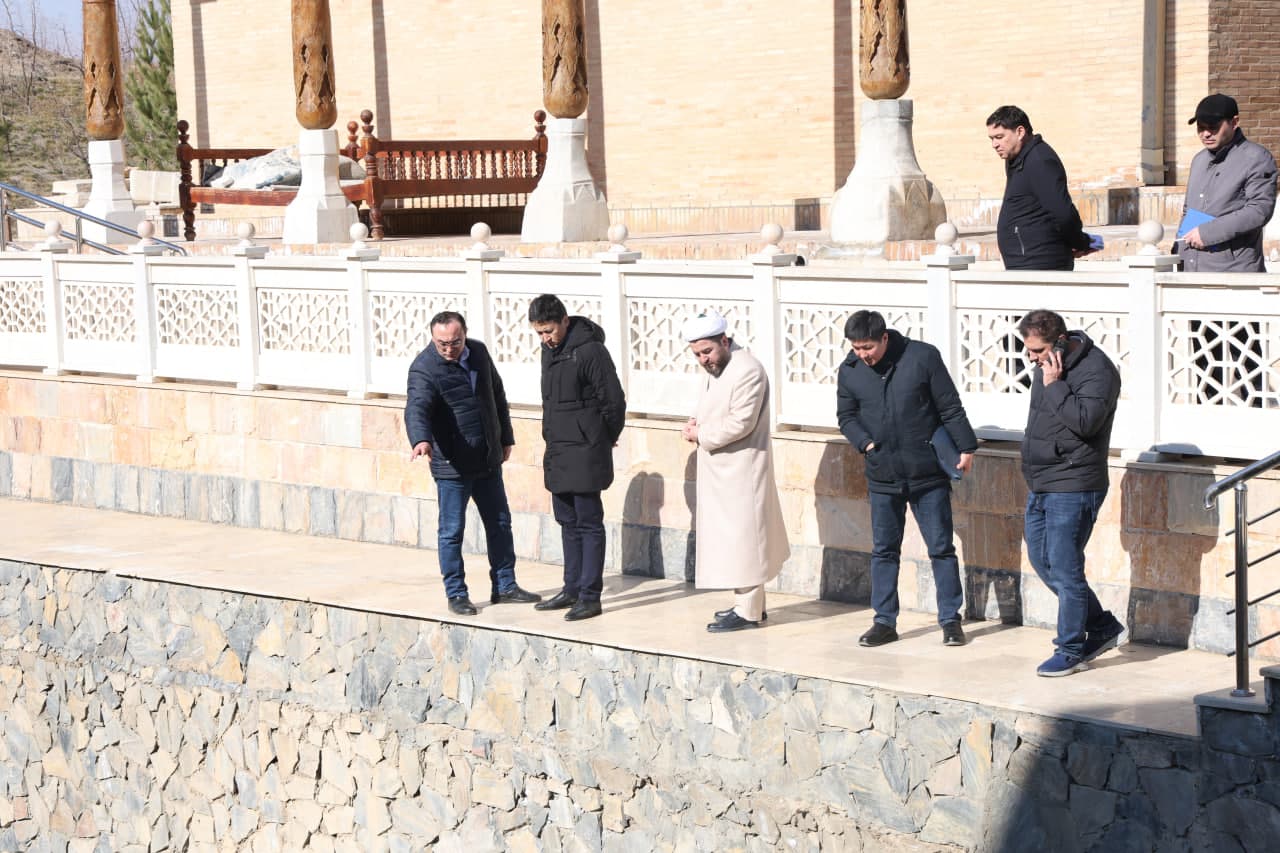
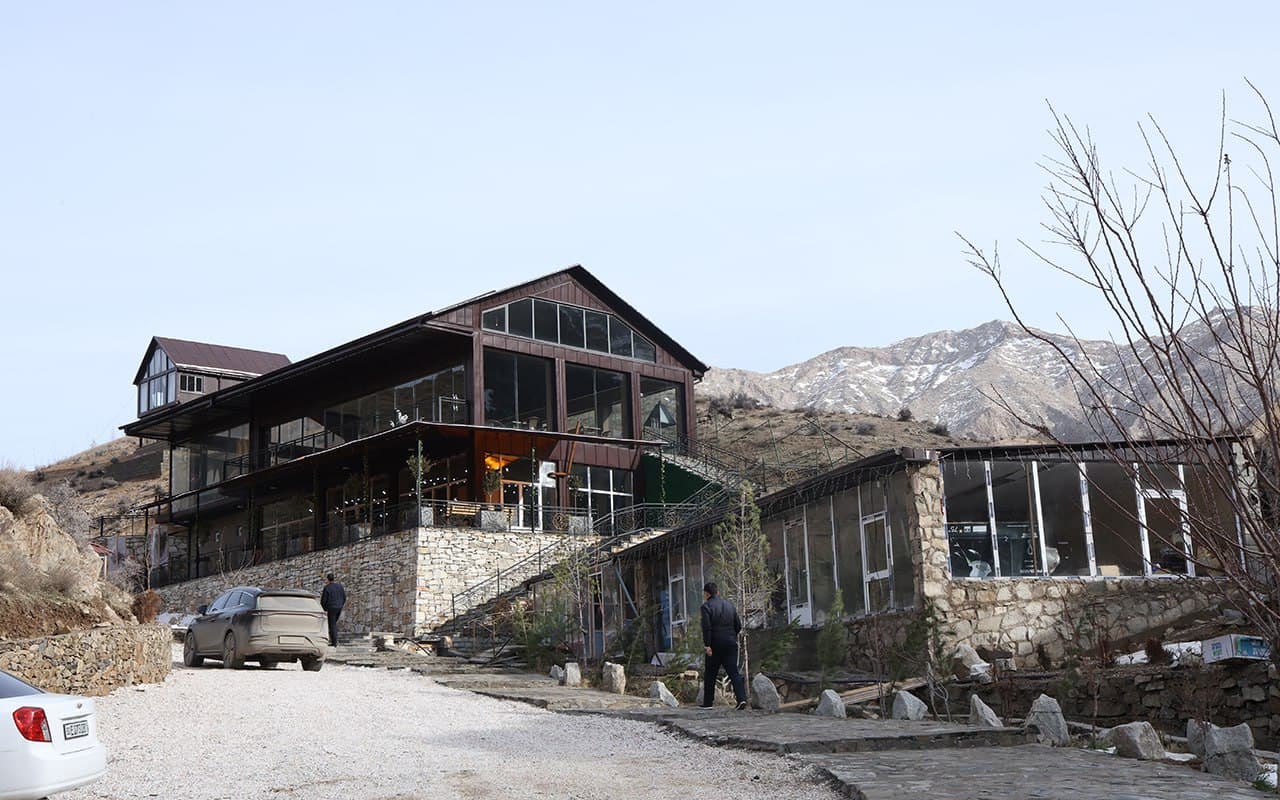
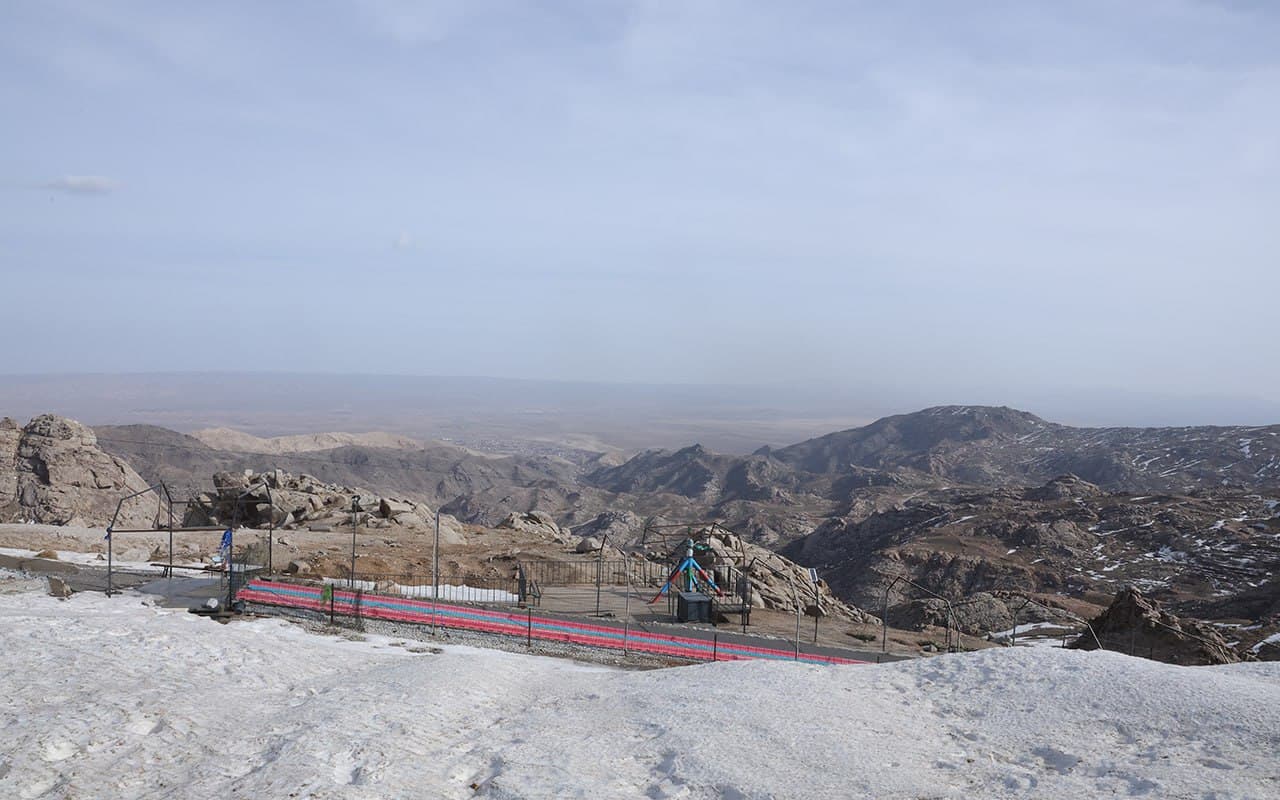
During the visit, the working group reviewed a project for a 32-hectare tourist center at the Sarmishsoy Museum-Reserve in Navbahor district. The implementation of this project will create 50 new jobs and increase the annual number of visitors to 60,000.
At the Sarmishsoy Museum-Reserve, plans also include involving archaeologists to study the cultural layers and launching tourism and service projects in areas where the cultural layer is absent, based on the developed master plan.
Next, the working group visited Nurotin district and participated in a presentation covering historical and cultural monuments, natural and recreational zones, pilgrimage and eco-tourism, the current state of infrastructure, and prospective projects. Notably, projects such as the “Museum and Service Complex,” planned near the Chashma complex, and the embroidery center project “Natshlar va Nurlar” were presented.
Measures were identified to utilize the potential of the Chashma complex and the “Nur Qala” area by transforming it into a safe and specialized excursion site for youth.
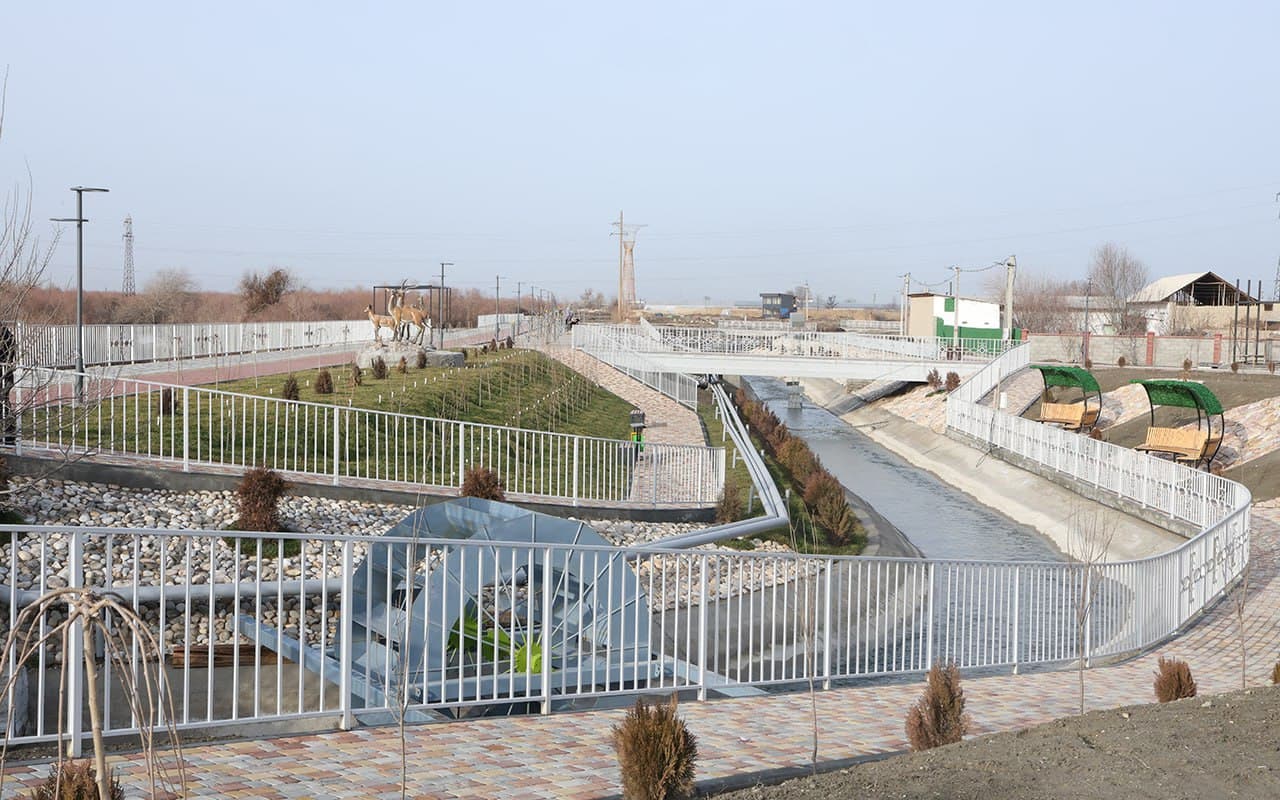
Additionally, the working group studied the historic qanat (kariz) area in Nurotin district. Nurota is one of the oldest regions in Central Asia, with qanats such as “Maston,” “Zulm,” and “Zulfikor” providing water to the population for centuries. A project was presented to transform the 2,300-year-old qanats in the Murfakhr mahalla into a tourist site, including preserving historical heritage, creating new jobs, constructing a visitor center, observation points, and sanitary facilities. Drawing on international experience, this area, together with agro-tourism sites, will be integrated into a tourism route.
The next sites visited included tourist zones along Aydarkul Lake and new projects. A modern beach and recreational tourism facility created by Qizilqum Safari LLC was presented, capable of serving 500 tourists simultaneously, with organized zones for accommodation, dining, transportation, and other tourist services.
To effectively utilize the investment and tourism potential of Aydarkul, it was decided to develop a tourism development concept, improve tourism infrastructure, promote beach tourism, and identify available land plots for the implementation of the master plan within a unified concept.
The working group also visited the village of Yangikazgan in Kongimeks district, held discussions with local community activists and elders, and addressed issues related to increasing the flow of domestic and international tourists, raising residents’ income, and ensuring stable employment. It was decided that in 2026, Yangikazgan village should be transformed into a tourist village with measures established for providing tourism services.
In Yangikazgan, the working group reviewed prospective projects for a tent camp capable of accommodating 600 tourists simultaneously, offering dining, transportation, and additional services, and providing permanent employment for 20 local residents.
On the second day of the visit, tourist mahallas Langar and Angidon in Khatirchi district were visited. The working group assessed the tourism potential of the area, including selfie spots and zipline projects.
To effectively utilize the tourism potential of these territories, directives were given to develop master plans for Langar and Angidon and to organize new tourism projects. Additionally, the “Stone Villages” project is planned for Langar, along with the creation of pedestrian routes connecting prospective villages.
Recommendations were also provided for developing medical tourism based on existing thermal springs in the Oltonsay and Bakhshidjar mahallas.