
Key Tasks Identified to Improve the Effectiveness of Public Appeals Handling
2026-07-13 13:10:00 / News
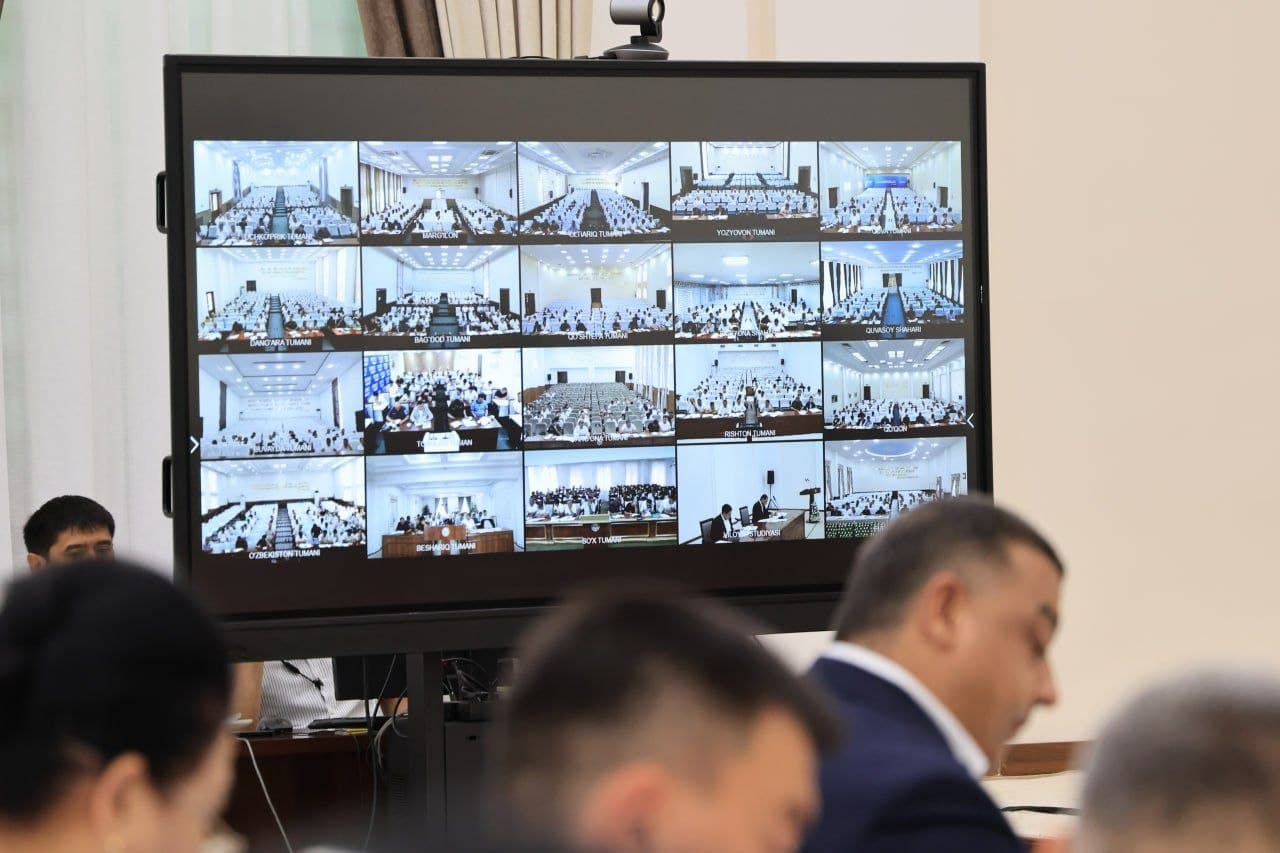
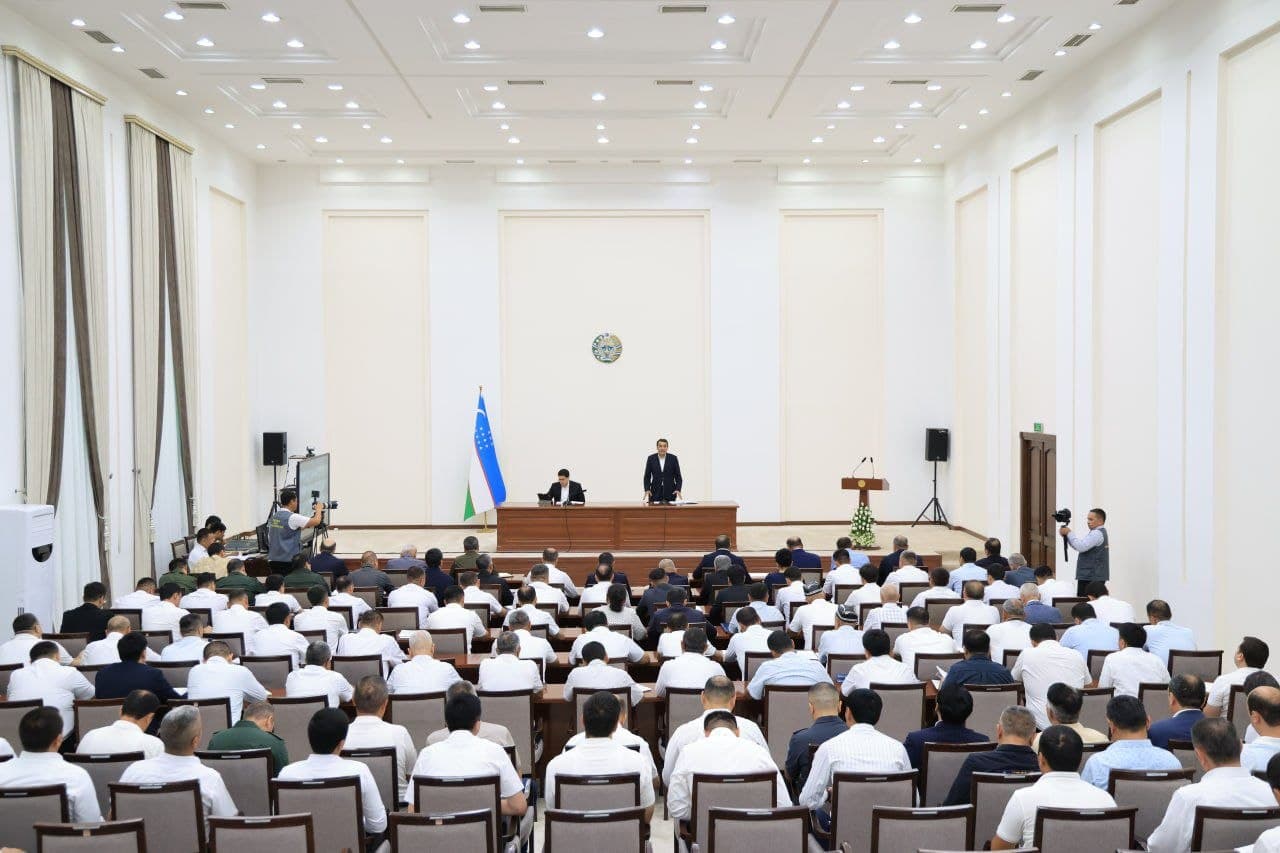
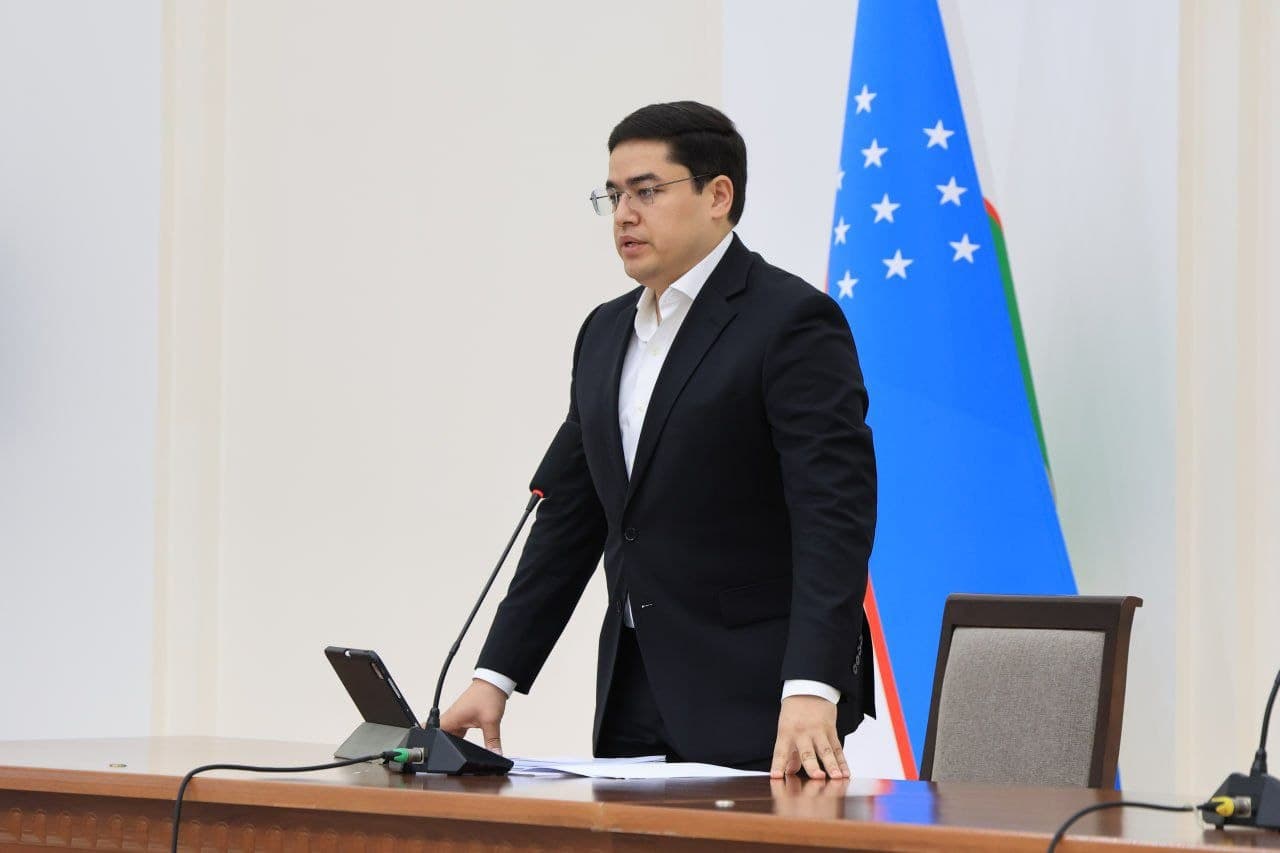
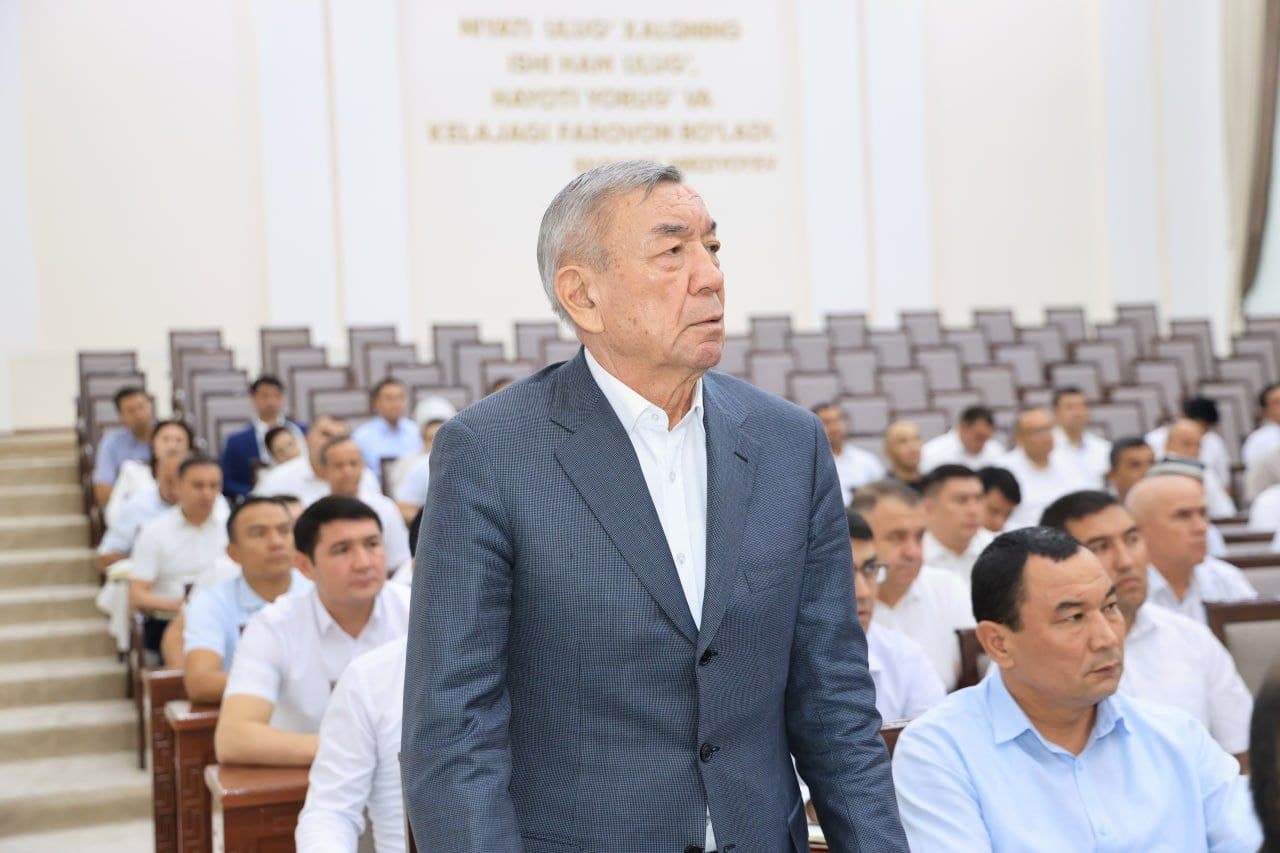
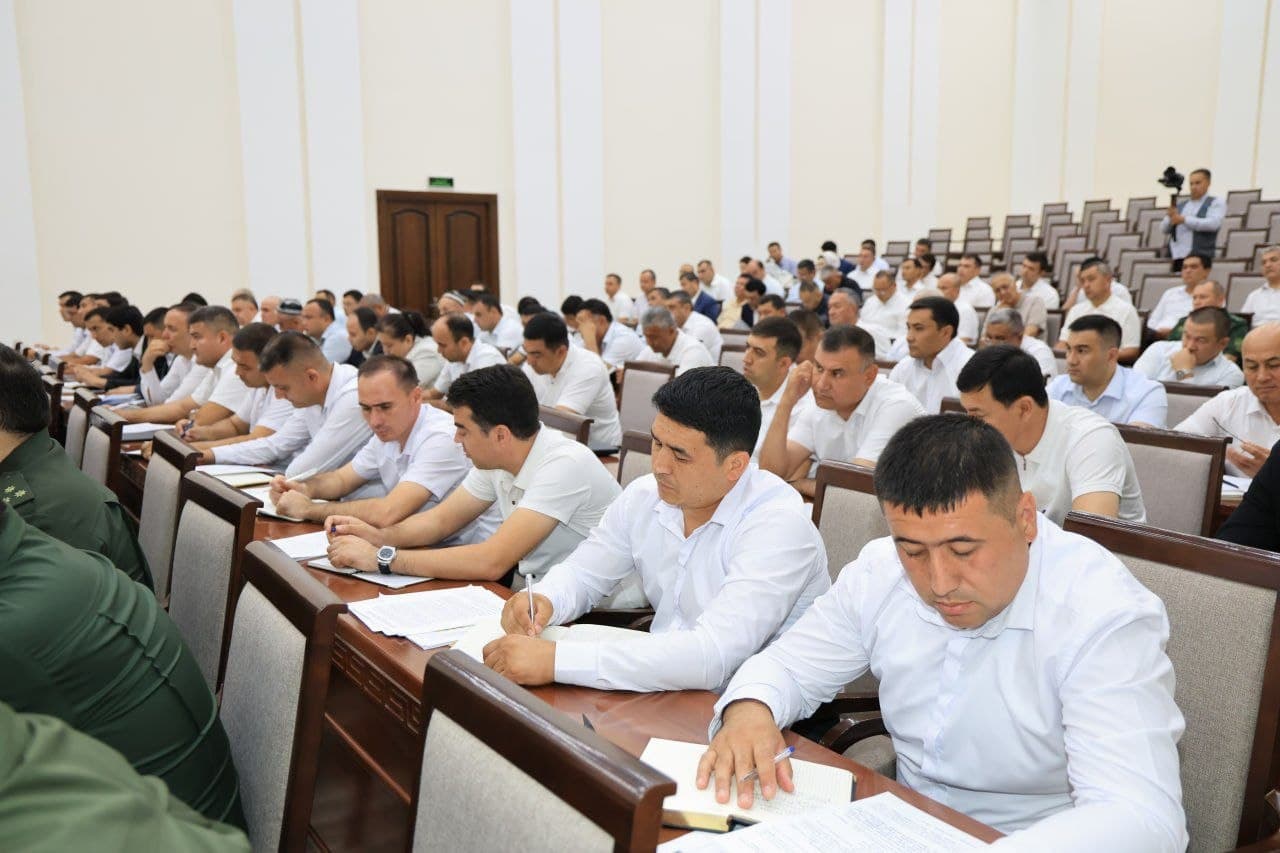
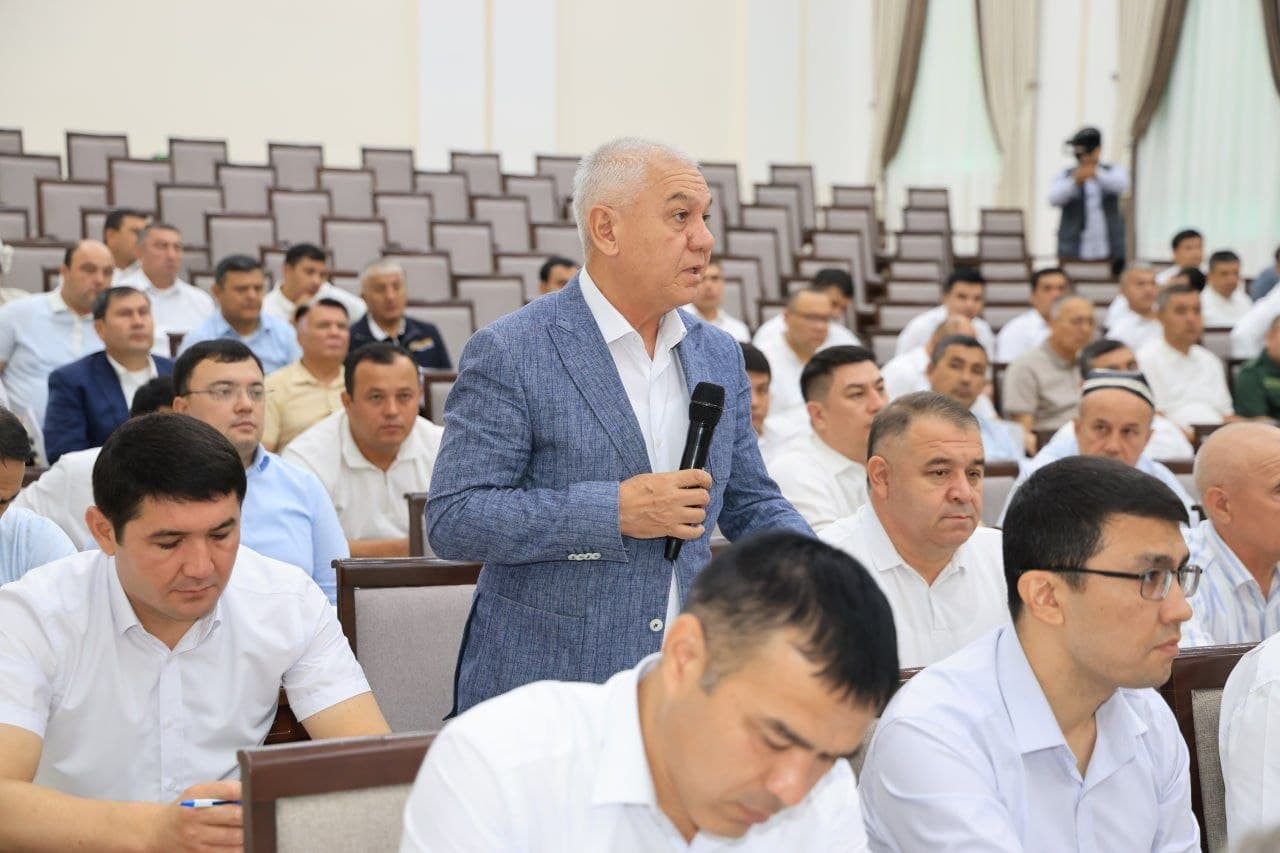
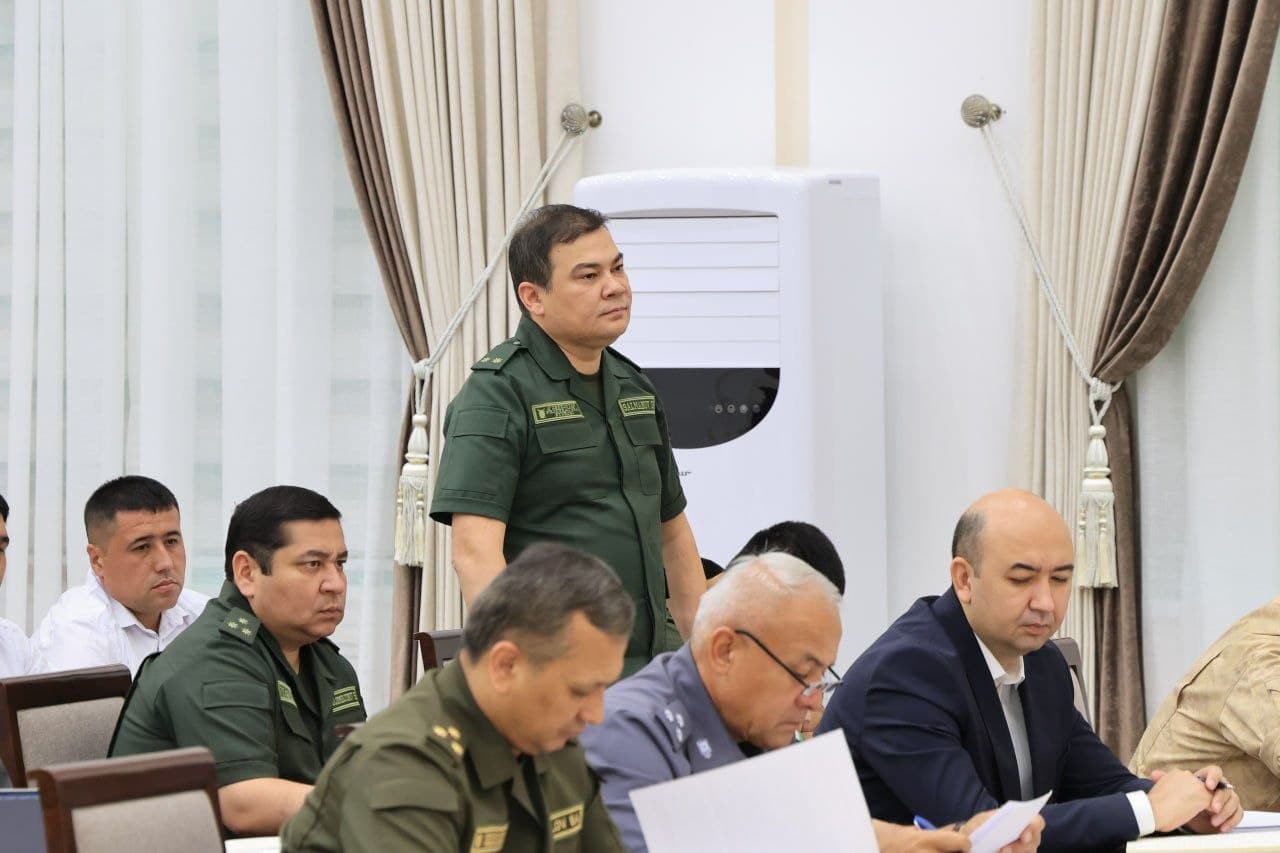
The meeting was attended by Khayrullo Bozorov, Governor of Fergana Region; Farrukh Omonov, Deputy Head of the Communications Department of the Administration of the President of the Republic of Uzbekistan and Head of the People's Reception Office of the President of the Republic of Uzbekistan; heads of relevant organizations and agencies; and other responsible officials. District and city governors, along with other officials, participated via videoconference.
At the beginning of the meeting, an organizational matter was considered. Abduhoshim Abdullayev, who was appointed Deputy Head of the People's Reception Office of the President of the Republic of Uzbekistan in Fergana Region, was formally introduced to the participants.
During the meeting, the current state of public appeals handling in the region was comprehensively analyzed. It was emphasized that a more systematic approach is needed to ensure the timely and high-quality resolution of appeals received by the People's Reception Offices across all sectors.
It was noted that a total of 38,200 public appeals were received from residents of the region during the first half of the current year. Increasing the rate of positive resolution of these appeals and taking targeted measures for each individual case were identified as priority tasks.
Based on the analysis of the appeals, the remaining challenges and shortcomings across various sectors were discussed, and specific tasks were assigned to address them.
In addition, based on the "Karshi Experience" model, further instructions were given to conduct an in-depth analysis of the causes of repeated and collective appeals, systematically eliminate the underlying factors contributing to such appeals, and ensure prompt resolution of issues that can be addressed at the regional, city, and district levels.
At the conclusion of the meeting, responsible officials were assigned specific tasks aimed at further improving the effectiveness of public appeals handling, thoroughly examining the substance of every appeal, and eliminating the factors that lead to repeated appeals.