
Digitalization, productivity, and modern technologies
2026-02-02 10:00:00 / Press conferences
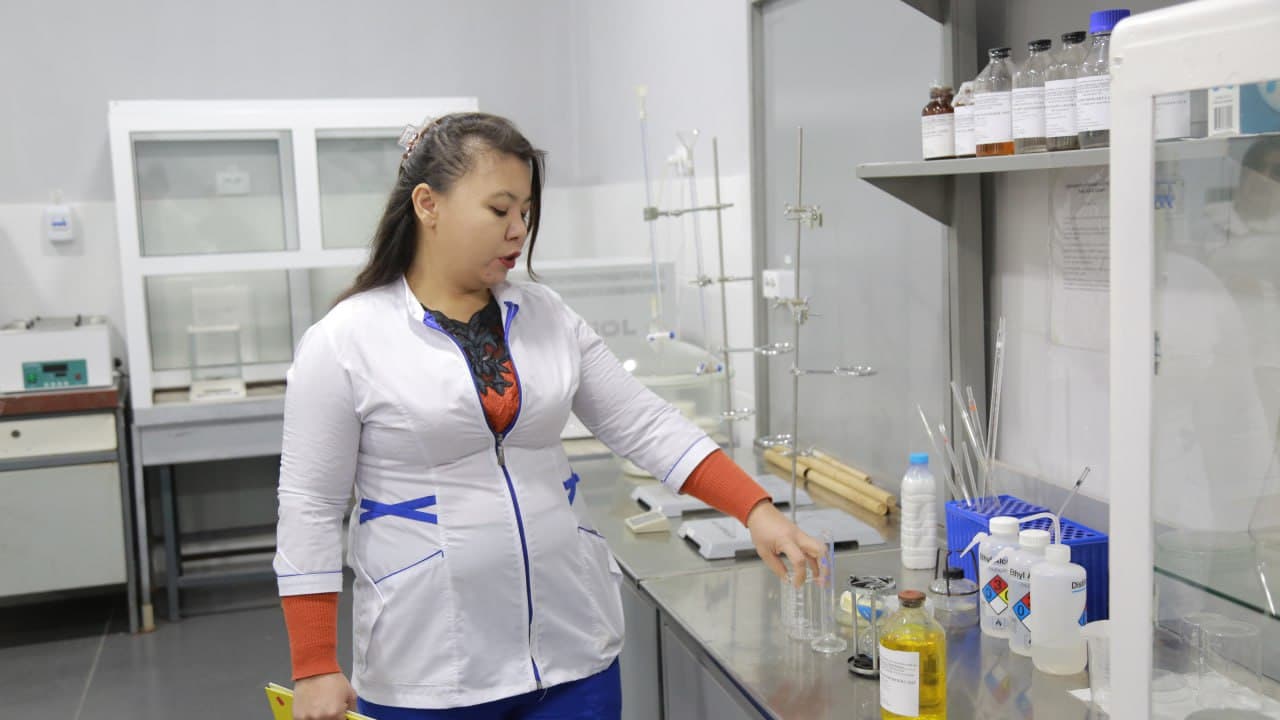

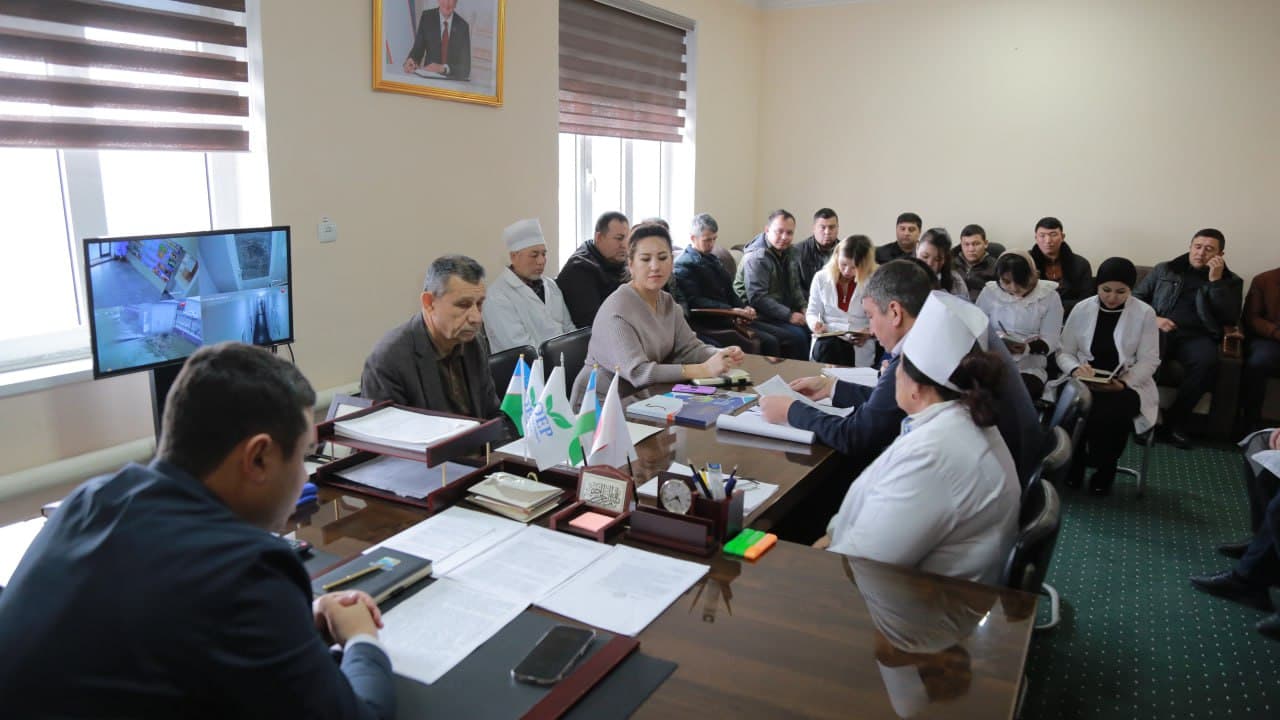
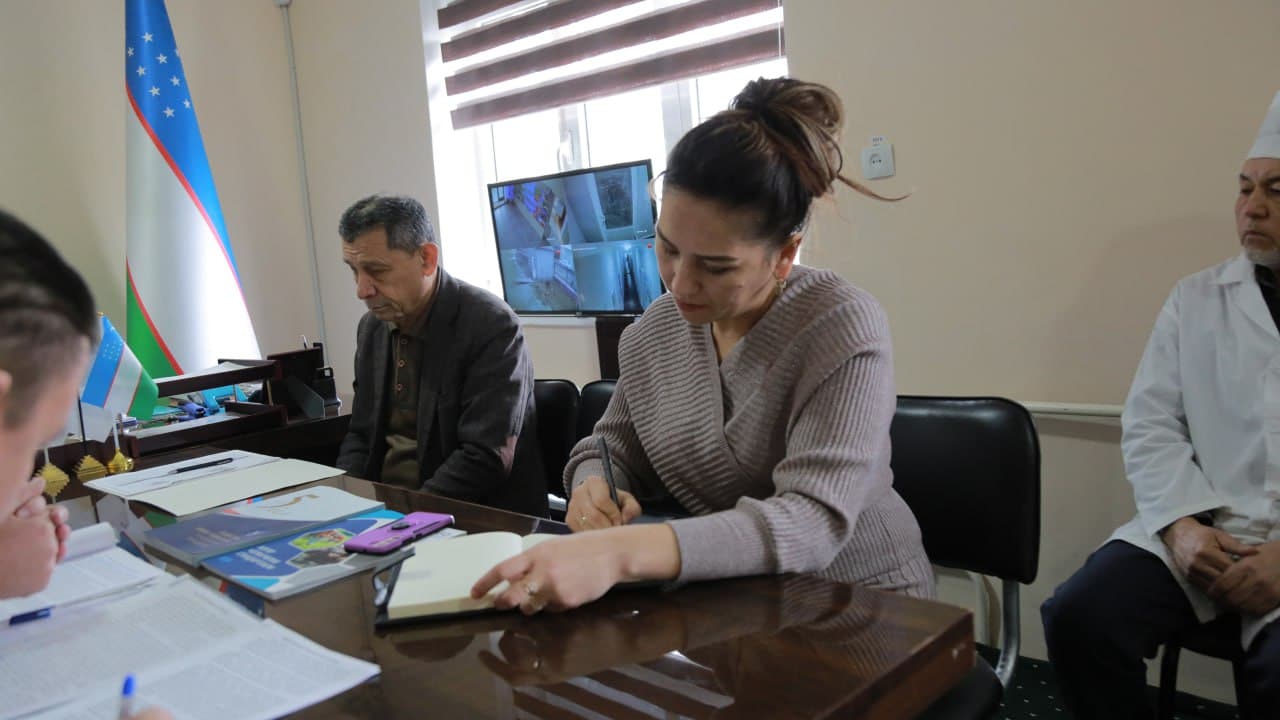
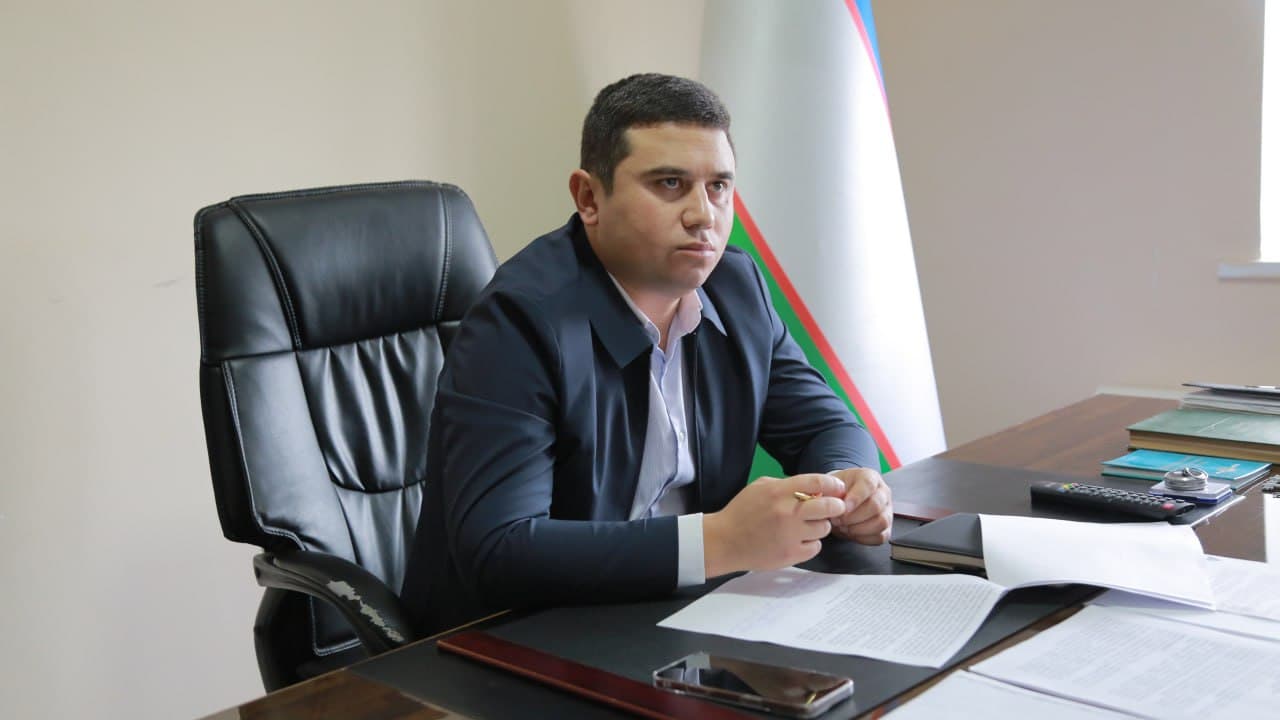
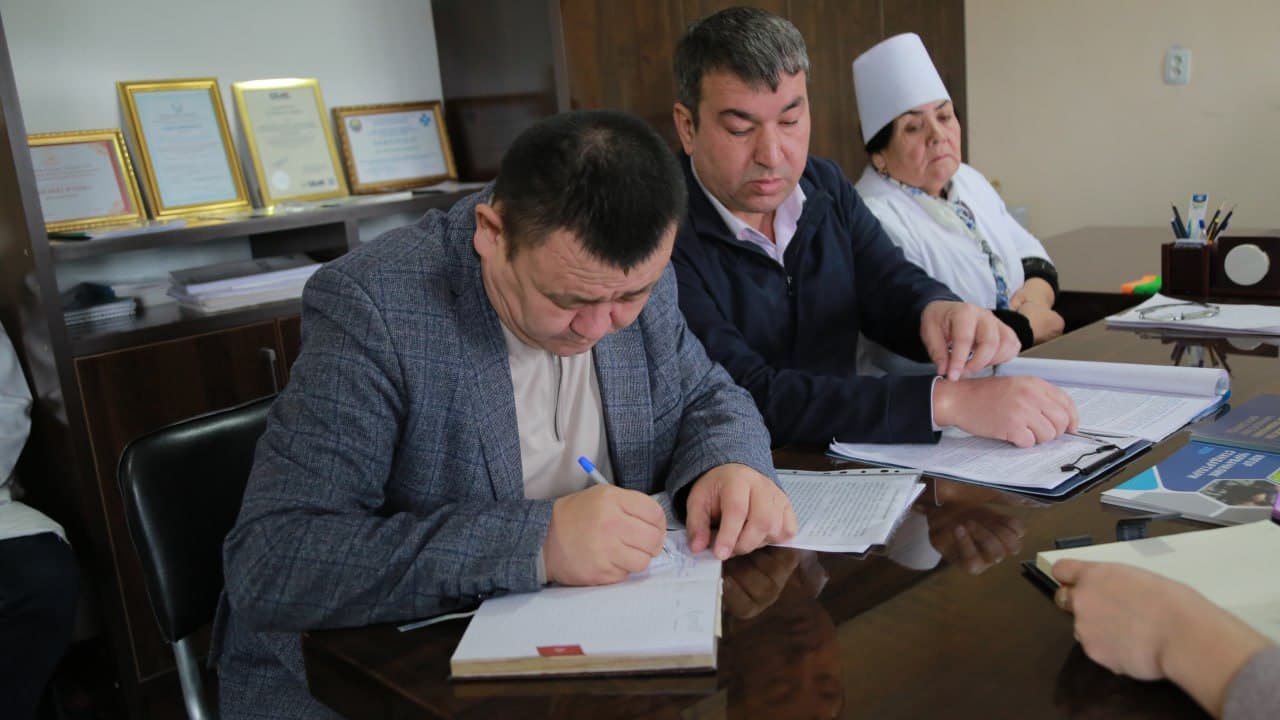
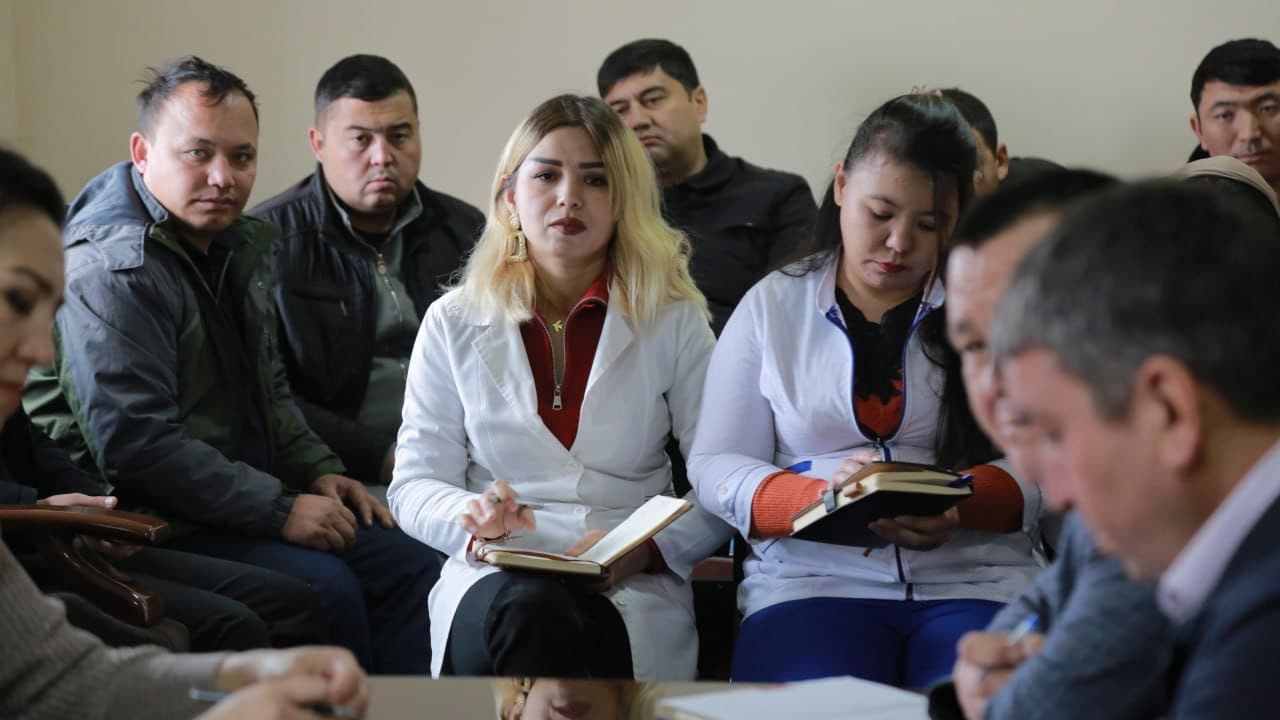
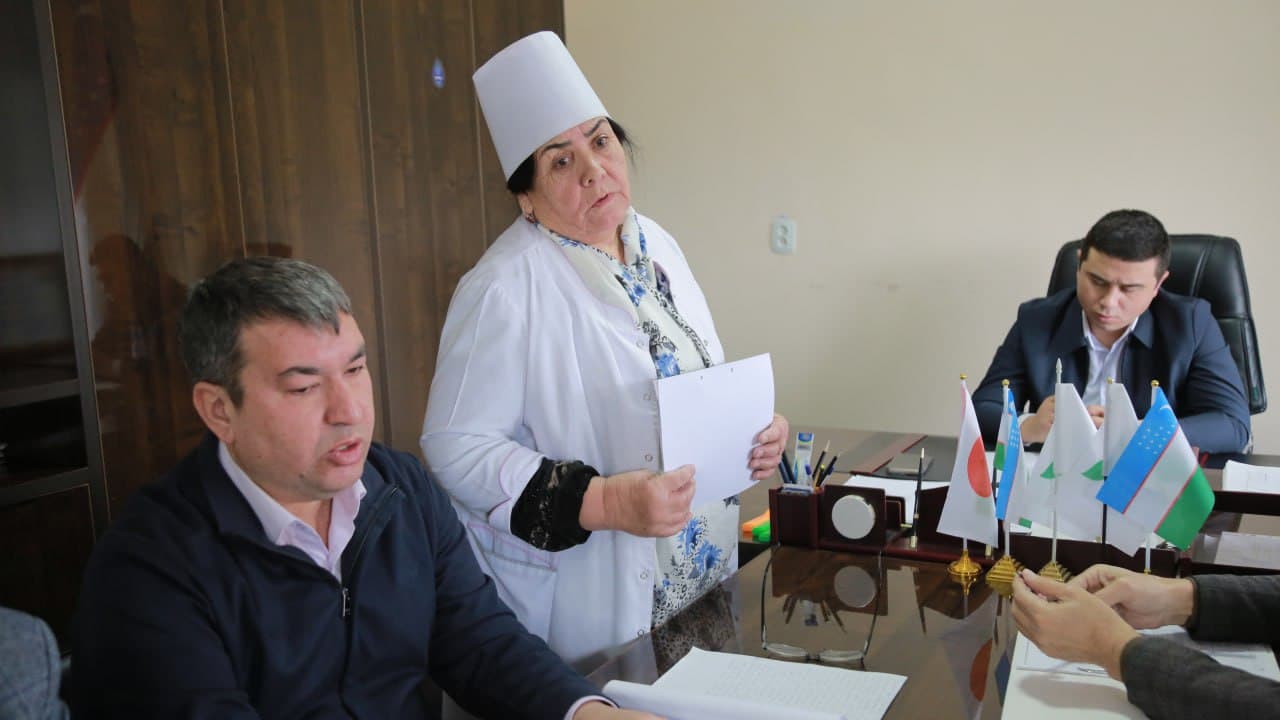
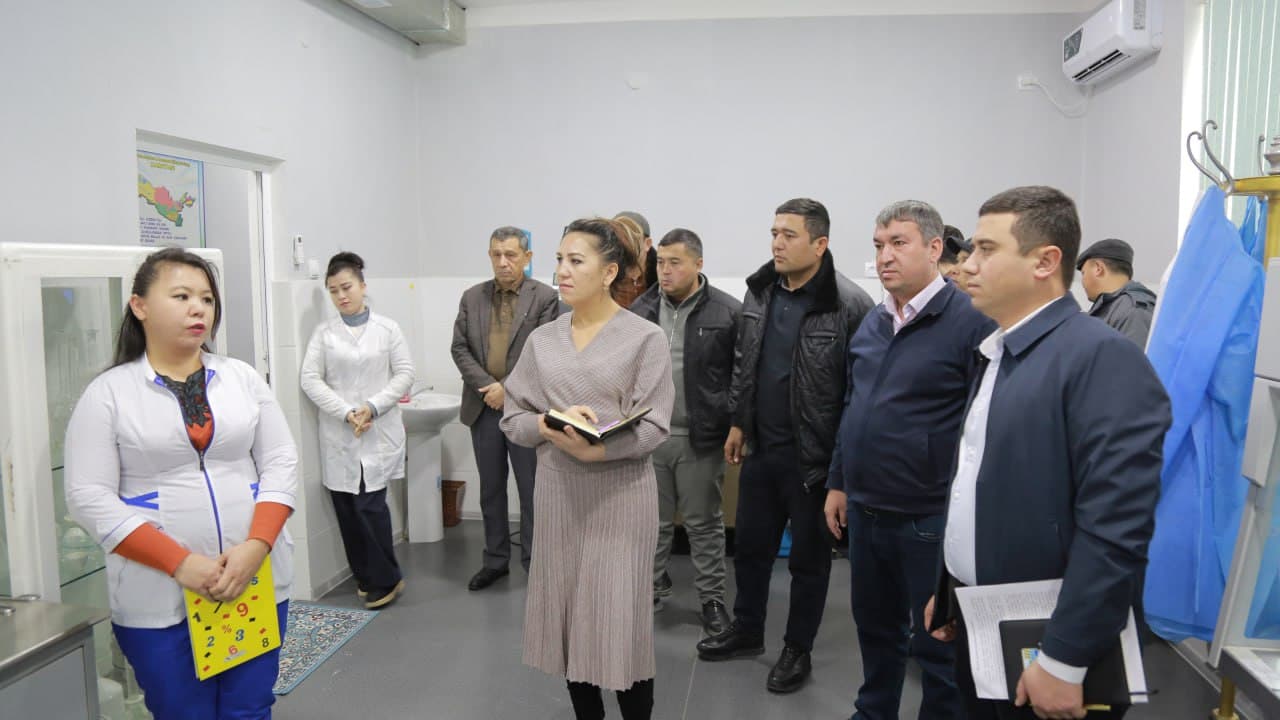
In recent years, large-scale reforms aimed at developing the veterinary and livestock sectors have been implemented in the Republic of Uzbekistan, including the Syrdarya region. At the initiative of the President, this sector has been designated as a priority area of state policy, and systematic efforts are being carried out to improve veterinary services, prevent infectious diseases, and ensure the safety of livestock products.
Preventive measures have been placed at the forefront of veterinary services. Mandatory vaccination campaigns are being consistently conducted across the country, and areas with high epizootic risk are under constant monitoring. In accordance with the directive of the Committee dated January 6, 2026, the campaign “Healthy Livestock — Prosperous Mahalla” was launched on January 12 of the current year with the involvement of local community councils, resulting in the establishment of 74 vaccination teams in the region. Currently, mass vaccination efforts aimed at preventing particularly dangerous infectious diseases among farm and domestic animals are ongoing.
In the livestock sector, new approaches focused on increasing productivity are being introduced. The development of pedigree breeding, expansion of artificial insemination services, and strengthening of the feed base are contributing to increased incomes for farming enterprises. Preferential loans and subsidies allocated by the state are facilitating the attraction of new investments into the sector.
Digitalization processes are also progressing rapidly. In accordance with Presidential Decree No. PQ–285 dated August 24, 2023, a unified electronic system for animal identification and registration has been introduced. In 2025, 249,500 ear tags for cattle were procured using grant funds, and 97,551 head of cattle were identified by 57 veterinary units in the region and entered into the VIC-CHINOR electronic system. In 2026, it is planned to identify an additional 151,449 head of cattle.
Furthermore, in the “Sulton” farming enterprise, 350 cows were artificially inseminated, resulting in the birth of 220 healthy calves. As a result of transplanting high-yield Korean cow embryos, 12 calves were obtained from the first generation. The live weight of the calves was 10–15 percent higher than that of their peers, and milk productivity and growth rates of young cattle are expected to increase by 30 percent in the future.
In 2026, the “Kopia” Center plans to implement a biogas project worth 3 million US dollars at this farm. The project envisions the annual production of 1.5 million cubic meters of gas and 4.3 million kWh of electricity.
Within the framework of the “Digital Uzbekistan – 2030” strategy, the “VIS-BILLUR” electronic information system has been introduced to monitor the veterinary and sanitary safety of meat products. Currently, 7 specialized slaughterhouses in the region operate through this system. In 2025, 10,004 head of large livestock and 1,810 head of small livestock were slaughtered and recorded in the electronic database.
Based on public-private partnerships, private veterinary clinics, pharmacies, and modern laboratories are being established. In accordance with Presidential Decree No. 78 dated February 27, 2025, 13 veterinary specialists in the region began private practice under a license.
To enhance human resource capacity, 78 specialists from the Syrdarya region underwent training in 2025 at the professional development institute established in the Samarkand region. In 2026, an additional 55 specialists are planned to receive advanced training.
In conclusion, the reforms being implemented in the veterinary and livestock sectors of the Syrdarya region are elevating the industry to a new qualitative level. Strengthened preventive measures, digitalization, modern technologies, and state support are improving product quality, increasing farmers’ incomes, and enhancing the well-being of the rural population.