
Major media forum in Tashkent defines priorities of information sovereignty and new horizons of cooperation
2026-11-10 10:50:00 / News
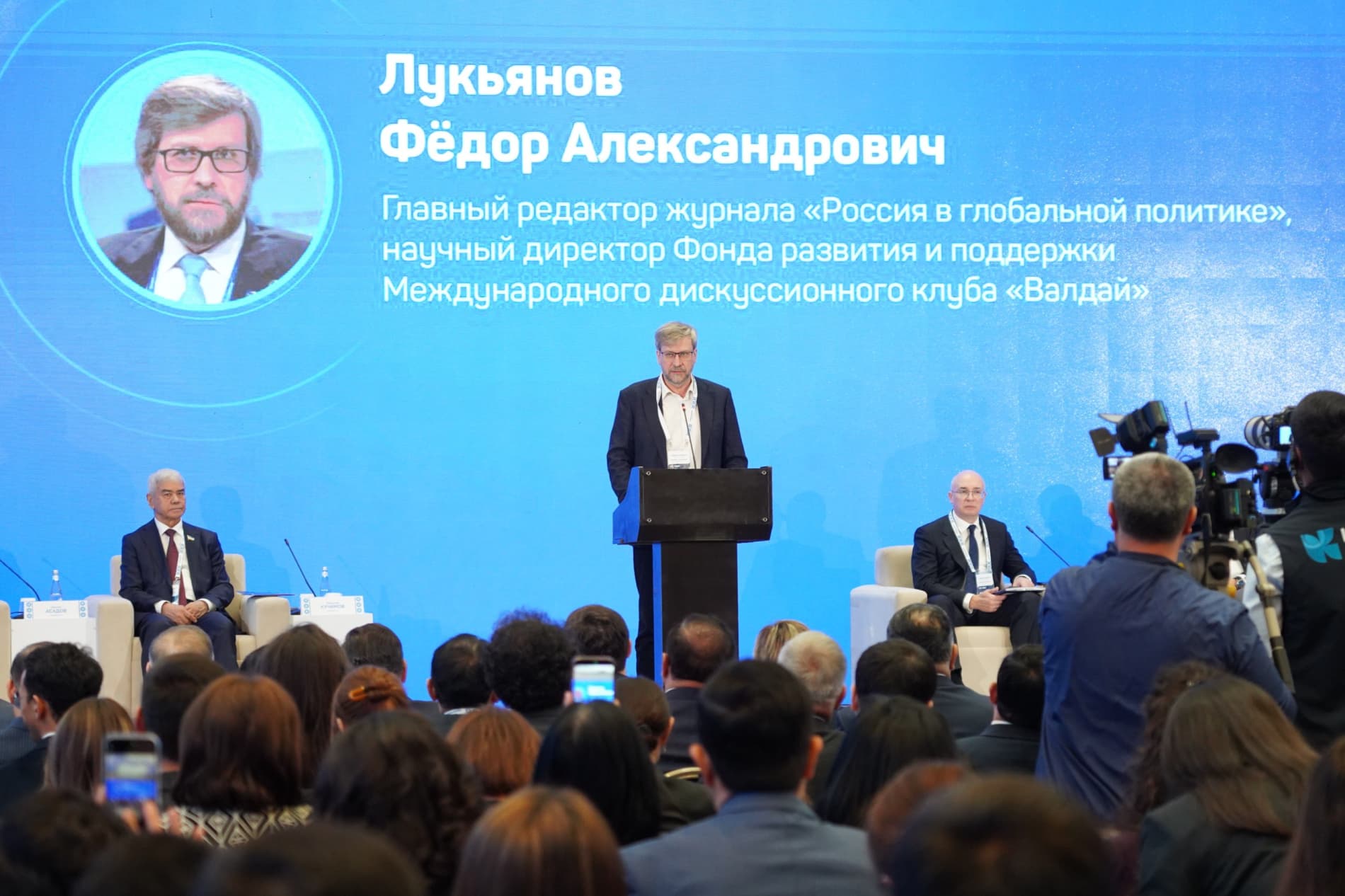
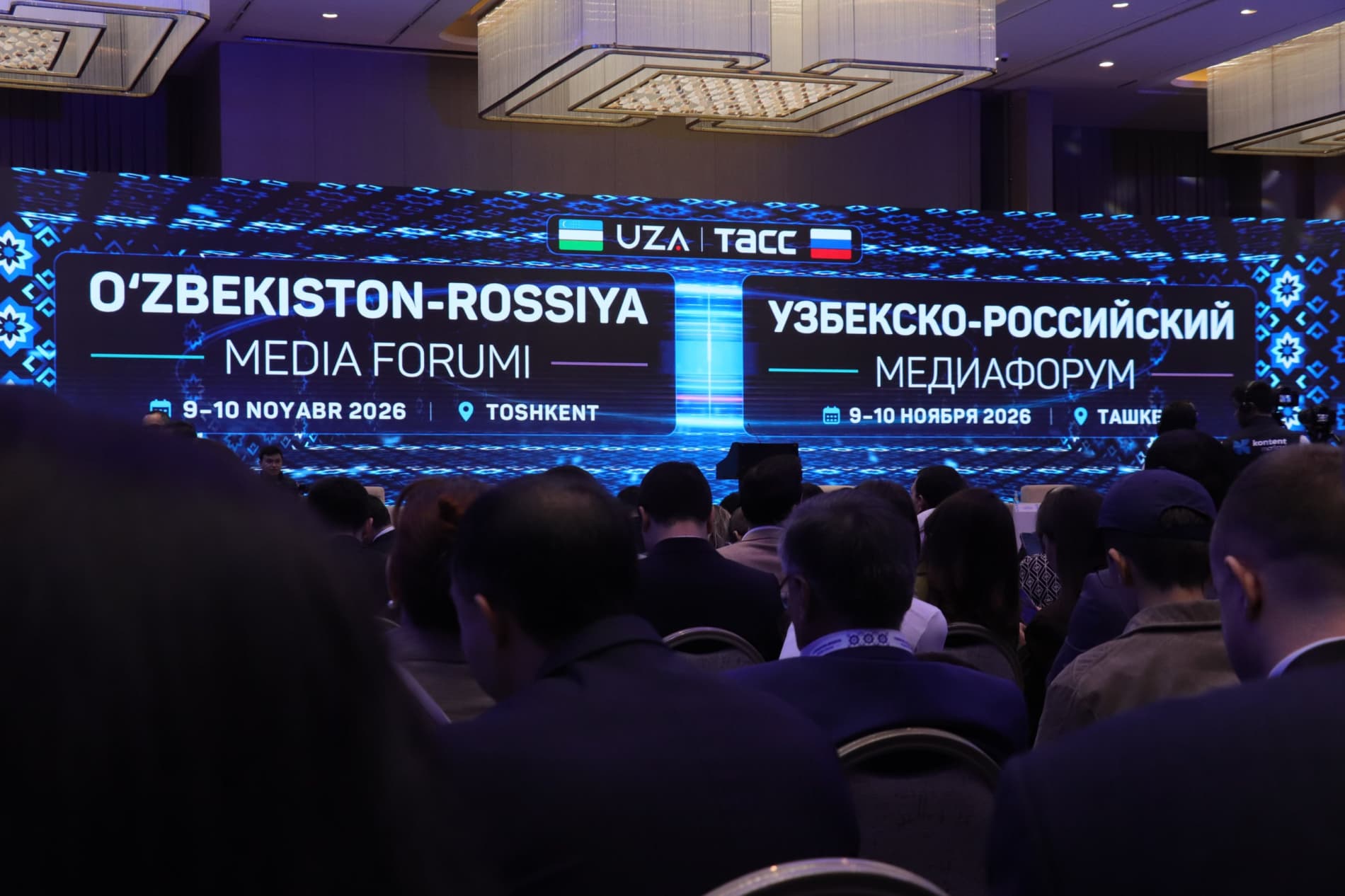
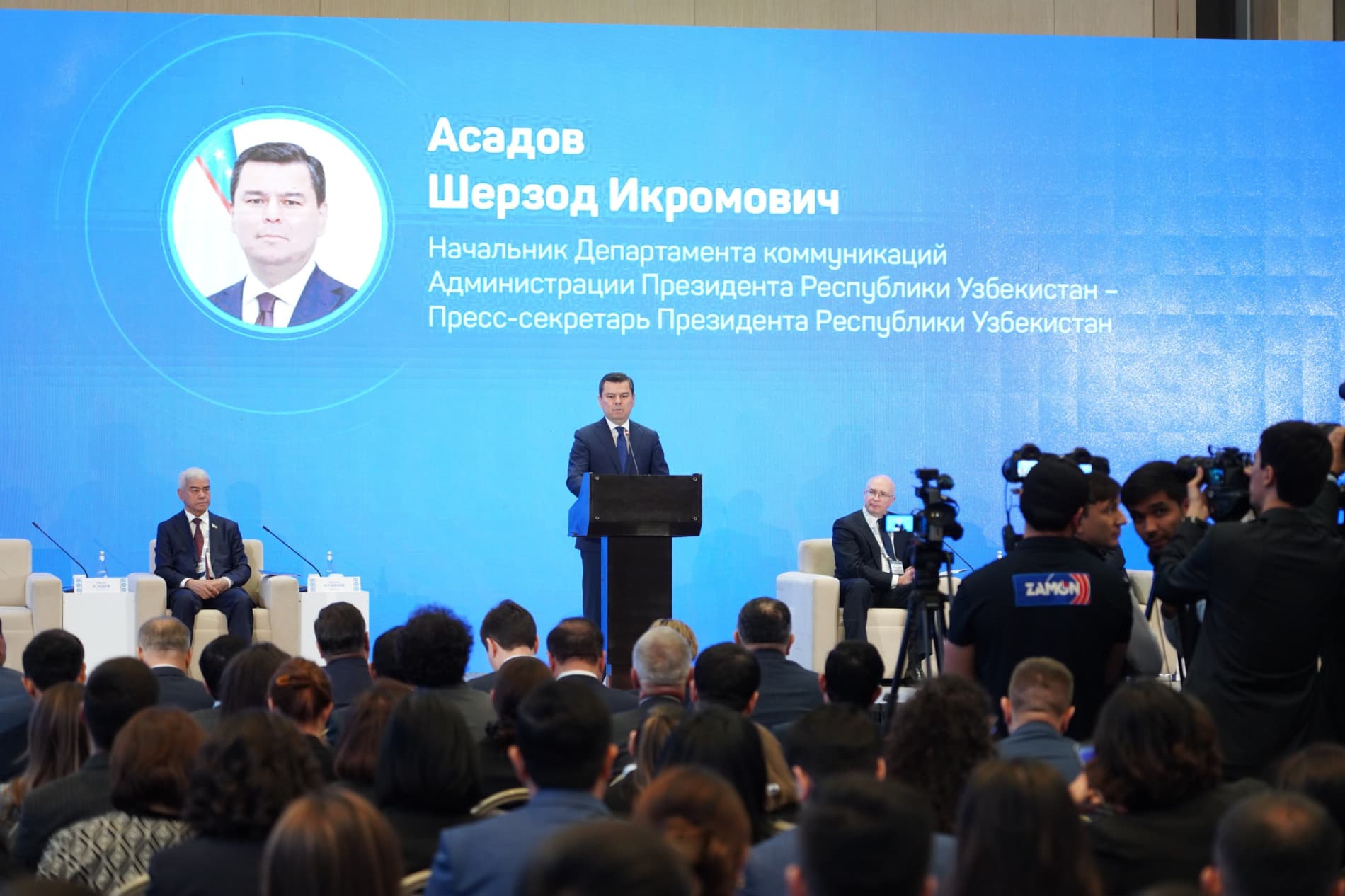
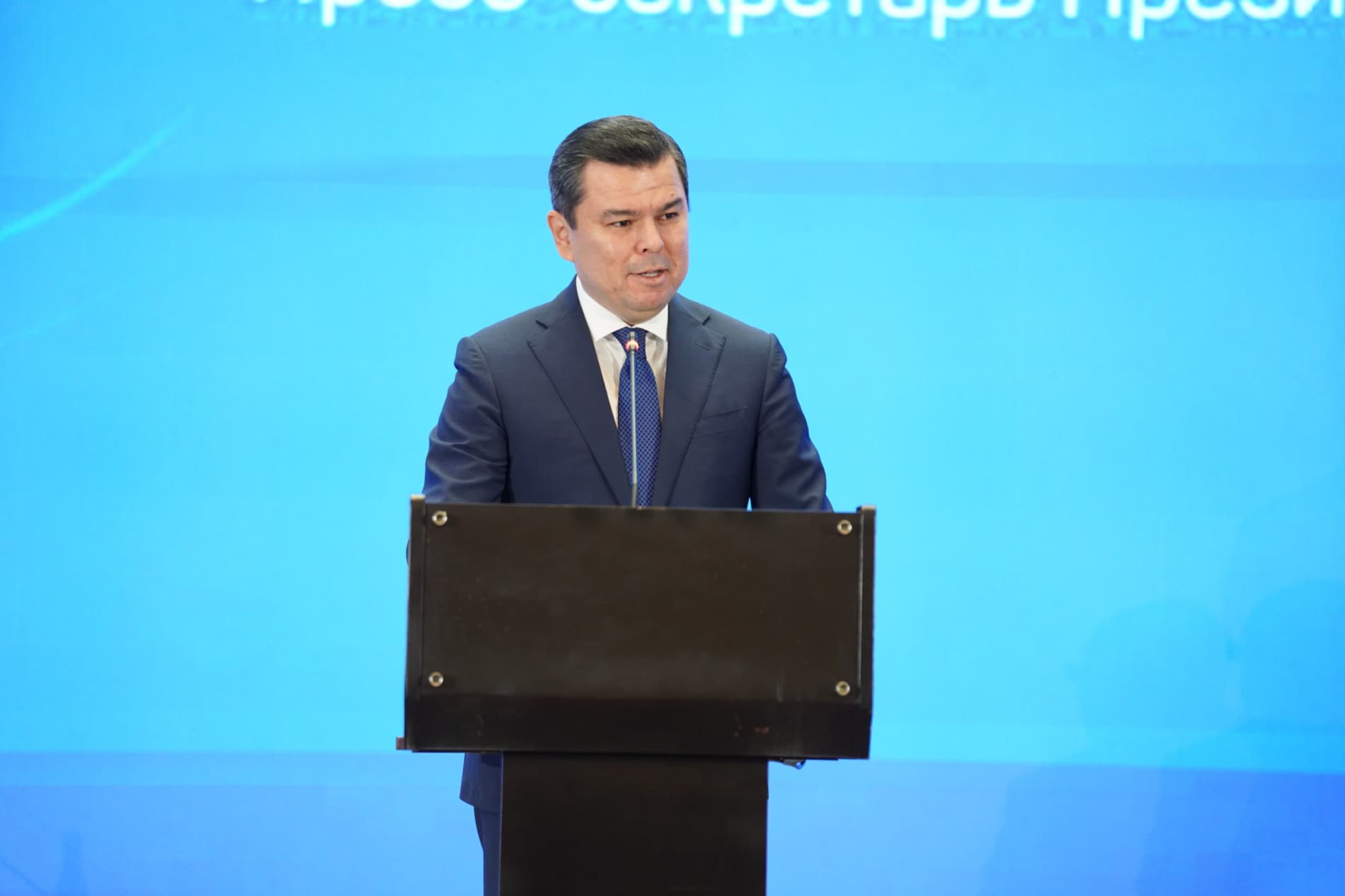
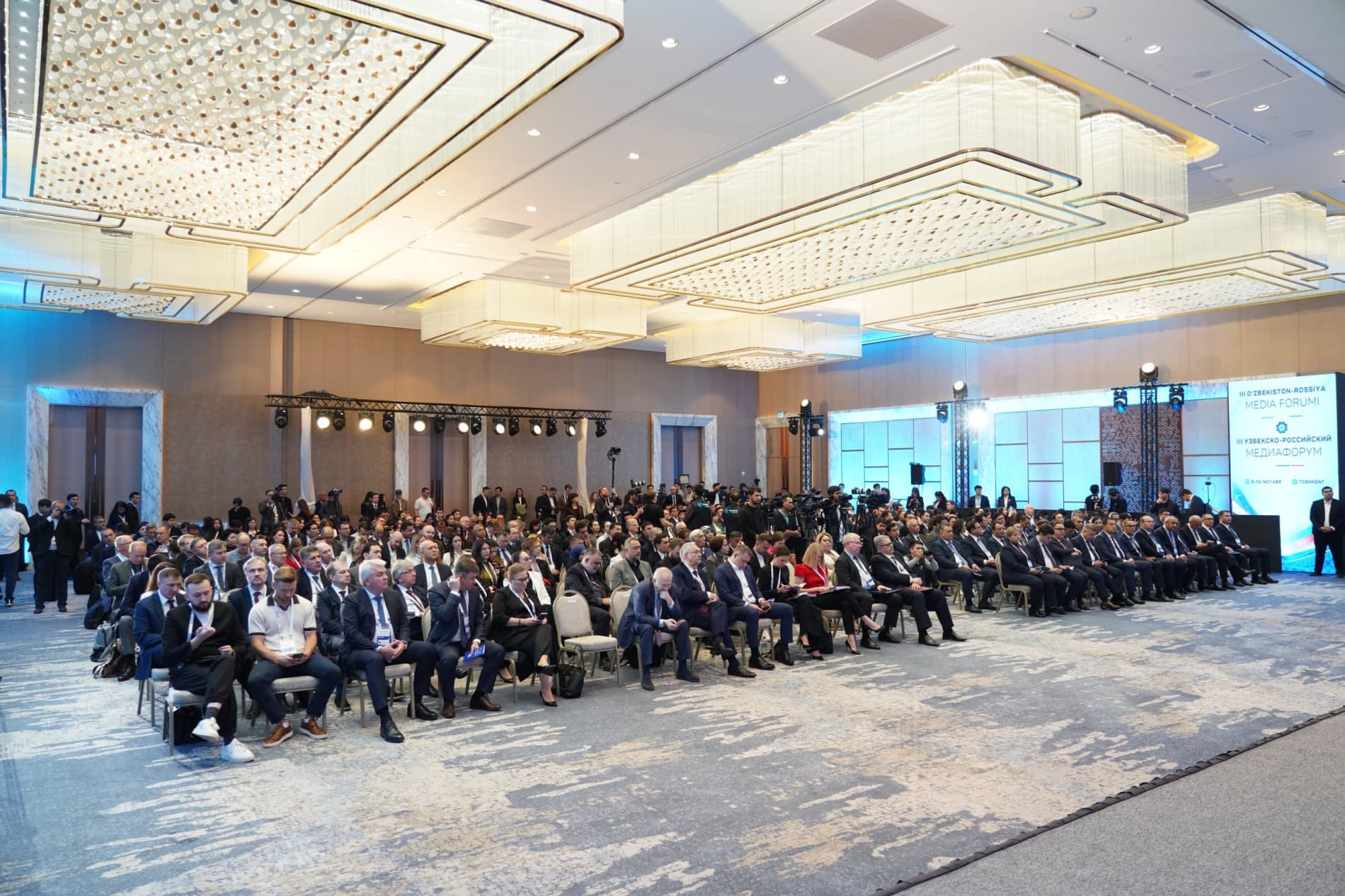
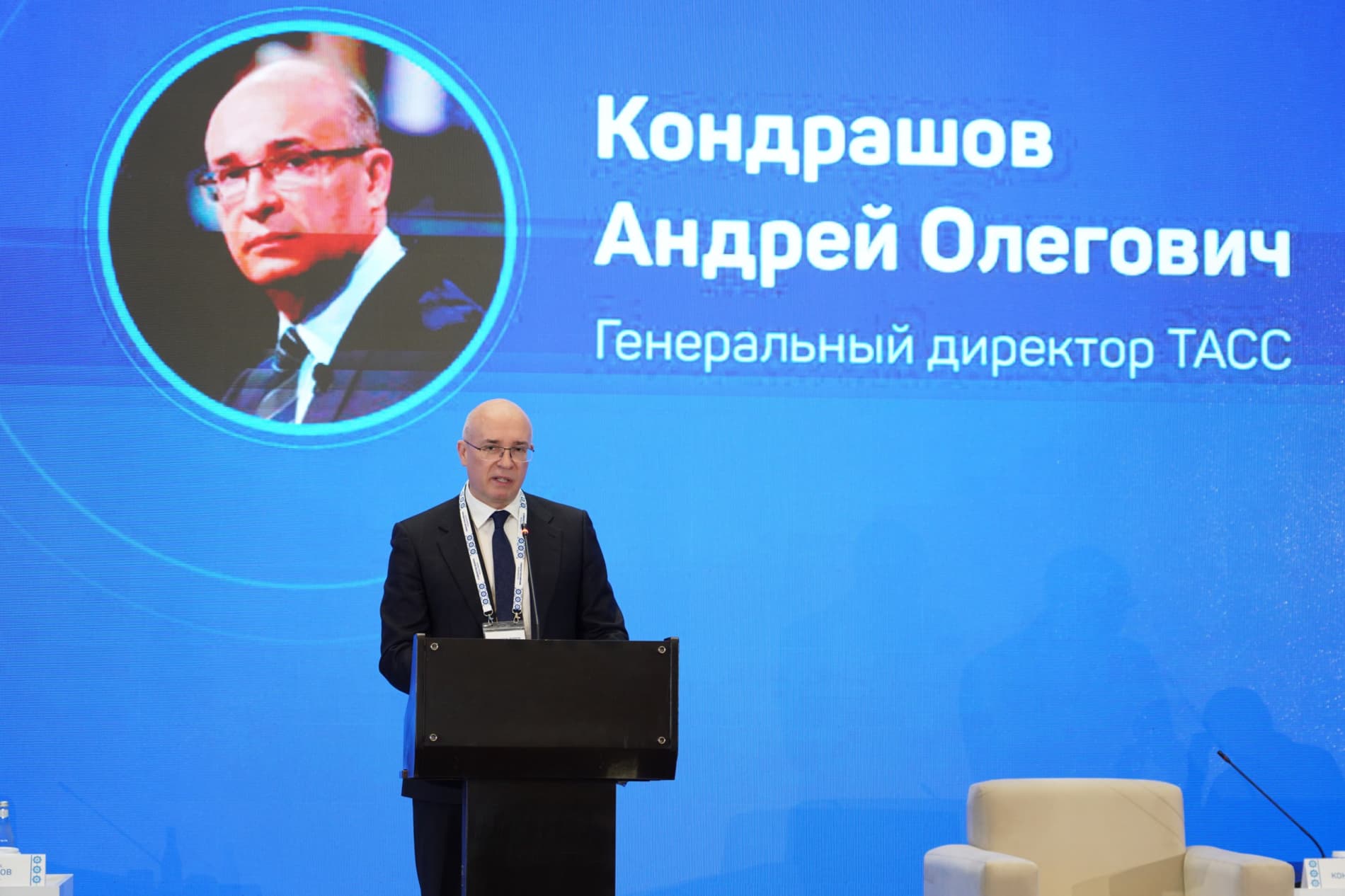
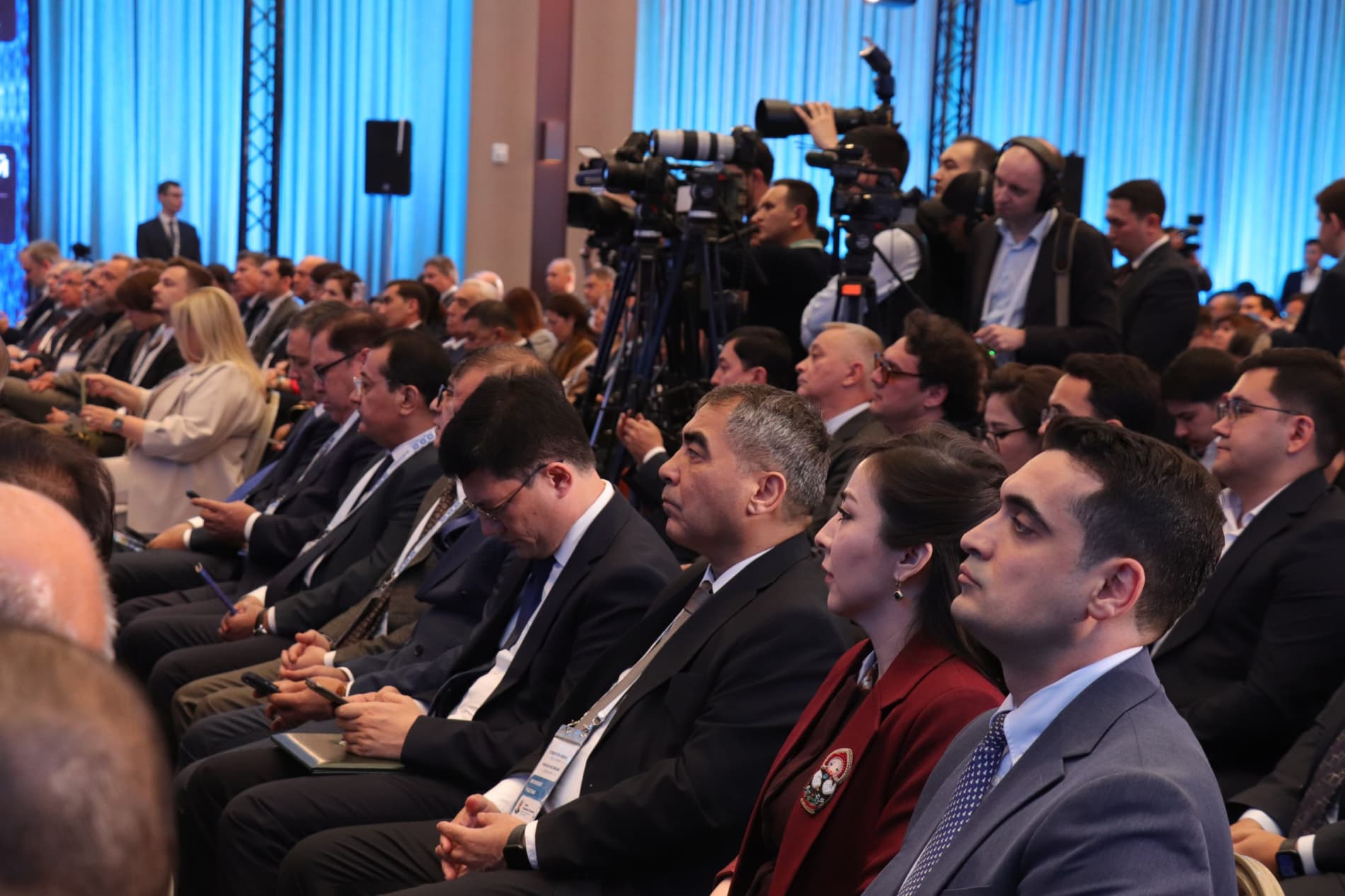
Sherzod Asadov, Head of the Communications Department of the Presidential Administration of the Republic of Uzbekistan and Press Secretary to the President, spoke at the opening ceremony and the plenary session of the forum. In his address, he outlined the key challenges of the modern information space, spoke about the large-scale transformations in Uzbekistan’s media sector, and presented four strategic areas of cooperation relevant to the professional communities of both countries.
The result of mutual trust and high-level dialogue
At the start of his speech, Sherzod Asadov stressed that the forum is not merely a venue for discussion but evidence of a strong strategic partnership between the two states, built on trust and mutual understanding between their leaders.
“Today’s forum reflects the high level of relations between our countries. These ties are rooted in the friendly relations and mutual trust between our leaders, President Shavkat Mirziyoyev and President Vladimir Putin. It is the political will of the heads of our states and their constant, trusting dialogue that give additional momentum to cooperation in all areas, from the economy and energy to culture, education and, of course, the media.”
Irreversible reforms
The Press Secretary noted that information today is no longer just a means of distributing news but a strategic factor that influences a state’s development, its standing on the international stage, and the shaping of the global agenda. The scale of the transformations in Uzbekistan’s media landscape in recent years is confirmed by concrete figures.
Growth of the private sector. There are 2,700 media outlets operating in the country, 67 percent of which are privately owned. This indicates that the liberalization of the national information space is becoming irreversible.
Revival of reading culture. In the current year alone, book output has doubled: 15,000 titles have been published, with a total print run of more than 60 million copies. “While trust in the printed word is gradually declining around the world, Uzbekistan has chosen the path of introducing people to books and the joy of reading,” Sherzod Asadov noted.
Digital reach and the blogosphere. Internet coverage in the country has reached 94 percent. In 2017, the number of active users was 14.7 million; today it exceeds 32.7 million. This has created conditions for the emergence of a community of professional bloggers who, alongside leading editorial offices, take part in shaping the public agenda.
National Media Bank and quality content. Over the past year, more than 26,000 media materials prepared by the Content Center have received about 2 billion views. In addition, the National Media Bank, which brings together high-quality visual content, was created for the first time in Central Asia. Tens of thousands of photos and videos about Uzbekistan are available in open access.
Disinformation as a threat to shared sovereignty
Sherzod Asadov particularly emphasized that, with the development of artificial intelligence and the annual doubling of the volume of fake content and deepfakes, countering information manipulation is becoming a matter not only of editorial professional responsibility but also of national security. “No national media system is able to withstand such challenges alone. Various forms of disinformation and information attacks must not become a cause of misunderstanding and discord between our states and peoples. Words should serve not as a cause of discord but as a source of mutual understanding. This is precisely the unifying mission of modern media: to help our societies understand each other better and strengthen friendly ties.”
Four priority areas of cooperation
Referring to a well-known saying of Fyodor Dostoevsky, Sherzod Asadov put forward the idea that “media that stop developing have no future, which means the main task is creation and cooperation.” In this context, he presented concrete proposals for four priority areas of partnership between Uzbekistan and Russia:
1. Exchange of experience and training of personnel. Combining the rich traditions of the Russian school of journalism with Uzbekistan’s unique experience of rapid digital transformation in a developing society. To this end, it was proposed to organize systematic internships and to create joint journalism schools and shared educational platforms.
2. Joint fight against disinformation. Uzbekistan has already launched a dedicated educational platform in this field, through which 11,000 young specialists have been trained. “In a world where lies spread faster than the truth, the joint defense of facts is a matter of our shared sovereignty in the information space,” Sherzod Asadov stressed. An initiative was also put forward to pool expert potential and develop unified standards for information verification.
3. Technological partnership. Development of joint solutions in digital platforms, artificial intelligence, and Big Data. This will allow the two countries not merely to follow global trends but to shape them together.
4. Direct contacts. Agreements can deliver results only with real, practical interaction. Regular contacts between editorial offices, journalists, and bloggers should become an important component of a sustainable partnership.
“He who has found a friend has found a treasure”
The Press Secretary concluded his speech with the words of the great thinker Alisher Navoi: “He who has found a friend has found a treasure.”
As noted, the forum in Tashkent will be an important platform for participants, offering opportunities to find reliable and promising partners, launch joint projects, and fill the centuries-old friendly ties between our peoples with new practical content.
The forum continues with four major panel sessions, a special seminar on cybersecurity and child protection, and B2B negotiations.