
Prospects for Establishing an Aarhus Centre in Uzbekistan Discussed
2026-10-26 19:30:00 / News
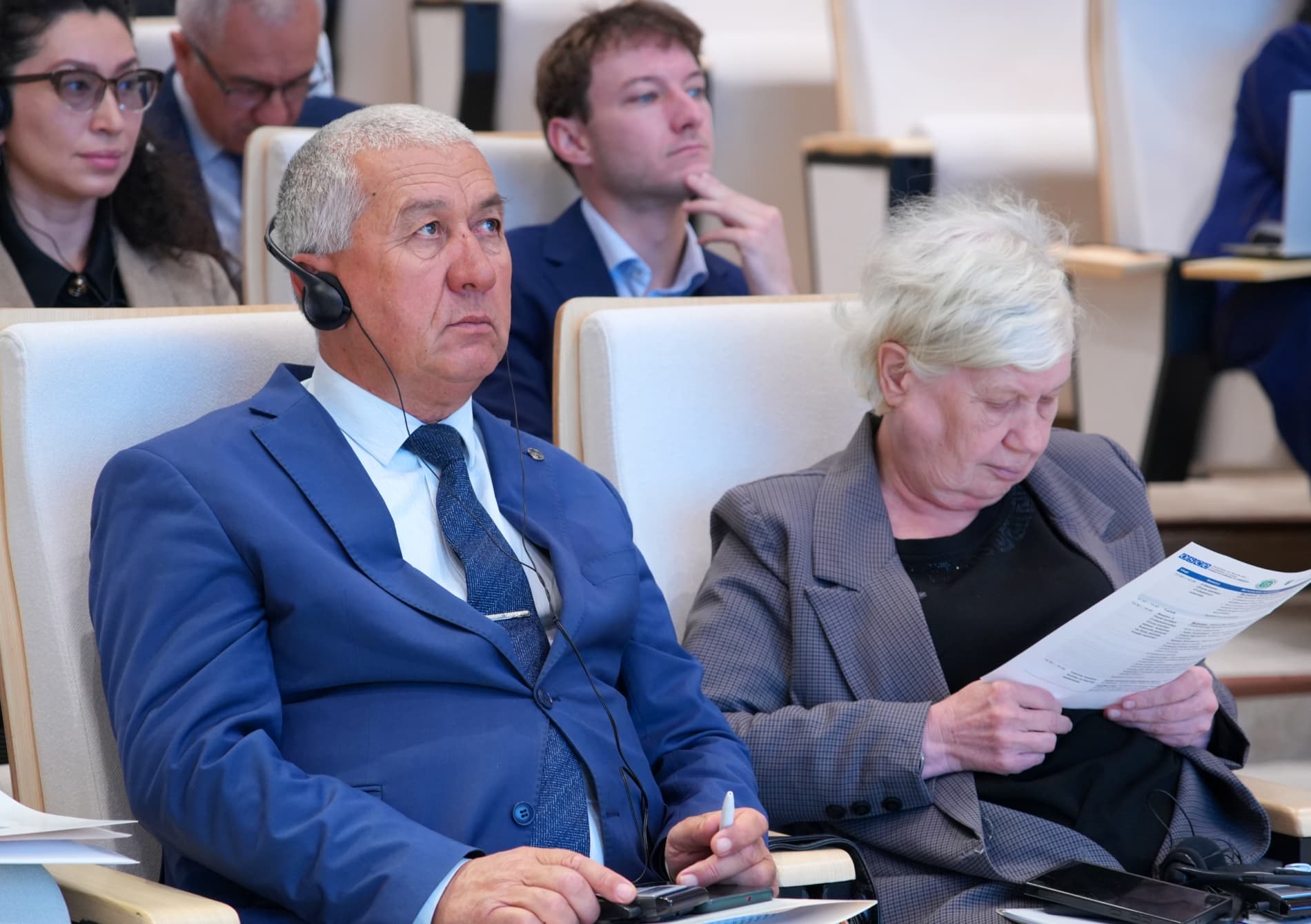
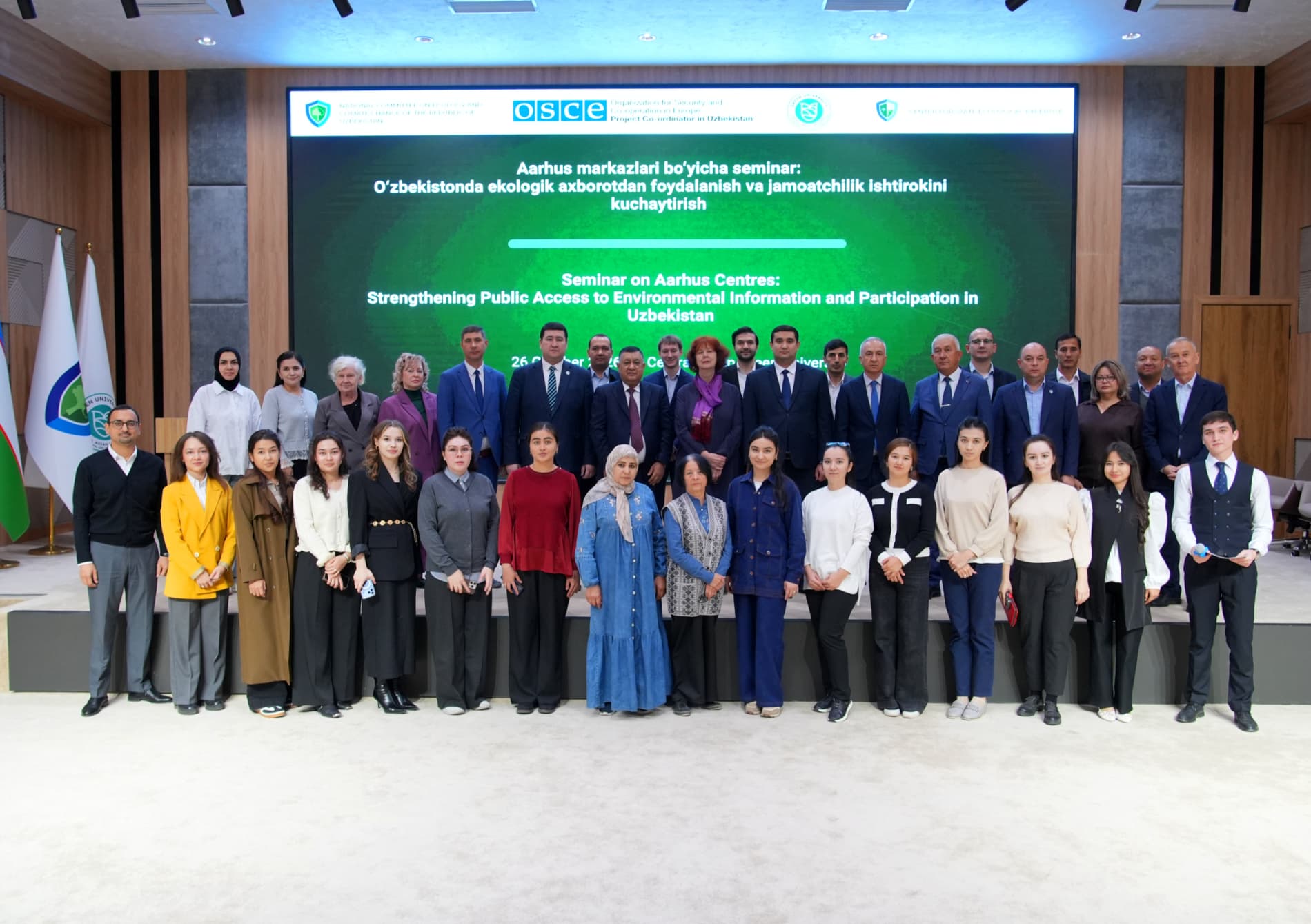
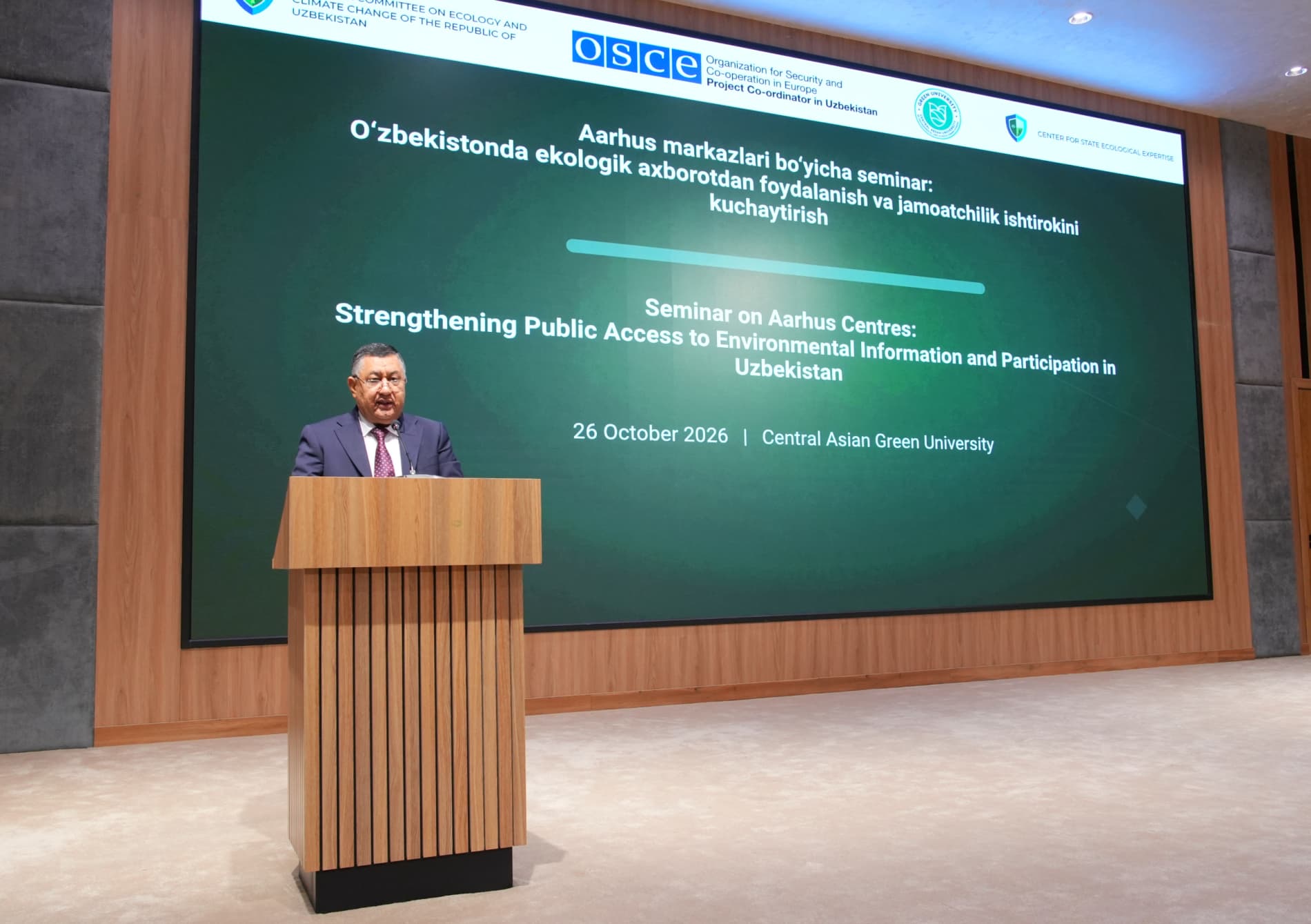
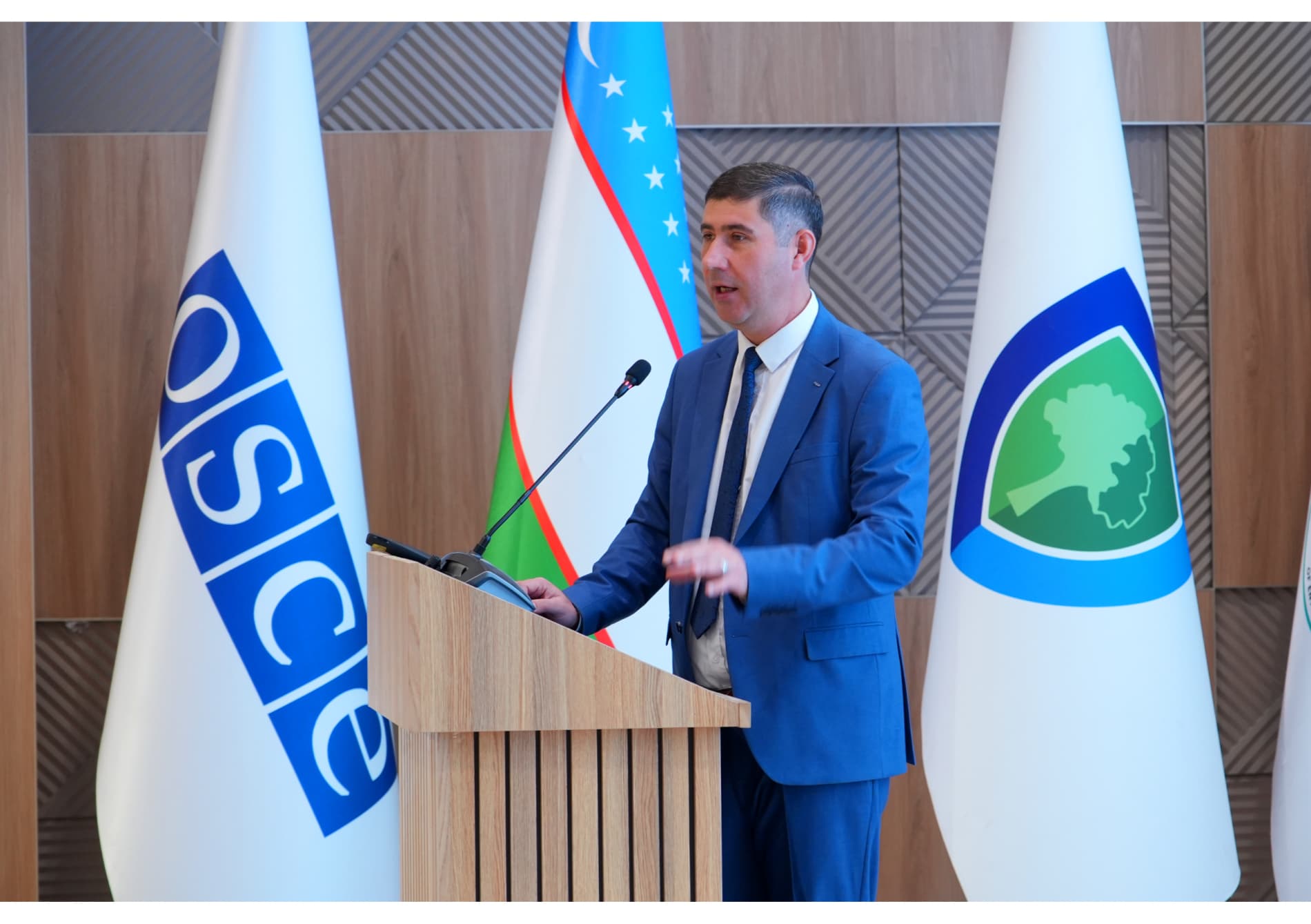
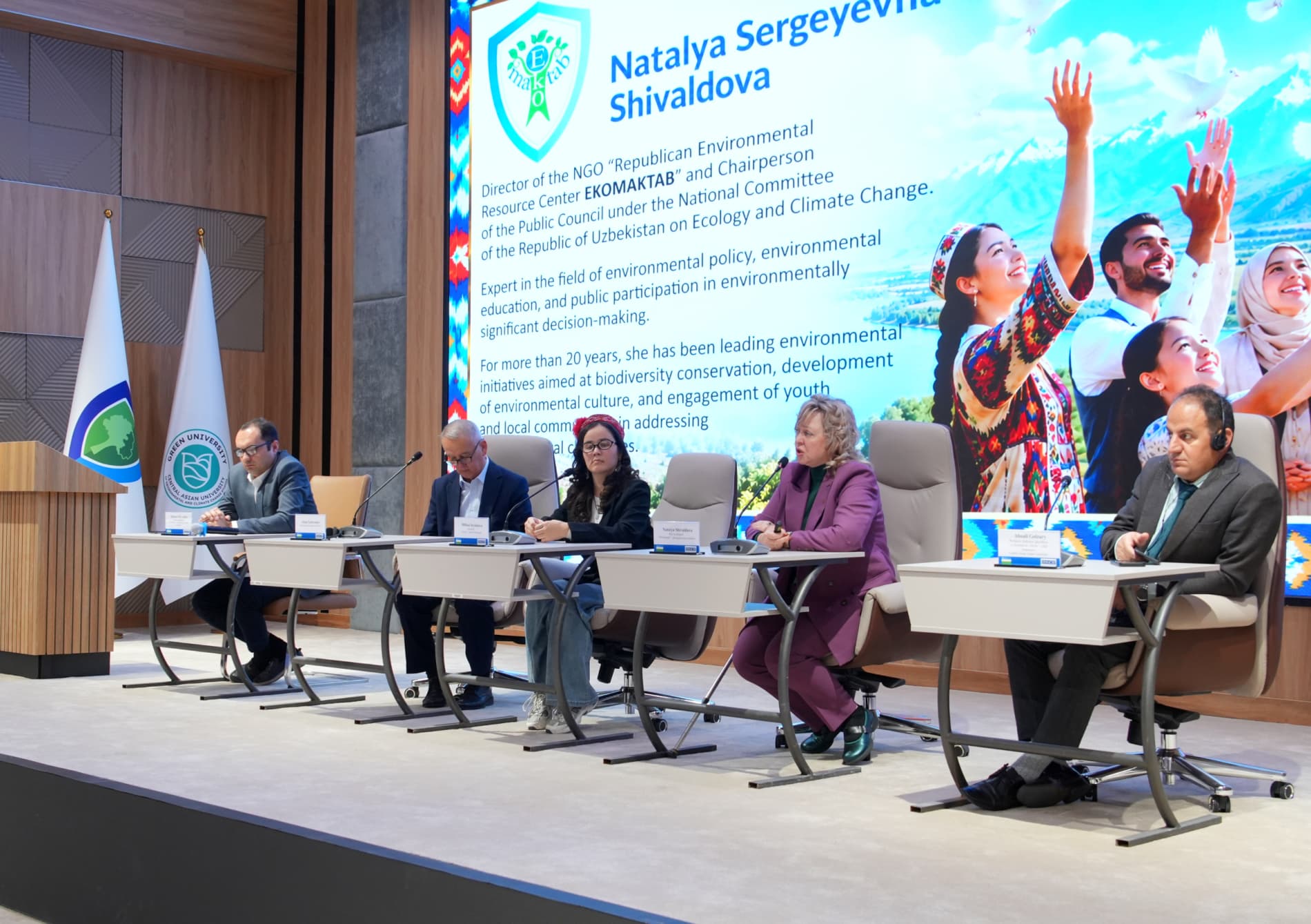

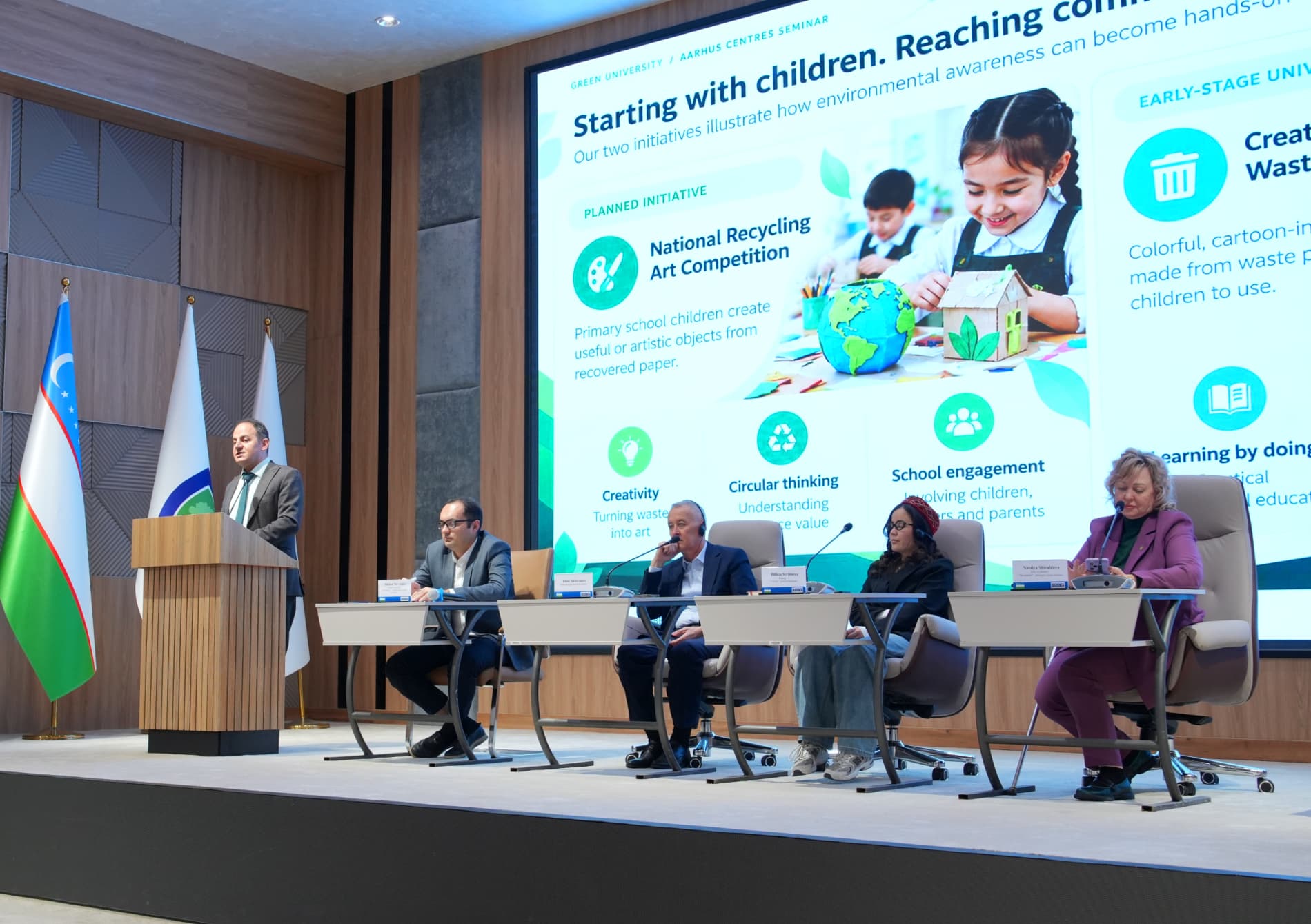

The event focused on the implementation of the provisions of the Aarhus Convention, ensuring citizens’ environmental rights, and developing mechanisms for cooperation between government authorities and the public.
Particular attention was paid to the three pillars of the Aarhus Convention: access to environmental information, public participation in environmental decision-making, and access to justice in environmental matters.
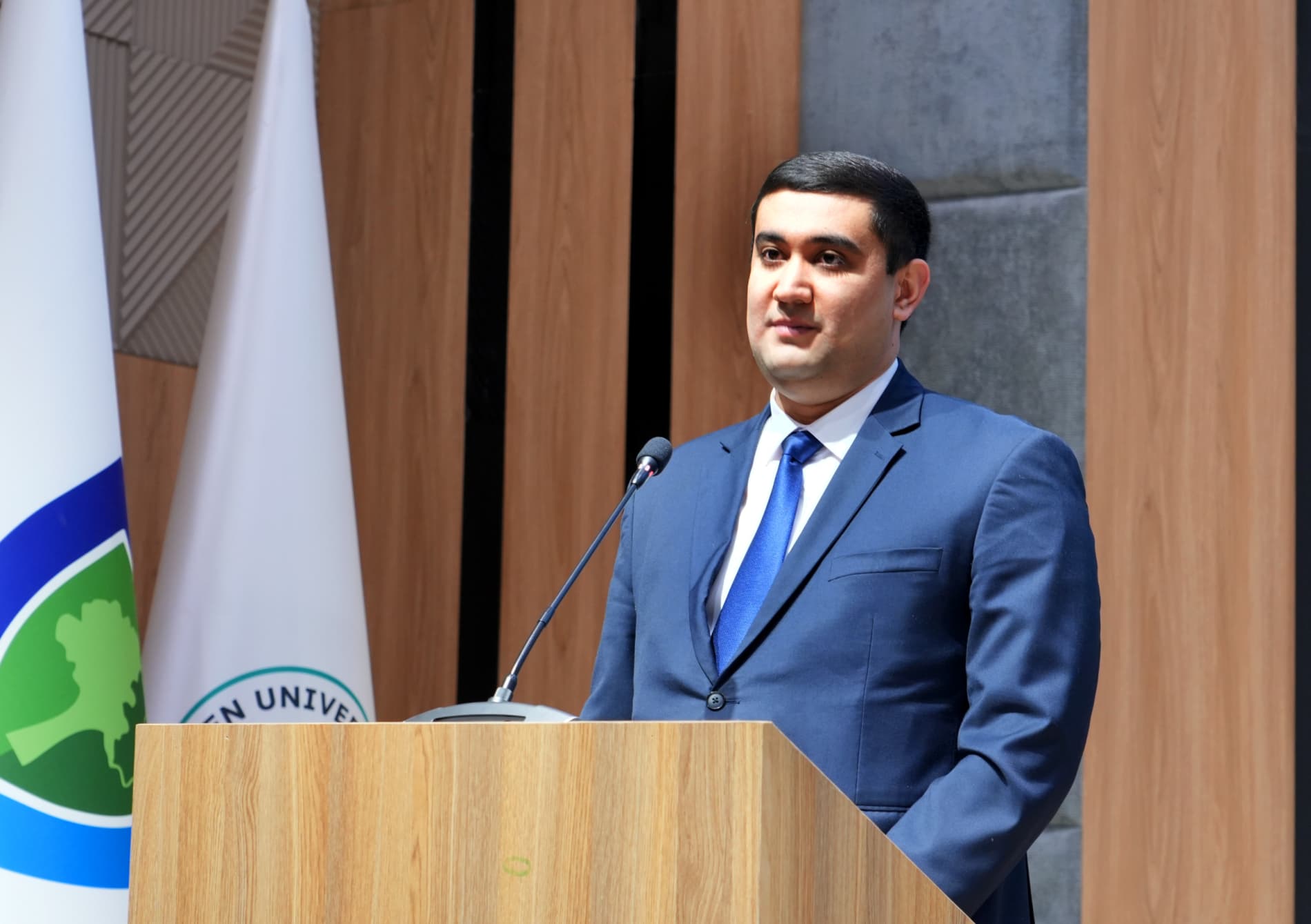
G. Mukhamedov, Director General of the Center of State Environmental Expertise, emphasized that transparency in environmental information and active public participation are essential prerequisites for effective environmental governance. According to him, establishing an Aarhus Centre in Uzbekistan would help strengthen dialogue between government authorities and the public, increase transparency in decision-making, and raise public awareness of environmental protection issues.
During the seminar, representatives presented the experience of Aarhus Centres in Kazakhstan, Kyrgyzstan, Tajikistan, and Turkmenistan. Participants examined the approaches used in these countries to provide the public with environmental information, organize public consultations, offer legal and informational support to citizens, and promote environmental education.
Special attention was also given to developing regional cooperation, exchanging information on transboundary environmental issues, and exploring opportunities to apply the best practices of neighbouring countries in Uzbekistan.
The discussions covered the organizational model of an Aarhus Centre, its key functions, governance mechanisms, and forms of cooperation with government authorities, scientific institutions, and civil society organizations.
At the conclusion of the seminar, participants emphasized the need for further in-depth consideration of the establishment of an Aarhus Centre in Uzbekistan, taking into account international experience and the proposals put forward by participants. They also highlighted the importance of developing practical approaches to improving openness and transparency in environmental governance, expanding access to environmental information, and strengthening public participation in environmental decision-making.