
Industry Transition to “Green” Technologies Discussed in Tashkent
2026-09-07 11:30:00 / News
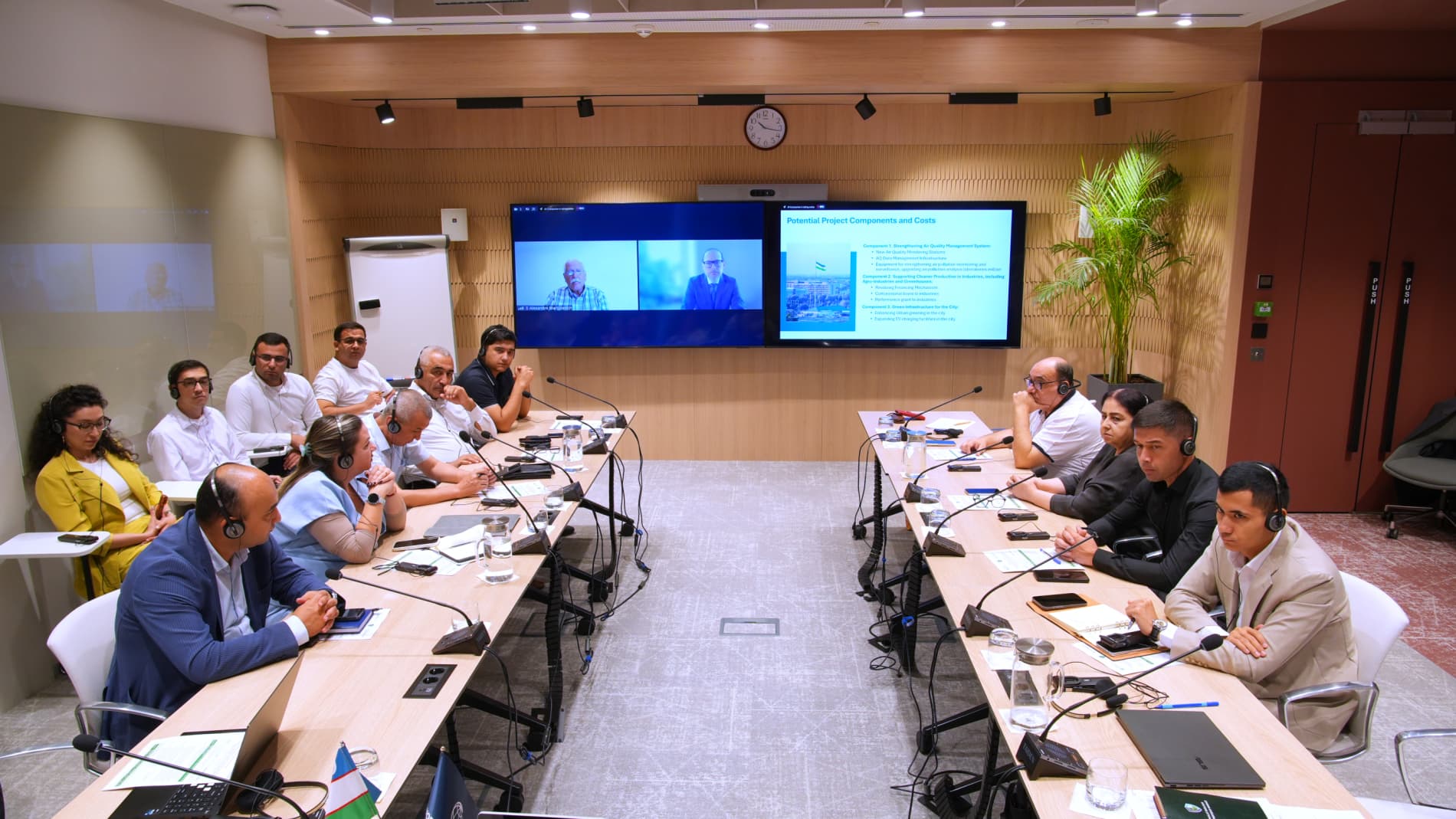
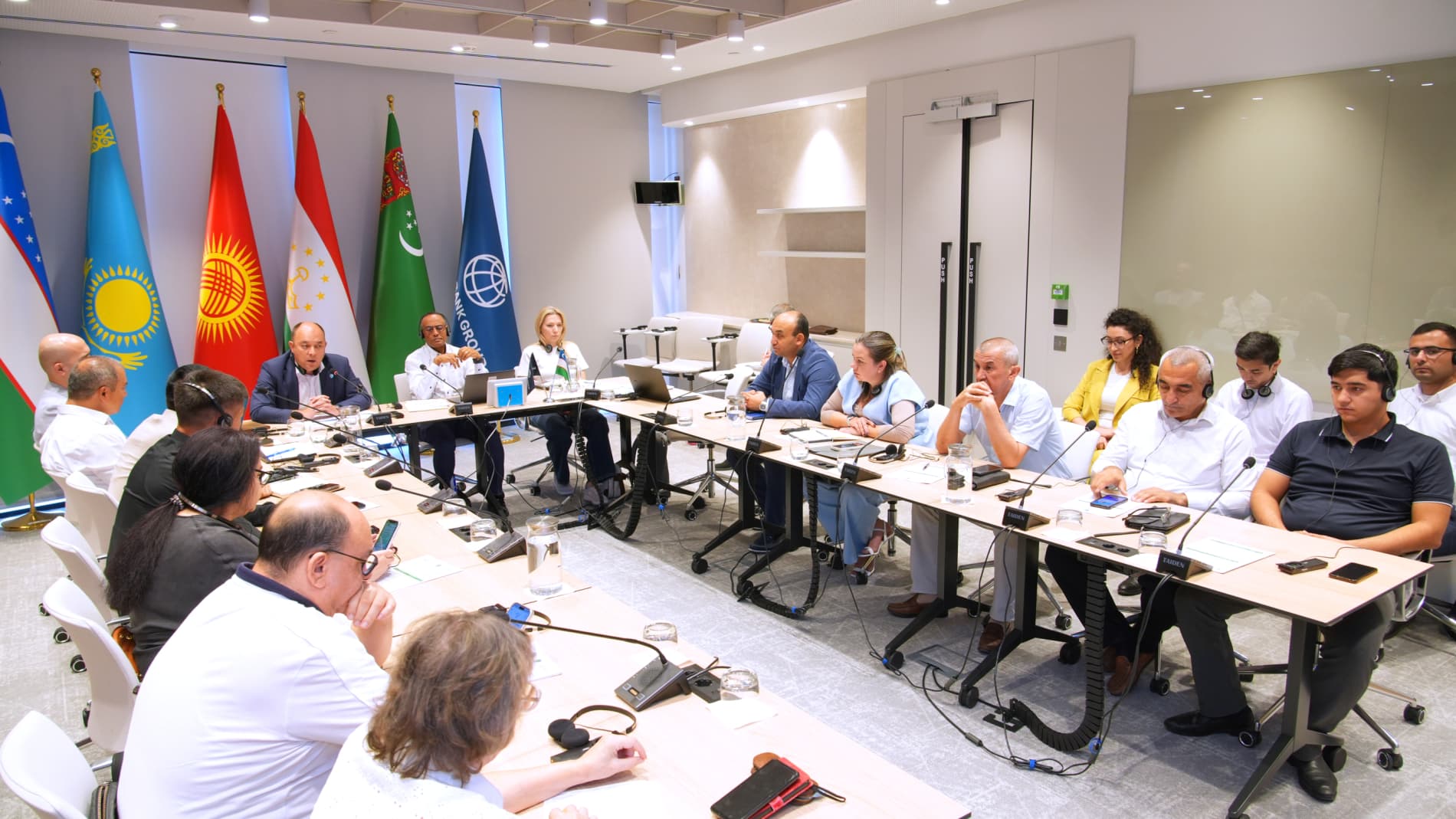
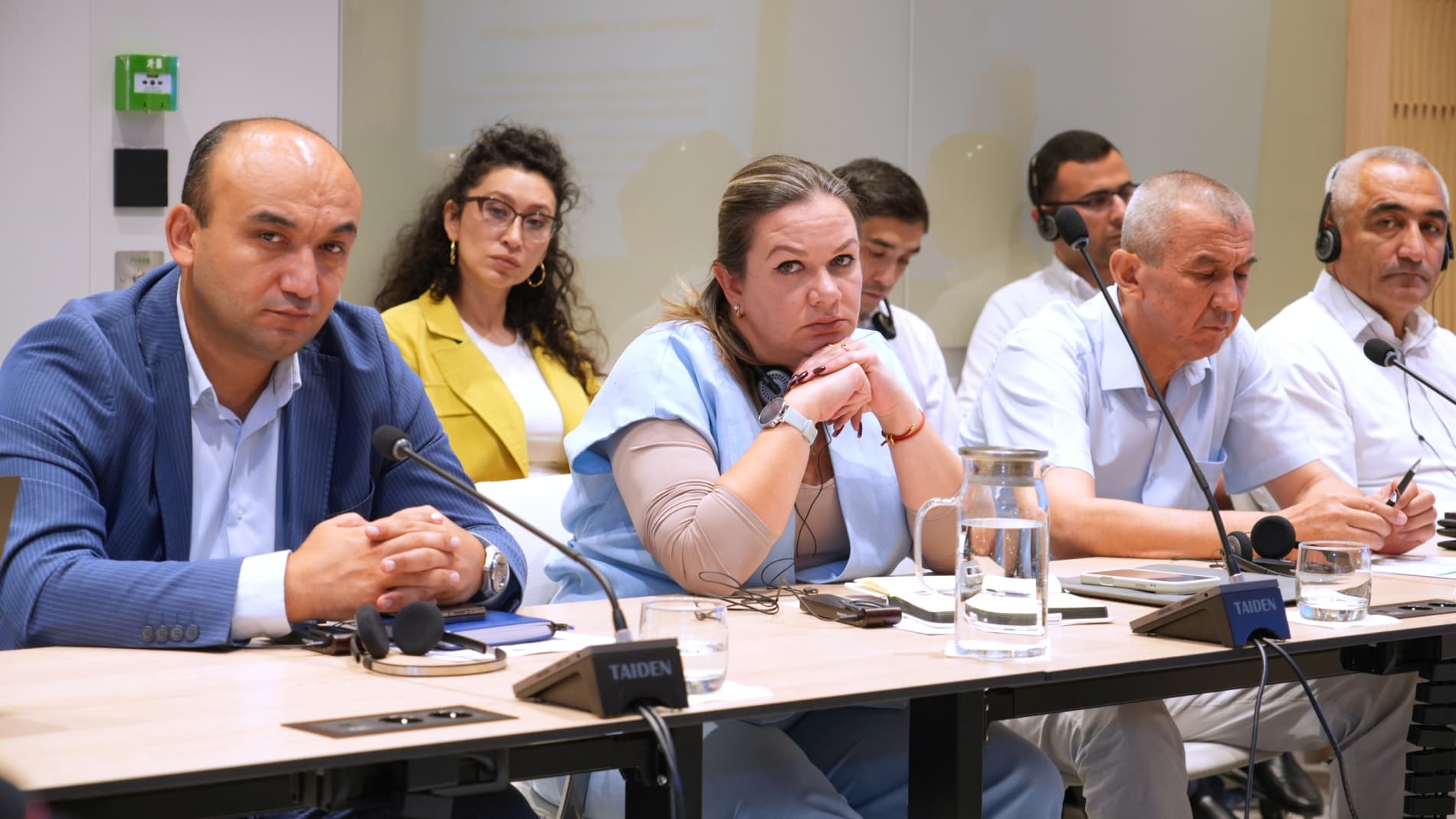
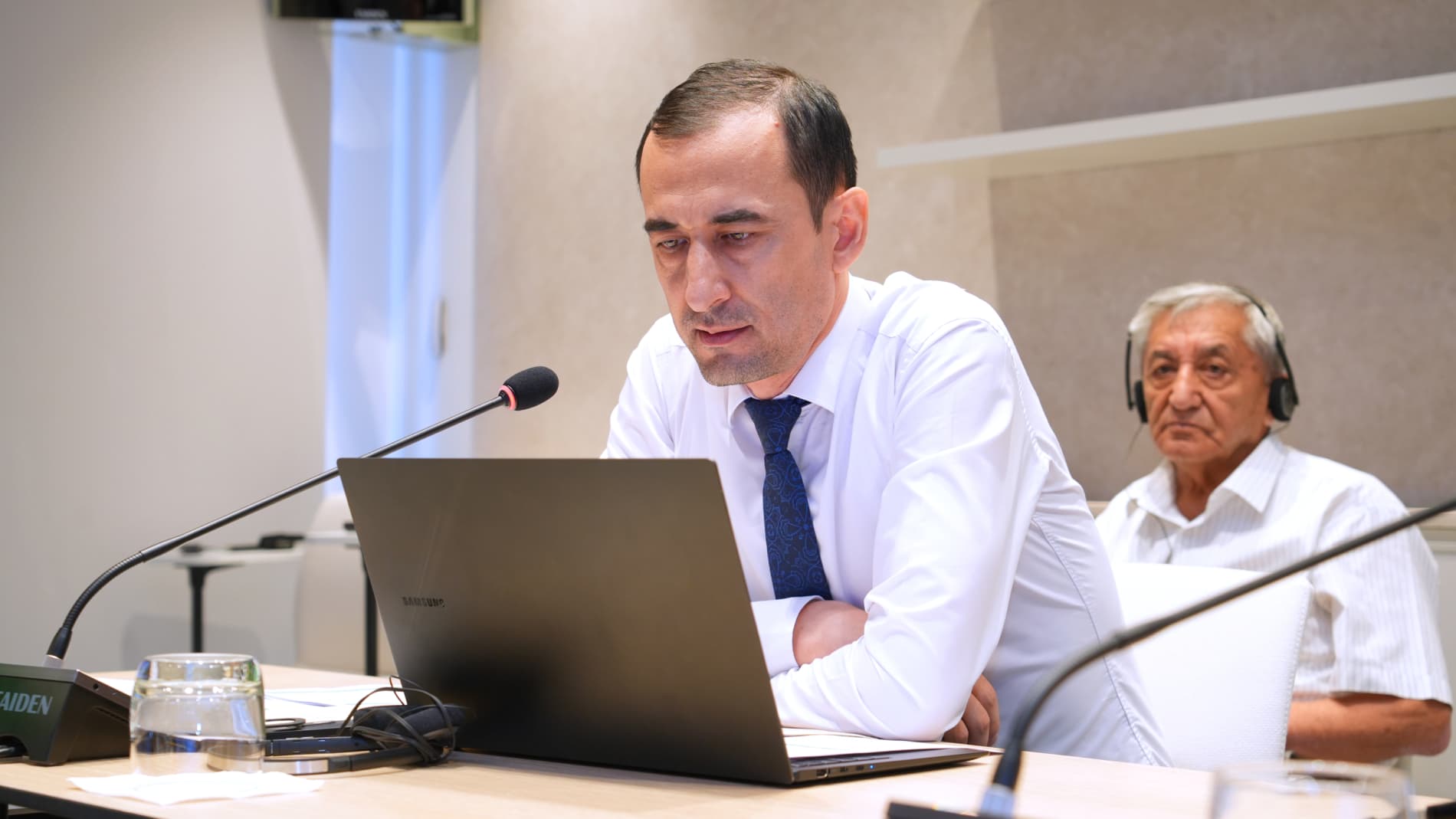
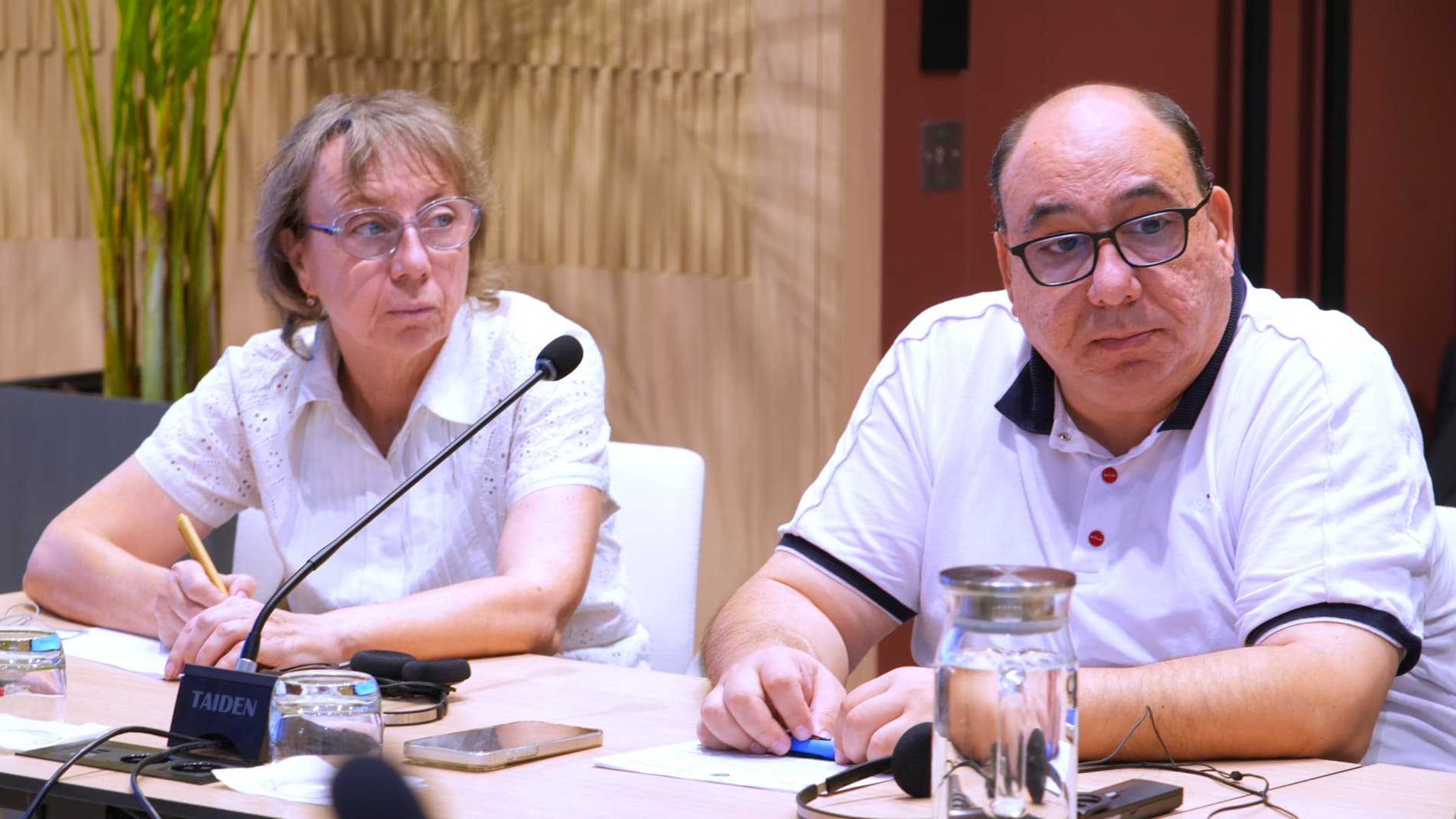

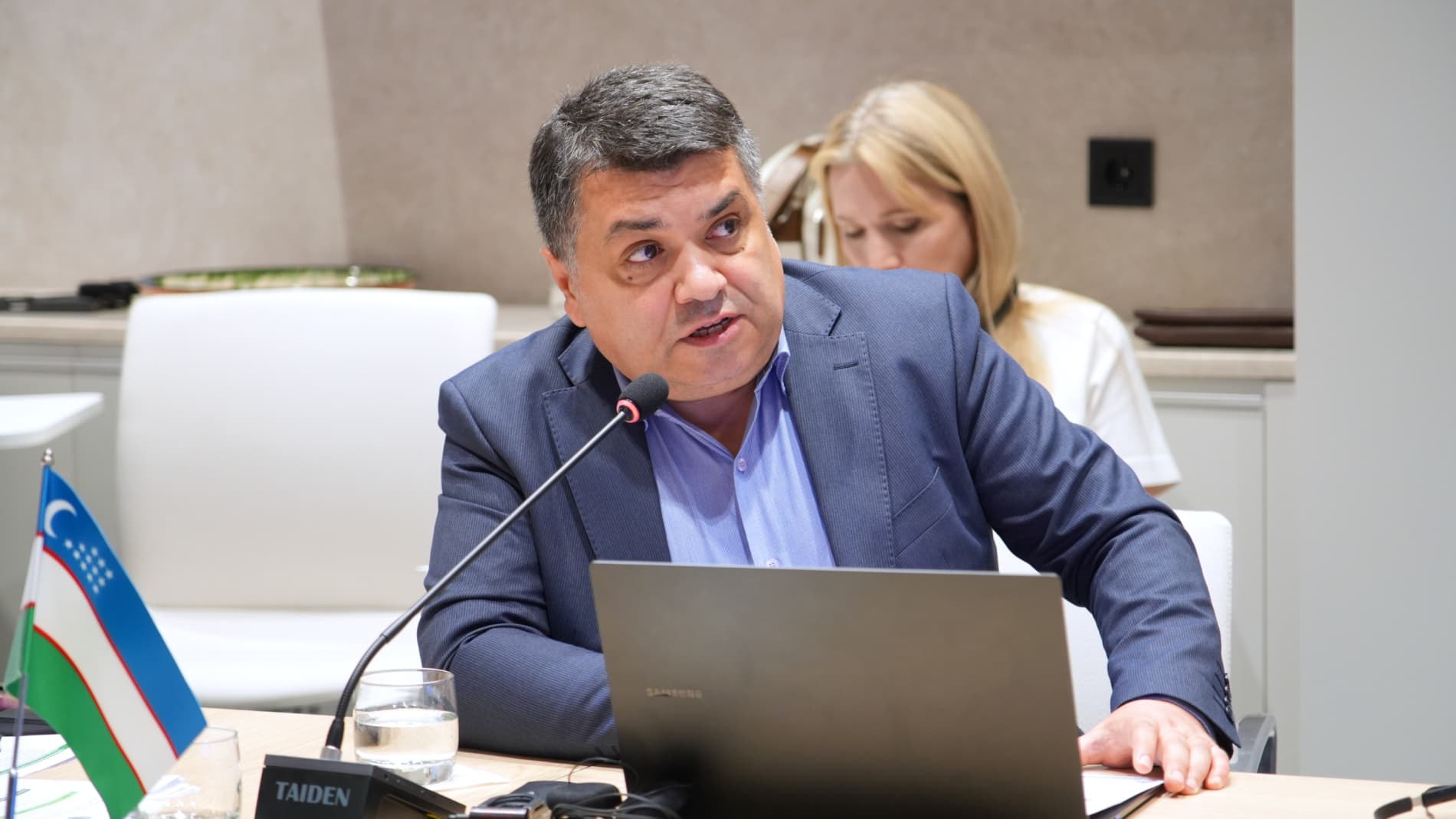
he event brought together representatives of the Center for State Environmental Expertise under the National Committee for Ecology and Climate Change, the World Bank Group, international financial institutions, the banking sector, industrial enterprises, as well as international experts.
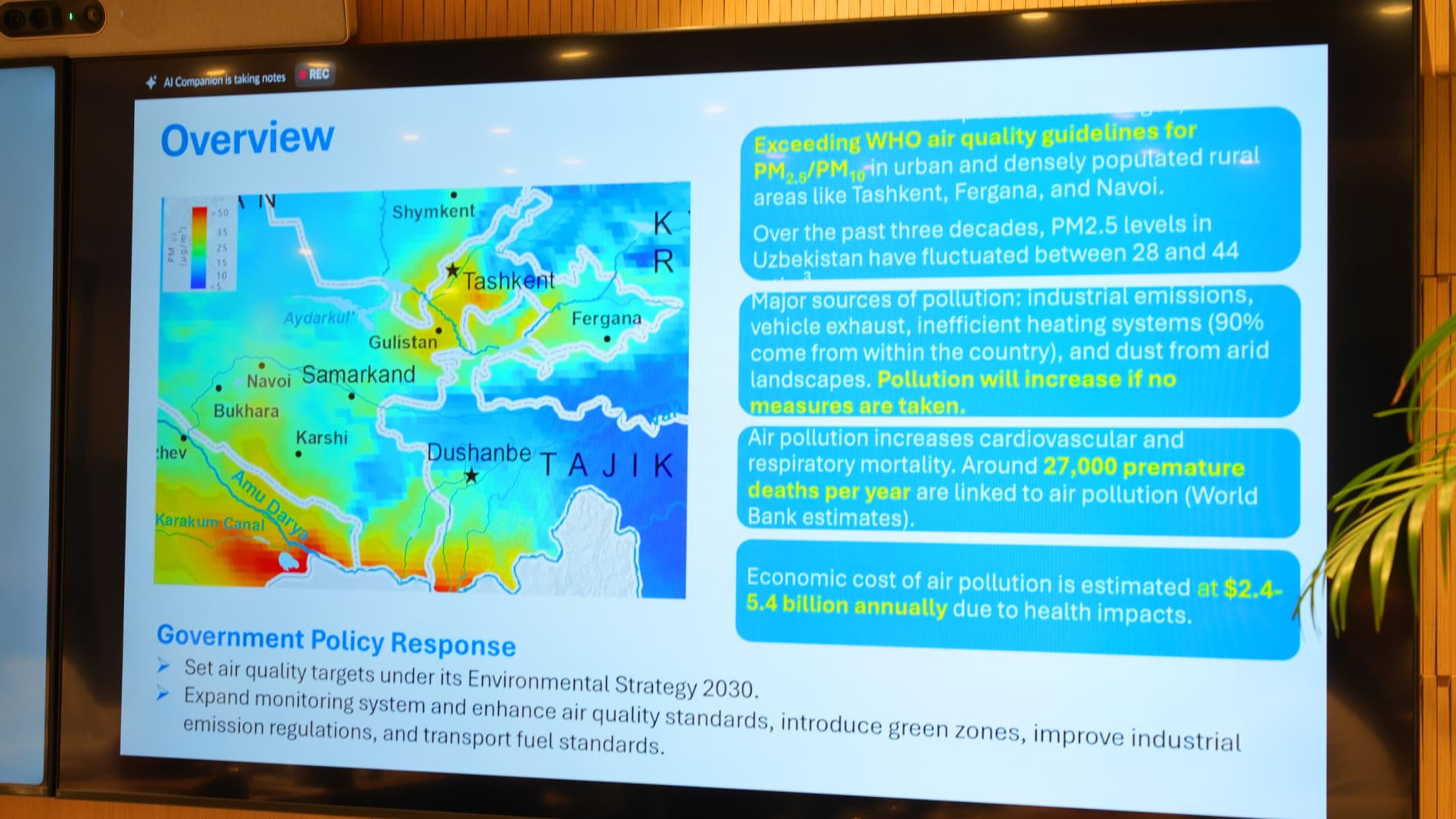
During the seminar, it was noted that reducing industrial pollution is one of the key priorities of the National Program for Air Quality Protection. Vyacheslav Shi-Syan, Deputy Director General of the Center for State Environmental Expertise, delivered a presentation on this area.
The National Program is aimed at reducing the environmental impact on ambient air. It sets objectives such as increasing the share of capture and treatment of pollutants emitted by industrial sources, reducing the number of days when national PM2.5 standards are exceeded, and reducing emissions from motor vehicles.
Particular attention at the event was paid to the technological modernization of Category I and II enterprises in terms of their environmental impact. It was emphasized that the introduction of Best Available Techniques would not only reduce emissions, but also improve energy and resource efficiency, reduce the consumption of raw materials and fuel, decrease waste generation, and enhance the investment attractiveness of enterprises.
The first session of the seminar addressed the role of Uzbekistan’s green finance taxonomy in identifying priority projects aimed at reducing industrial pollution, the World Bank’s assessment of the main sources of air pollution in Tashkent and the Tashkent Region, as well as international approaches to implementing Best Available Techniques and developing a green economy.
Special attention was given to the development of specific investment projects for environmental modernization. Experts from the International Finance Corporation (IFC) presented environmental and social requirements applicable to borrowers, as well as approaches of the World Bank Group based on international practices in the industrial sector.
Participants discussed concessional and commercial financing mechanisms for such projects. Particular attention was paid to the requirements of international development institutions and Uzbekistan’s banking sector.
In particular, the participants noted that attracting investment for the modernization of production facilities, installation of gas-cleaning equipment, implementation of automated monitoring systems, improvement of energy efficiency, and application of resource-saving technologies remain important priorities.
The practical part of the seminar focused on projects in specific industrial sectors. Discussions covered the use of refuse-derived fuel (RDF) in the cement industry, modernization of heating systems, expanding the use of renewable energy sources, and the development of green and transition projects in eco-industrial parks.
The event concluded with an open dialogue on mechanisms for financing the transition of enterprises to Best Available Techniques. Participants discussed opportunities to use green and sustainable financing instruments alongside enterprises’ own funds.
The seminar highlighted the importance of establishing a unified chain:
Environmental requirements → Best Available Techniques (BAT) → Investment projects → Green financing → Pollution reduction.
As emphasized during the event, the phased transition to Best Available Techniques is an important instrument for modernizing Uzbekistan’s industrial sector, achieving national air quality protection targets, and consistently reducing the environmental burden.