
Recognising outstanding contributions to environmental protection
2026-08-30 12:00:00 / News
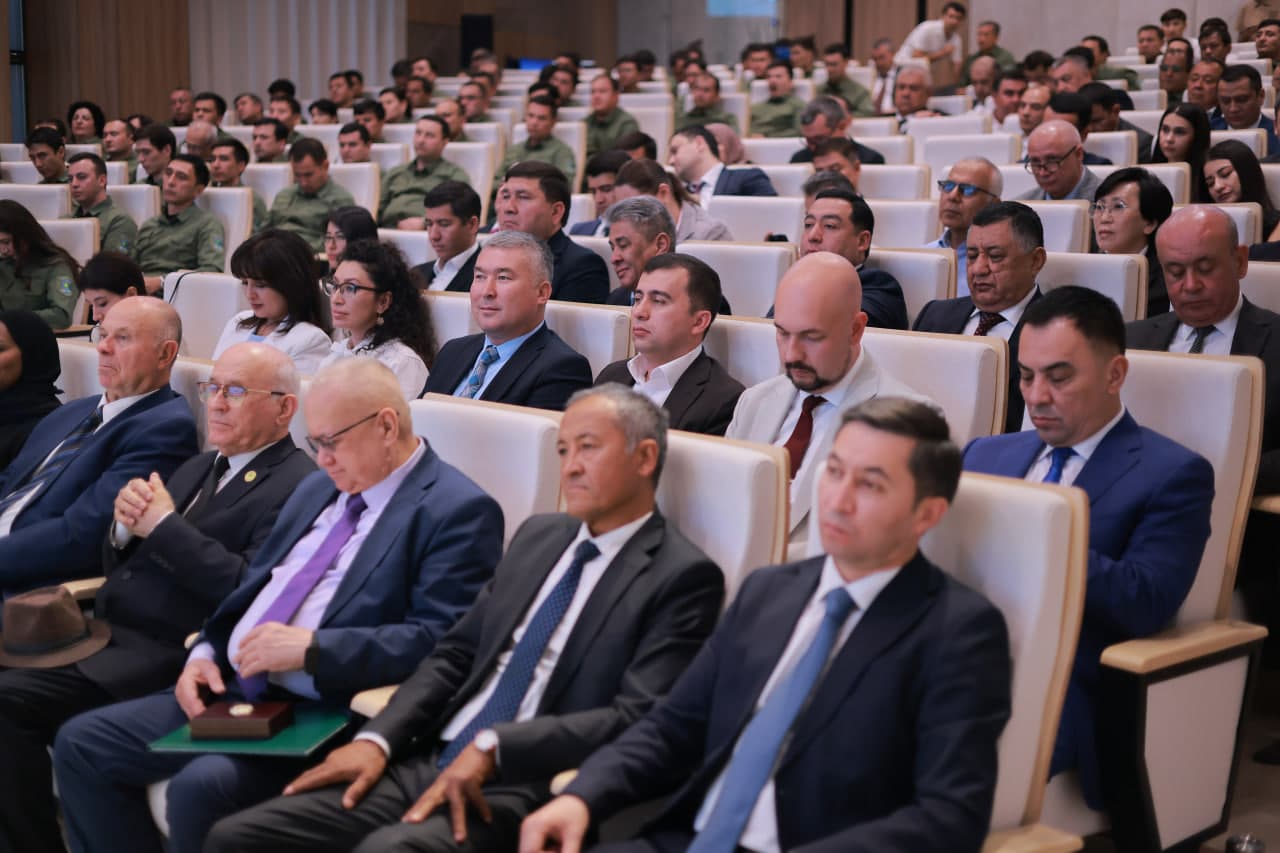
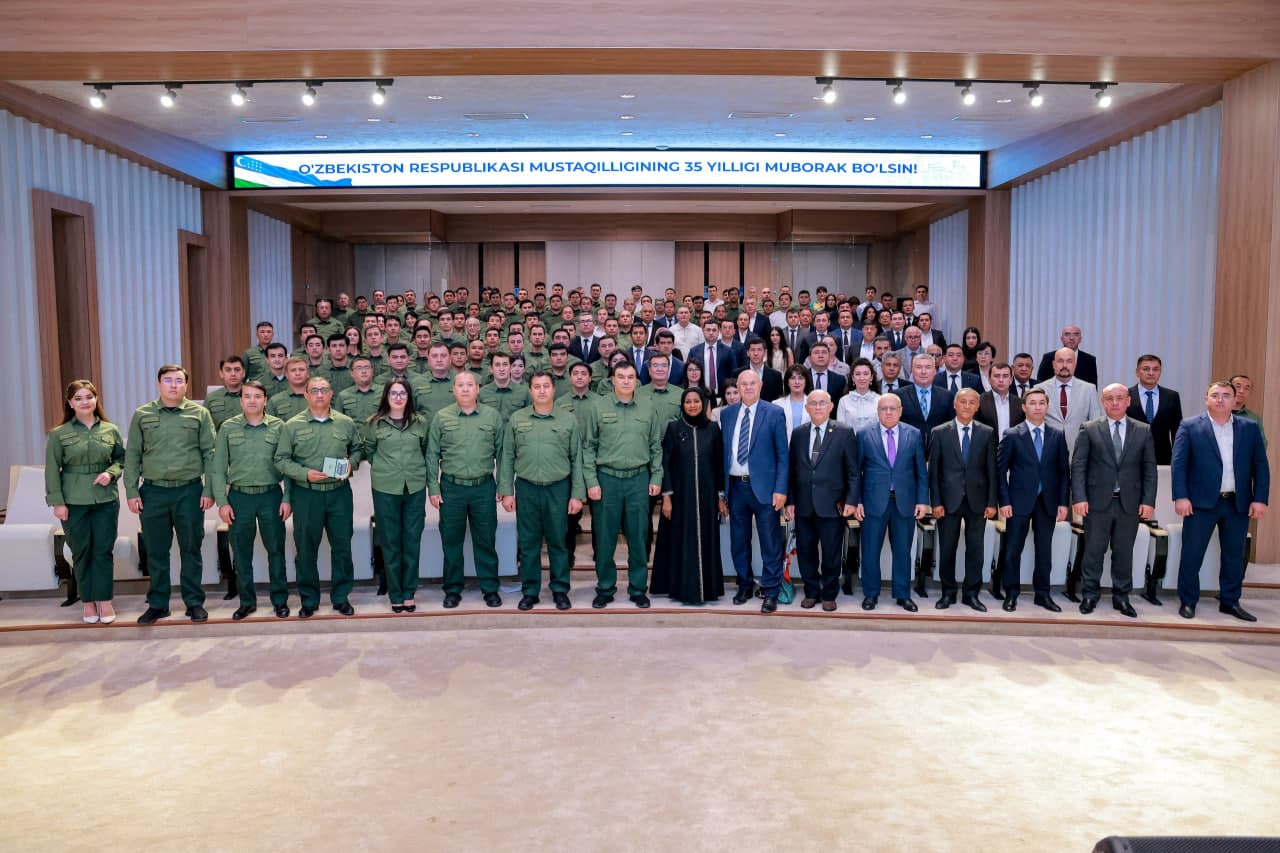
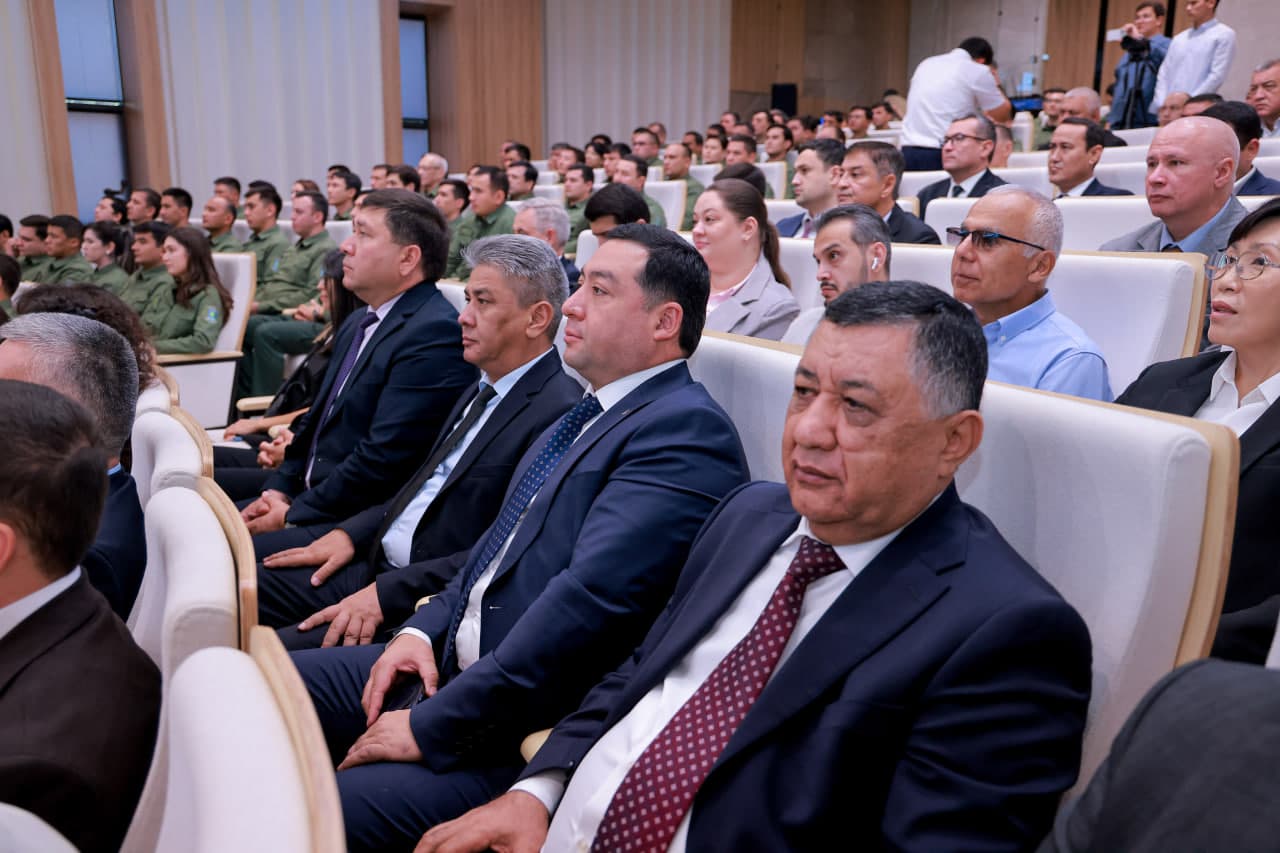
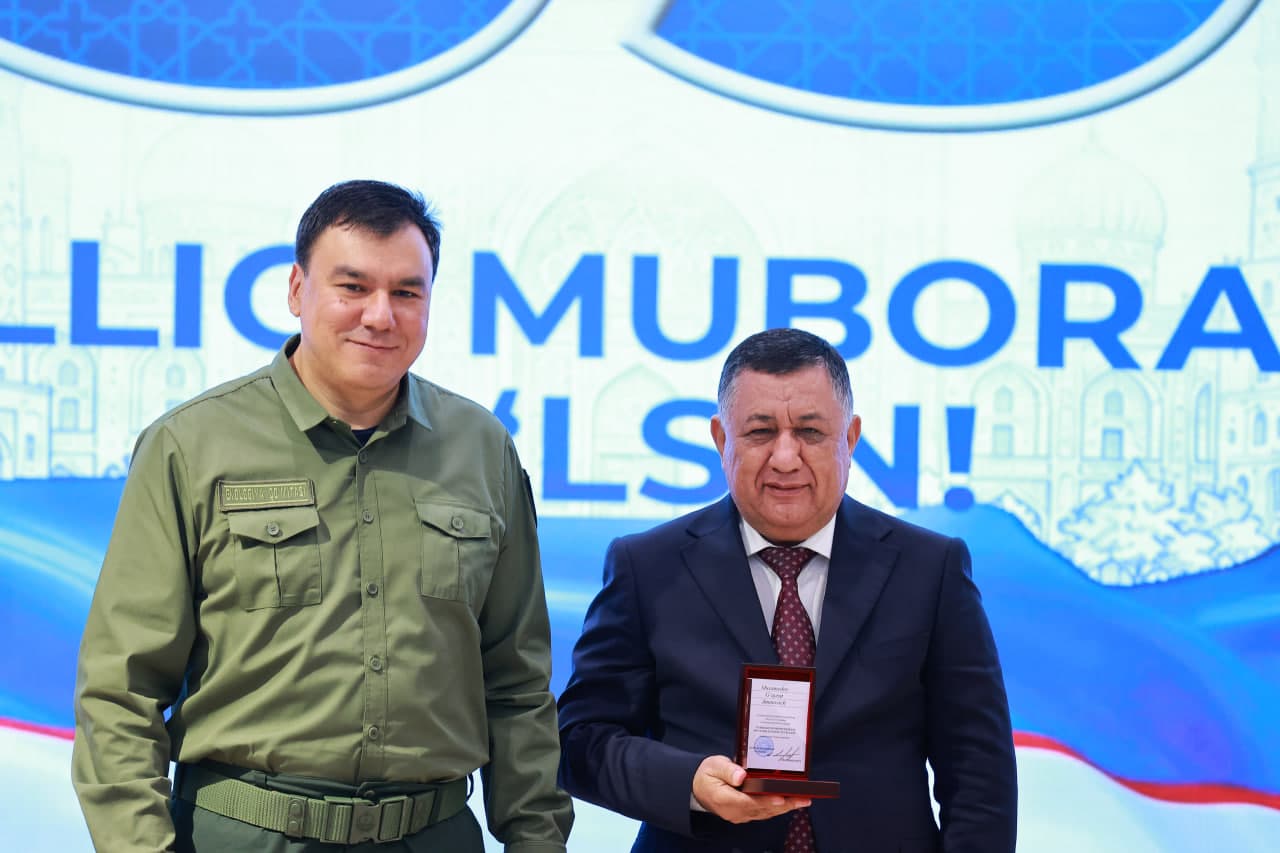
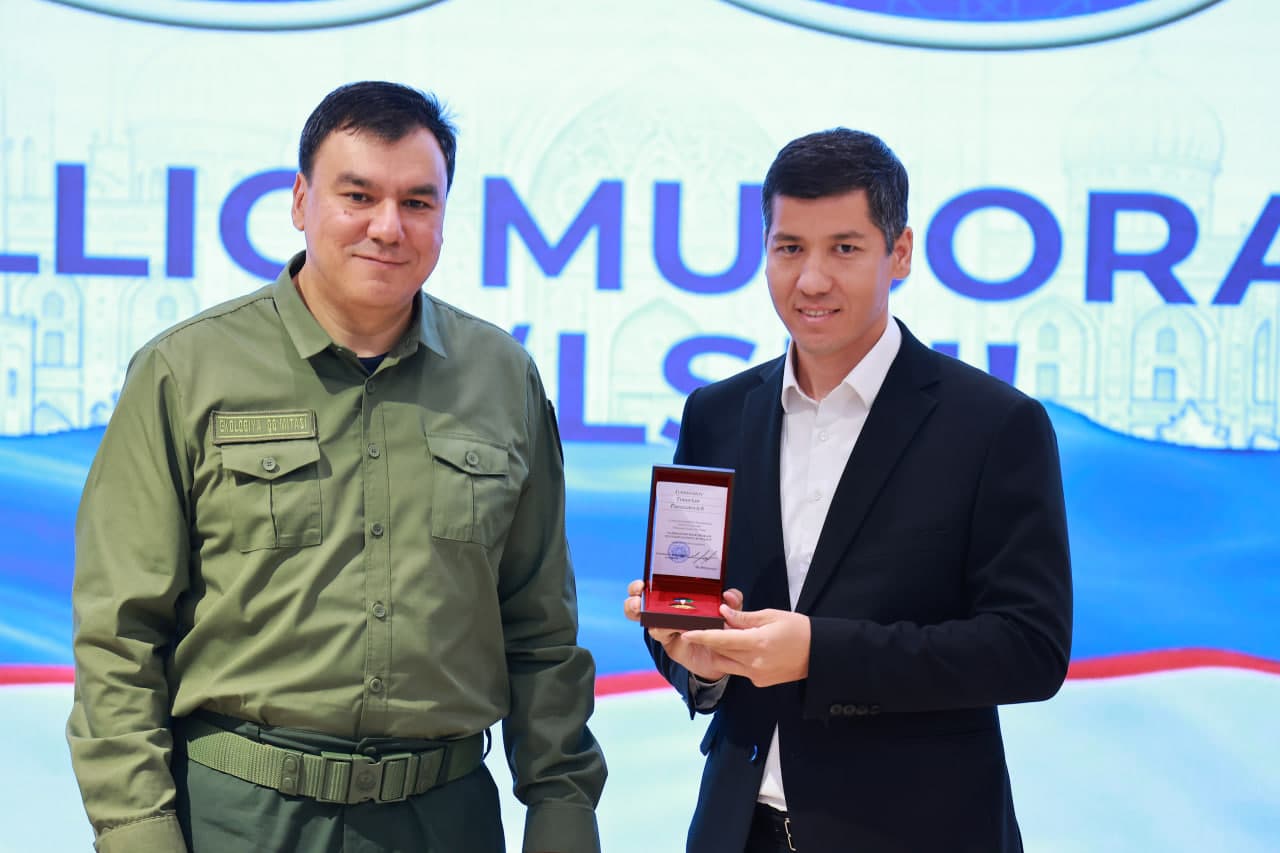
Addressing the event, Aziz Abdukhakimov noted that in recent years, significant results have been achieved in all areas at the initiative of the Head of State, including in the field of environmental protection.
“Today, it is impossible to imagine the development of New Uzbekistan without a healthy natural environment. Clean air, clean water, fertile land, green spaces and rich biodiversity are not simply natural resources; they are among the most important foundations of the health of our people, the sustainability of our economy and national security. For this reason, under the leadership of the esteemed President, environmental protection and climate change have been elevated to the level of state policy. The environmental protection system is being consistently improved, and new mechanisms are being introduced to strengthen oversight, promote digitalisation and expand public participation in this area. Nationwide initiatives such as "Yashil Makon", "Clean Air", "Zero Waste", "Eco-Culture" and "Biological Heritage" are becoming increasingly integrated into the daily lives of the population,” Aziz Abdukhakimov said.
The Chairman also emphasised the significant contribution of the Committee and its system of organisations, international partners, non-governmental non-profit organisations and all environmental activists across the country to the results achieved.
During the event, a group of specialists who have made a significant contribution to the development of the environmental sector were awarded the “35th Anniversary of the Independence of the Republic of Uzbekistan” commemorative badge.
It should be noted that in recent years, Uzbekistan has become one of the important centres for discussing environmental issues. Samarkand hosted, for the first time in the CIS and Central Asia, a number of United Nations conferences in the field of environmental protection, as well as the Assembly of the Global Environment Facility (GEF). In addition, Green University was established, and 14 “green” technical colleges were opened in all regions of the country. Five nationwide initiatives — "Yashil Makon", "Eco-Culture", "Biological Heritage", "Clean Air" and "Zero Waste"— are being implemented. The "Eco-Police" was established and granted law-enforcement status.
In addition, dust and gas treatment systems have been installed and modernised at 522 industrial enterprises. Atmospheric emissions have been reduced by 163.5 tonnes. As part of the Clean Air campaign, more than 1.5 million vehicles underwent environmental inspections. An environmental sticker system has been introduced.
Under the nationwide "Yashil Makon" initiative, more than 793 million seedlings have been planted. A total of 367 “green gardens” and “green public parks” have been established. The Astronomy Park has been created in Tashkent, while work is under way to establish the National Arboretum.
Forest plantations have been established across 728,000 hectares. In the Aral Sea region, green plantations have been established across 645,000 hectares, while protective forest plantations have been established across 8,448 hectares in desert and foothill areas. As a result, the total forest area has reached 4.5 million hectares.
At the same time, the coverage of sanitary cleaning services has been increased to 90 percent and 240 new jobs have been created. The operation of 50 landfill sites has been discontinued, while 255 hectares of land have been returned to nature. Waste sorting has been organised at 20 landfill sites, 100,000 tonnes of recyclable materials have been processed and 620 new jobs have been created.
At the same time, 80 nurseries have been established, and the territories of 10 specially protected natural areas have been expanded. Three new national nature parks have been established. The total number of specially protected natural areas has reached 27, while their total area accounts for 15.7 percent of the country’s territory, or 7.0 million hectares.
Using satellite imagery, a digital map of more than 254.1 million trees has been created. In Tashkent, electronic passports have been developed for more than 600,000 trees.
Observation facilities have been constructed and reconstructed, and new monitoring facilities have been established, including 99 meteorological stations, 17 agrometeorological posts, 32 hydrological posts and 58 air quality monitoring stations. In cooperation with the "Zamin" International Public Foundation, 28 automated stations have been installed.