
UNESCO Conference: Initiatives for the Preservation and Development of Cultural Heritage in the Era of Globalization
2025-11-03 15:00:00 / News
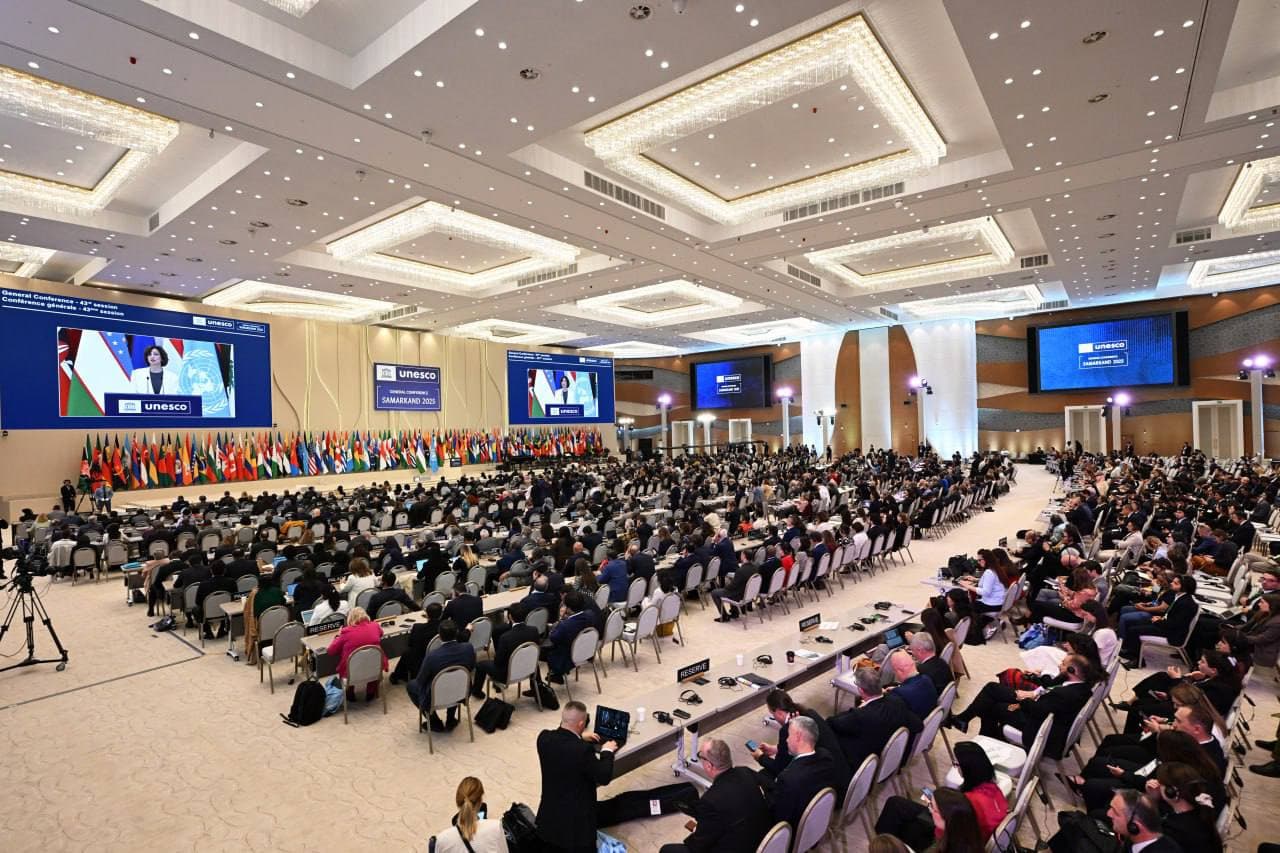
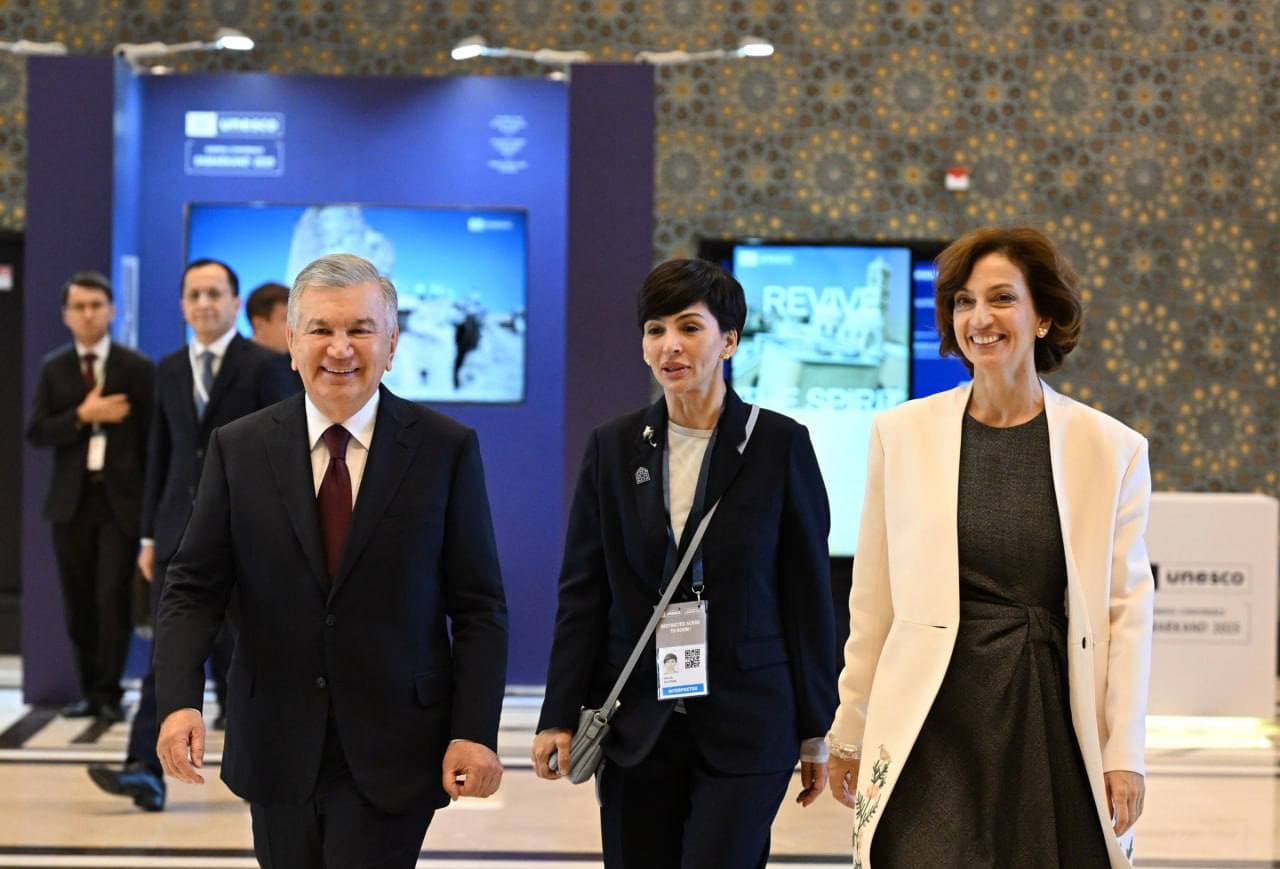
Uzbekistan has achieved significant success in this direction. Through decrees and resolutions of the Head of State aimed at protecting and developing historical heritage, the implementation of state programs, as well as projects carried out jointly with UNESCO, wide opportunities are being created for the restoration of monuments, their promotion at the international level, and their transmission to future generations.
It is known that there are more than 8,000 cultural heritage sites in Uzbekistan, most of which date back to the 19th–20th centuries. Preserving the ecological environment around historical monuments, preventing damage, and organizing continuous monitoring ensure their sustainable existence.
In the context of globalization, Uzbekistan is undergoing a stage of dynamic development while being located in one of the most environmentally vulnerable regions. This is particularly evident in the systemic and targeted measures being taken to preserve cultural heritage.
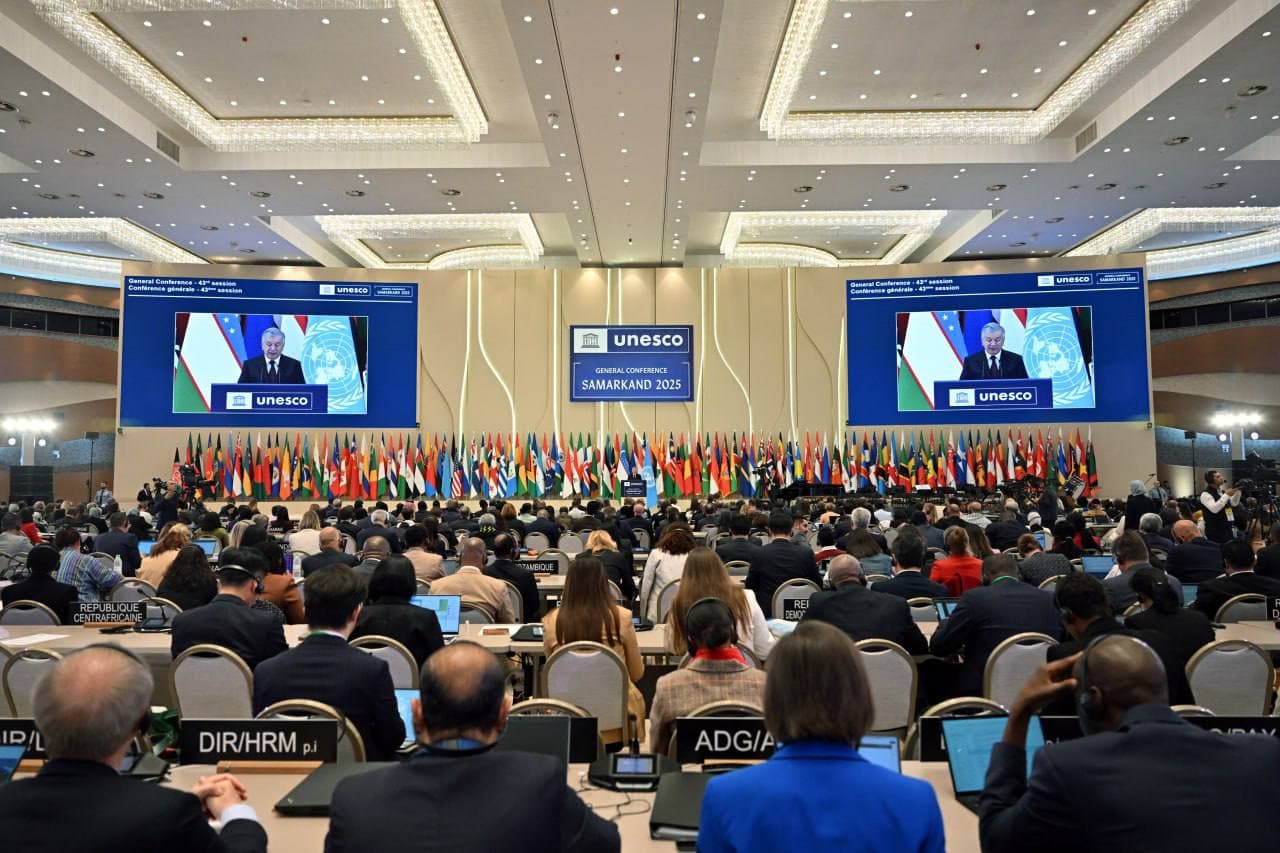
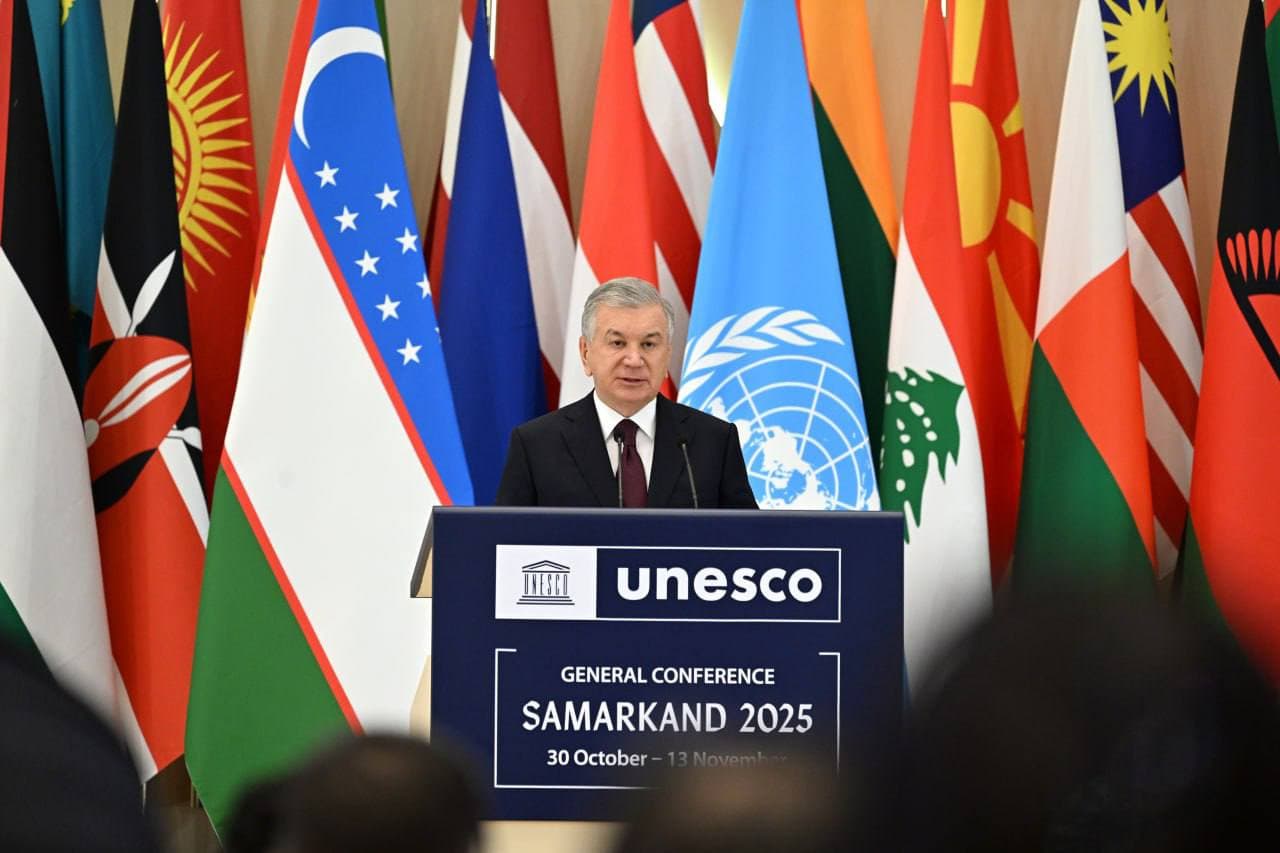
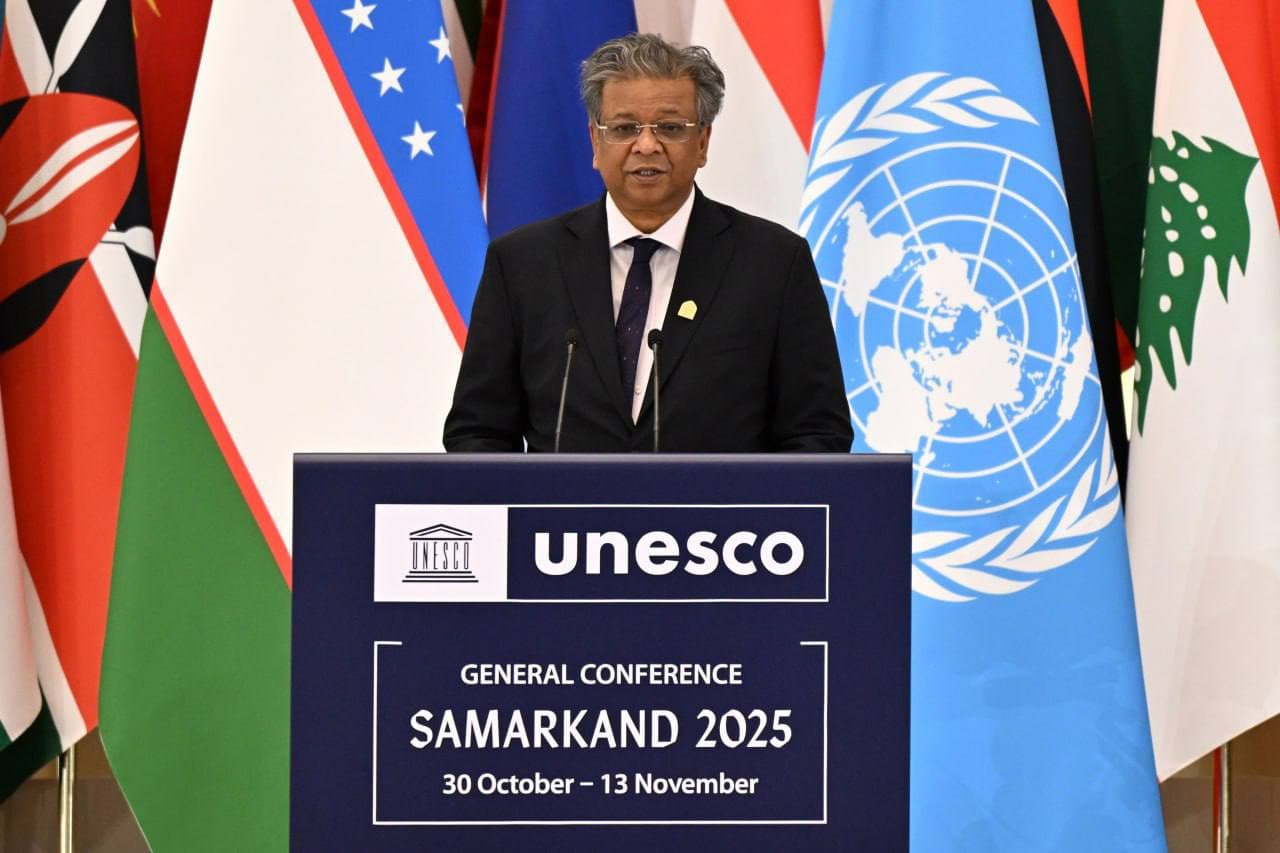
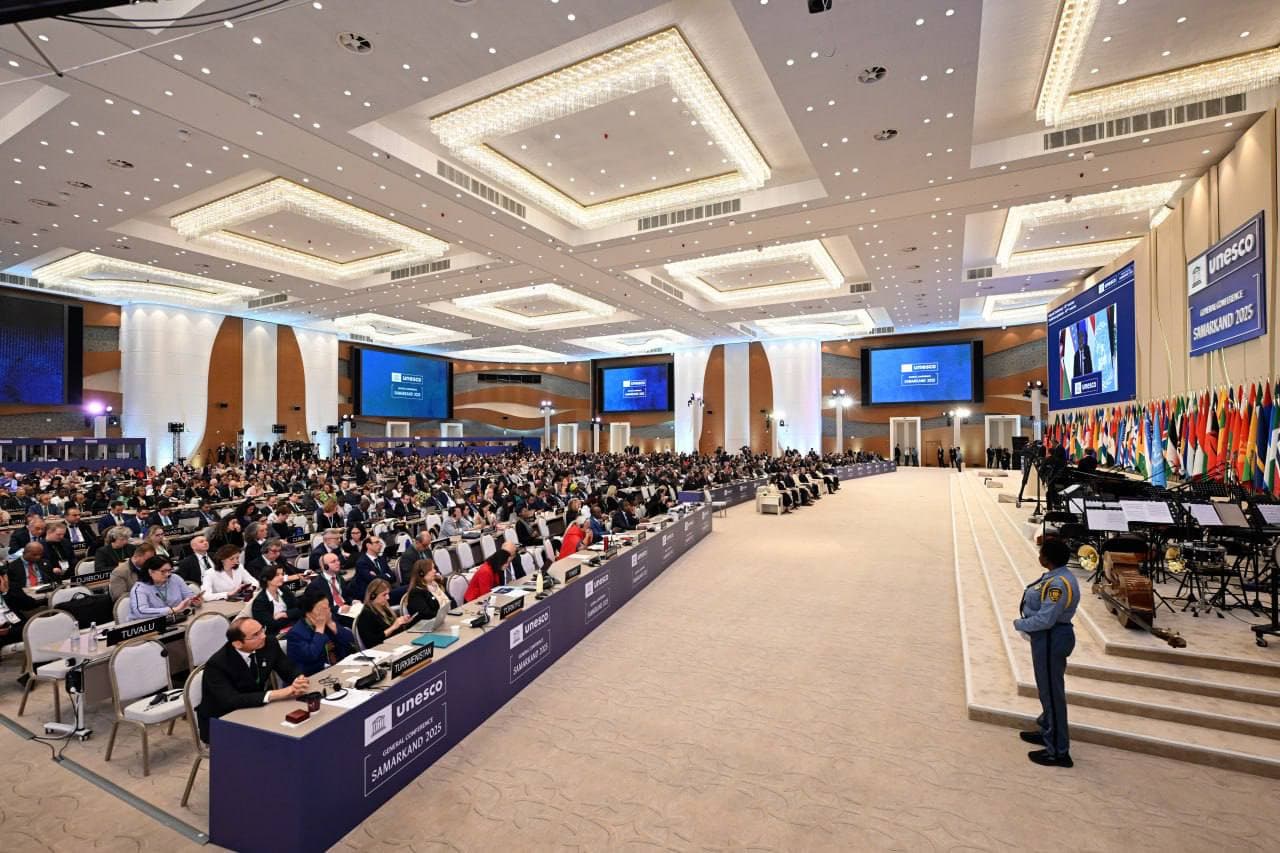
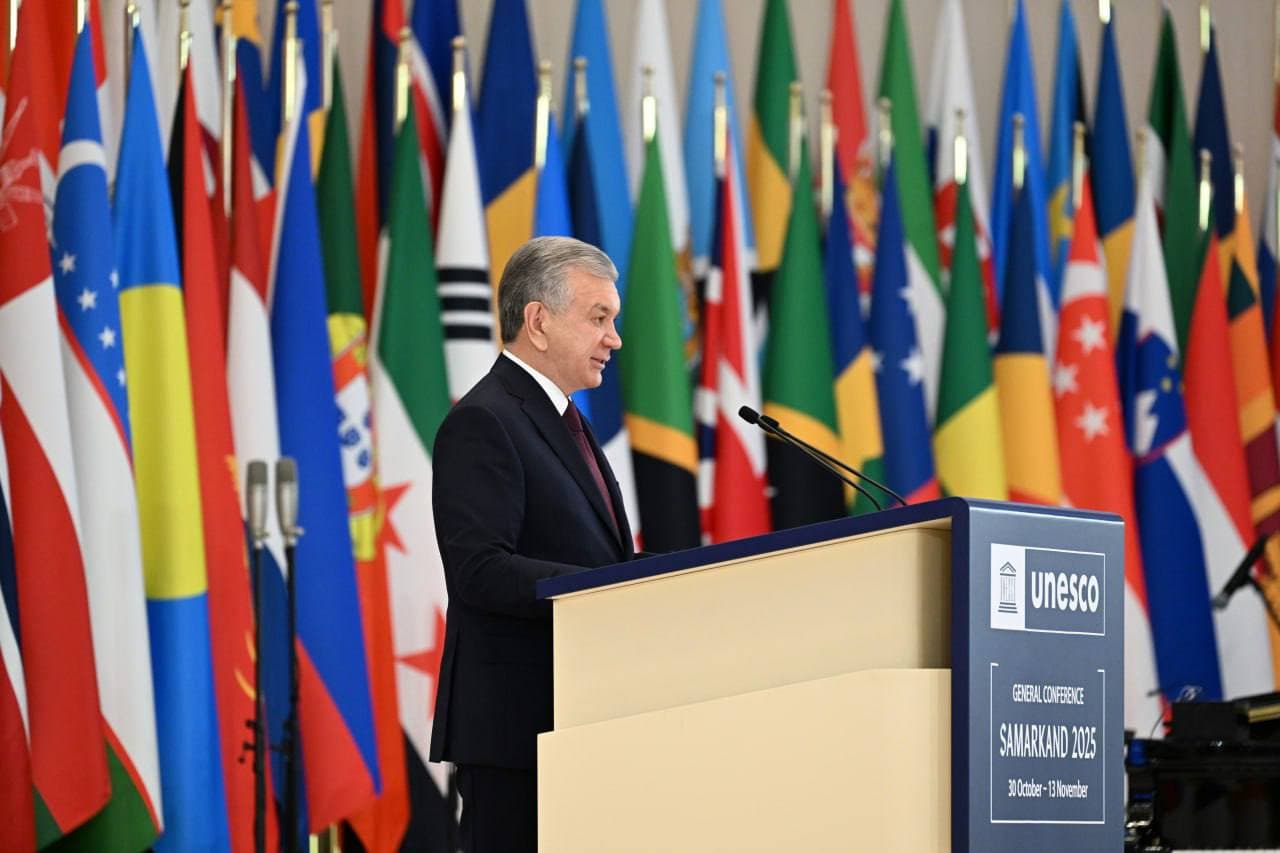
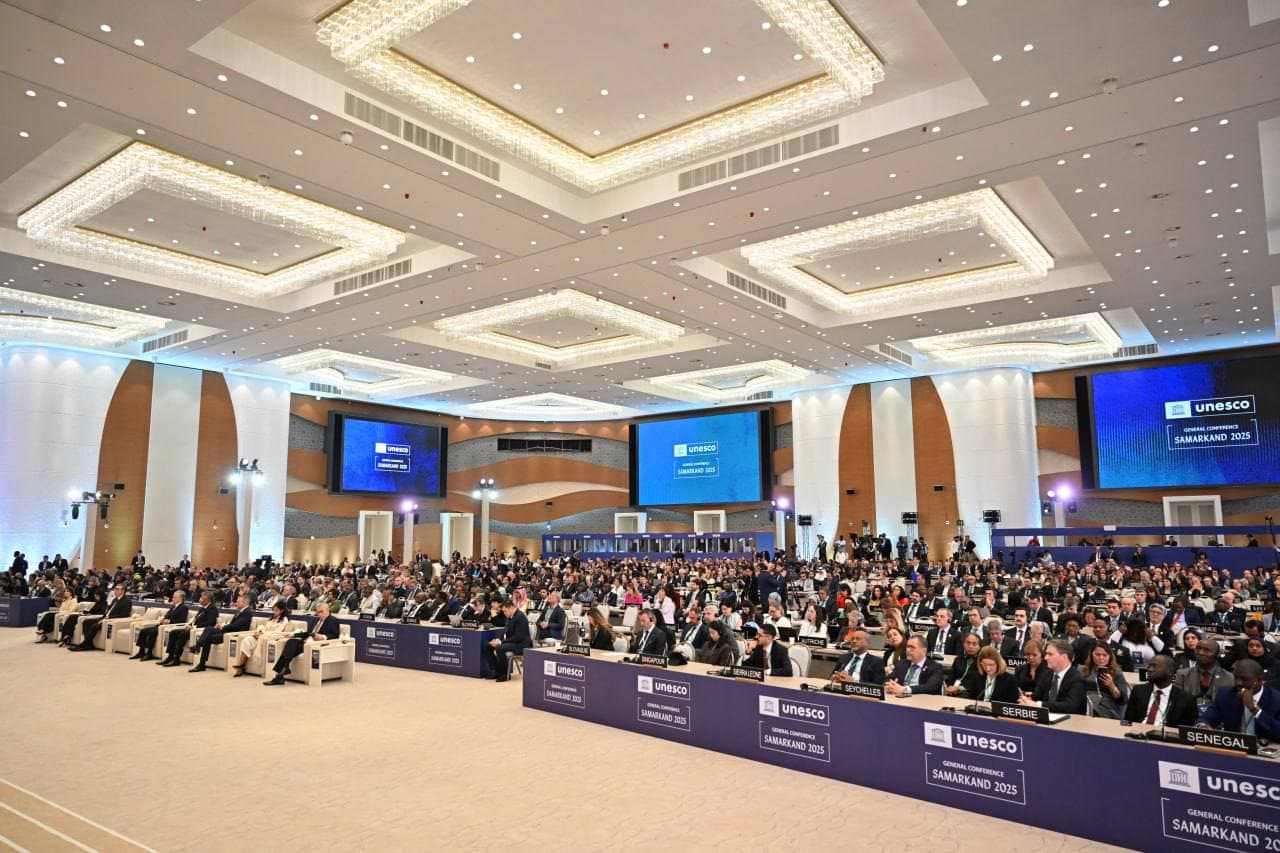
At the opening ceremony of the 43rd session of the UNESCO General Conference, President of the Republic of Uzbekistan Shavkat Mirziyoyev proposed initiatives to expand international cooperation in the field of cultural heritage protection under conditions of climate change.
In his speech, the Head of State noted:
“We propose launching the global UNESCO initiative ‘Ecological Capital, aimed at encouraging cities that take responsible approaches to the environment and successfully implement ‘green’ programs. In addition, we advocate for the development of a UNESCO Executive Board resolution ‘On Measures to Strengthen the Protection of Cultural Heritage in the Context of Globalization and Climate Change.’ We are ready to host an international symposium on this issue in the city of Khiva”.
These initiatives are of great importance not only for Uzbekistan but also for the entire international community, as the ideas put forward by our country are receiving wide support and recognition on the global stage.
Furthermore, on October 31, within the “Eternal City” complex in Samarkand, an area of 1.2 hectares saw the planting of 564 trees and shrubs, creating a new “Green Garden.” Located near the “Silk Road Samarkand” tourist center on the bank of the Zarafshan River, it is intended to become a symbol of recreation, enlightenment, and international friendship.
The “Green Garden” is not just a green zone but a modern center of ecological innovation. It features drip irrigation systems that reduce water consumption, solar panels, energy-efficient pumps, and rainwater collection and reuse systems. Paths and benches are made from local natural materials, which help lower the temperature in the urban environment.
In honor of UNESCO’s 80th anniversary, a symbolic planting of 80,000 trees and shrubs is planned throughout the country. This initiative not only beautifies cities but also contributes to maintaining ecological balance.
The “Green Garden” project reflects UNESCO’s values and demonstrates Uzbekistan’s environmental leadership, cultural richness, and commitment to the principles of global solidarity. It will become a living symbol of Samarkand’s and the country’s sustainable development—a source of clean air, natural beauty, and spiritual harmony for future generations.
In conclusion, it can be said that the UNESCO conference taking place in ancient and ever-young Samarkand plays an important role not only for Uzbekistan but also for all countries of the region in achieving the Sustainable Development Goals.