
The activities of the Aarhus Centers in Central Asian countries were discussed
2025-07-28 17:00:00 / News
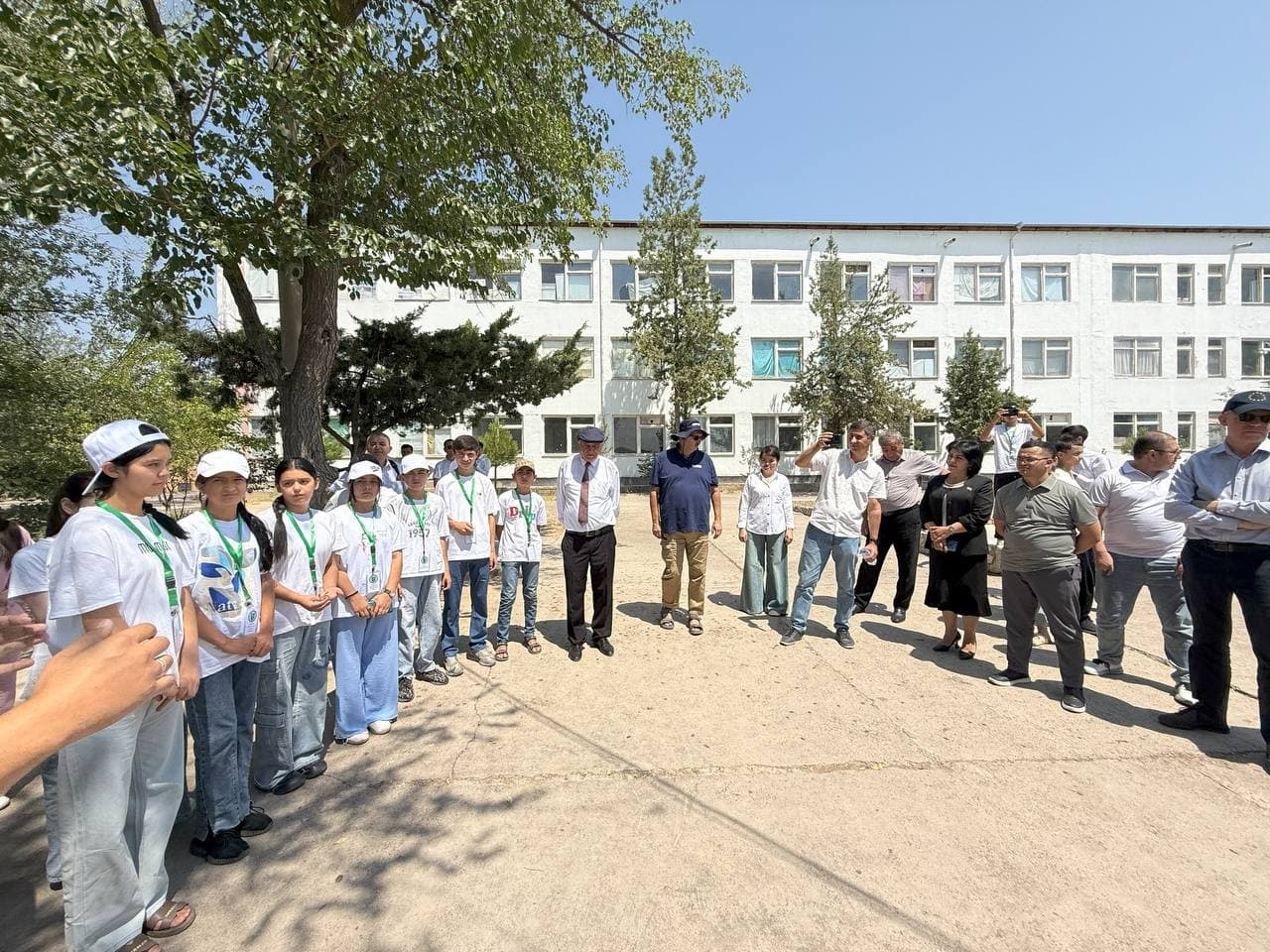
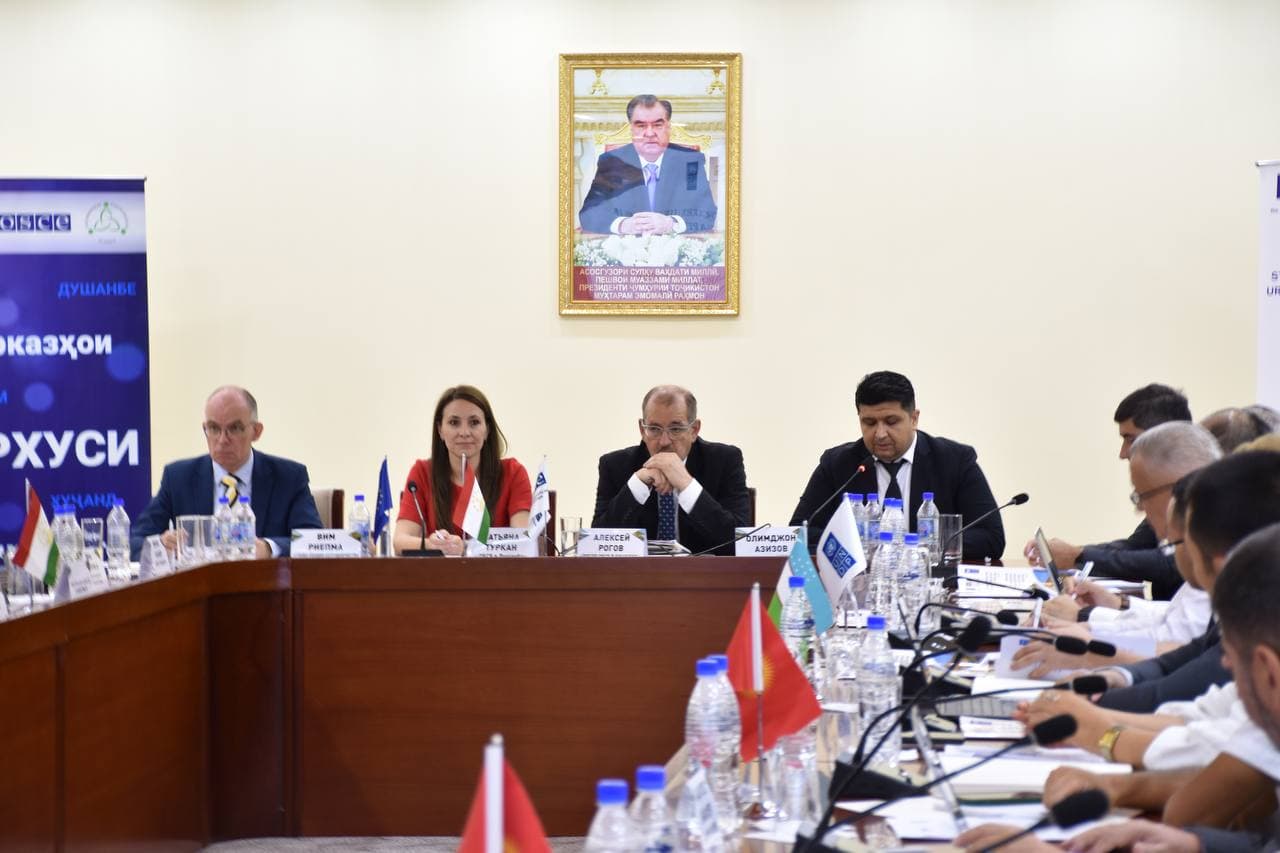
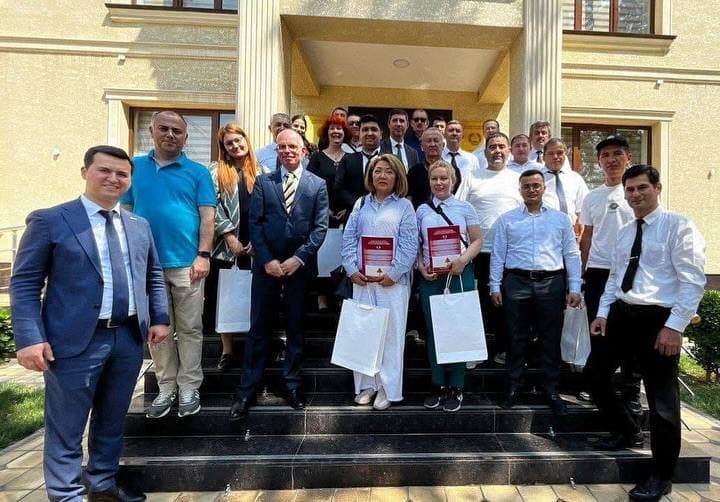
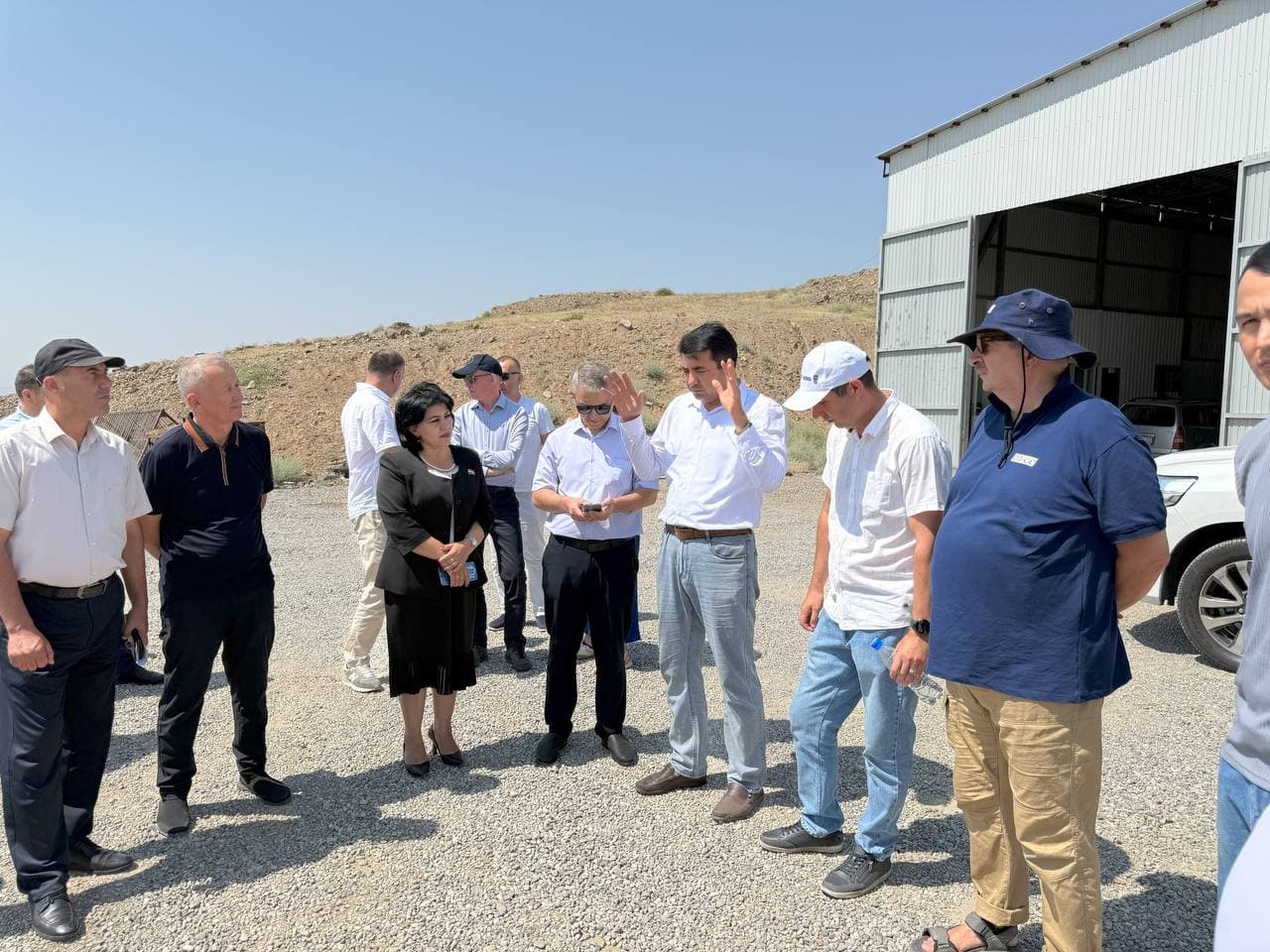
From July 16 to 19, staff members of the Ministry of Ecology, Environmental Protection and Climate Change, particularly from the Center for State Ecological Expertise, participated in a coordination meeting of the Aarhus Centers held in the city of Khujand (Republic of Tajikistan), upon the invitation of the UN Development Programme (UNDP) Office in Uzbekistan.
As part of the event, the delegation members visited the Aarhus Center office in Khujand, which has been operating since 2003, and became familiar with its activities and practical experience. They also studied the legal foundations for the establishment of Aarhus Centers in Tajikistan and Kyrgyzstan and the specifics of their operations.
The meeting included discussions on the activities of the Aarhus Centers operating in Tajikistan, Kyrgyzstan, and Uzbekistan, with an exchange of experiences and agreement on directions for mutual cooperation. As a result of the discussions, a Cooperation Program for 2025–2027 was developed and approved, and a memorandum of cooperation was signed between the Aarhus Centers of the three countries to implement this Program.
It should be noted that Aarhus Centers have not yet been officially established in Uzbekistan, so the country's delegation included representatives of the NGO Sport and Ecological Tourism.
It is worth recalling that the Aarhus Convention, adopted on June 25, 1998, in the city of Aarhus (Denmark) with the support of the United Nations Economic Commission for Europe (UNECE), is an international legal instrument that establishes a link between human rights and environmental protection. The Convention guarantees every citizen the right to access environmental information, participate in decision-making processes, and access justice in environmental matters.
As of today, Aarhus Centers operate in 47 countries and the European Union in the following formats:
- As non-governmental, non-profit organizations (Armenia, Kyrgyzstan, Tajikistan, Georgia) — in cooperation with ministries of environmental protection, funded by the state budget and supported by the OSCE.
- As government institutions or their subdivisions (Kazakhstan, Tajikistan, Bosnia and Herzegovina, Albania, Belarus, Azerbaijan) — established on the basis of agreements between state environmental authorities and the OSCE, located in government buildings, and coordinated by the relevant authorities.
- In a hybrid format (state + NGO) (Kazakhstan, Moldova, Serbia, Montenegro) — operate as public foundations or NGOs with the support of government bodies and environmental funds.
- In countries where Aarhus Centers are not present (Germany, France, the Netherlands, Sweden, Denmark, Finland, Czech Republic, Austria, Belgium, Italy, Spain) — the provisions of the Convention are implemented through digitalization, electronic platforms, and mechanisms for public participation in environmental impact assessment procedures.
This year, Uzbekistan became a full-fledged party to the Aarhus Convention, joining other Central Asian countries. In accordance with this new legal framework, a new component has been introduced within the system of public environmental control — public environmental expertise. This initiative enables environmental assessments of any activity to be carried out at the initiative of citizens and non-governmental, non-profit organizations.
An important feature of public environmental expertise is that it can be conducted independently of the existence of a state environmental review, and any obstruction of its implementation is prohibited. This type of expertise is aimed at evaluating whether proposed activities align with public interests in terms of preserving a healthy environment and protecting human life and health.
Additionally, to address contentious and problematic issues arising during state environmental assessments, a permanent expert council will be established. This council will ensure a collegial approach to the review of such matters.
Moreover, the establishment of legal foundations for public participation in strategic environmental assessments will contribute to greater transparency in environmental decision-making.
The establishment of Aarhus Centers in Uzbekistan, as part of the implementation of the Convention’s provisions, will serve as an important legal foundation for ensuring citizens’ environmental rights, enabling public oversight in urban development, and preventing harmful impacts on the environment. It will also create a legal framework for conducting public discussions of urban planning documents in accordance with procedures established by law, as stipulated in the country’s updated Constitution.
In conclusion, Uzbekistan’s accession to the Aarhus Convention and its activities in this field contribute to ensuring environmental safety, protecting human rights and freedoms, strengthening international cooperation, and enhancing the country’s positive international image and standing.
I. Khushvakhtov,
Advisor to the Director General of
the State Center for Ecological Expertise.