
Uzbekistan Presented Approaches to Using Artificial Intelligence to Enhance Transparency in Environmental Assessment
2026-06-25 09:30:00 / News
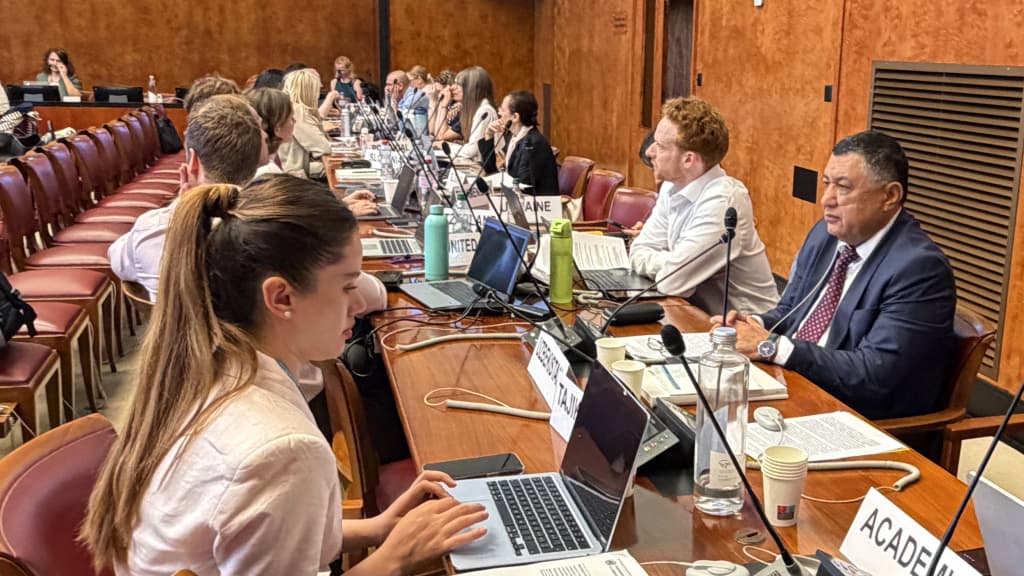
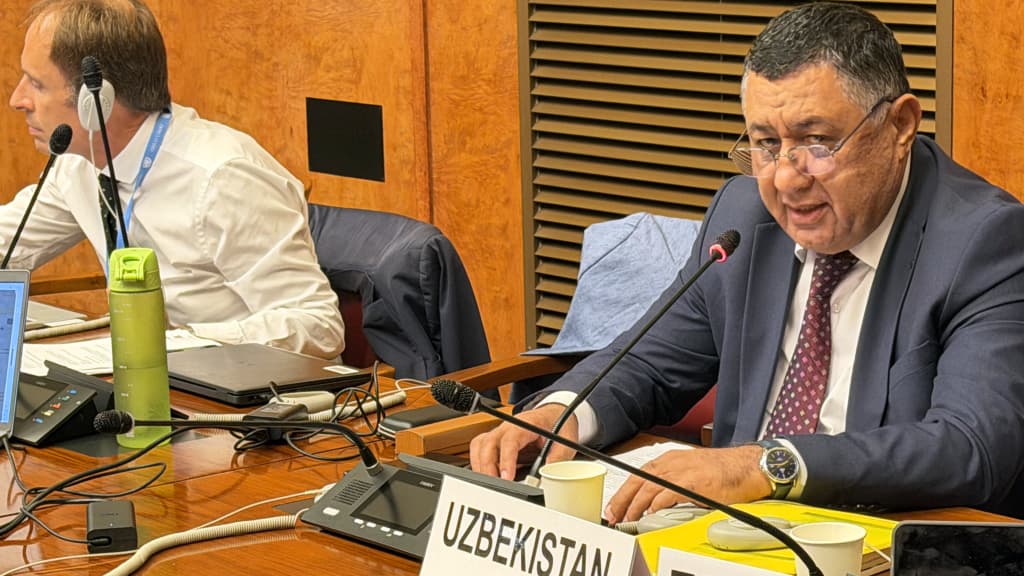
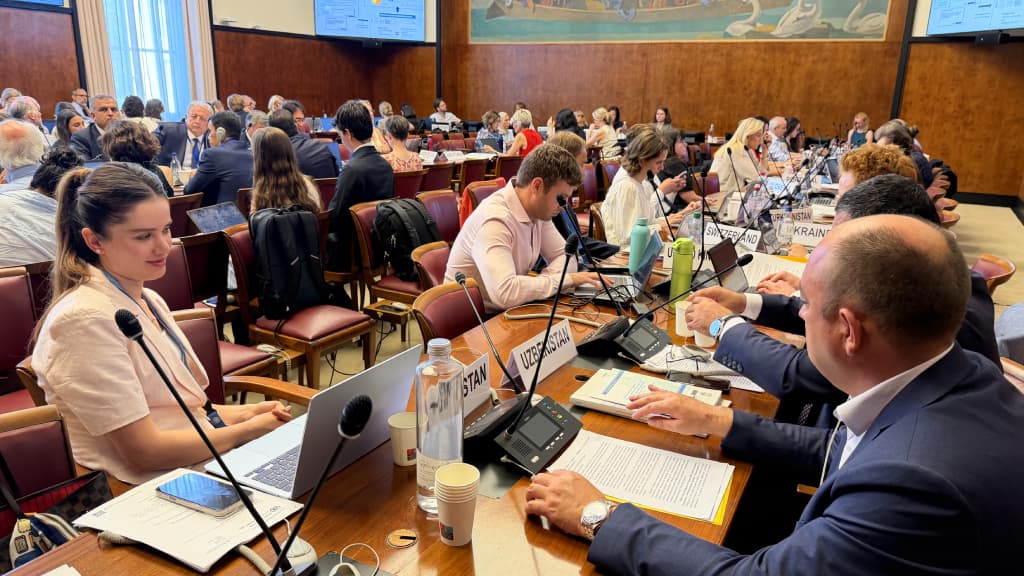
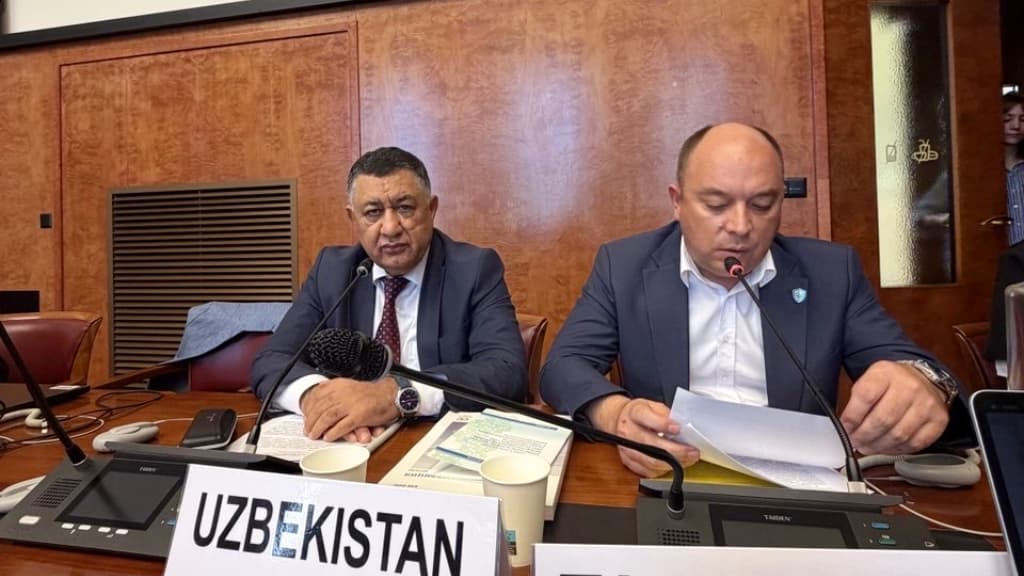
Particular attention during the meeting was given to the use of artificial intelligence and innovative digital solutions for collecting, analyzing, and disseminating environmental information. This area is of particular importance for Uzbekistan, where significant efforts have been undertaken in recent years to improve environmental protection, the state environmental expertise system, and environmental impact assessment procedures.
In his presentation, Mr. Shi-syan emphasized that digitalization and the application of artificial intelligence technologies can serve as important tools for improving the quality and efficiency of environmental assessments. Such technologies make it possible to accelerate the processing and analysis of documentation, identify deficiencies in project materials, assess environmental risks, strengthen the substantiation of expert conclusions, and make procedures more understandable and accessible for government authorities, businesses, experts, and the public.
As one of the key practical steps in this direction, a Memorandum of Cooperation was signed between the State Environmental Expertise Center and the Italian partner organization of the International Association for Impact Assessment (IAIA). The Memorandum is aimed at introducing modern digital solutions and artificial intelligence technologies into Uzbekistan’s national environmental assessment and state environmental expertise systems.
The Memorandum provides for the integration of AI-based tools into the Center’s digital platform, implementation of pilot projects, development of national methodologies and practical guidelines, as well as the organization of international training and capacity-building programs for specialists.
It was also emphasized that the introduction of digital solutions will be carried out through consultations with stakeholders, the expert community, project developers, and the public. This approach will help ensure algorithmic transparency, maintain opportunities for data verification, preserve the central role of human expertise, and create conditions necessary for effective public oversight.
For Uzbekistan, this initiative is particularly relevant in the context of the growing number of industrial, energy, construction, and infrastructure projects, as well as increasing pressure on natural resources. The use of modern technologies can significantly improve the quality and efficiency of reviewing large-scale industrial, mining, hydrotechnical, and energy projects, as well as projects located in areas attracting considerable public interest.
Uzbekistan’s participation in this thematic meeting once again confirms the country’s commitment to the principles of openness, accountability, and public participation in environmentally significant decision-making processes. The development of digital technologies and artificial intelligence is viewed not only as a tool for increasing the effectiveness of state environmental expertise but also as an important mechanism for strengthening public trust in ongoing environmental reforms.
The 30th Meeting of the Working Group of the Parties to the Aarhus Convention is being held in Geneva from 24 to 26 June 2026.
The meeting agenda includes issues related to access to environmental information, public participation in decision-making, access to justice in environmental matters, strengthening institutional capacities, and promoting the principles of the Aarhus Convention at the international level.