
Uzbekistan Participates in RES 2026 International Exhibition with a National Pavilion
2026-04-24 14:00:00 / News
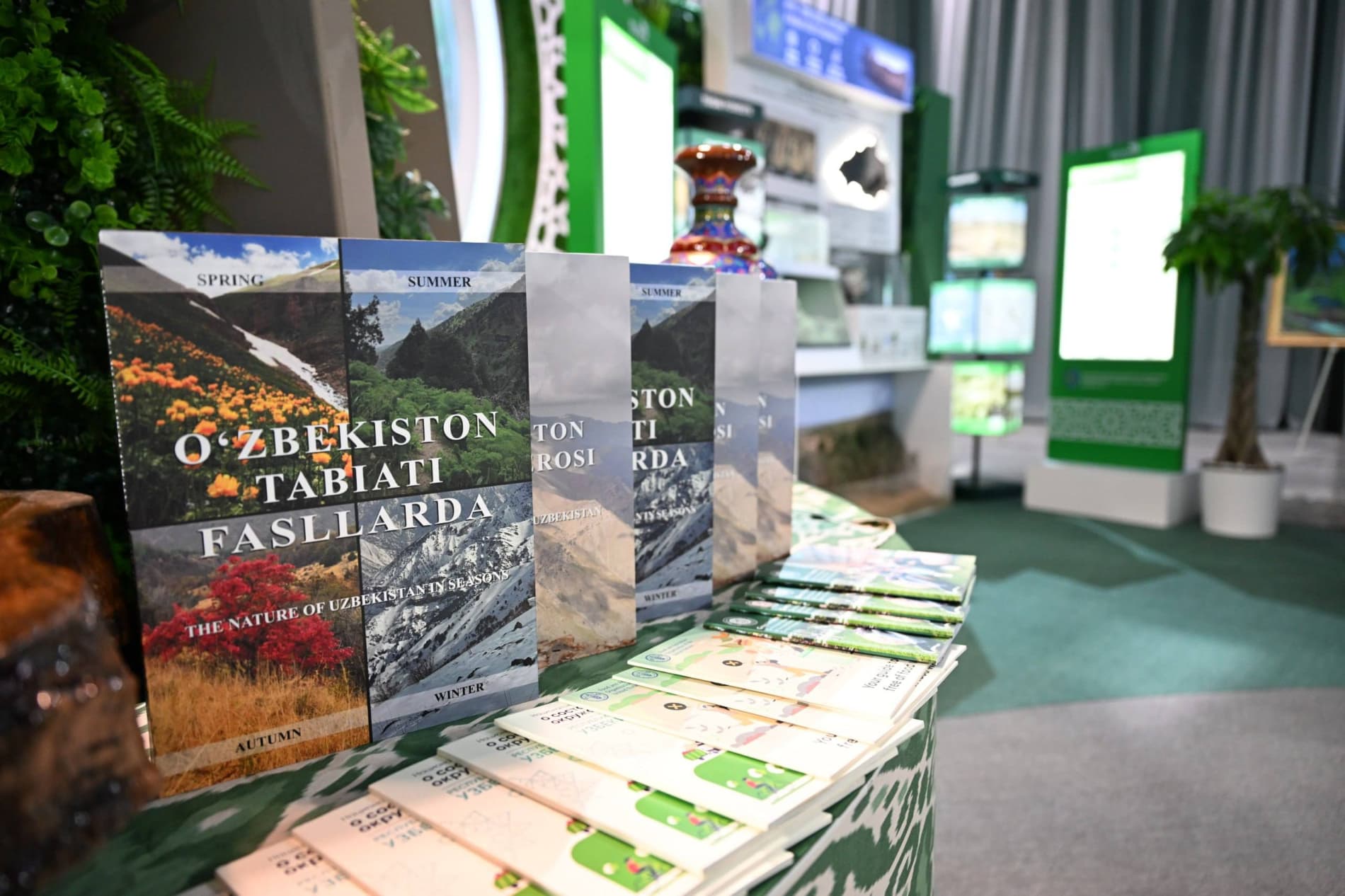
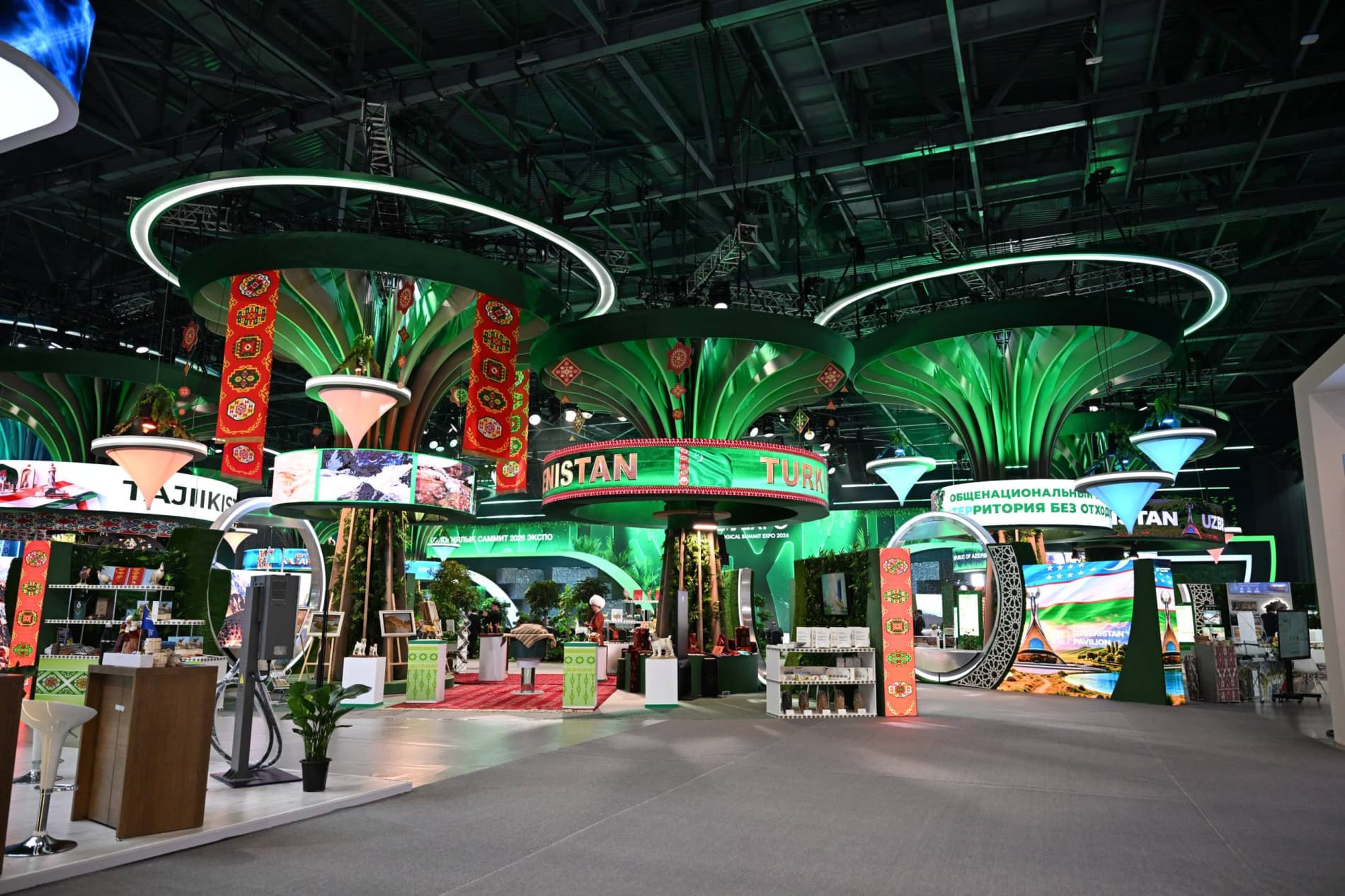
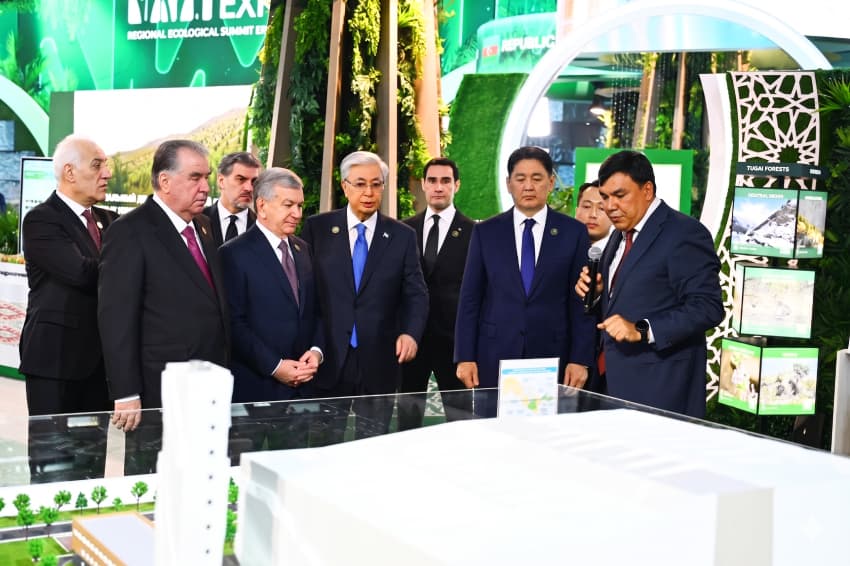
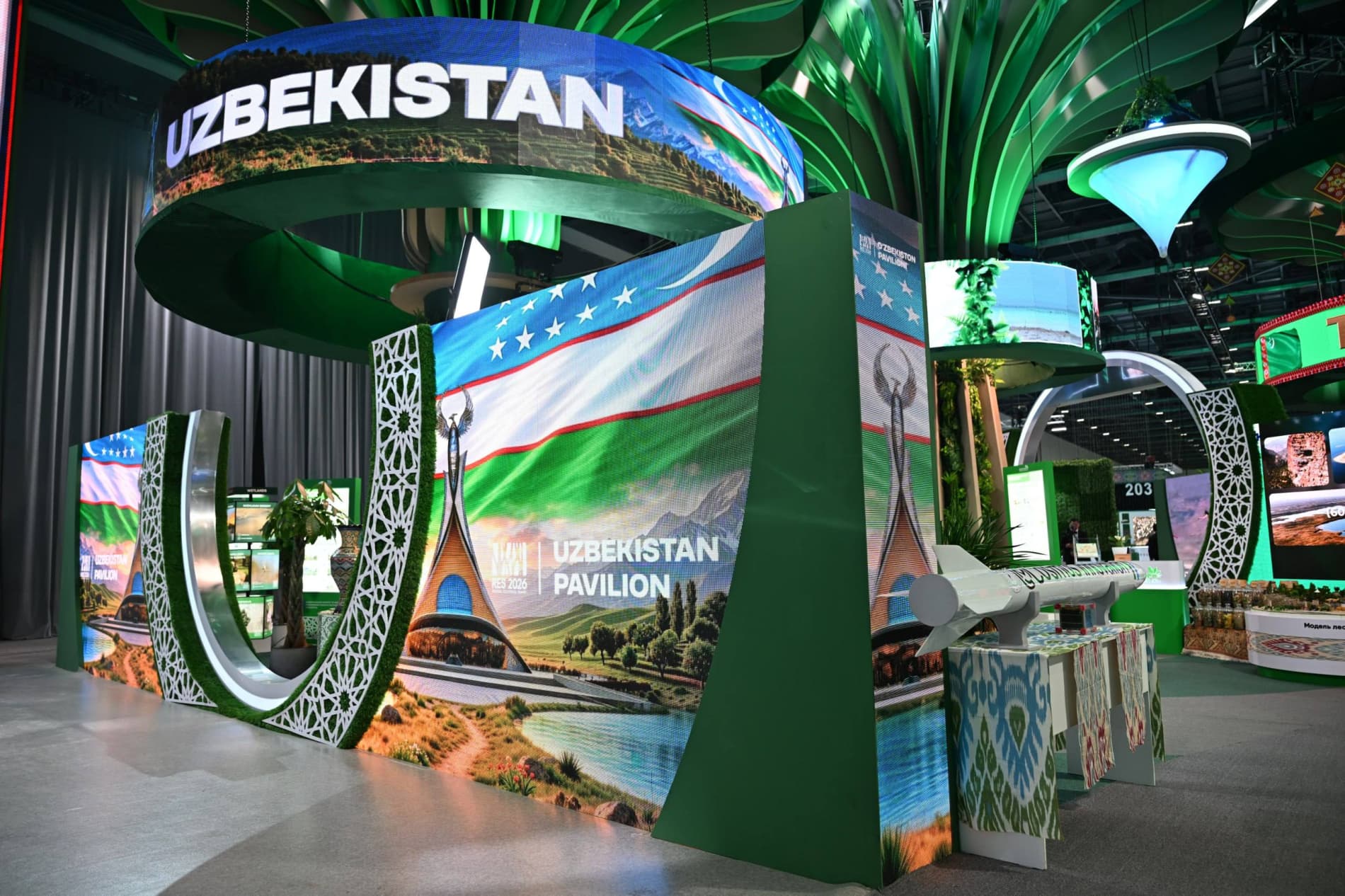
With a total area of 100–120 square meters, the pavilion is designed as a multifunctional space combining exhibition, multimedia, and meeting zones. Its concept aims to demonstrate Uzbekistan’s systematic and regionally oriented approach to addressing environmental challenges in Central Asia, as well as to promote practical initiatives implemented at the national level.
The pavilion highlights the country’s contribution to overcoming the consequences of the Aral Sea crisis, advancing the green economy, preserving biodiversity, and fostering environmental awareness within society. Special emphasis is placed on strengthening regional cooperation and partnerships with international organizations, particularly UN agencies, to develop coordinated solutions in the fields of environment and climate.
The exhibition section of the pavilion is structured around key national environmental projects, including:
- “Waste-Free Territory” – development of waste management systems, implementation of circular economy principles, and zero-waste practices;
- “Clean Air” – measures to improve air quality, reduce emissions, and promote environmentally friendly transport;
- “Yashil Makon” (Green Nation) – creation of green areas, botanical and dendrological parks across the country;
- “EcoCulture” – fostering environmental awareness and sustainable behavioral practices among the population;
- “Bioheritage” – conservation of ecosystems and rare species of flora and fauna;
- Environmental Education (Green University) – development of science, professional training, and innovation in ecology and climate change.
The State Center for Environmental Expertise plays an active role within the pavilion, contributing significantly to the development and implementation of environmental policy. The Center showcases reforms aimed at digitalizing environmental assessment processes, conducting comprehensive environmental impact assessments, and improving environmental safety criteria.
In addition, the Center highlights practical outcomes in environmental justification of projects and programs—one of its key areas of activity—ensuring their compliance with national and international environmental standards, as well as alignment with sustainable development principles.
As a key institutional component in the national environmental decision-making system, the State Center for Environmental Expertise performs a critical function in assessing environmental risks of major investment projects in industry, energy, construction, and infrastructure sectors. The Center implements modern GIS technologies, environmental monitoring systems, and digital platforms, enhancing transparency and efficiency of expert procedures.
At the same time, the Center actively expands international cooperation, working with the United Nations Environment Programme (UNEP), the World Bank, the Asian Development Bank, and other international organizations. It exchanges experience to align national environmental assessment systems with advanced global standards.
Specialists of the Center place strong emphasis on strengthening human resource capacity in environmental expertise, developing scientific and practical research, and training young professionals. All these efforts contribute to positioning the Center not only as a key national institution but also as an important scientific and practical platform for shaping regional environmental policy.