
Navruz — A Celebration of Renewal and Compassion
2026-03-10 15:00:00 / News
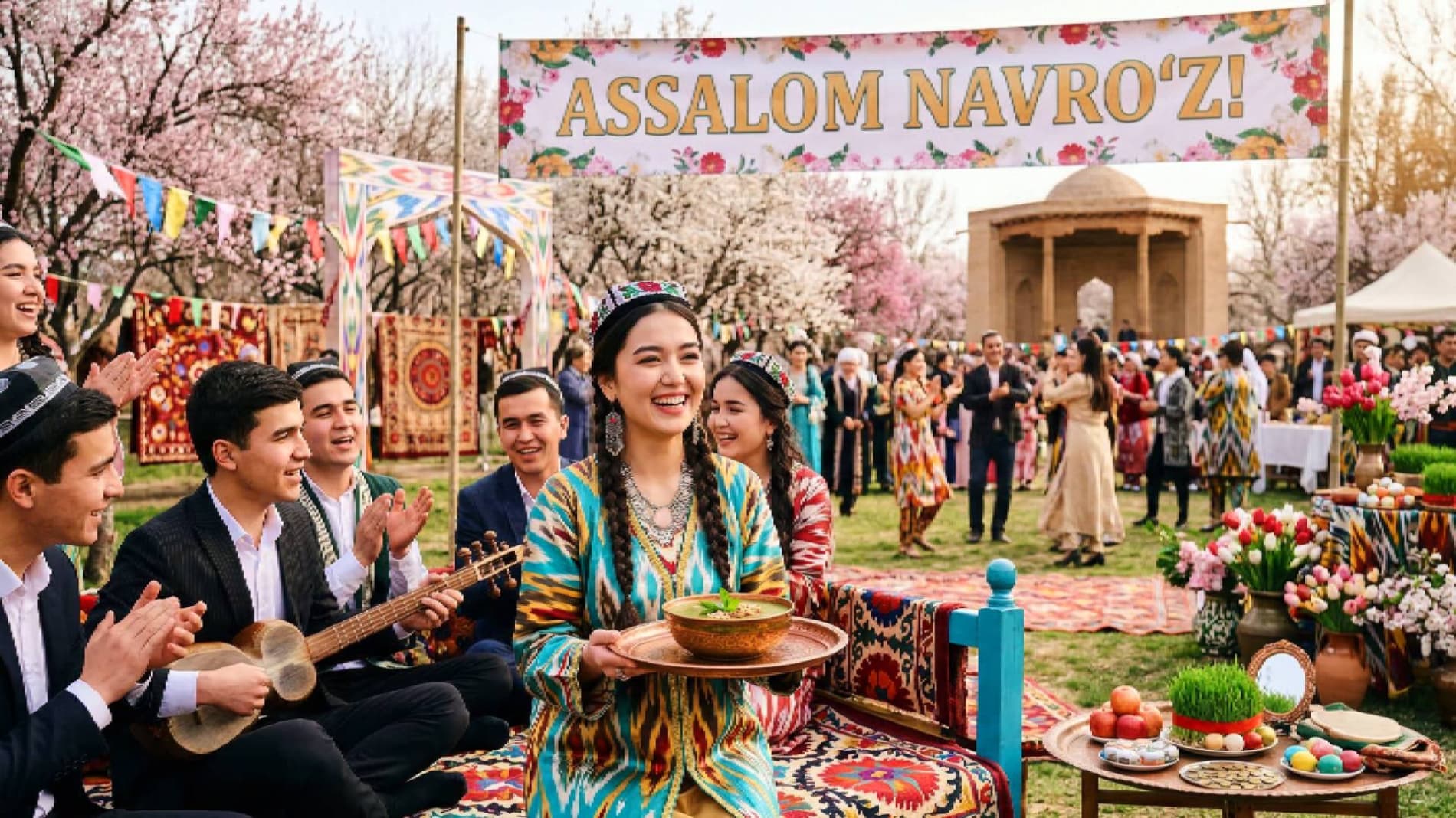
This holiday is celebrated on March 21, the day of the spring equinox, when day and night become equal. It symbolizes humanity’s aspiration to live in harmony with nature.
Historical Roots and Significance
The word “Navruz” is translated from Persian as “new day.” Its history goes back to ancient times, to the era of the Avesta. Great thinkers Abu Rayhan Beruni and Omar Khayyam described the origins of this holiday in detail: Beruni in his work “Monuments of Past Generations” and Khayyam in the book “Navruznama.”
Navruz has no religious foundation; it is a celebration connected exclusively with nature and astronomical phenomena. That is why, having passed through centuries and many trials, it has survived to the present day in its pure and unique form.
Traditions of Navruz: Social Unity
One of the most beautiful aspects of Navruz is its traditions. On the eve of the holiday, nationwide community work (hashar) is organized: people clean irrigation canals and plant fruit and decorative trees. This serves as a vivid example of care for the environment.
The spiritual value of the holiday lies in the fact that during these days people forget grievances and disagreements. Friends who have quarreled reconcile, and people share warmth and attention with one another. They visit the elderly to receive their blessings, check on the sick, and help families in need. These traditions vividly reflect the generosity and nobility of our people.
The Decoration of the Festive Table — Sumalak
The main dish of Navruz is undoubtedly sumalak. Its preparation takes several days, and residents of the neighborhood, relatives, and neighbors all participate in the process. This dish is made from the juice of sprouted wheat, is highly nutritious, and fills the body with the energy of spring.
In addition, green samsa, halim, green chuchvara, and traditional flatbread are served on the festive table. In every dish one can feel the fragrance of spring and the generosity of the land.
Folk Festivities and Games
During Navruz celebrations, our national traditions come alive. In open fields, riders compete in kupkari, wrestlers take part in matches, people play tug-of-war, and children fly kites — all bringing joy to both adults and children.
Performances by bakhshi storytellers, folk songs, and traditional lapar songs create a special festive atmosphere.
Today, Navruz is widely recognized not only in Uzbekistan but throughout the world. Its inclusion in UNESCO’s List of the Intangible Cultural Heritage of Humanity is clear proof of this.
Navruz is a symbol of purity, beauty, and new life. It brings joy to every home, blessings to the land, and peace and hope to people’s hearts. May the coming Navruz bring peace, prosperity, and well-being to our country!