
Central Asia: A new era of environmental sustainability and regional cooperation
2025-11-19 11:00:00 / News
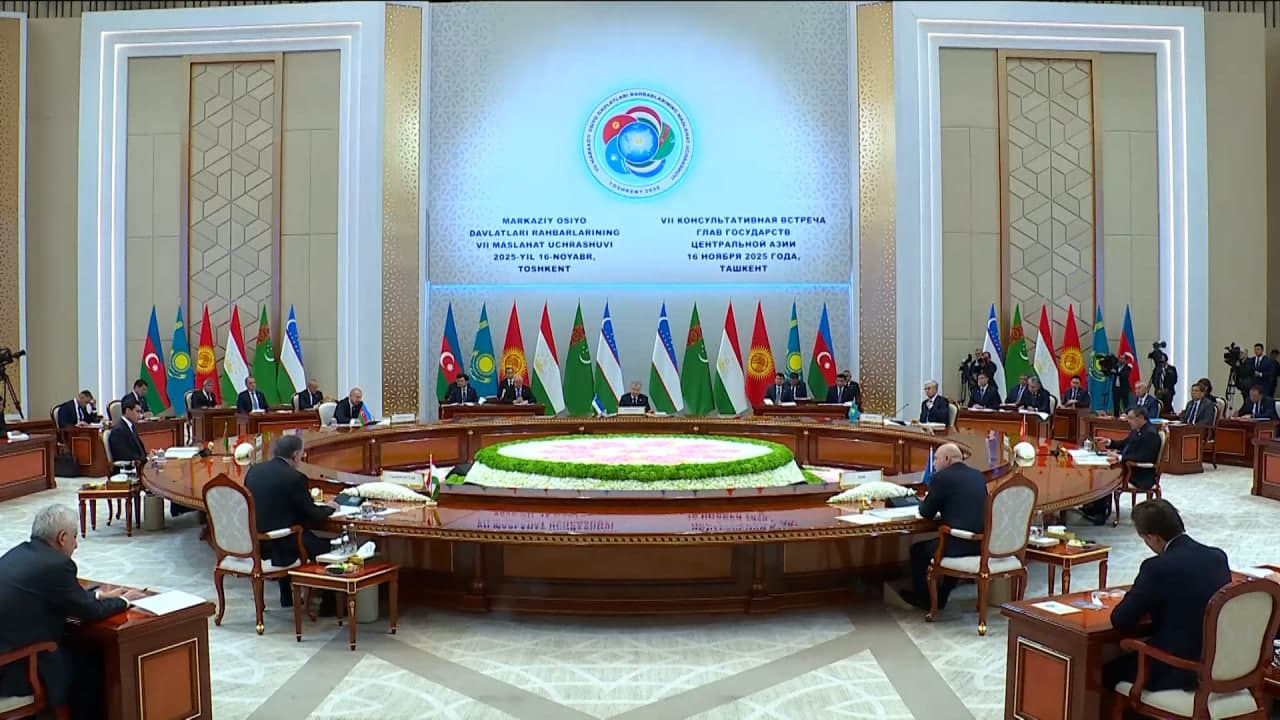
It should be noted that thanks to the efforts of the President of the Republic of Uzbekistan, Shavkat Mirziyoyev, not only are relations among the Central Asian countries developing, but integration processes with other states and international organizations in the “Central Asia Plus” format are also expanding. Dialogue platforms such as “Central Asia–China,” “Central Asia–Russia,” “Central Asia–European Union,” and “Central Asia–Italy” are clear evidence of this progress.
The Meetings of Heads of State of Central Asia make it possible to view the region as a single ecological system and, at the same time, contribute to ensuring environmental sustainability amid growing global climate challenges. This format was established at the meeting in Astana in 2018, which became a historic event since, for the first time in a decade, the leaders of the region gathered on a single platform. The Astana meeting became an important step toward reviving regional cooperation and transitioning to a new stage.
The recent seventh Meeting of the Heads of State of Central Asia in Tashkent, during which the Republic of Azerbaijan was accepted into this format as a full member, demonstrates the growing authority of this platform. In this regard, it was agreed that subsequent meetings will be held in the “Central Asia–Azerbaijan” format.
During his speech at the meeting, the President of our country addressed pressing issues of socio-economic development, ecology, and climate change in the region and proposed several initiatives aimed at ensuring environmental sustainability. In particular, given the increasing water scarcity in the region, an initiative was put forward to declare 2026–2036 as the “Decade of Practical Actions for the Rational Use of Water in Central Asia,” which was fully supported by the regional countries.
Central Asian nations have historically relied on shared rivers, and these historical ties continue to manifest themselves in practical cooperation. In Uzbekistan, the introduction of modern water-saving technologies results in annual savings of about 7 billion cubic meters of water resources. This experience is actively being shared with other countries in the region.
According to the results of 2023, the Food and Agriculture Organization of the United Nations (FAO) included Central Asian countries among the world’s top ten regions with the most efficient use of water resources. This achievement confirms the region’s strong potential for environmentally sustainable development.
In addition, the President of our country proposed actively involving Afghanistan in regional dialogue on the joint use of the Amu Darya water resources.
The development of this sphere is directly linked not only to its legal framework but also to the qualifications of specialists. Therefore, it was emphasized that effective water resource management is impossible without investing in professional training. In this regard, a proposal was made to establish a Regional Competence Center for Water Management based on the Tashkent Institute of Irrigation and Agricultural Mechanization Engineers.
The President also received the support of the heads of regional states for holding the World Water Saving Forum in our country next year and for their active participation in it.
The next meeting in Tashkent further strengthens regional unity, contributes to the implementation of new initiatives and projects, and enhances the well-being of the peoples of the region while promoting sustainable development.