Uzbekistan and Russia: Bilateral Cooperation in Nuclear Safety
2026-09-15 21:00:00 / News


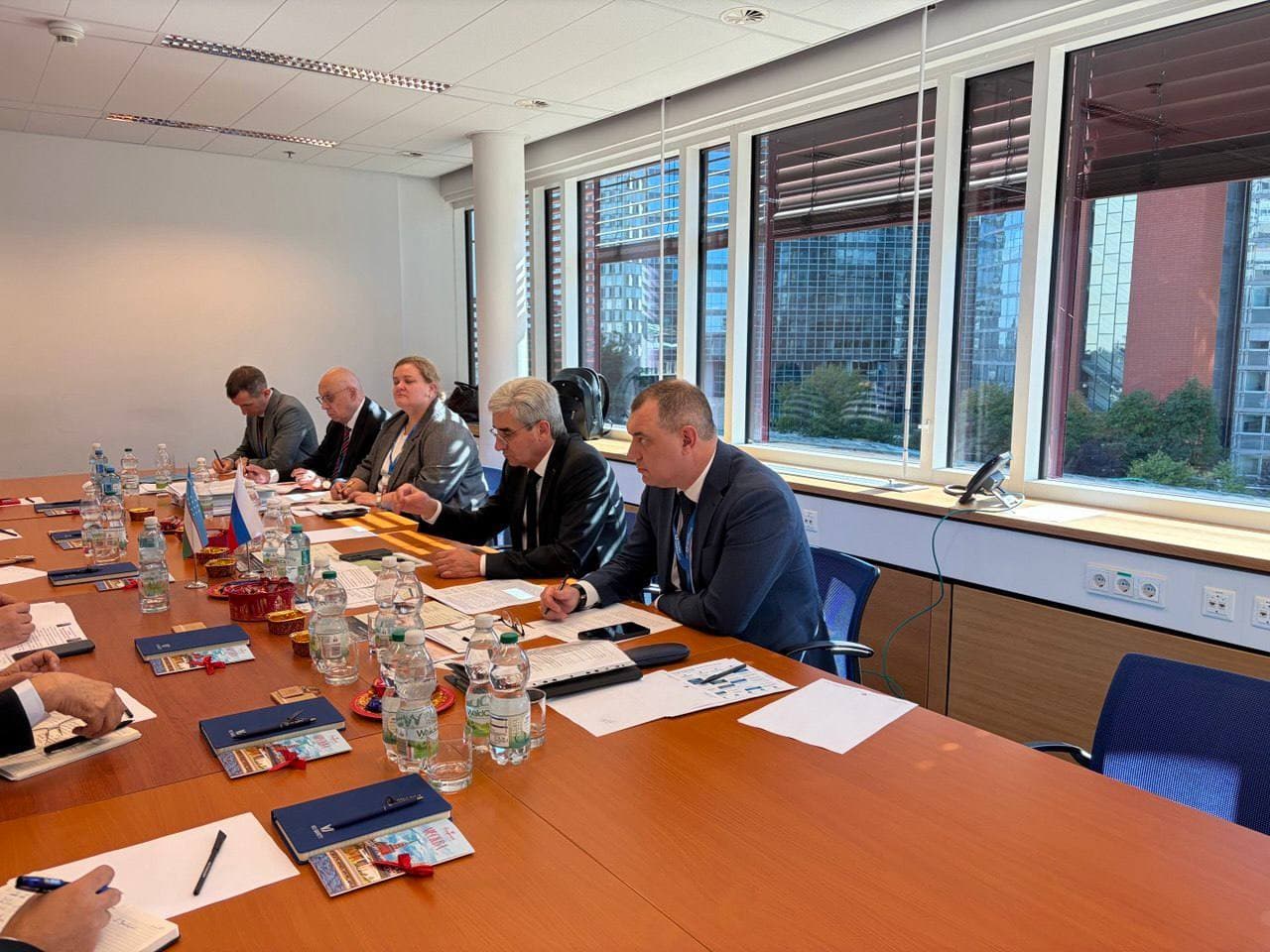

The dialogue addressed core facets of nuclear and radiation safety, statutory state regulation of nuclear energy, licensing regimes, inspection activities, and the expansion of operational cooperation between the regulatory authorities of both nations.
The primary objective of these consultations is to institutionalize modern, high-reliability safety governance models as Uzbekistan develops its civil nuclear energy sector, integrate international best practices into national workflows, and reinforce regulatory capacity. This cooperative foundation directly facilitates technical workforce upskilling, joint workshops and peer-review seminars, the advancement of statutory inspection methodologies, and the rigorous enforcement of safety requirements across all stages of NPP design, construction, and operation.
Convening on September 14–18 in Vienna, the 70th IAEA General Conference brings together delegations from 181 Member States to deliberate on nuclear and radiation safety, the peaceful use of nuclear technology, multilateral cooperation, and regulatory oversight.
The present dialogue between Uzbekistan and Russia in civil nuclear energy is anchored in a continuous, multi-tiered framework. Strategic accords forged at the level of Heads of State are systematically reinforced through working-level cooperation across relevant agencies—most notably between national authorities responsible for nuclear and radiation safety regulation.
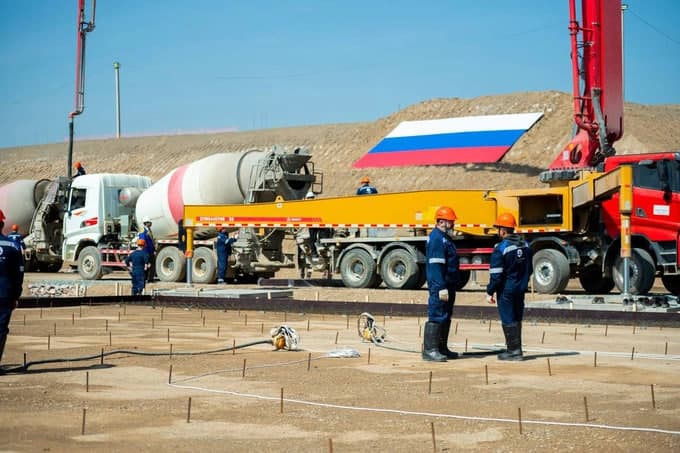
⚛️ Cooperation with the Russian Federation regarding the development of Uzbekistan's nuclear power infrastructure has progressed steadily over several years. Alongside the design and construction of nuclear power plants, targeted priority is accorded to nuclear safety verification, state oversight, licensing and inspection procedures, engineering workforce development, and radiological protection.
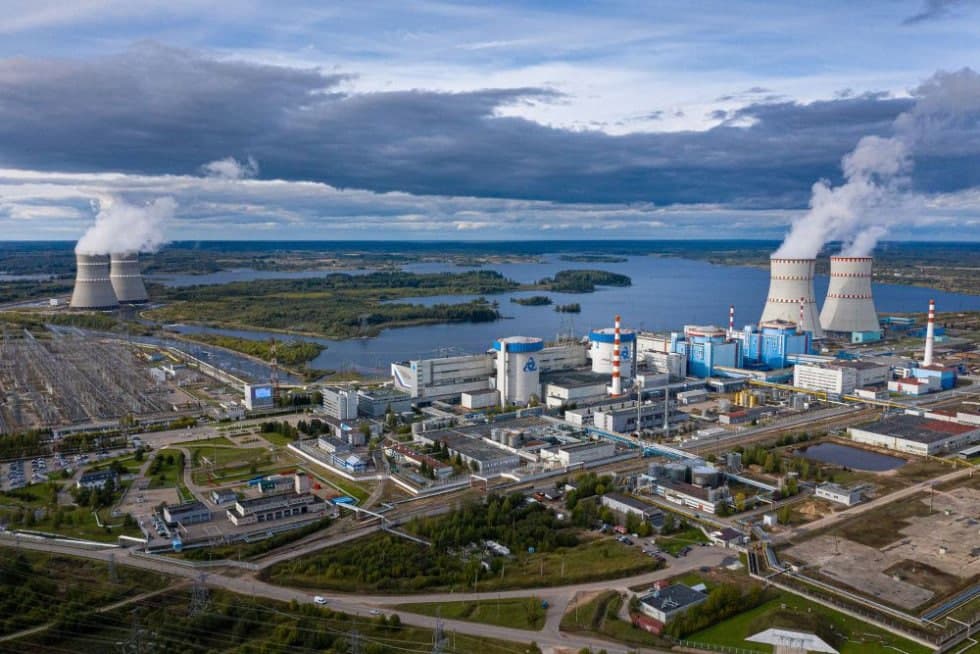
🇷🇺 Russia’s operational heritage offers immense practical relevance. Backed by decades of domestic nuclear operations, the country possesses comprehensive industrial expertise spanning NPP design, civil construction, reactor operation, state surveillance of nuclear facilities, and the execution of regulatory licensing and field inspections.
Furthermore, the Russian regulatory ecosystem encompasses sophisticated architectures for radiation monitoring, safety assessment of nuclear and radiation facilities, emergency preparedness and crisis response, and the verification of compliance with mandatory standards. Studying this institutional experience is essential for Uzbekistan at the current formative stage of its national nuclear power infrastructure.
The core value of this bilateral partnership transcends standard technical exchanges. It actively supports the establishment of a robust legislative, institutional, and engineering infrastructure for nuclear and radiological safety in Uzbekistan, expands the specialized technical capacity of domestic professionals, and embeds advanced state oversight mechanisms.
From this perspective, the bilateral engagements held during the 70th IAEA General Conference mark an important milestone in elevating international cooperation to an operational plane—ensuring that the development of Uzbekistan's nuclear power sector proceeds strictly on the tenets of safety, international compliance, and absolute responsibility.