INDUSTRIAL SAFETY IN THE REPUBLIC OF SERBIA: KEY FIGURES AND BEST PRACTICES
2026-09-08 16:00:00 / News
📌 KEY METRICS
📍 Area — 88,361 km²
👥 Population — 6.55 million (2025 estimate)
🏛 Capital — Belgrade
💰 Currency — Serbian Dinar (RSD)
📈 2024 GDP — RSD 9.75 trillion
📊 2025 Real GDP Growth — 2.0%
🏭 2025 Industrial Production Growth — 1.0%
🏗 2025 Manufacturing Growth — 1.2%
In 2024, the manufacturing sector contributed 12.7% to the nation's total GDP.
🏭 SCALE OF INDUSTRY
Primary pillars of Serbia's industrial sector include:
🔹 Mining and coal extraction;
🔹 Metallurgy;
🔹 Machinery and automotive manufacturing;
🔹 Chemical industry;
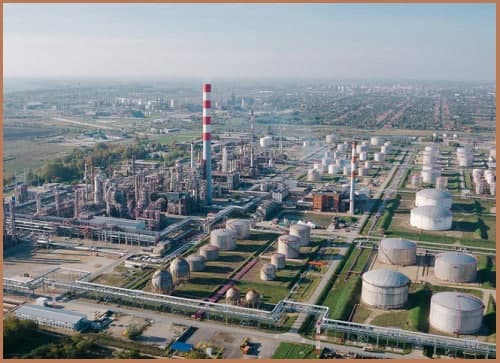
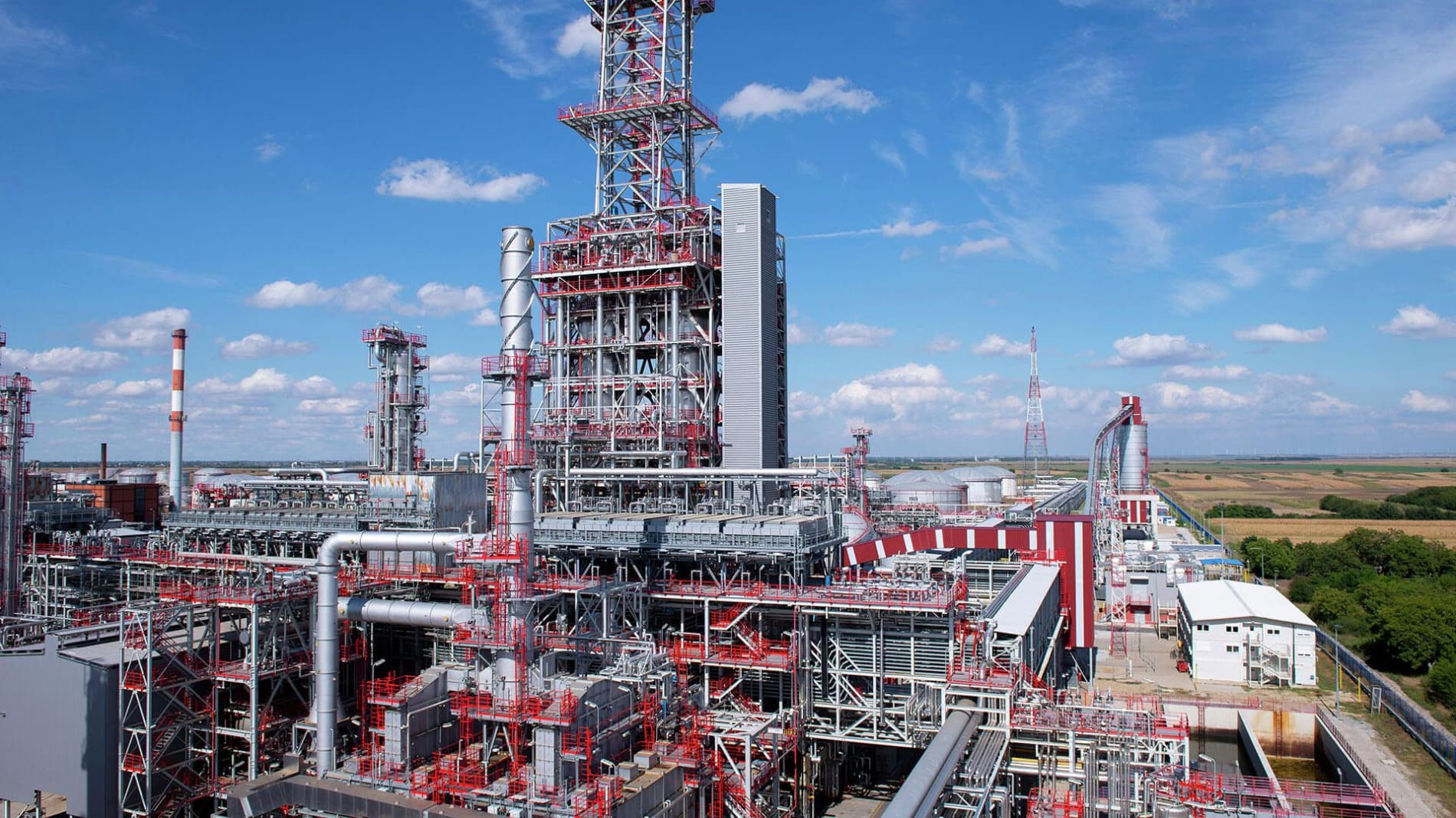
🔹 Petroleum refining;
🔹 Power generation;
🔹 Food processing and related manufacturing subsectors.
In 2025, total industrial output volume expanded by 1.0%, while manufacturing grew by 1.2%, reaffirming industry's decisive share in the national economy.
⚙️ INDUSTRIAL SAFETY
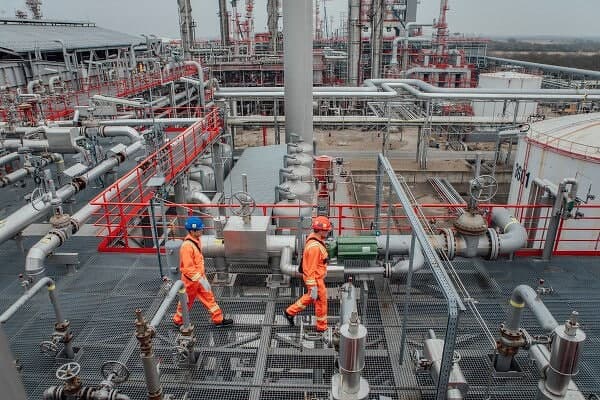
Serbia approaches industrial safety through major accident prevention involving hazardous chemicals, systematic risk assessment, technical verification, and operational emergency preparedness.
Particular scrutiny is applied to:
✅ Oil and refined product processing and storage;
✅ Liquefied petroleum gases (LPG);
✅ Chemical and petrochemical installations;
✅ Fertilizer manufacturing and storage;
✅ Explosives and pyrotechnics;
✅ Primary metal processing;
✅ Thermal and electrical power generation.
☢️ HAZARDOUS FACILITIES: CONCRETE METRICS
Serbia's official Seveso register currently lists a total of 116 designated Seveso facilities.
Breakdown:
🔴 48 — Upper-tier (high risk);
🟠 68 — Lower-tier.
Under this regime, the tier threshold is determined strictly by the qualitative nature and inventory volumes of hazardous substances on-site.
Operators of upper-tier sites are mandated to prepare formal safety reports, internal emergency response plans, and maintain structured major-accident prevention policies (MAPP).
🛡 REGULATORY OVERSIGHT IN PRACTICE
Oversight mechanisms in Serbia extend beyond standard compliance audits.
The Ministry of Environmental Protection maintains dedicated frameworks governing:
🔹 Seveso facility inspections;
🔹 Quantitative risk assessment;
🔹 Chemical disaster prevention;
🔹 Multi-agency inspection coordination;
🔹 Preventative safety enforcement.
In August 2026, the Serbian Ministry of Environmental Protection published updated inspection checklists for Seveso sites, comprising general inspection checklists, specialized audit criteria, and dedicated assessment protocols for "domino effects." This reflects best practice: regulatory surveillance is calibrated to the exact risk morphology of each industrial site.
☢️ RADIATION SAFETY
A dedicated statutory authority—the Serbian Radiation and Nuclear Safety and Security Directorate—administers radiation and nuclear safety governance across Serbia. The agency exercises comprehensive oversight over radioactive sources, including strict licensing for imports, exports, and transit.
🎯 CORE TAKEAWAYS FROM SERBIA'S EXPERIENCE
The Serbian regulatory framework pivots away from merely detecting retroactive non-compliance, focusing instead on a proactive continuum:
hazard identification → risk assessment → accident scenario modeling → preventative engineering → emergency preparedness → adaptive oversight.
The mandatory requirement of rigorous safety reports and specialized emergency plans across all 48 upper-tier Seveso establishments exemplifies this forward-looking, risk-informed architecture.
Serbia's experience demonstrates that as industrial capacity matures, the safety ecosystem must scale in sophistication.
Modern industrial safety is not crisis management after an explosion—it is the proactive identification, mitigation, and control of precursors before an incident occurs.
🇷🇸 The definitive takeaway from Serbia’s model:
"Managing risk proactively is vastly more effective than remediating