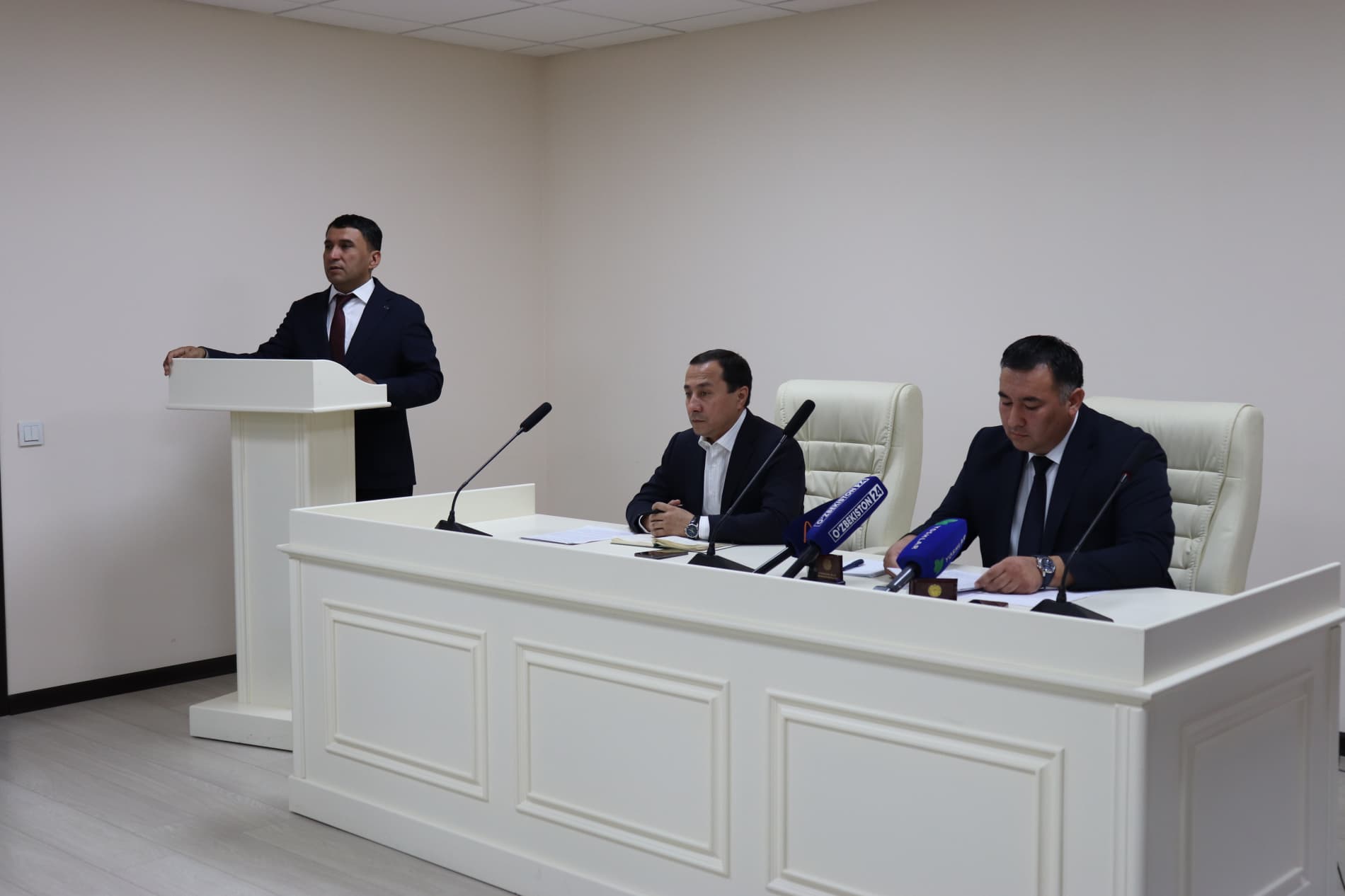
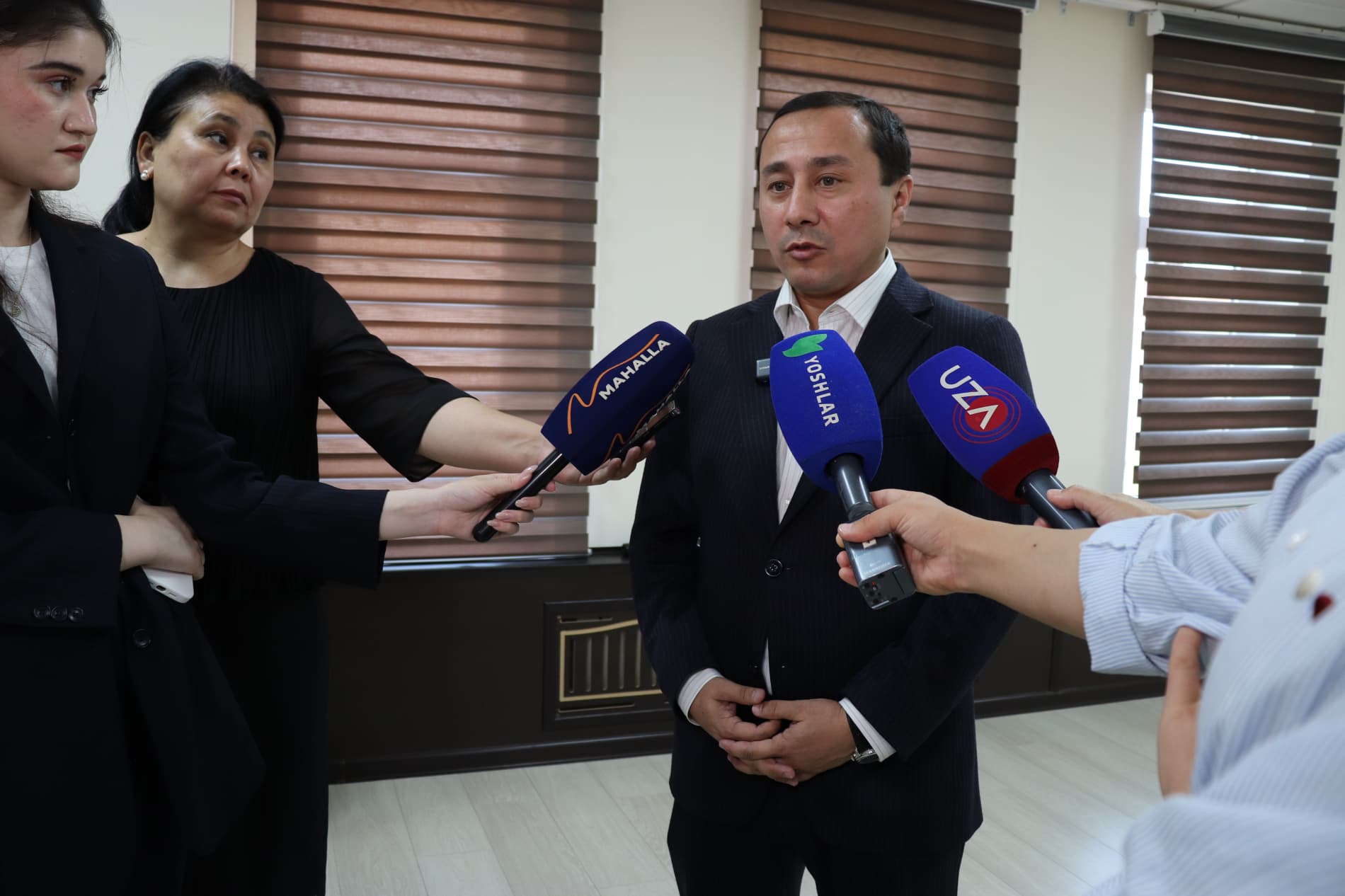
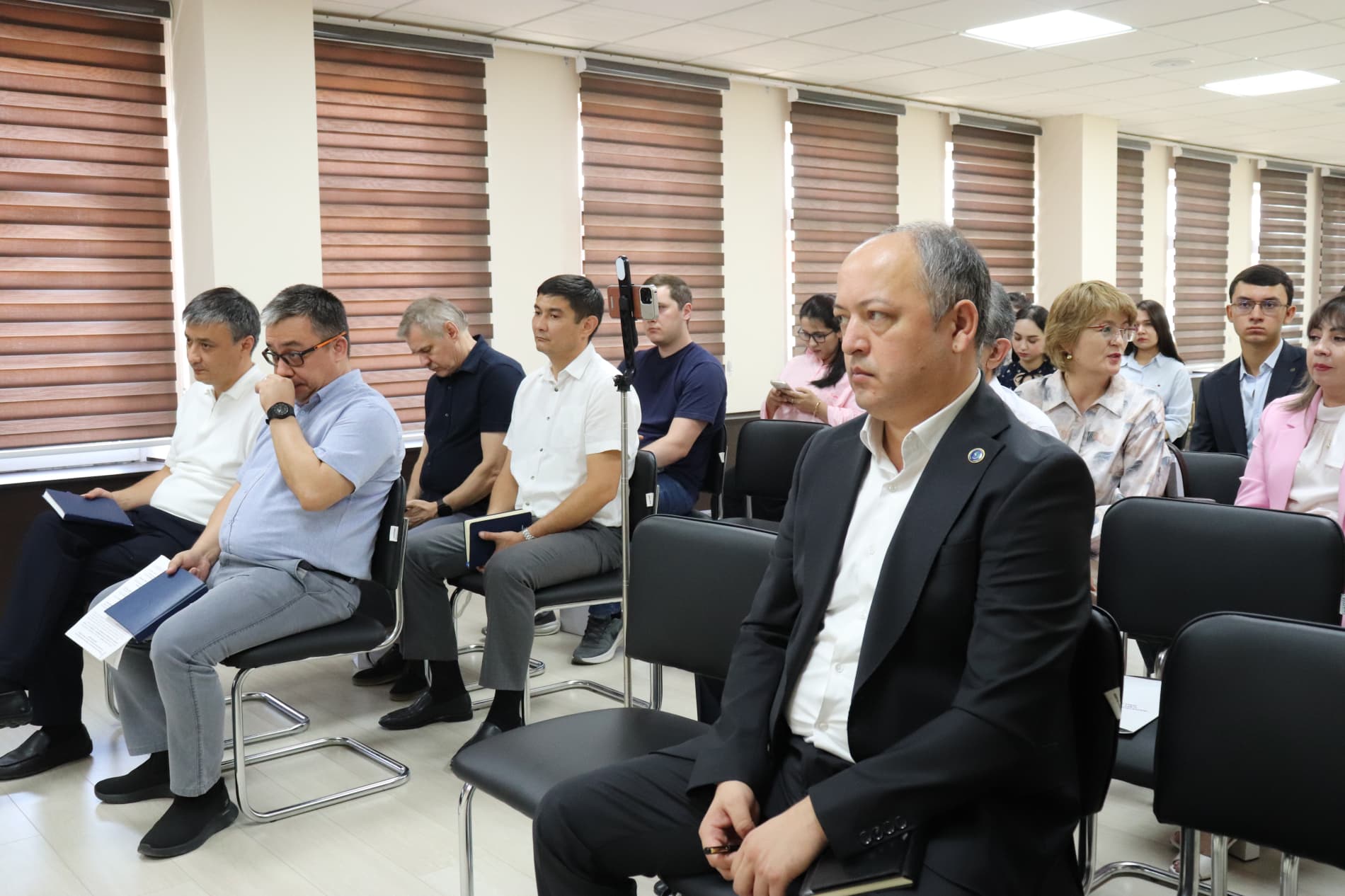
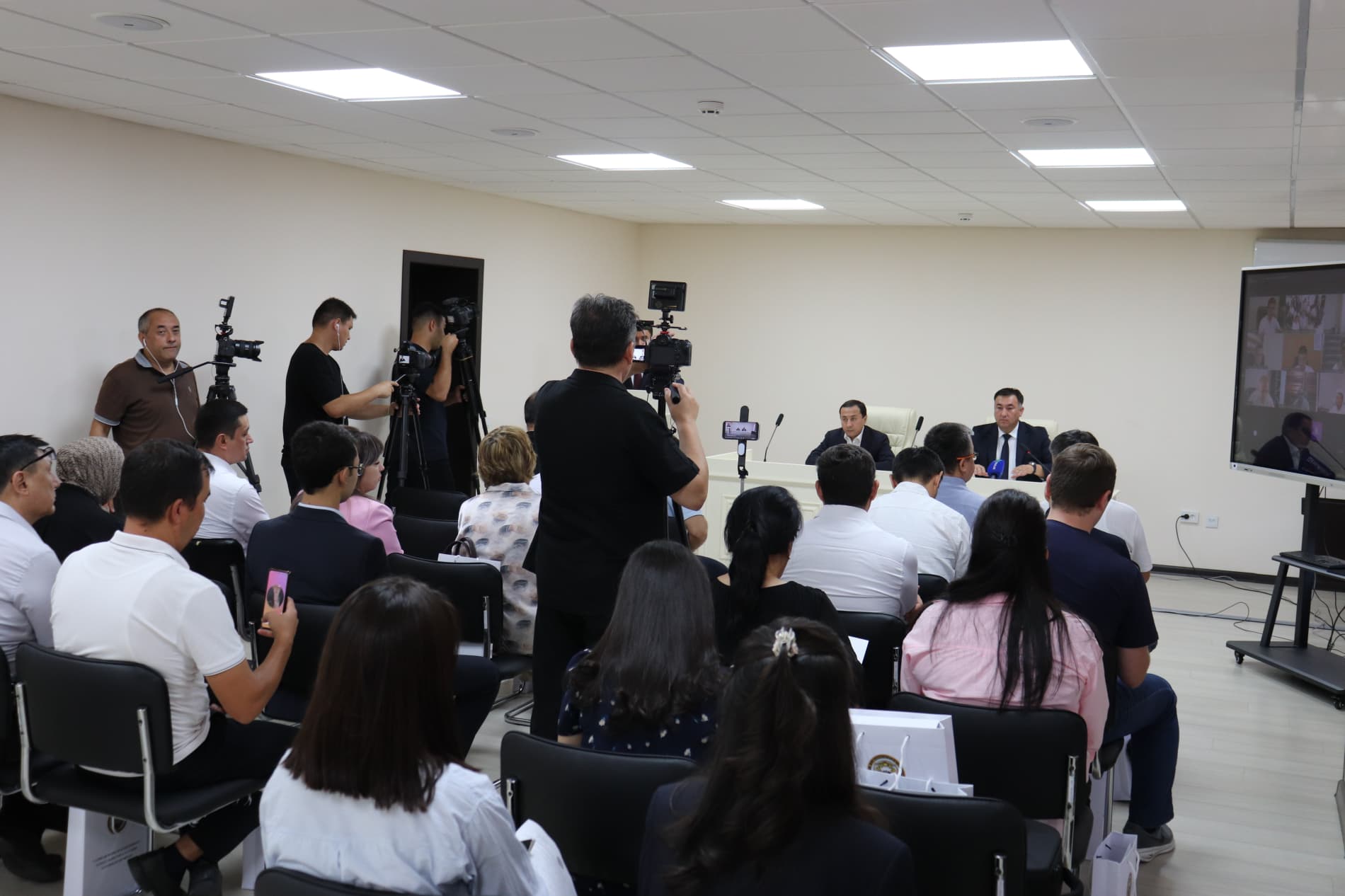
Press Conference on the Results of the Activities of the Committee for Industrial, Radiation and Nuclear Safety for the First Half of 2026
2026-08-11 11:30:00 / News
An electronic database comprising 8,374 hazardous production facilities and 37,168 technical devices has been created within the system. The introduction of the system has enabled the digitalization of all business processes of the Committee, risk analysis, as well as integration with the information systems of other ministries and government agencies.
Following an inventory conducted in multi-apartment residential buildings, information on all 18,032 elevators was compiled in the Safe Elevator electronic platform developed jointly with the Ministry of Construction and Housing and Communal Services.
During the reporting period, technical inspections were carried out for 17,144 elevators installed in multi-apartment residential buildings, while 4,871 newly installed elevators were registered.
A total of 217 newly installed lifting devices for persons with disabilities at social facilities were registered through the Ecosystem electronic platform.
A total of 21 draft regulatory legal acts were developed, including:
- 4 draft laws;
- 15 draft resolutions of the Cabinet of Ministers;
- 2 departmental regulatory legal acts.
In addition, 8 resolutions of the Cabinet of Ministers and 2 departmental regulatory legal acts were approved.
A total of 2,037 supervisory inspections and 21,960 preventive activities were carried out.
A total of 7,021 public services were provided across 14 areas.
A modern digital training platform in the field of industrial safety was developed. Through this platform, 7,834 managers and engineering and technical personnel completed retraining and professional development courses.
II. Radiation and Nuclear Safety
Documents substantiating nuclear and radiation safety for the siting and construction of Units 1 and 2 of the nuclear power plant equipped with RITM-200N reactor units were assessed, expert conclusions were prepared, and a site-use permit and a construction licence for the nuclear power plant were issued.
A total of 6 inspections and assessments were conducted at the NPP construction site to verify compliance with radiation and nuclear safety requirements.
A foreign consultant was engaged to provide expert support in overseeing safety during the construction of the nuclear power plant.
A total of 28 regulatory documents in the field of radiation and nuclear safety were developed and approved.
Draft laws “On Radioactive Waste Management” and “On Chemical Safety” were developed.
A total of 331 supervisory inspections and 2,558 preventive activities were carried out.
The coverage of regulated facilities by supervisory activities increased from 55 percent to 90 percent.
A total of 1,782 public services were provided across 5 areas.
Development of International Cooperation
Instruments confirming the accession of the Republic of Uzbekistan to four conventions in the field of nuclear safety were presented to Rafael Grossi, Director General of the International Atomic Energy Agency (IAEA).
Three IAEA projects with a total value of EUR 6.1 million were successfully implemented and completed. A further 8 projects worth EUR 6.2 million are currently under implementation.
Uzbekistan's first National Report on the implementation of the Convention on Nuclear Safety was successfully presented and defended at the IAEA.
Memoranda of cooperation were signed with the radiation and nuclear safety regulatory authorities of China, Türkiye and Pakistan.
The IAEA INIR Follow-up Mission was conducted to assess the level of development of Uzbekistan's nuclear infrastructure.
Using grant funding, 112 specialists from ministries and government agencies were provided with opportunities to enhance their professional knowledge and skills in developed foreign countries.
The Scientific and Technical Center for Radiation and Nuclear Safety, a state institution under the Committee, signed memoranda of cooperation with scientific and technical support organizations of the regulatory authorities of:
- Rostechnadzor of the Russian Federation;
- Gosatomnadzor of the Republic of Belarus;
- the relevant regulatory authority of Norway.
III. Key Priorities to Be Implemented by the End of 2026
Full supervisory coverage of hazardous production facilities will be ensured.
A total of 16,600 preventive activities will be conducted at regulated facilities.
Based on the results of analysis conducted through the Unified Integrated Ecosystem information system, measures will be taken to reclassify facilities with a medium risk level into the low-risk category.
The API RP 580 — “Elements of a Risk-Based Inspection Program” standard will be implemented in national practice, and a risk-based inspection system will be introduced on its basis.
The advanced experience of Türkiye, the Republic of Korea and European Union Member States will be studied in order to develop new regulatory documents aimed at ensuring the safety of pressure equipment, machinery and devices, equipment used in potentially explosive atmospheres, as well as amusement rides.
A total of 8,000 engineering and technical personnel working at hazardous production facilities will undergo training and professional development in accordance with modern requirements.
A total of 20 regulatory documents will be developed.
Memoranda of cooperation will be signed with radiation and nuclear safety regulatory authorities of the United States, Hungary, Georgia and Finland.
The analysis, assessment and expert review of documents substantiating nuclear and radiation safety during the construction of Units 1 and 2 of the NPP equipped with RITM-200N reactor units will be organized.
Permanent regulatory oversight will be established at the nuclear power plant construction site.
Information Service
+998 90 990 42 66