
New Projects and Industrial Partnerships: Uzbekistan and Kyrgyzstan Deepen Cooperation
2026-07-28 17:45:00 / News
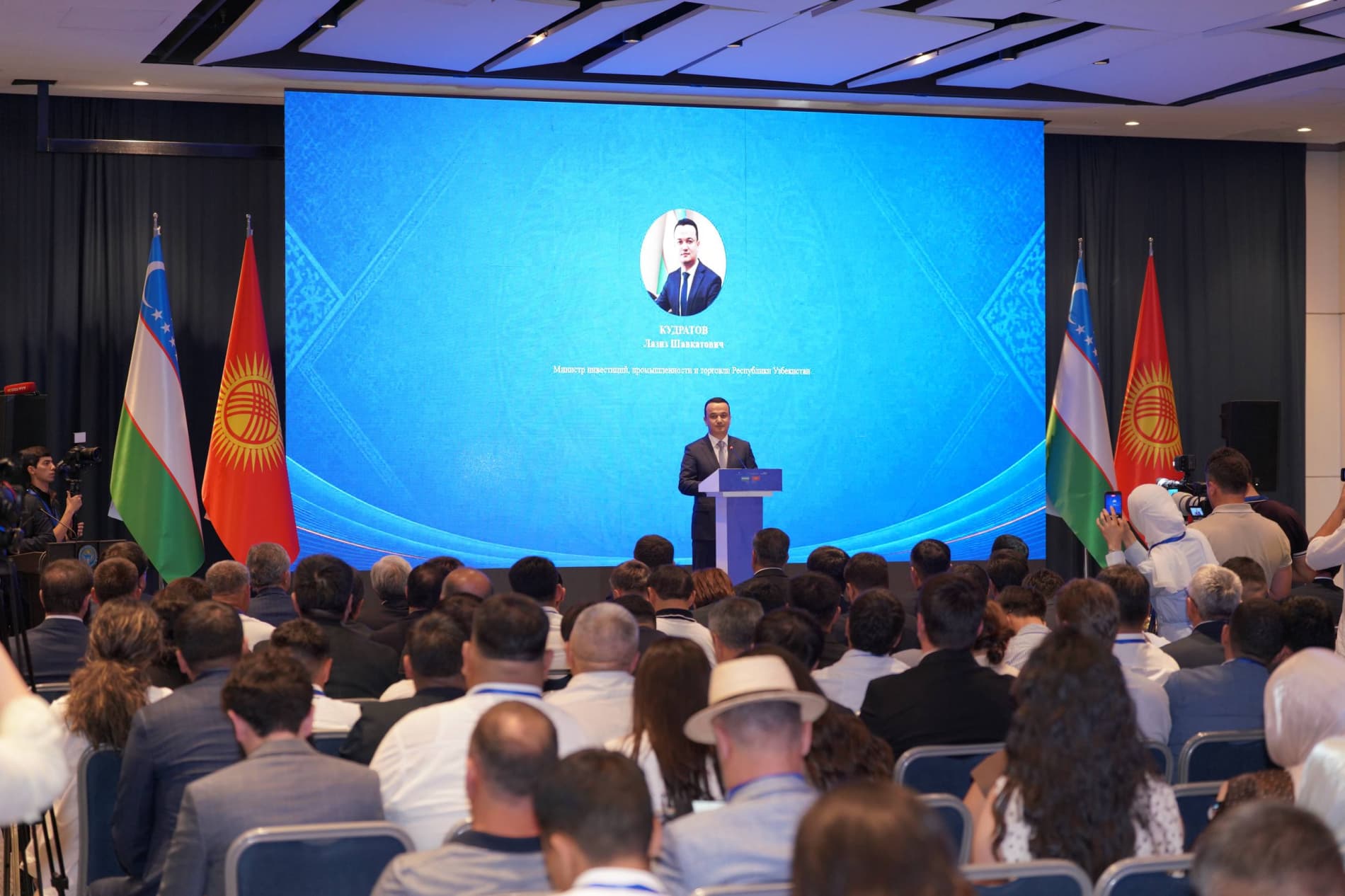
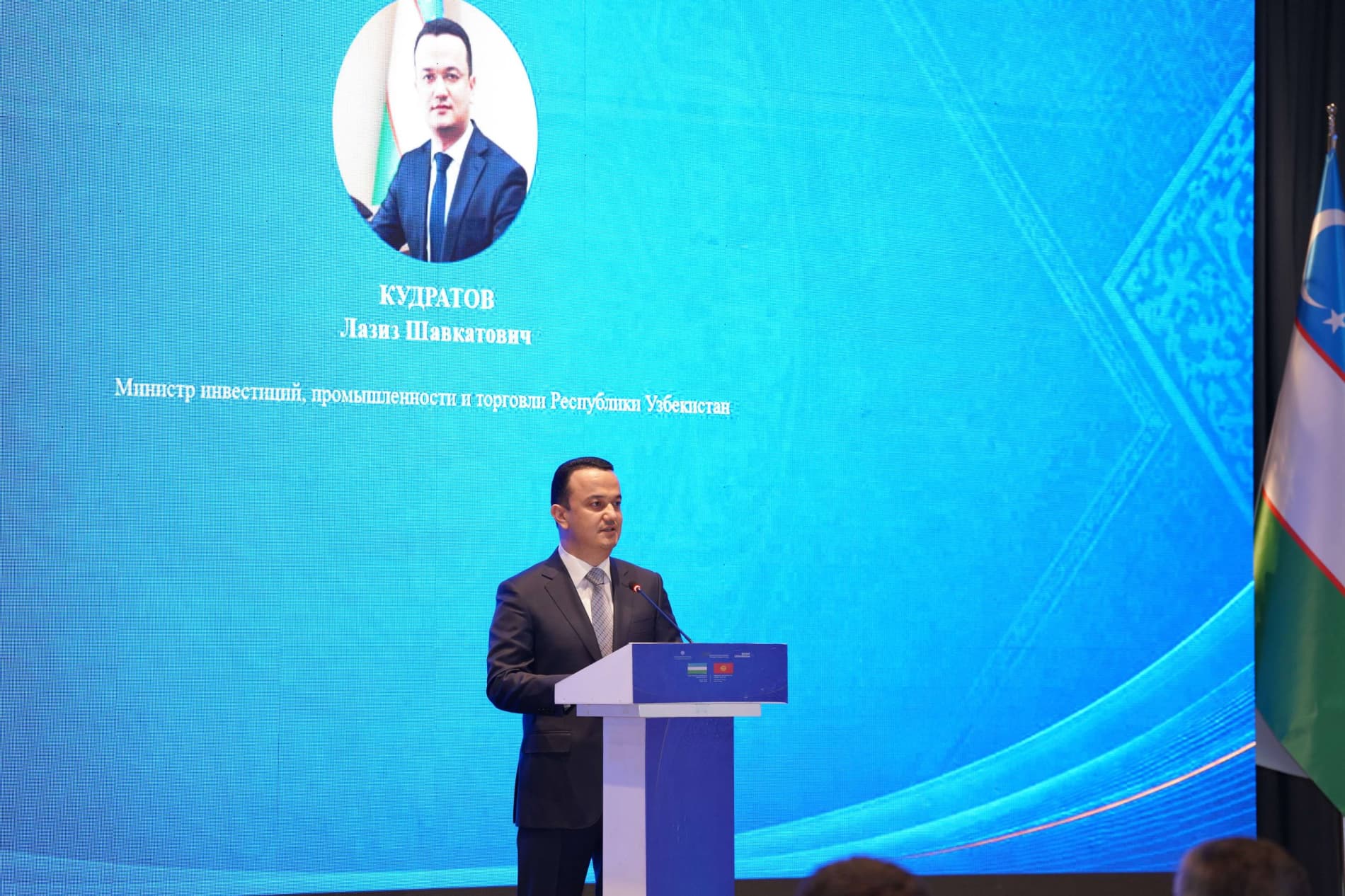

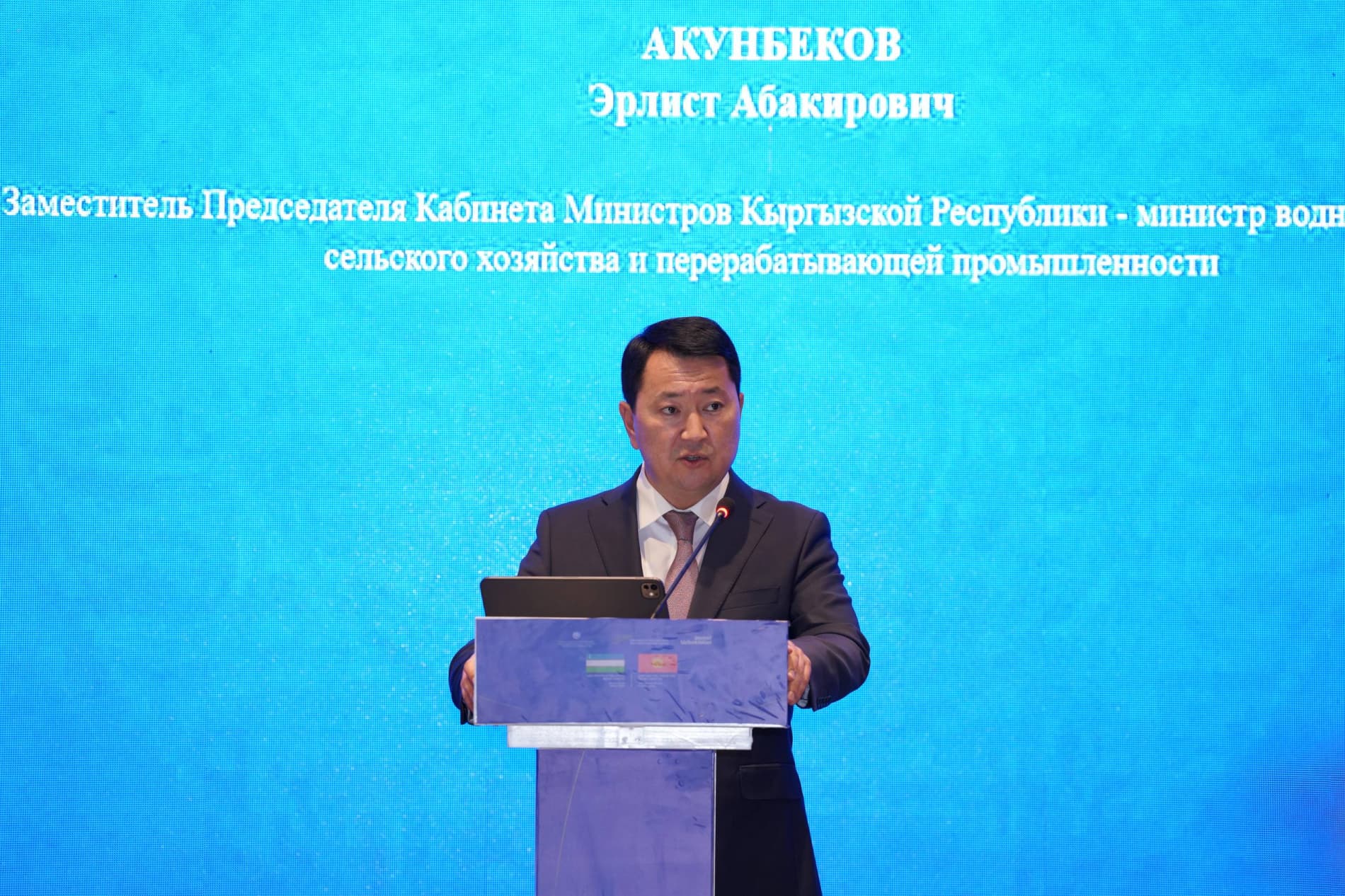
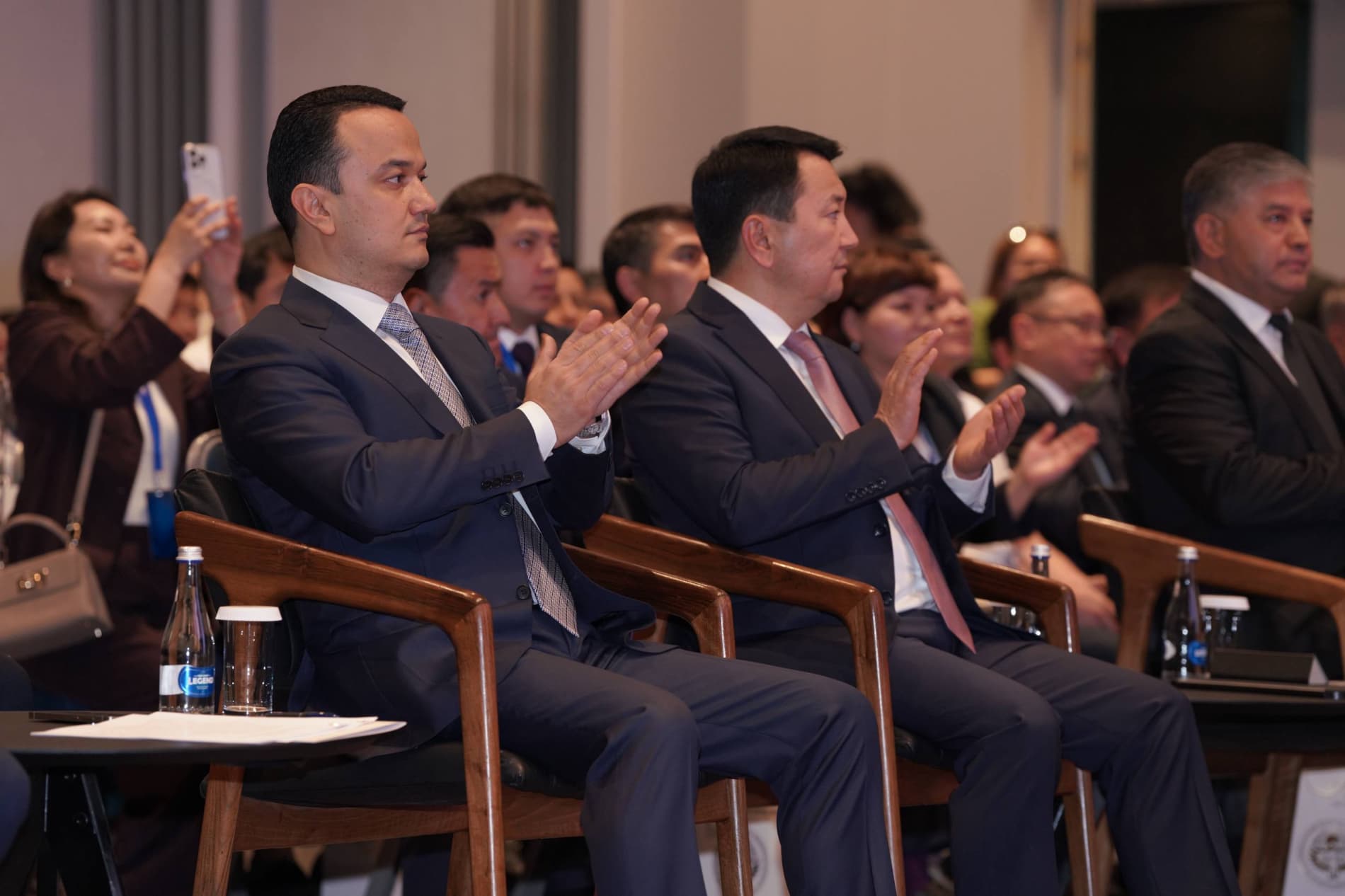
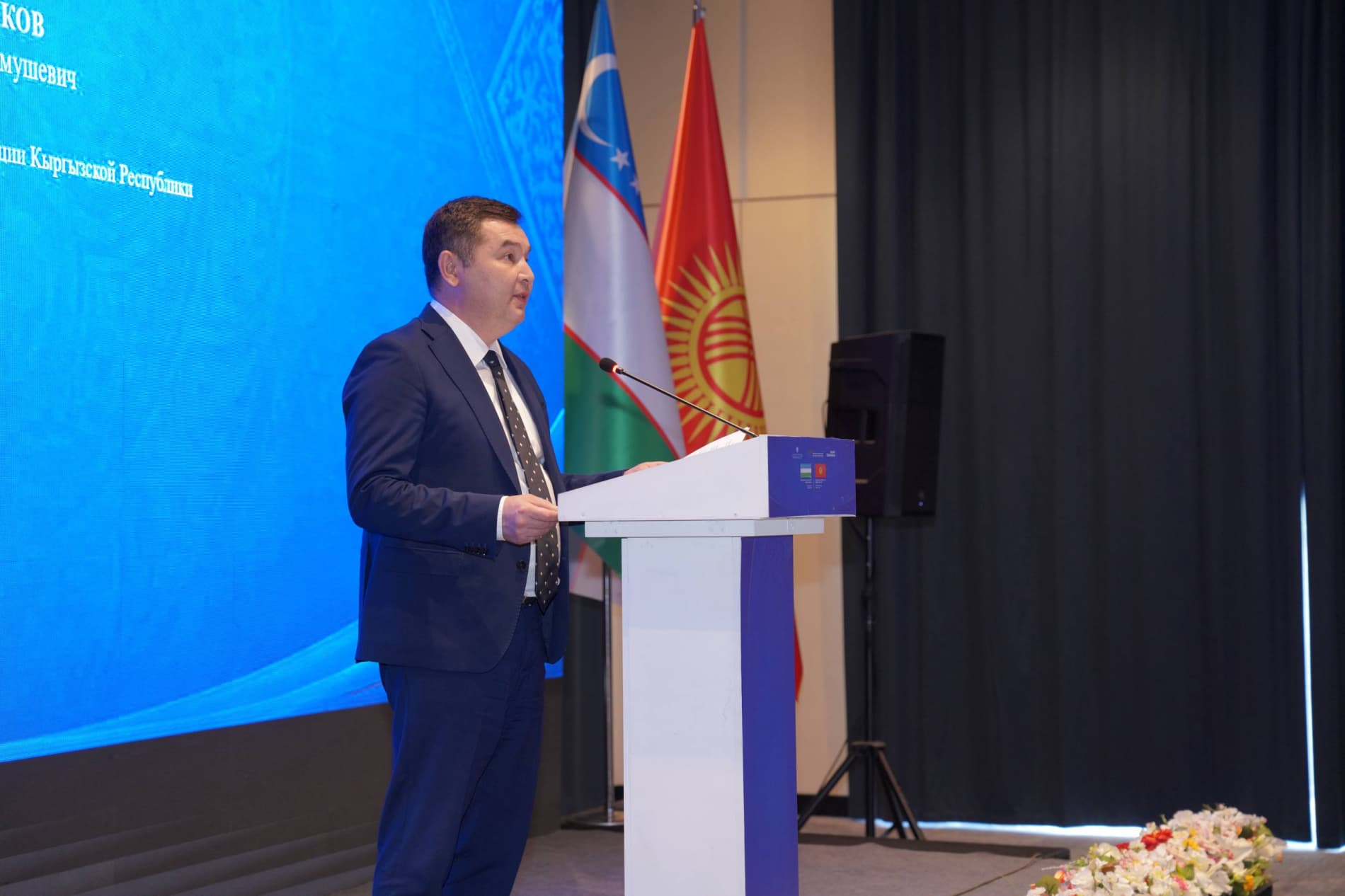
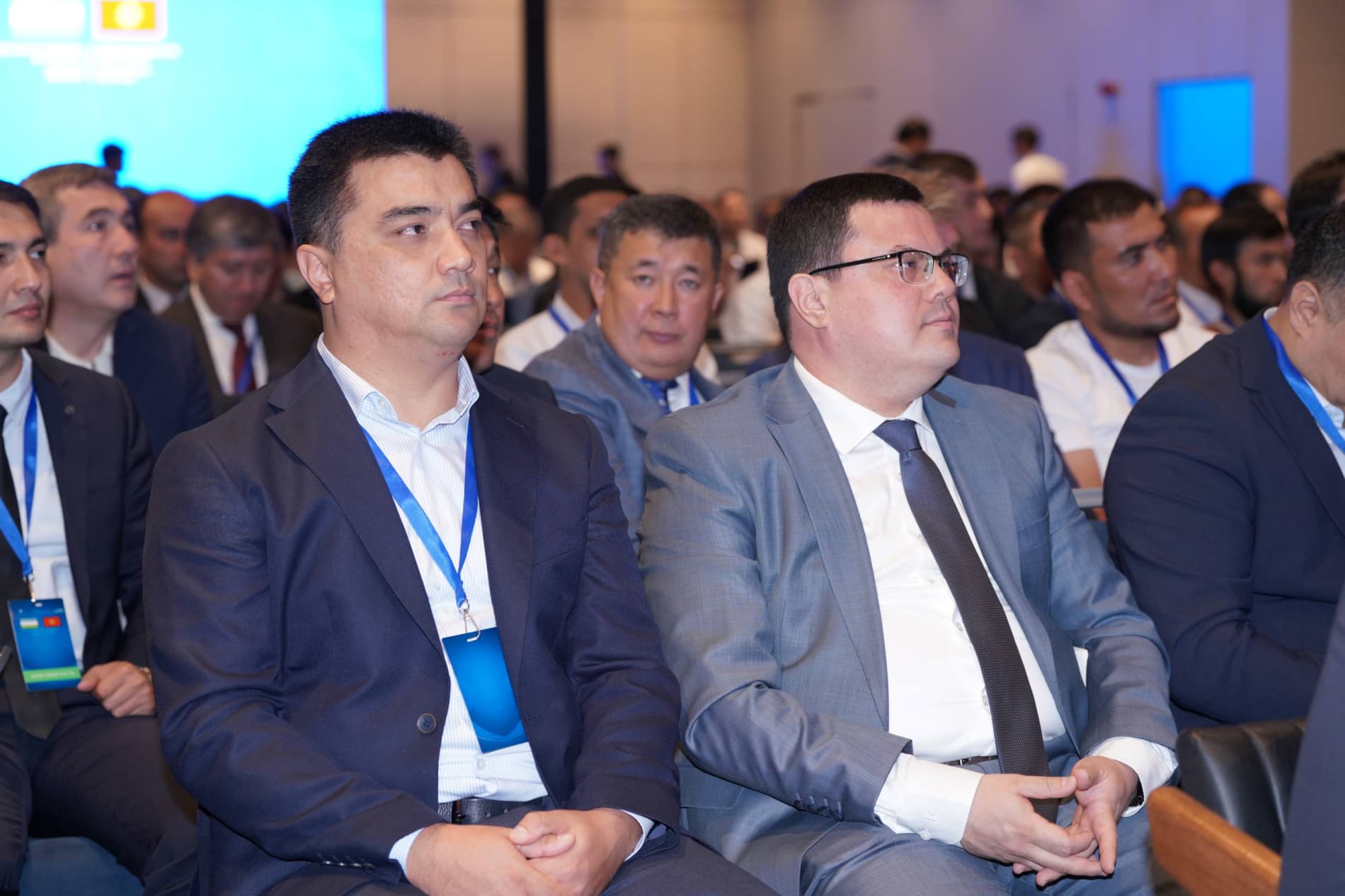
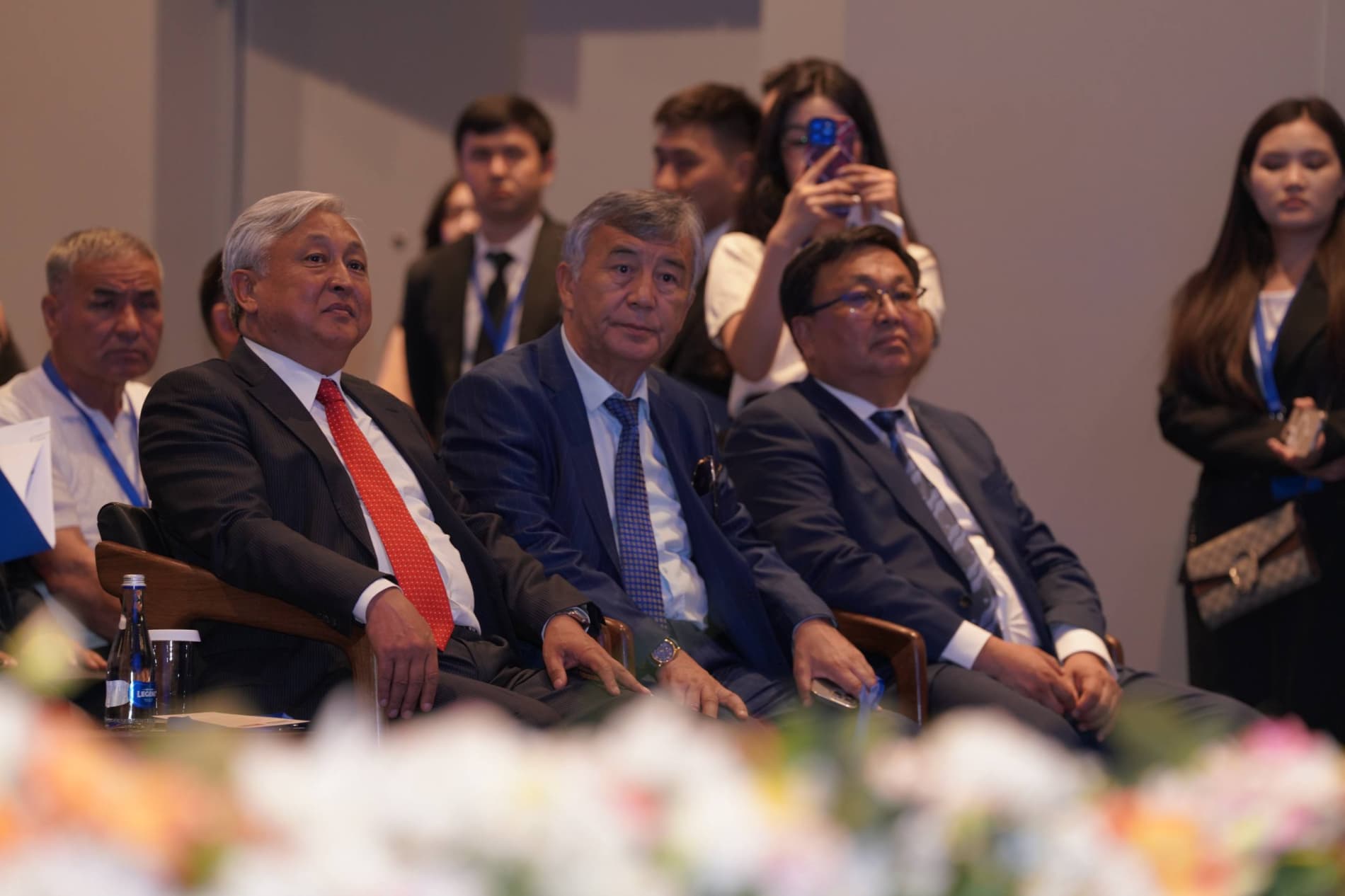
On 28 July, Bishkek hosted the Uzbekistan–Kyrgyzstan Business Forum titled “Kyrgyzstan – Uzbekistan: Industrial Cooperation, Investment and Trade.” The event was attended by Deputy Chairman of the Cabinet of Ministers of the Kyrgyz Republic and Minister of Water Resources, Agriculture and Processing Industry Erlist Akunbekov, Director of the National Investment Agency under the President of the Kyrgyz Republic Ravshanbek Sabirov, Minister of Investment, Industry and Trade of the Republic of Uzbekistan Laziz Kudratov, and Minister of Economy and Commerce of the Kyrgyz Republic Bakyt Sydykov. The forum also brought together heads of relevant government agencies, development institutions and leading companies from both countries.
The forum gathered 115 representatives of Uzbek businesses and 95 representatives of Kyrgyz businesses. The broad sectoral composition of participants combined the government agenda with direct dialogue between entrepreneurs, enabling substantive discussions on new areas of industrial cooperation.
Participants noted that, thanks to the political will and strategic vision of the leaders of the two countries, Uzbekistan–Kyrgyzstan cooperation has reached an unprecedented level.
Mutual trade was one of the central topics of the forum. Over the past ten years, bilateral trade has increased more than sevenfold, reaching US$1.2 billion. In January–June of the current year, trade grew by another 1.5 times to US$625 million. Maintaining this momentum will make it possible to achieve the target of US$2 billion in bilateral trade as early as next year.
The participants reviewed the results of investment cooperation and industrial partnership. Nearly 450 enterprises with mutual capital participation are currently operating in the two countries. Joint projects are being implemented in the automotive industry, textile manufacturing, healthcare, agriculture and other sectors. One of the key mechanisms supporting these initiatives remains the Uzbekistan–Kyrgyzstan Development Fund, which is facilitating the implementation of 28 projects in transport and logistics, light industry, construction materials production, energy and the financial sector.
Priority areas for further cooperation include agribusiness, textiles, pharmaceuticals and electrical engineering. In agriculture, the two sides intend to develop seed production, potato and rice cultivation, livestock farming and intensive horticulture. In the textile industry, prospects are linked to wool and leather processing as well as the production of finished goods. In pharmaceuticals, it was proposed to combine the manufacturing capacities of both countries to expand the range of affordable medicines and enter new export markets. In electrical engineering, the focus will be on component localization, establishing joint ventures and promoting products in third-country markets.
The business programme served as a platform for direct negotiations between companies. Participants discussed initiatives in agriculture, the food and textile industries, construction materials and furniture manufacturing, electrical engineering, pharmaceuticals, energy, mining, logistics, tourism, finance and trade. Particular attention was paid to establishing sustainable production chains, expanding mutual supplies and translating promising initiatives into practical projects.
The two sides also agreed to continue direct cooperation between regions and to hold the first Uzbekistan–Kyrgyzstan Regional Forum in Uzbekistan before the end of the year, further strengthening intergovernmental and business dialogue.
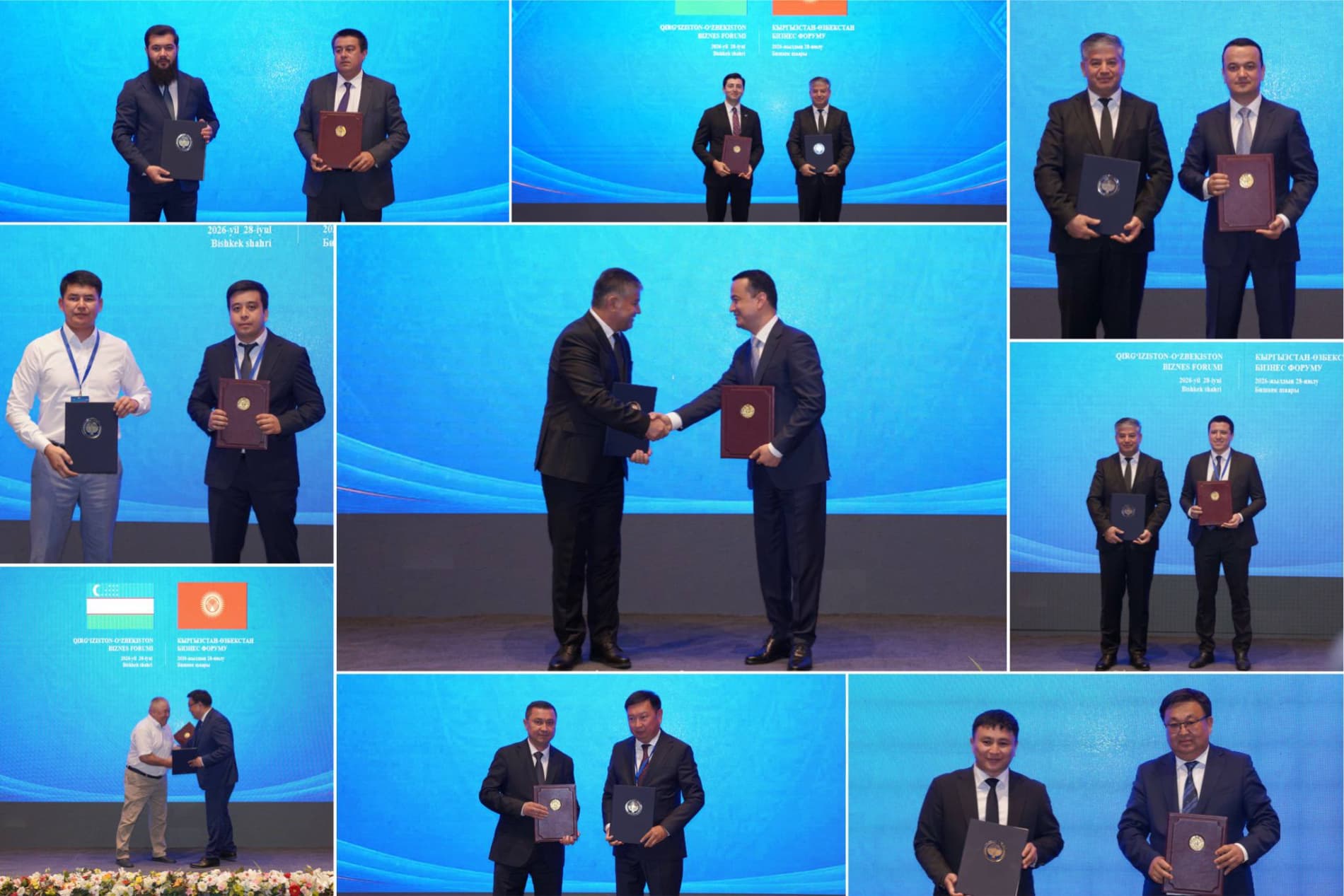
At the conclusion of the forum, the Action Plan for Cooperation for 2026–2028 was signed between the Ministry of Investment, Industry and Trade of the Republic of Uzbekistan and the National Investment Agency under the President of the Kyrgyz Republic.
In addition, the parties exchanged a substantial package of agreements covering the promotion of electrical engineering products, seed production, agricultural science, energy, healthcare, hydraulic engineering construction and the development of industrial zones. These documents establish a solid institutional and legal framework for implementing new projects and further deepening bilateral economic partnership.