Uzbekistan and Georgia Expand Trade, Investment and Industrial Cooperation at Business Forum in Tbilisi
2026-07-01 16:25:00 / News
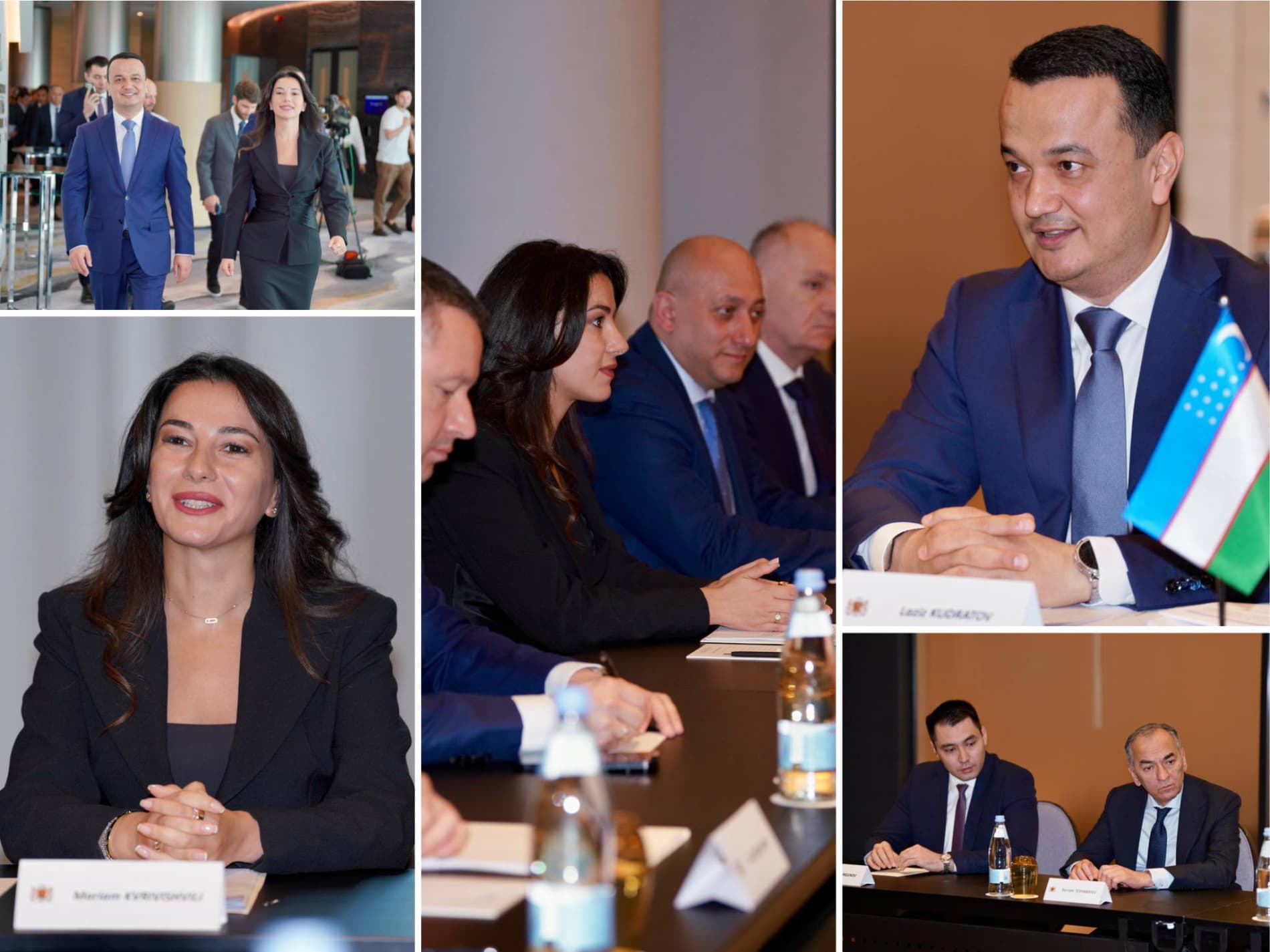
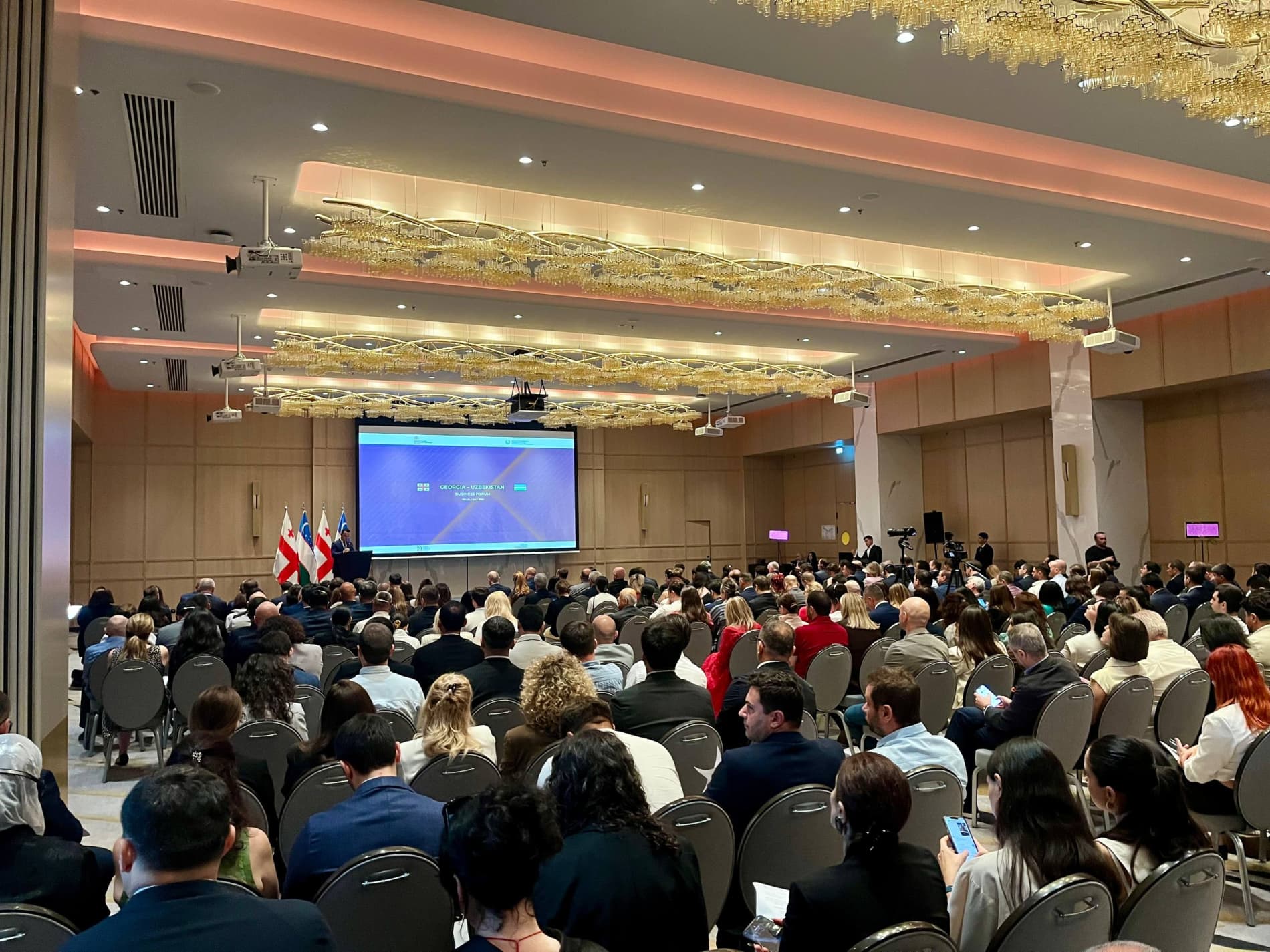
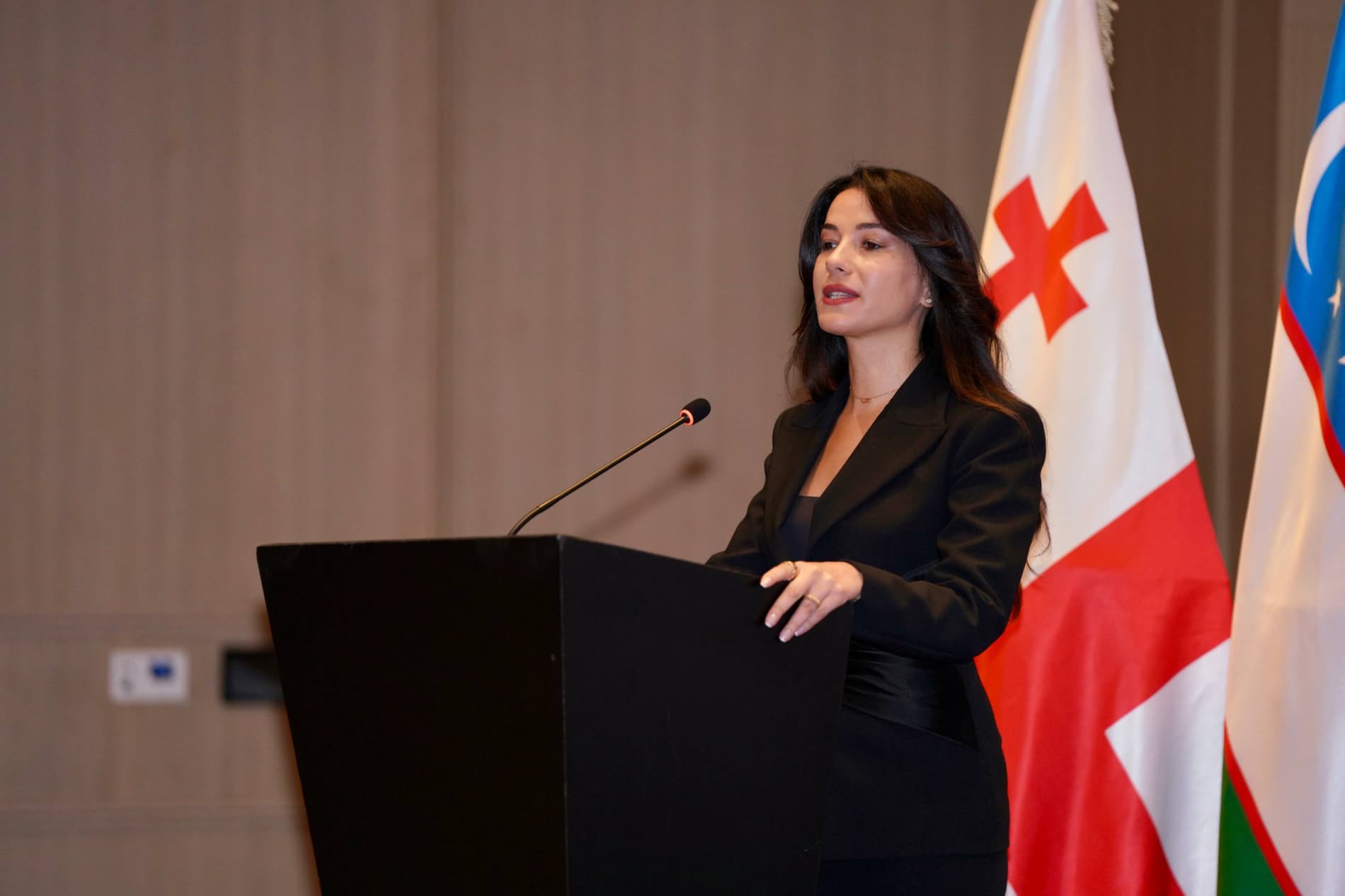
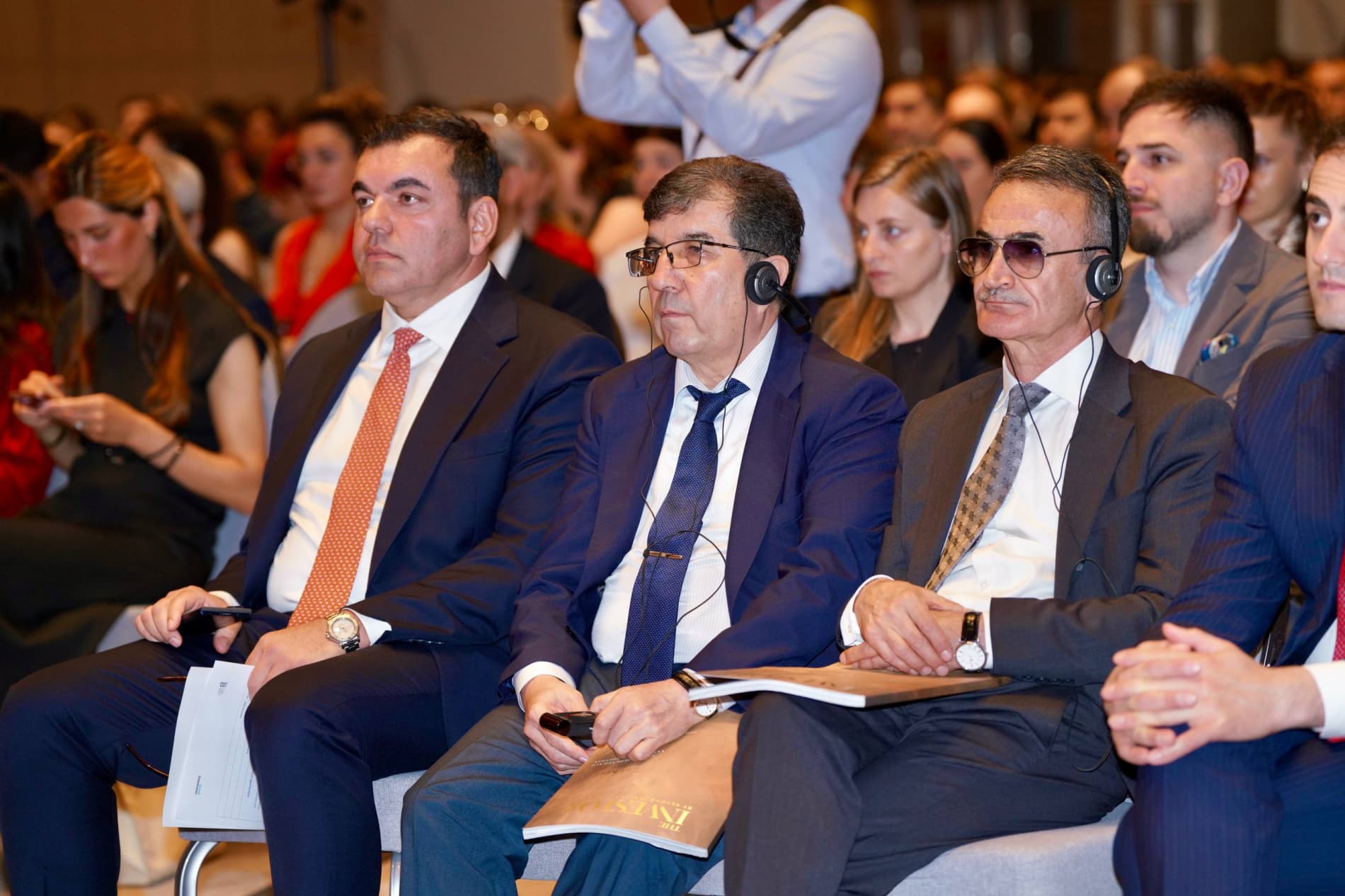
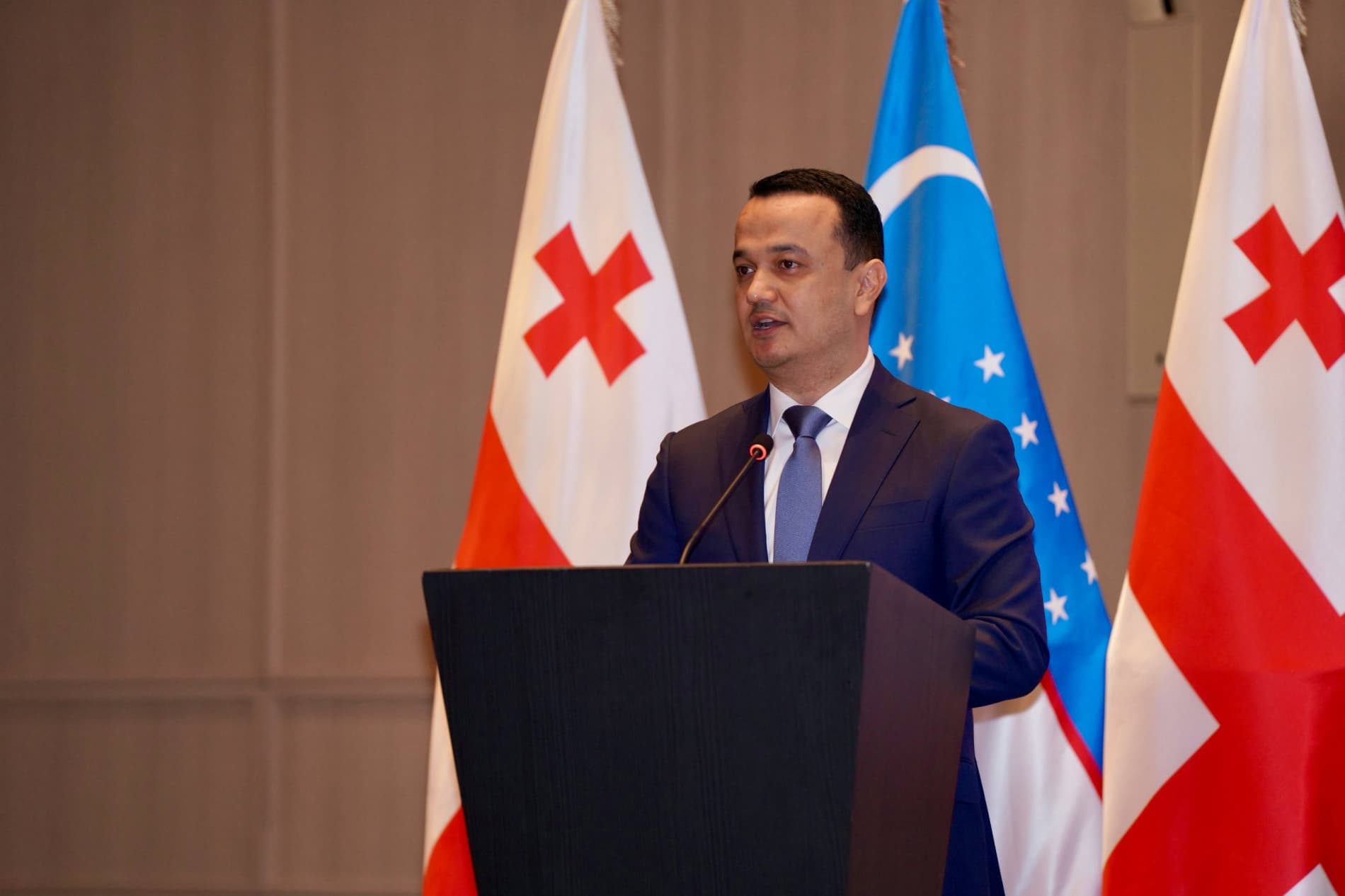
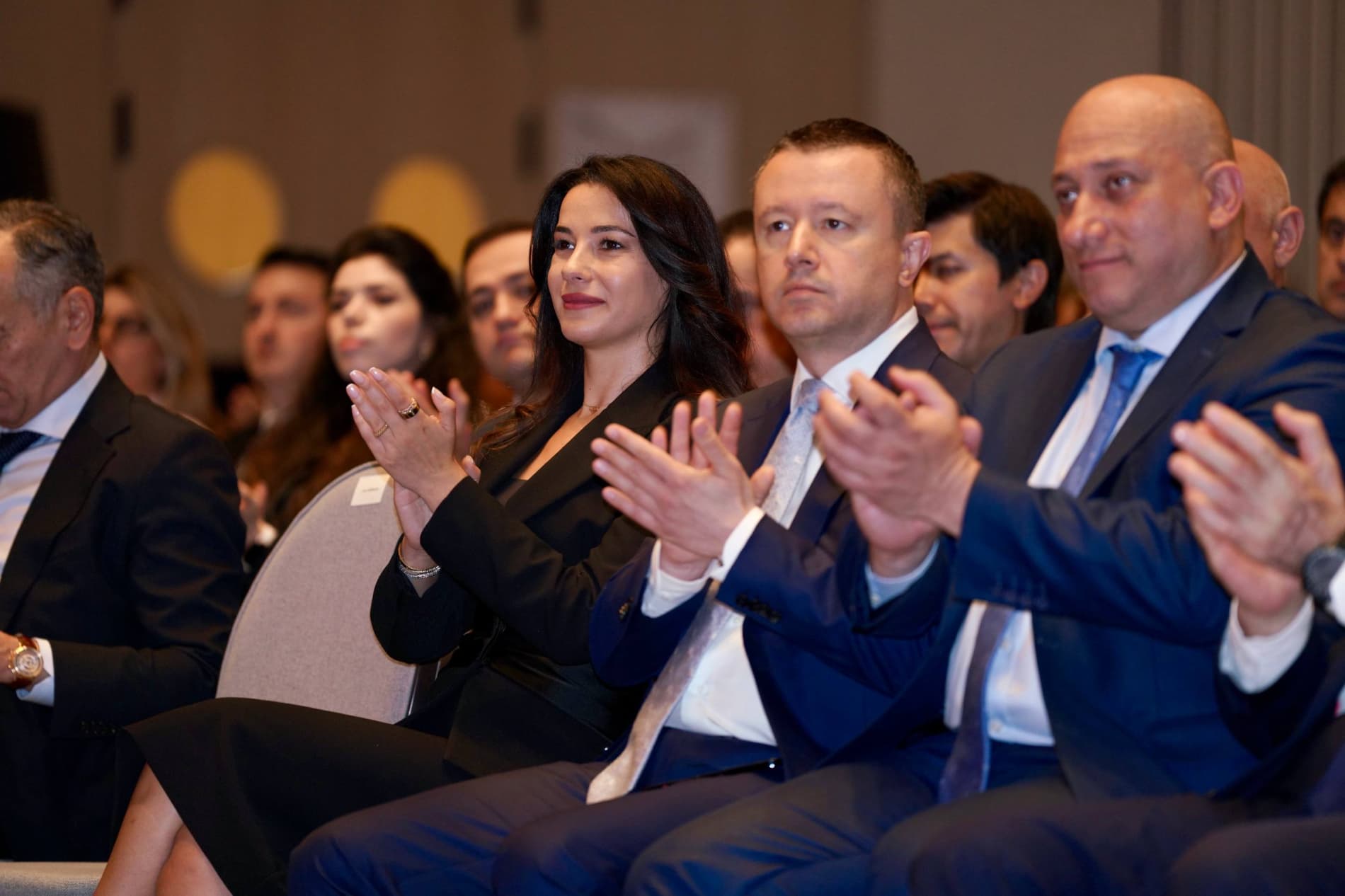
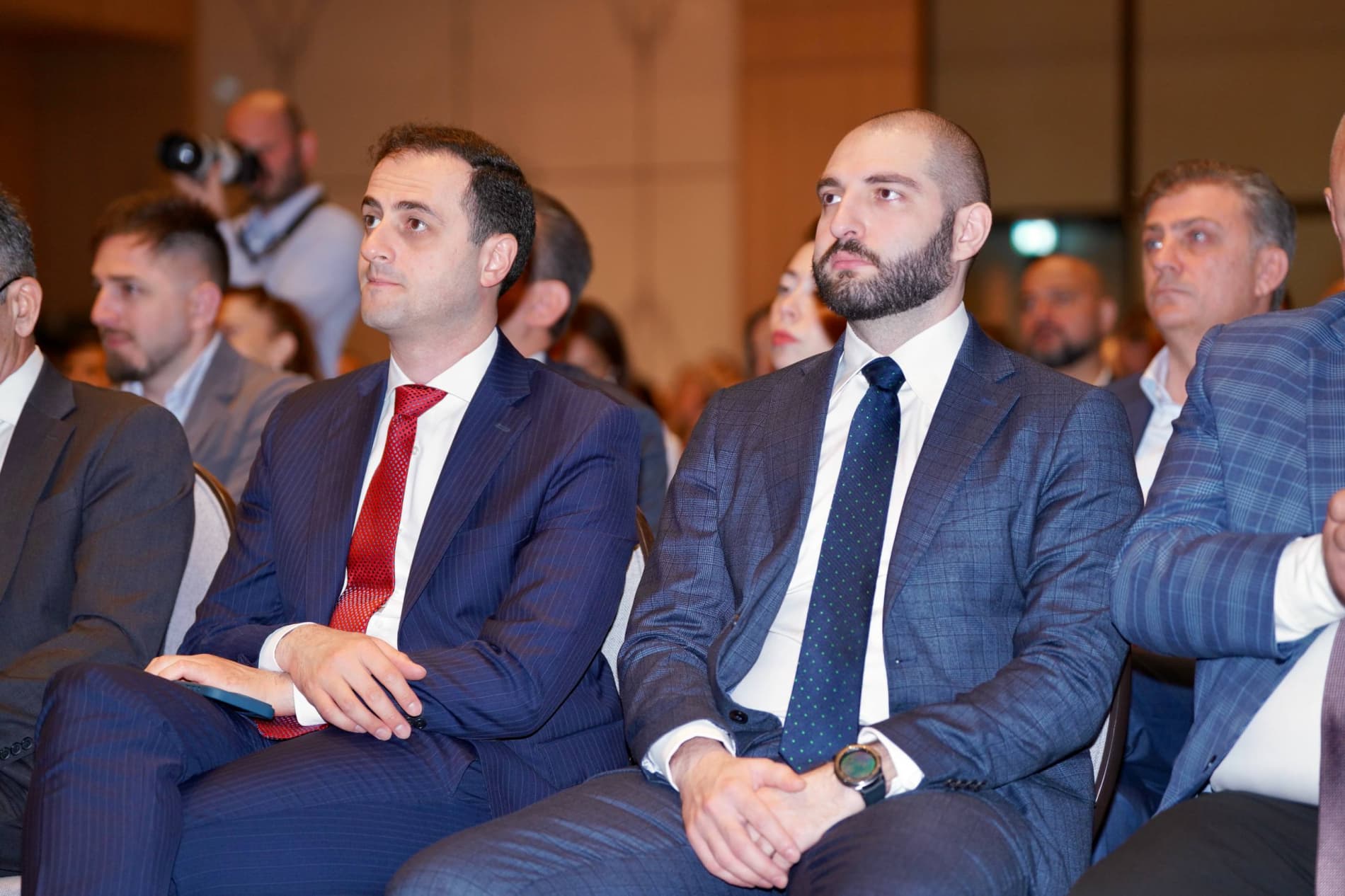

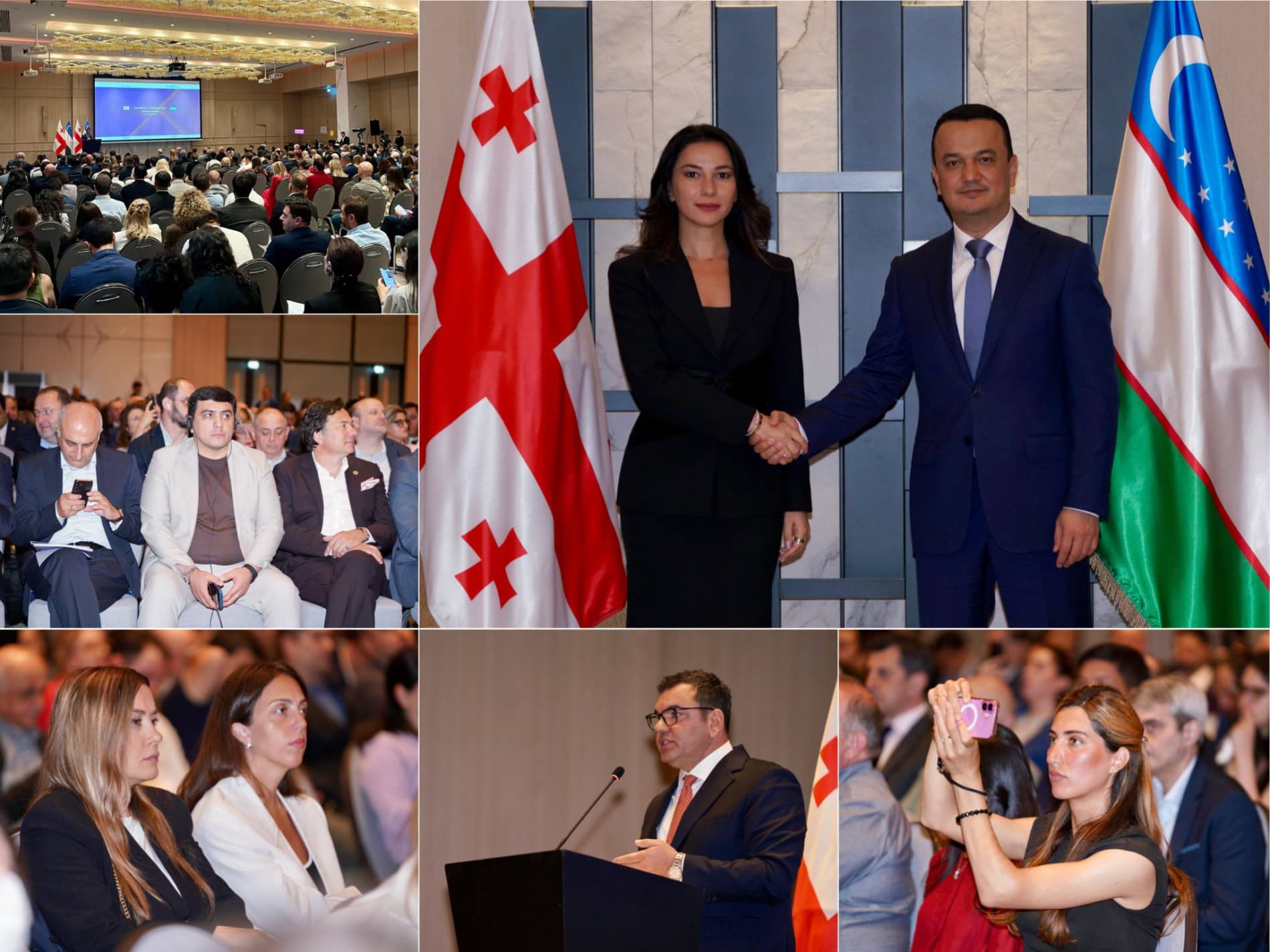
Tbilisi, 1 July 2026 – The Uzbekistan–Georgia Business Forum was held in Tbilisi on 1 July 2026, providing a platform for advancing bilateral trade, investment and industrial cooperation between the two countries. The event brought together government officials, financial institutions and business leaders from Uzbekistan and Georgia to explore new opportunities for economic partnership.
The Forum was held on the eve of the first official visit of the President of the Republic of Uzbekistan to Georgia in 23 years, underscoring both countries' commitment to elevating bilateral relations to a new stage of practical cooperation.
The opening session featured remarks by Laziz Kudratov, Minister of Investments, Industry and Trade of the Republic of Uzbekistan, and Mariam Kvrivishvili, Minister of Economy and Sustainable Development of Georgia.
The Forum attracted around 300 executives and representatives of companies, financial institutions, free industrial zones, industry associations and consulting firms from both countries. The Georgian business community was represented by Poti Free Industrial Zone, Tbilisi Free Zone, Hualing Free Industrial Zone, TBC Bank, Bank of Georgia, PwC, Grant Thornton, Maersk, Aramex Georgia, Softgen, DataMind, GM Pharmaceuticals and Aversi-Rational, alongside companies operating in logistics, energy, construction, pharmaceuticals, information technology, tourism, hospitality, agriculture and the food industry.
Participants were presented with Uzbekistan's key economic achievements. Since 2017, the country's economy has doubled in size, while GDP growth reached 7.7 percent in 2025. The Forum also highlighted the significant increase in foreign investor confidence: the number of enterprises with foreign capital has grown from approximately 4,000 in 2017 to more than 20,000 today.
The discussions also focused on the positive dynamics of Uzbekistan–Georgia economic relations. Bilateral trade reached USD 268 million in 2025, with both sides reaffirming their shared objective of increasing trade turnover to USD 1 billion while expanding cooperation beyond trade towards industrial partnerships, investment, joint manufacturing and access to third-country markets.
Building on this agenda, participants identified several priority areas that will shape the next phase of bilateral economic cooperation. Transport and logistics featured prominently, with particular emphasis placed on developing the Middle Corridor and strengthening Georgia's role as Uzbekistan's gateway to the Black Sea and European markets. In this context, special attention was given to the establishment of a trade, logistics and manufacturing hub within the Poti Free Industrial Zone.
Enhanced transport connectivity is expected to create new opportunities for industrial cooperation. To support these efforts, the parties announced plans to adopt an Industrial Cooperation Programme through 2027, which will serve as a practical roadmap for launching new manufacturing facilities, investment projects and long-term industrial partnerships between enterprises in Uzbekistan and Georgia.
Pharmaceuticals and agribusiness were identified as additional priority sectors. Georgian companies were invited to consider establishing production facilities in Uzbekistan, including within the innovative Tashkent Pharma Park cluster, providing access to the rapidly growing Central Asian market. The participants also highlighted opportunities to combine Uzbekistan's raw material base with Georgia's expertise in winemaking, food processing, branding and premium packaging to produce high value-added products.
Energy, the electrical engineering industry and digital services were also recognized as promising areas for cooperation. In the IT sector, reflecting the strong export growth achieved by both countries, discussions focused on fintech, e-commerce, artificial intelligence, business process outsourcing (BPO) services and the digitalization of trade and logistics.
Financial cooperation was discussed as an important instrument for supporting the real economy. Participants highlighted the successful operations of TBC Bank in Uzbekistan, where TBC Bank Group and its partners have already invested more than USD 460 million. Going forward, these financial mechanisms are expected to play an even greater role in supporting industrial development, export-oriented production and infrastructure projects.
The Forum also acknowledged the growing importance of tourism cooperation. Visitor arrivals from Georgia to Uzbekistan have increased more than 2.5 times compared with 2019, while the number of visits by Uzbek citizens to Georgia rose by 50.2 percent in 2025. These trends create new opportunities for developing integrated tourism routes linking the Silk Road, the Caucasus and the Black Sea region, as well as for cooperation in hospitality, wellness tourism and workforce development for the tourism industry.
The main programme also featured presentations by Giorgi Pertaia, President of the Georgian Chamber of Commerce and Industry; Roxana Nesor, Director of the Investment Promotion Agency of Uzbekistan; and representatives of Georgian investment institutions and the Uzbek private sector.
The Forum concluded with a signing ceremony for bilateral cooperation documents, followed by B2B and G2B meetings aimed at advancing concrete investment initiatives and strengthening long-term economic partnership between Uzbekistan and Georgia.