
Investments into Tourism
2026-06-18 13:20:00 / News


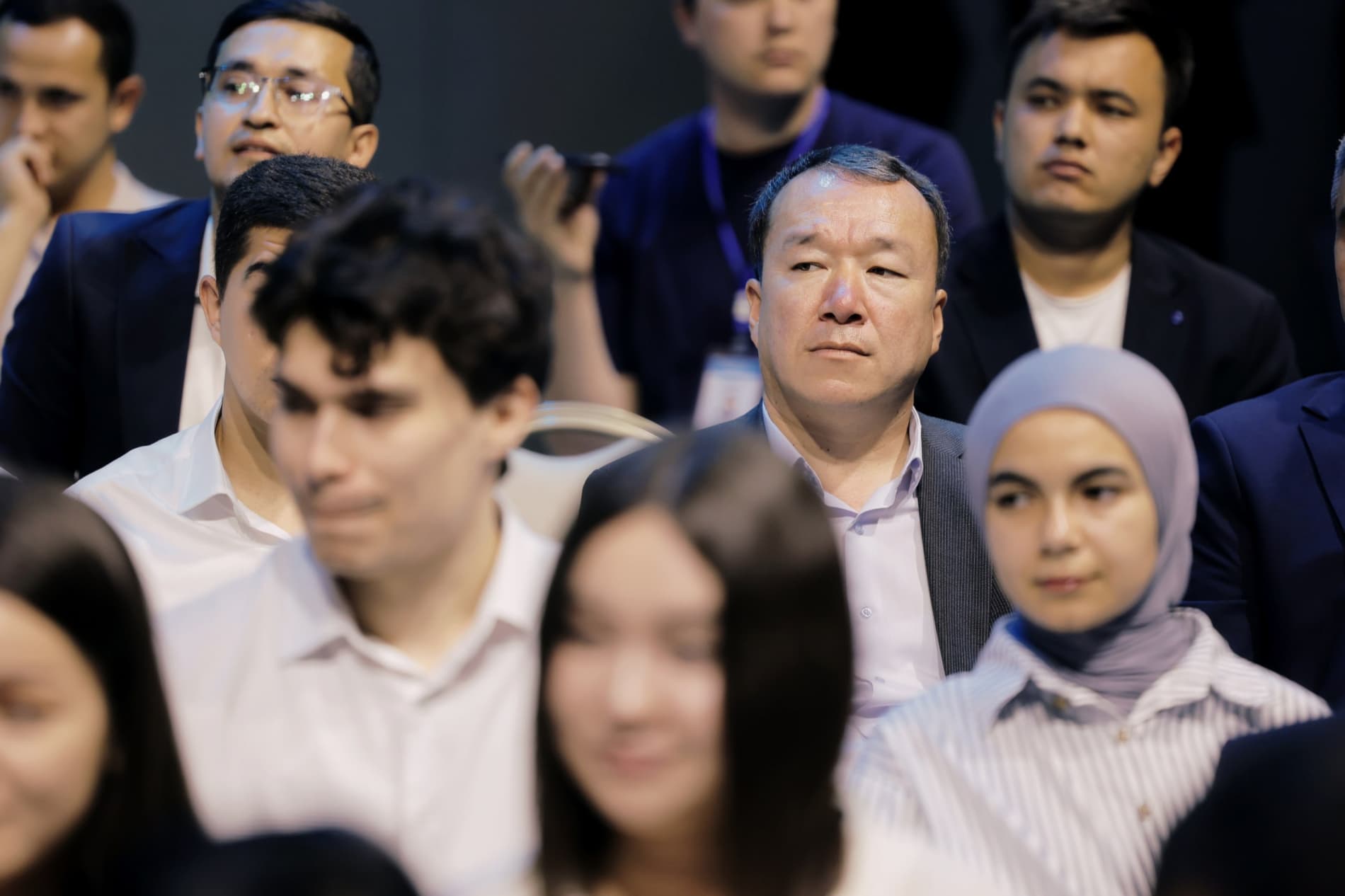


On June 18 of this year, within the framework of the 5th Tashkent International Investment Forum, a special panel session titled “Investments into Tourism” was held at the CAEx Center in the capital. Bringing together local and international experts, investors, and representatives of government institutions, the event focused on transforming Uzbekistan into a global tourism destination, developing transport infrastructure, and enhancing the sector’s export potential.
Organized under the coordination of the Ministry of Investments, Industry and Trade of the Republic of Uzbekistan, the session was moderated by Geordie Greig, Editor-in-Chief of The Independent (UK). The discussion was dedicated to the development of tourism infrastructure, government support mechanisms, and attracting international capital to one of the fastest-growing sectors of the economy. International experts presented a comprehensive analysis of Uzbekistan’s competitive advantages in the tourism market and its portfolio of promising investment projects.
According to statistical data presented during the forum, Uzbekistan’s tourism sector is demonstrating unprecedented growth rates. In particular, more than 5.3 million foreign tourists visited the country during the first five months of 2026, representing a 37 percent increase compared to the same period last year. Data from the United Nations World Tourism Organization also confirms that Uzbekistan ranks among the world’s leading countries in terms of tourism growth. It was emphasized that these results are the product of the country’s policy of openness. Currently, a visa-free regime is available for citizens of 95 countries, an electronic visa system operates for 52 countries, and visa-free transit is available for 45 countries. While 2.7 million foreign tourists visited Uzbekistan in 2017, this figure reached 11.7 million by 2025, and tourism service exports increased from USD 531 million to USD 4.8 billion.
Discussions focused on transforming the sector’s existing potential into systematic projects. In accordance with the Tourism Development Strategy through 2030, the country aims not only to increase tourist arrivals but also to raise tourism service exports beyond USD 6 billion. Key objectives include increasing the average length of stay of tourists to 7–8 days and raising average spending per tourist from the current USD 415 to the global average of USD 1,180. Participants particularly emphasized the importance of promoting high-value tourism segments, including MICE, gastronomic, ecological, pilgrimage, film, and luxury tourism.
Speaking at the session, Chairman of the Tourism Committee of the Republic of Uzbekistan Abdulaziz Akkulov highlighted the incentives being created for foreign investors.
“Today, Uzbekistan offers investors not only unique tourism resources and a rich cultural and historical heritage, but also a comprehensive system of state support for tourism projects,” said the Chairman of the Committee in his remarks. “Through tax incentives, subsidies, preferential financing, and public-private partnership mechanisms, we are creating favorable conditions for investment.”
Abdulaziz Akkulov also expressed confidence that the combination of an open investment policy and a favorable geographic location would strengthen the country’s position as a leading tourism hub in the region while attracting long-term investments in extreme tourism and MICE industry projects.
It was noted that, as a result of rapid infrastructure development, the number of hotels and accommodation facilities has increased nearly ninefold in recent years, exceeding 7,000. Today, nearly 30 international hotel brands operate in the country, including Hilton, Marriott, InterContinental, Radisson, Holiday Inn, Wyndham, and Mercure, demonstrating the accelerating entry of international brands into the Uzbek market.
The integration of major tourism zones with urban planning documentation was thoroughly analyzed by international experts. Vladimir Zhukov, Director General of the National Urban Planning Portal, noted that developing master plans is a unique and complex process.
“Although master plans are not considered legally binding documents under the Urban Planning Code, our primary task in designing major tourism zones is to ensure their proper and seamless integration with city master plans and regional spatial planning schemes,” the expert stated.
In turn, Lyudmila Antonovna, international tourism expert and General Director of the GEODATA PLYUS, highly praised Uzbekistan’s rapid progress in sustainable tourism. According to her, the establishment of project offices and direct government oversight of tourism infrastructure development based on master plans represent one of the most effective and appropriate organizational approaches to ensuring sustainability.
The discussion also addressed the role of digital marketing, targeted promotion, and regional international partnerships in attracting foreign tourists. Nathan Benson, Project Manager at Governpool, emphasized that traveling to Uzbekistan is not merely about visiting destinations but about experiencing something unique that evokes deep emotional responses.
“The tourism sector in the country will continue to grow; people simply do not know enough about it yet. To change this and share Uzbekistan’s incredible hospitality with the world, it is essential to make broader use of modern artificial intelligence tools and social media influencers,” Benson advised.
Speaking on the prospects for international cooperation, Chi Lu, Vice President of the China Tourism Chamber, acknowledged the strong interest Chinese tourists have in the history of the Silk Road.
“We are ready to share China’s experience in developing tourism infrastructure and actively invest in joint tourism projects,” he stated, outlining his country’s clear intentions for cooperation.
Airport and aviation infrastructure as the lifeblood of tourism was analyzed by Mario Ebcim, Commercial Sales Director for Eurasia and India at Boeing. He noted that this year marks the 10th anniversary of the addition of the first Boeing 787 aircraft to the fleet of Uzbekistan Airways and emphasized that this development is equally important for both passenger transportation and cargo logistics.
“Uzbekistan’s geographic location places it virtually at the epicenter of the global economy, with around 60 percent of the world’s GDP concentrated in the surrounding region. Thanks to expanding connectivity and favorable conditions, Tashkent is becoming a key transit hub linking Europe and Asia,” the representative of the aviation giant stated.
In conclusion, it can be noted that institutional reforms, government support mechanisms, and an open investment environment are creating entirely new opportunities for international investors. A systematic investment approach in tourism will rapidly transform Uzbekistan’s tremendous potential into tangible results, positioning the country as the region’s leading logistics, cultural, and sustainable tourism hub.