
Circular Economy in Uzbekistan: Waste, Water, and Emissions as Catalysts for Sustainable Growth
2026-06-18 12:15:00 / News


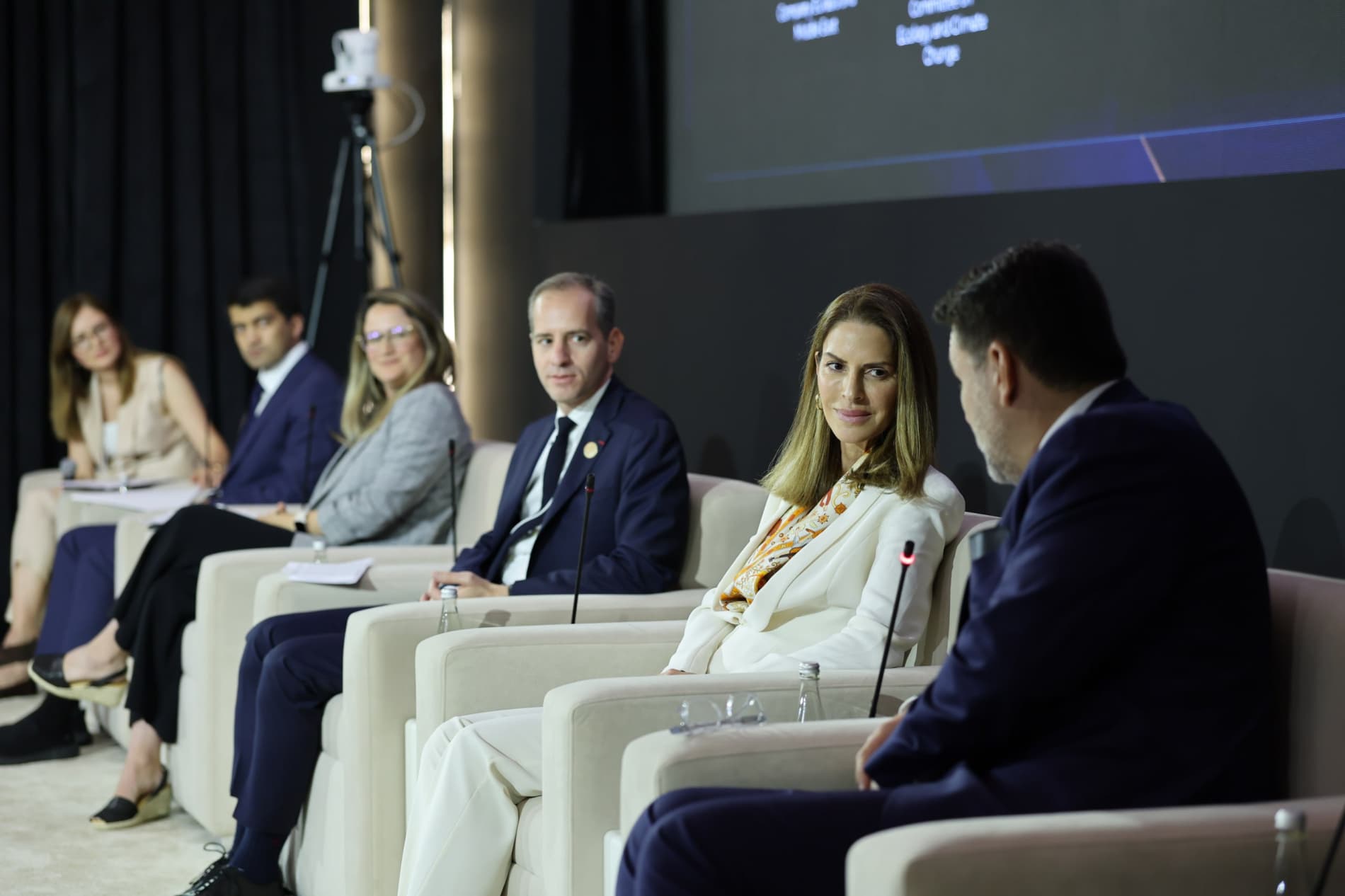
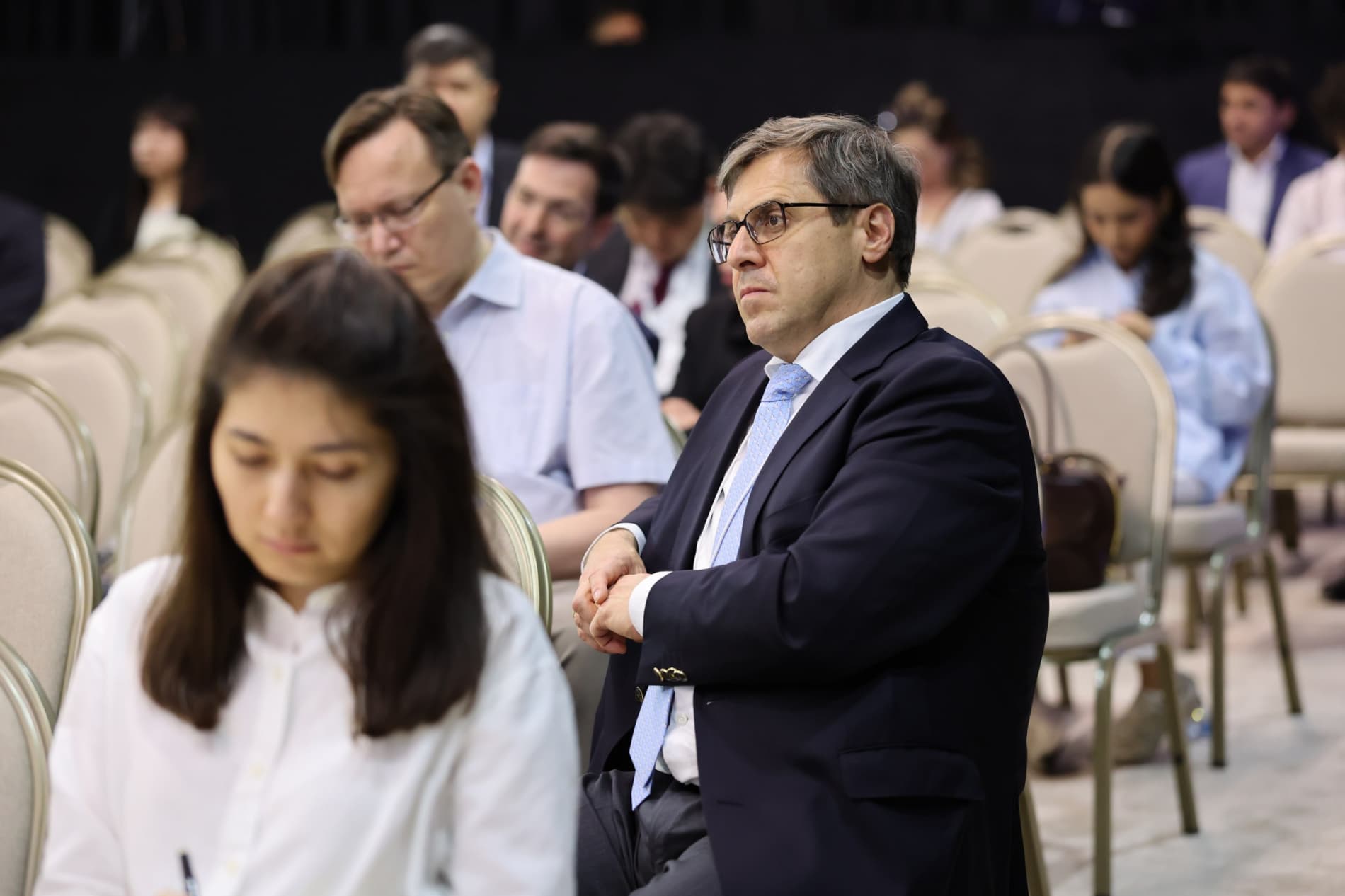
As part of the 5th Tashkent International Investment Forum, a panel session titled “Circular Economy in Uzbekistan: Waste, Water, and Emissions as Catalysts for Sustainable Growth” was held at the initiative of The Coca-Cola Company, bringing together experts, private-sector leaders and government officials to discuss how Uzbekistan can accelerate its transition to a circular economy.
The discussion focused on innovation, responsible resource management, private-sector leadership and greater public engagement. Participants explored practical and strategic approaches to developing closed-loop waste management systems, improving water efficiency and sustainability, and reducing harmful emissions. These priorities are among the key pillars of Uzbekistan’s Environmental Strategy 2030.
The session was moderated by Begüm Yontar Avcı, Senior Director, EME OU Region Sustainability, The Coca-Cola Company.
The panel featured:
- Sharifbek Hasanov - Director of the Waste Management and Circular Economy Development Agency
- Zehra Zeynep Dereli - President, ODAS Group
- Alexandra Scott - President, Global Environment and Technology Foundation (GETF); Managing Director, Project Last Mile and Next Mile Ventures
- Belinda Knox - Managing Director, I-Environment Investments Limited (IEI)
- Sebastien Daziano - Executive Vice President, Multifaceted Performance Strategy, Veolia
- Silvère Delaunay - CEO for Central Asia, the Caucasus and Türkiye, SUEZ
During the discussion, speakers emphasized the critical role of private-sector leadership in implementing circular economy principles. Global leaders in waste management and water services, including SUEZ and Veolia, expressed strong interest in supporting the modernization of Uzbekistan’s environmental and municipal infrastructure.
Sharifbek Hasanov, Director of the Waste Management and Circular Economy Development Agency, outlined the work of the agency, which was established two years ago to coordinate efforts across government institutions and prepare projects for investment through public-private partnership (PPP) mechanisms.
According to Hasanov, the agency, which serves as the sector regulator, has classified 14 major categories of waste and is currently implementing large-scale hazardous waste management projects in cooperation with France’s SUEZ and South Korea’s Vision. With nearly 14 million tonnes of waste generated annually and a shortage of sanitary landfills and waste-sorting culture, Uzbekistan has chosen an initial strategy focused on waste-to-energy solutions and reducing landfill volumes through thermal waste treatment.
Hasanov also noted that, under the direction of the President, Uzbekistan is introducing an Extended Producer Responsibility (EPR) system based on leading European practices. The mechanism will either require producers to pay recycling fees or ensure the recycling of their own waste streams. The funds collected will be used to attract new investors and improve coordination across the sector.
“Around 14 million tonnes of waste are generated in our country every year. Instead of endlessly expanding landfill areas, we must find effective ways to manage and utilize this waste. We aim to adopt Europe’s advanced EPR model, and our ultimate goal is to implement a zero-waste approach,” Hasanov said.
Another speaker, Zehra Zeynep Dereli, President of ODAS Group, identified declining water resources and increasing salinity levels in Uzbekistan’s agricultural regions as a major strategic challenge. She noted that businesses are increasingly viewing water management not only as an environmental responsibility but also as a critical economic issue. As a result, companies are investing in closed-loop water systems that enable water treatment and reuse. ODAS Group, whose operations rely heavily on water resources, has made significant investments in wastewater treatment facilities and is finalizing the installation of a real-time water quality monitoring system.
According to Dereli, the company is also implementing advanced membrane technologies to improve water quality and conducting specialized training programs for local employees to strengthen environmental awareness and sustainability practices.
“Today, businesses are beginning to view this issue not merely as part of an environmental agenda, but as a serious economic factor. If we contribute to the deterioration of water quality in this agricultural region, the resulting decline in the sector will inevitably create wider economic consequences, including across the energy value chain,” said Zehra Zeynep Dereli.
The discussion demonstrated that circular economy principles are increasingly becoming a strategic priority for both the public and private sectors in Uzbekistan. Participants agreed that effective waste management, responsible water use and emissions reduction will play a crucial role in supporting the country’s long-term sustainable growth and environmental resilience.