
Tashkent International Investment Forum Continues with a Dynamic Agenda of High-Level Discussions
2026-06-17 20:00:00 / News

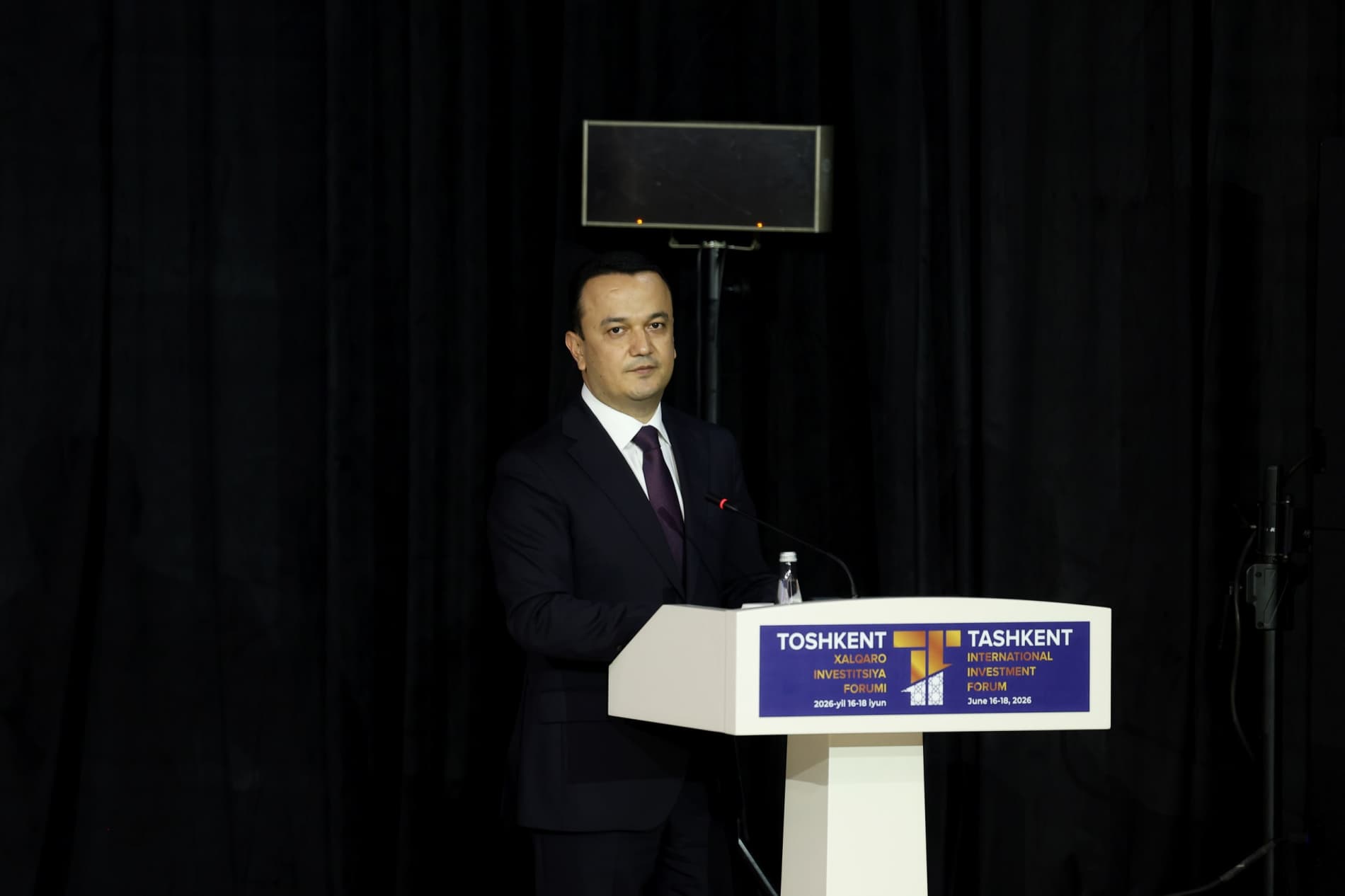


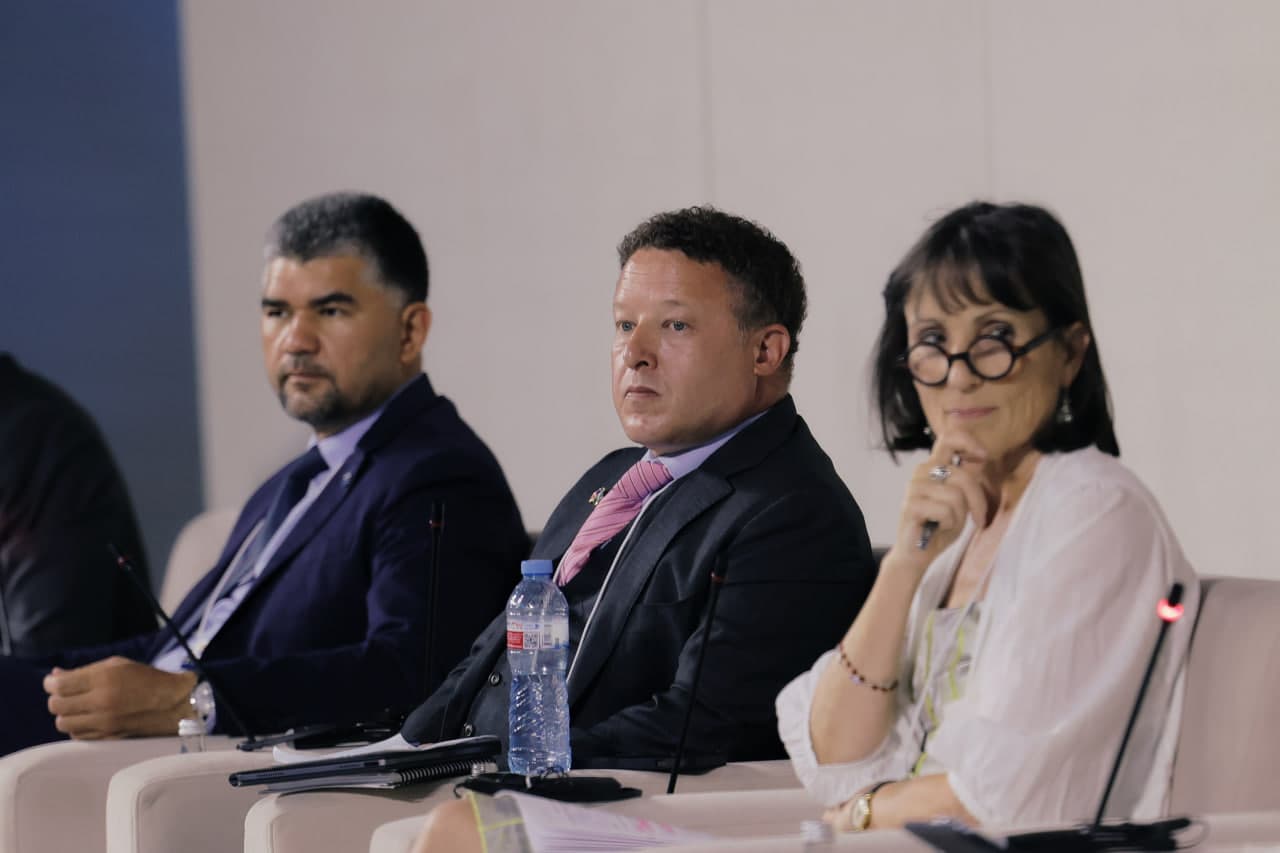
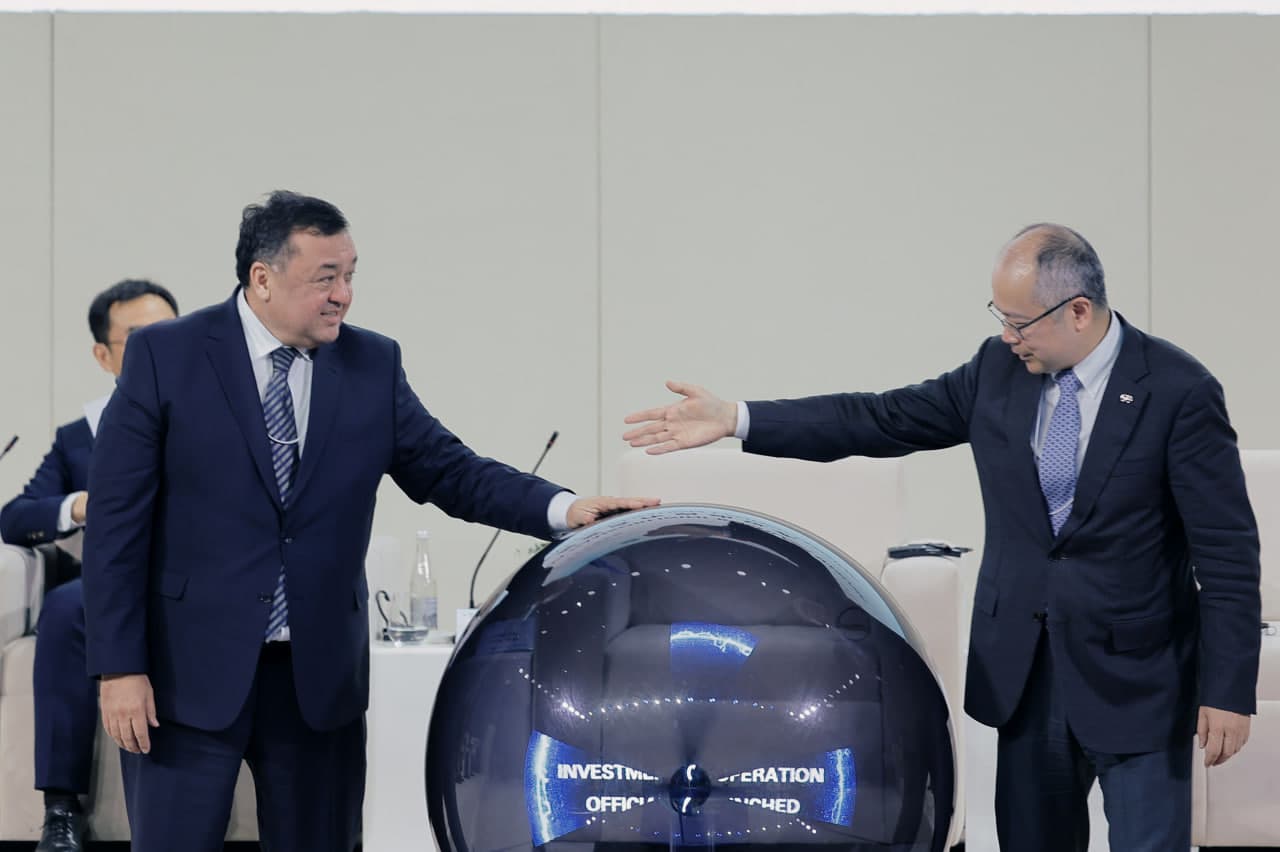


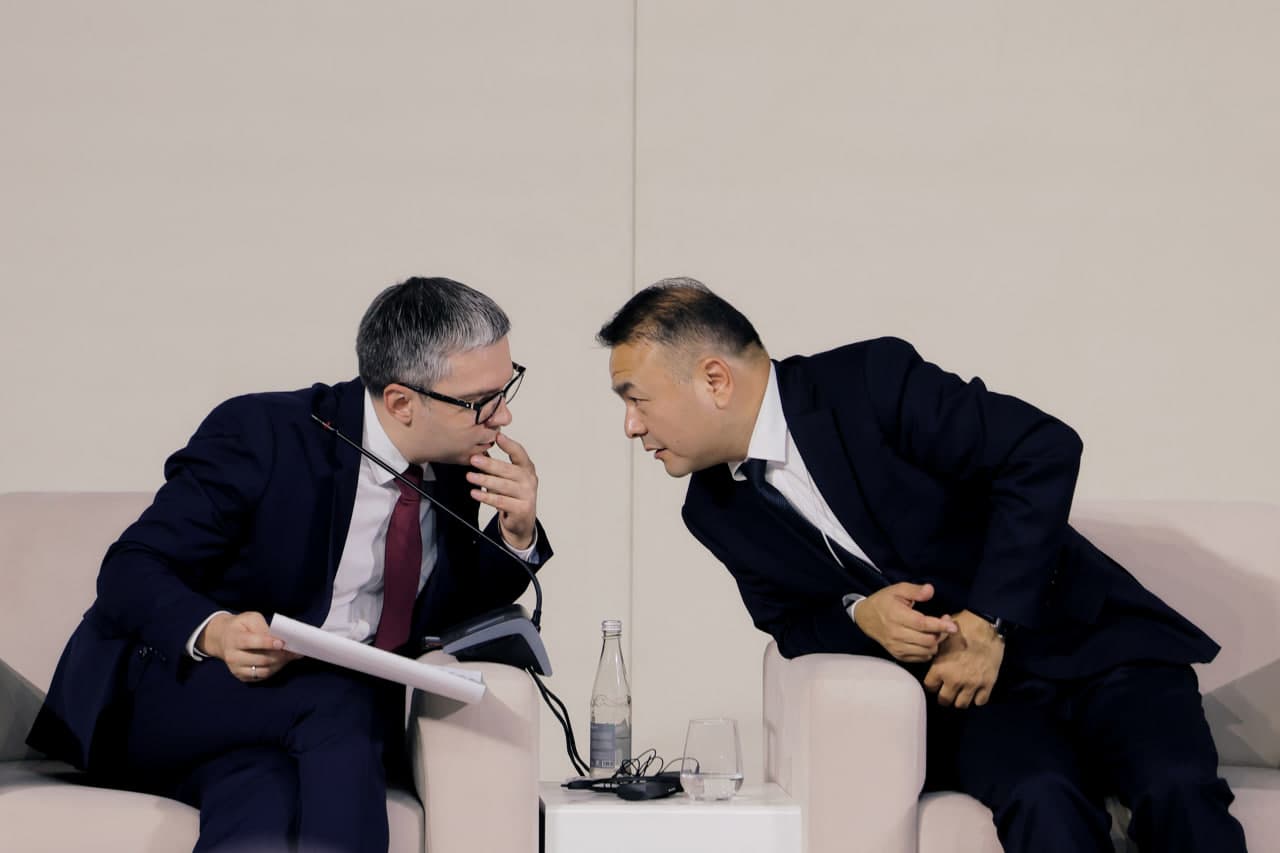
The Tashkent International Investment Forum (TIIF) continued its program of high-level events on June 17, bringing together government officials, business leaders, investors, and international experts to discuss key issues shaping the global and regional economic landscape.
Organized by the Ministry of Investment, Industry and Trade of the Republic of Uzbekistan, the Forum featured a series of business forums, panel discussions, and thematic sessions focused on investment, trade, infrastructure, industrial cooperation, and sustainable economic development.
The day began with the Forum’s plenary session, attended by the President of the Republic of Uzbekistan, Shavkat Mirziyoyev, who delivered a keynote address outlining the country’s economic achievements and future development priorities. Bringing together more than 10,000 delegates and participants from over 100 countries, the Forum once again demonstrated its growing international significance and reflected the increasing confidence of the global business community in the reforms being implemented in New Uzbekistan.
In his remarks, President Mirziyoyev highlighted the country’s strong economic performance. Uzbekistan’s economy expanded by 7.7 percent last year, while GDP is expected to exceed $180 billion in 2025. The volume of attracted investment reached $43 billion, and over the past several years the country has attracted more than $150 billion in foreign investment, including $123 billion within the last five years alone. Following the plenary session, the Forum’s extensive agenda continued with a series of thematic events dedicated to strengthening international economic cooperation.
One of the key events was the Uzbek–German Political and Economic Dialogue, which focused on further deepening the strategic economic partnership between the two countries. Discussions centered on expanding bilateral investment, promoting joint projects in the mining and critical minerals sectors, and strengthening cooperation in engineering, chemicals, and pharmaceuticals.
The dialogue reaffirmed the steady development of Uzbek–German relations and highlighted new opportunities for collaboration in priority areas, including investment, industrial cooperation, human capital development, digital technologies, logistics, and transport infrastructure. Participants expressed their commitment to increasing trade and investment flows, expanding the portfolio of joint projects, and fostering long-term economic cooperation.
Another important event was the Uzbek–Azerbaijani Business Forum, which brought together representatives of government institutions, special economic zones, development organizations, and the private sector. Participants explored opportunities for industrial cooperation, discussed investment prospects, and reviewed mechanisms for implementing joint projects.
The forum underscored the growing potential for economic partnership between Uzbekistan and Azerbaijan across a range of sectors, including industry, logistics, tourism, and investment promotion. Speakers emphasized that close cooperation between business communities, economic zones, and government institutions is creating favorable conditions for new investment projects, technology transfer, and stronger bilateral economic ties.
One of the Forum’s most strategically significant discussions focused on the future of critical minerals and responsible resource management. During the panel session titled “Critical Minerals and Resource Diplomacy: Responsible Supply Chains,” experts examined practical approaches to strengthening international cooperation in the critical minerals sector. Discussions addressed the importance of data transparency, regulatory improvements, and the adoption of international standards to ensure sustainable and resilient supply chains.
The future of global transport and logistics infrastructure was another central topic of discussion during the panel session “Middle Corridor: Capacity, Complementarity, and the Economics of New Trade Routes.” Participants noted that the Middle Corridor is rapidly emerging as one of the most important trade and transport routes connecting Asia and Europe. According to experts, future growth will depend not only on infrastructure investments but also on digital transformation, regulatory harmonization, institutional cooperation, and the development of logistics ecosystems capable of generating long-term economic value.
A separate panel discussion, titled “The Transformation of Trade Relations and Supply Chain Geography: What Role Will Central Asia Play in the New Global Architecture?”, focused on the opportunities created by shifts in global trade patterns and supply chains. Experts highlighted that Uzbekistan’s strategic location, ongoing economic reforms, expanding logistics capabilities, and competitive human capital position the country as an increasingly important participant in these global transformations and a new driver of regional economic growth.
The Forum also featured a special session titled “TIFC Through the Eyes of the World: The Global Vision of Financial Centre Leaders and Investors,” which explored international perspectives on the creation of the Tashkent International Financial Centre (TIFC).
Participants noted that the initiative has attracted considerable attention from international investors and financial experts. They emphasized that the establishment of a robust legal framework, modern regulatory institutions, and governance mechanisms designed to enhance investor confidence will provide a strong foundation for Tashkent to emerge as a leading financial hub not only in Central Asia but across the broader Eurasian region.
As discussions continue, the Tashkent International Investment Forum remains a key platform for promoting international dialogue, strengthening economic partnerships, and identifying new opportunities for sustainable growth and investment cooperation.
Another major panel session, titled “Energy Transformation: Renewable Energy, Nuclear Power, and Hydrogen in Central Asia,” focused on the future of regional energy security and sustainable development. Participants explored modern financing mechanisms for energy transition projects, including the structure of long-term Power Purchase Agreements (PPAs), which play a critical role in attracting private and foreign investment. Discussions also addressed measures to enhance the bankability of large-scale energy projects for international financial institutions, as well as the modernization of regional power transmission networks to support a more resilient and interconnected energy system.
A high-level panel session entitled “EU–Central Asia Strategic Partnership in Investment, Trade, and Sustainable Infrastructure Development” examined opportunities to deepen economic cooperation between the European Union and Central Asia. The discussion focused on promoting sustainable growth, strengthening regional connectivity, and expanding investment partnerships. Participants reviewed practical approaches to removing regulatory barriers, addressing financing gaps, meeting infrastructure needs, and enhancing investor protection. Representatives of the European Investment Bank (EIB) and the European Bank for Reconstruction and Development (EBRD) reaffirmed their commitment to increasing direct financing for major infrastructure and renewable energy projects across the region.
The Forum also featured a special pitch session, “Agribusiness and Food Security: Technology, Value Chains, and Export Growth,” dedicated to investment opportunities in agriculture and the agro-industrial sector. During the session, participants were presented with a portfolio of major agricultural projects in Uzbekistan in both B2B and B2C formats, highlighting the country’s growing potential in modern agricultural production, food processing, and export-oriented value chains.
Another special pitch session, “Expanding Production: Value-Added Manufacturing and Export Competitiveness,” served as a platform for practical dialogue between international and domestic business leaders, executives of major manufacturing enterprises, and investors. The session focused on strengthening the export potential of Uzbekistan’s economy and accelerating industrial modernization in line with international standards. Participants discussed strategies for enhancing investment attractiveness, expanding the production of globally competitive goods, and entering new export markets. Presentations of investment projects provided opportunities for direct engagement with potential investors and laid the groundwork for future partnerships and commercial agreements.