EU-Central Asia Strategic Partnership in Investment, Trade, and Sustainable Infrastructure Development
2026-06-17 15:25:00 / News


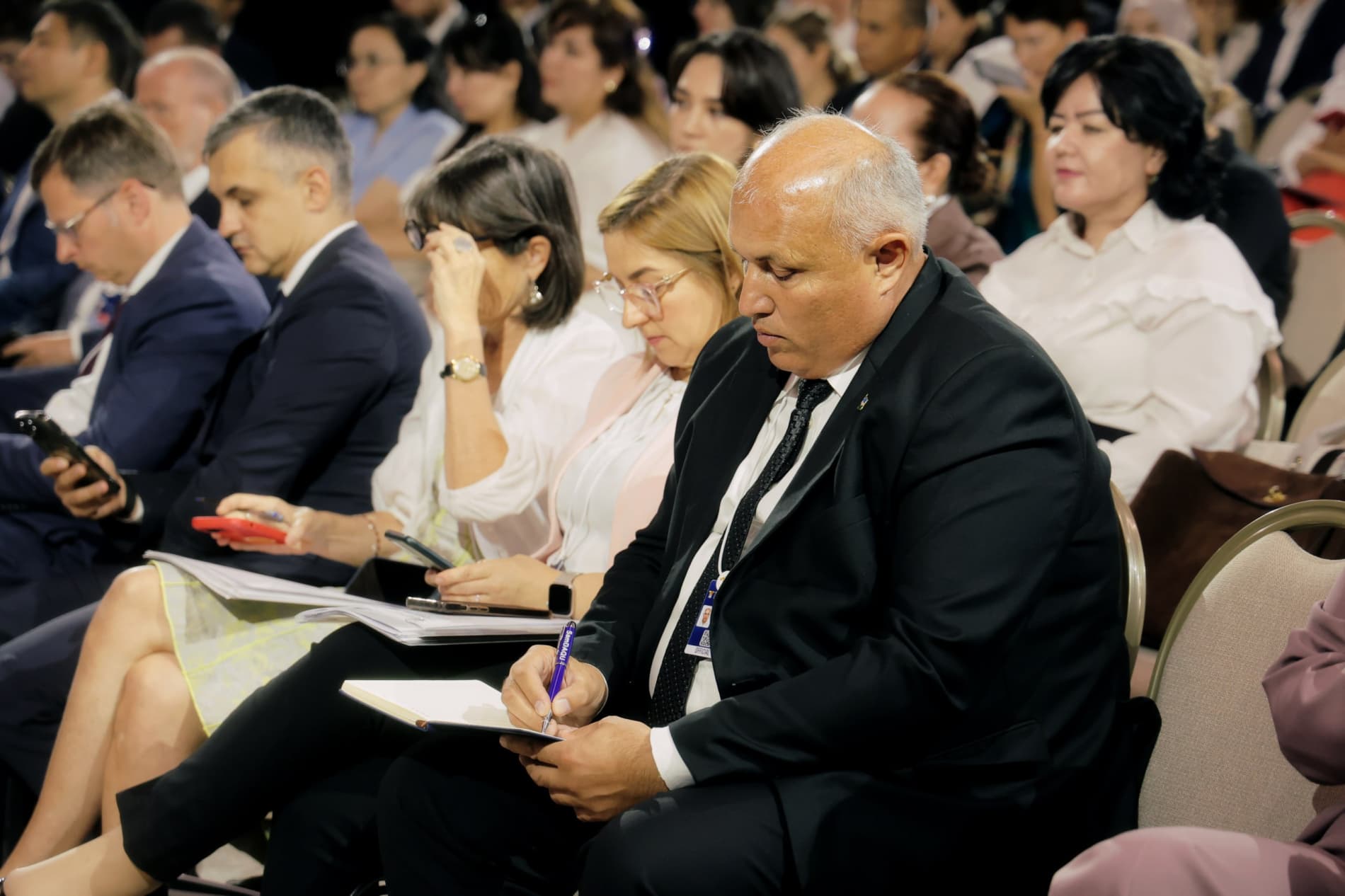


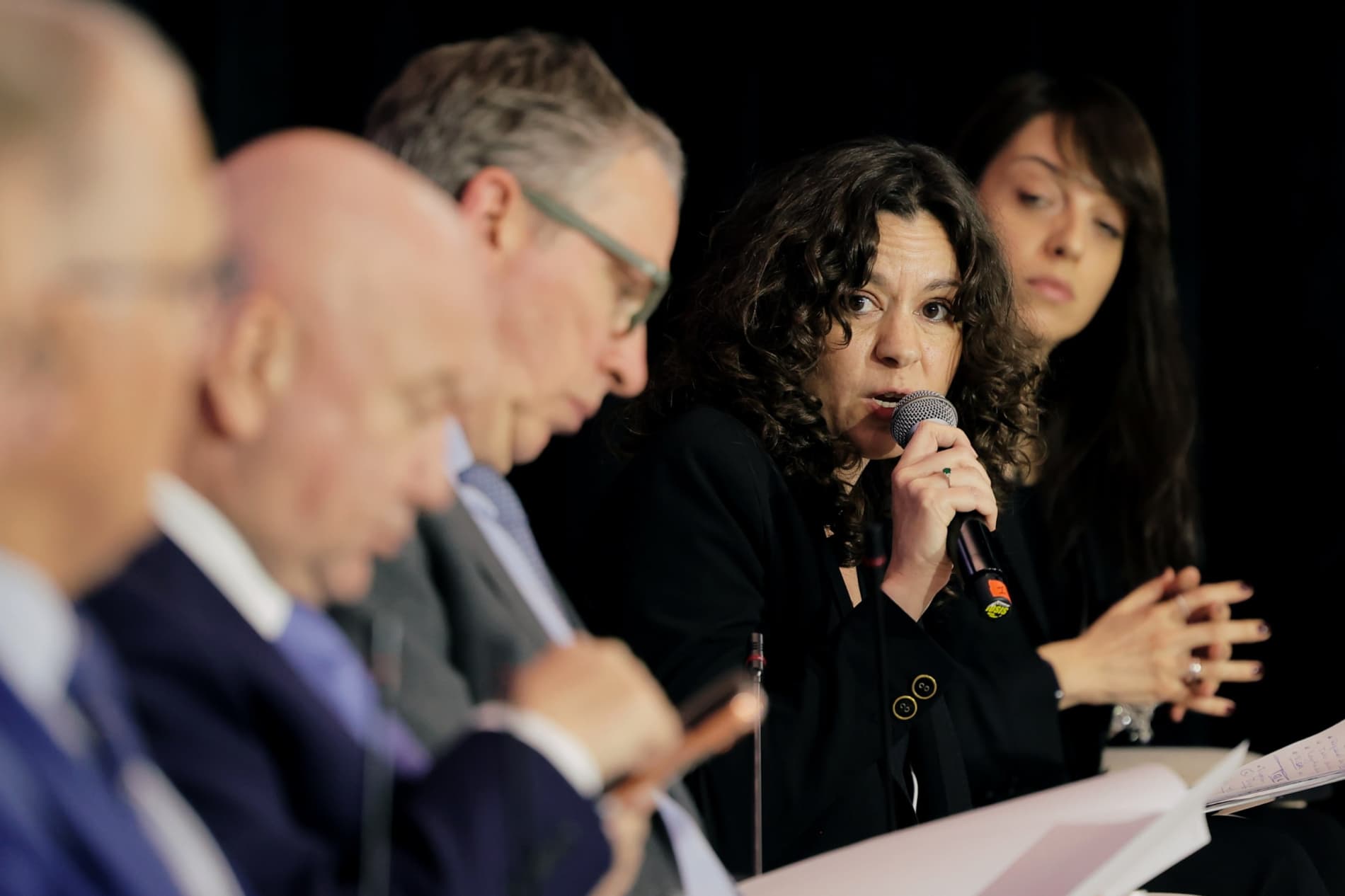


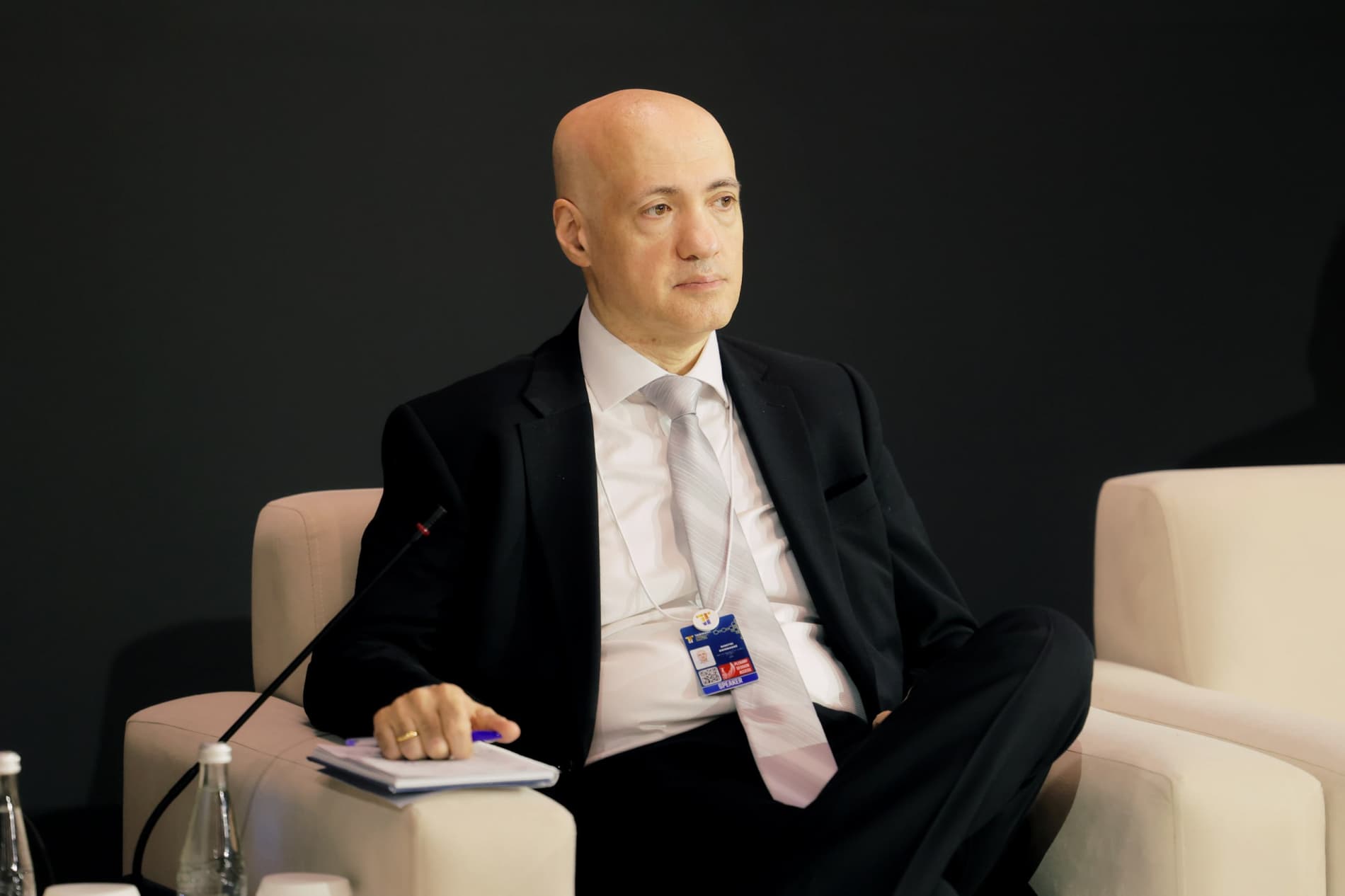
On the first day of the 5th Tashkent International Investment Forum, a high-level panel session titled “EU-Central Asia Strategic Partnership for Investment, Trade, and Sustainable Infrastructure Development” was held, aimed at elevating economic ties between the European Union and Central Asia to a new level.
This event was organized to intensify economic cooperation between the EU and the Central Asian region, stimulate sustainable growth, and accelerate connectivity and investment cooperation. During the session, mechanisms for eliminating regulatory barriers, filling financial gaps, meeting infrastructure needs, and protecting investor rights were actively discussed. Special attention was also paid to the introduction of green technologies and the establishment of coordinated actions by the parties to increase trade integration.
The session, which brought together international politicians, heads of influential international financial institutions, and representatives of large companies, was moderated by the Chairman of Euronews, Pedro Vargas David.
Former President of Croatia Kolinda Grabar Kitarović first shared her personal impressions of Tashkent and Uzbekistan as a whole. He noted that although he arrived in the country without any exaggerated ideas, he was very impressed by the rapid development processes, especially since the policy of openness began in 2017. The speaker noted that the strategic partnership between the European Union and Central Asia today plays a decisive role in protecting the sovereignty and independent path of development of states in the context of a fragmented world, along with mutual trade, investment and job creation. For many years, external experts considered the region merely a transit bridge connecting Europe and Asia, but today Central Asia has become an absolutely independent force with its political weight, demographic and youth resources, and enormous economic and energy potential.
According to him, due to geopolitical crises and disruptions in transport chains, finding stable logistics and reliable energy partners has become a vital necessity for Europe. In this regard, raising relations to a truly strategic level requires political trust, economic complementarity, and common security interests. Europe should come to the region with high standards and a readiness to invest, not with moralizing. In turn, Central Asian countries must position themselves as indispensable partners by protecting investor rights, combating corruption, and preparing financially attractive projects. Connectivity projects, such as the Trans-Caspian route, should not be limited to cargo transportation; they must create added value within the region, support local businesses, and create new jobs.
The Speaker expressed full support for the multi-vector foreign policy of the Central Asian states. According to him, in today's world, no country wants to be dependent only on one market, one supplier, or one political center. The European Union must respect this strategic choice, not demanding that the region be on one side, but, on the contrary, promoting the expansion of its alternative options.
“Strategic partnership is not built by simply signing one document or holding one summit." It will be created only when political will turns into investments, investments into infrastructure, and this infrastructure serves to improve people's lives. If we can combine mutual trust, practical investment, and respect for each other's strategic interests, this partnership will become one of the strongest pillars of sustainable ties between Europe and Asia,” said Kolinda Grabar Kitarović.
Also, according to the Special Representative of the European Union for Central Asia, Eduards Stiprais, investments, connectivity, and sustainable infrastructure form the central axis of the steadily developing partnership between the European Union and Central Asia.
According to the Special Representative, today the European Union is the second largest trade and investment partner in Central Asia, and the interest of the parties in close and systematic cooperation is growing equally. The European Union also provides comprehensive support to the processes of accession of Uzbekistan and Turkmenistan to the World Trade Organization (WTO).
The speaker noted that the EU's activities in the region are based on the principles of equal partnership, mutual respect and common interests, and cooperation must bring clear and tangible benefits to citizens and business representatives.
“We strive to attract investments that will ensure sustainable economic growth and develop connectivity that will strengthen stability, prosperity, and resilience in our common region." Together, we can further strengthen the bonds between the European Union and Central Asia, unlock new opportunities for trade and investment, and work effectively toward a more prosperous and interconnected future for our peoples,” says Eduards Stiprais.
At the same time, Marek Mora, Vice President of the European Investment Bank, who spoke at the event, noted that cooperation between the European Union and Central Asia is gaining new strategic importance amid global crises
As a major practical innovation in relations, the opening of the Regional Office of the European Investment Bank for Central Asia in Tashkent was announced today. This step strengthens the bank's long-term commitments in the region and allows it to work directly with partners and clients.
“The opening of the European Investment Bank's regional office for Central Asia here tonight in Tashkent will mark a significant turning point in the history of our relations." Our task is not limited to the allocation of financial resources. We will pay special attention to supporting the preparation of high-quality projects, mobilizing private capital, and ensuring that investments fully meet the highest standards,” the bank representative concluded.
The Minister of International Economic Cooperation of the Republic of Serbia, Nenad Popović, considers Central Asia's massive $500 billion market, with a population of 80 million and an annual economic growth rate of over 5 percent, to be a strategic partner for Europe. In this regard, Serbia is ready to serve as an important hub in the logistics chain of the "Middle Corridor" (Trans-Caspian route), which connects China and Central Asia with Europe. In particular, the launch of a high-speed railway line from Belgrade to Budapest this year and its extension southward with EU support by 2032 will create the shortest and fastest land corridor from Central Asia to Europe.
“Such a huge market with a population of nearly 80 million people, a GDP growing at a rate of more than 5 percent per year, and a total volume exceeding 500 billion dollars will never become distant or alien." Our geopolitical and economic position can serve as a kind of reliable bridge between different regions, not only in terms of trade and investment but also in the exchange of knowledge, advanced technologies, and joint projects,” the minister said.
In their speeches, the speakers of the session noted the invaluable role of international financial institutions in increasing the cross-border and transport-logistics potential of Central Asia. Representatives of the European Investment Bank (EIB) and the European Bank for Reconstruction and Development (EBRD) expressed their readiness to further expand the volume of direct financing for major infrastructure and green energy projects in the region.
Following the discussions, it was recognized that the expansion of transport corridors (in particular, the Trans-Caspian Transport Corridor) through the development of sustainable infrastructure is the main factor in reducing the time of trade turnover between Europe and Central Asia and bringing mutual trade to a new record level.