
Energy Transition: Renewables, Nuclear and Hydrogen in Central Asia
2026-06-17 11:35:00 / News

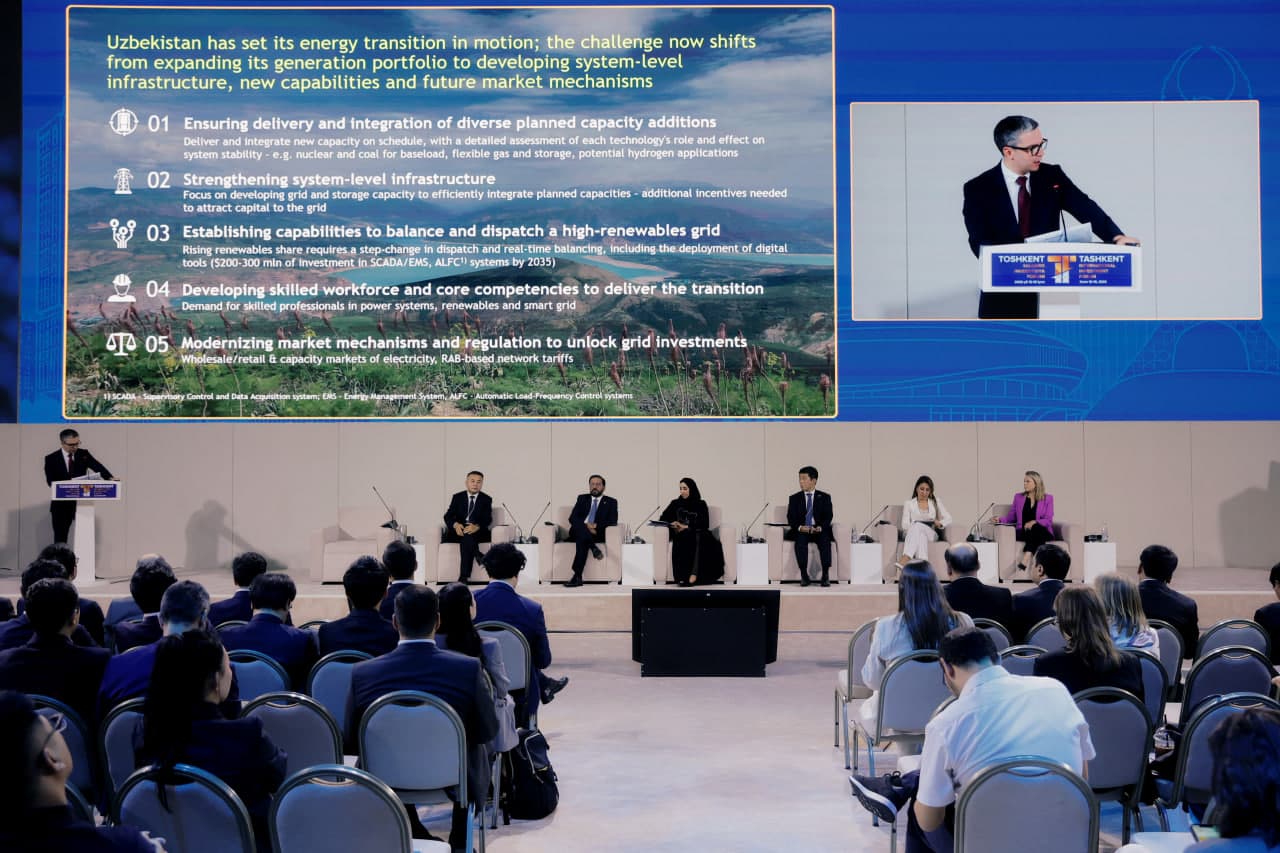


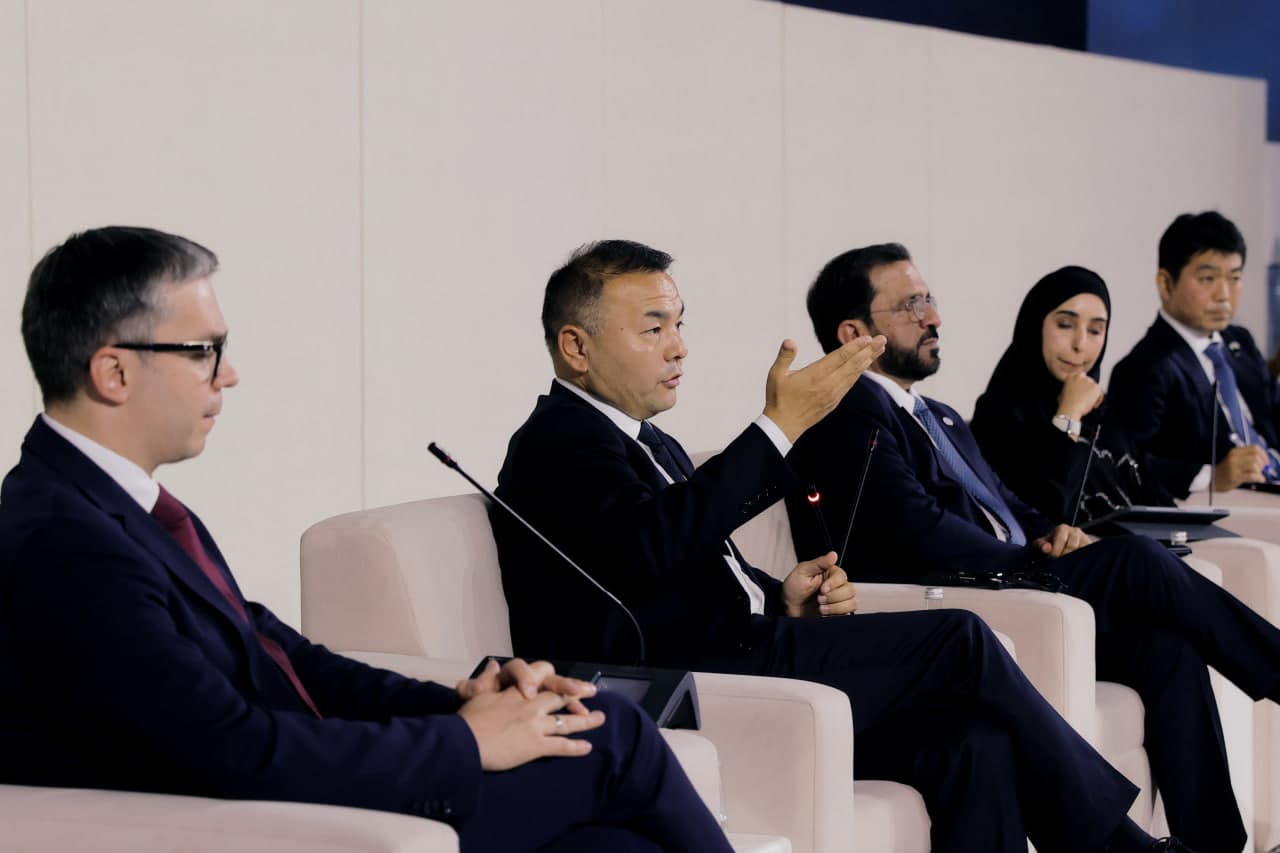



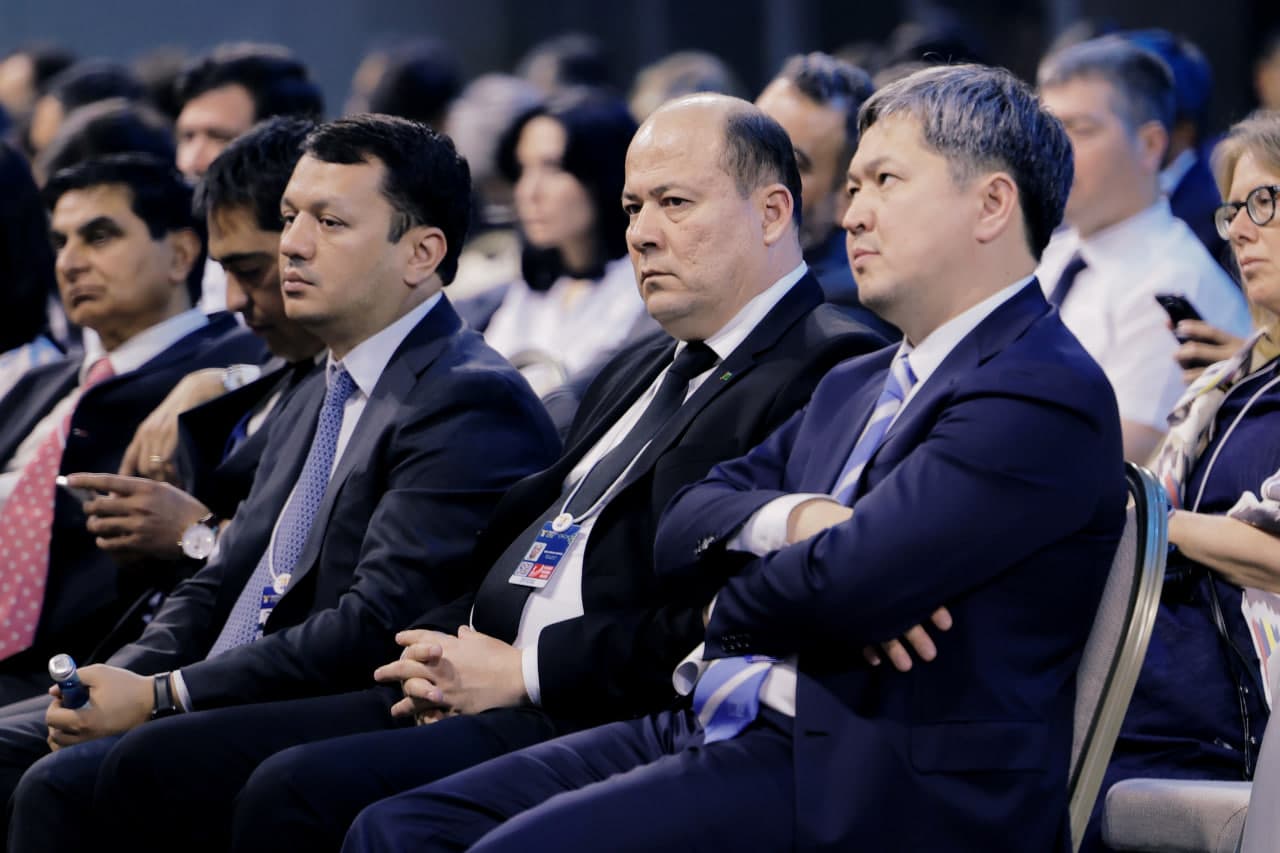

Within the framework of the Tashkent International Investment Forum, a major panel session was held on the topic "Energy Transition: Renewables, Nuclear and Hydrogen in Central Asia," dedicated to the region's future energy security and sustainable development.
As noted at the event, Uzbekistan and countries of the region have set an ambitious strategic objective of increasing the share of renewable energy sources in the total energy balance to 40 percent by 2030.
During the session, participants actively discussed modern mechanisms for financing this large-scale energy transformation. In particular, the structure of long-term Power Purchase Agreements (PPAs), which play a crucial role in attracting private and foreign capital, guarantees of bankability for major projects for international financial institutions, and issues related to the modernization of regional power grids were examined in detail.
The dialogue platform served as a strategic venue for advancing the technologically and financially sustainable implementation of the energy transition in line with international standards.
The session featured the participation of the following prominent state officials, international experts, and executives of major energy corporations:
- Igor Alekseev — Managing Director and Partner at Boston Consulting Group (BCG) (Moderator)
- Jurabek Mirzamahmudov — Minister of Energy of the Republic of Uzbekistan
- Maryam Almazrouie Rashed — Head of Business Development for the CIS region at Masdar
- Dr. Samir Serhan — CEO of ACWA Power
- Sule Kilic — Director for Türkiye, Caucasus, Central Asia, and Mongolia, and Head of Eurasia Energy at the European Bank for Reconstruction and Development (EBRD)
- Wang Hongzhi — Head of the State Energy Administration of China
- Sama Bilbao y León — Director General of the World Nuclear Association (WNA)
- Takefumi Nishikawa — Executive Officer and Chief Operating Officer (COO) of the Energy Solutions and Public Infrastructure Department at Sojitz Corporation
Speaking at the session, Deputy Minister of Energy of Uzbekistan Umid Mamadaminov noted that billions of dollars in foreign direct investment have been attracted to the country’s energy sector in recent years, alongside the creation of significant renewable energy capacities. According to him, the main and most complex task over the next 6–10 years will be the development of flexible power grids capable of safely integrating variable renewable energy sources into a unified power system, taking into account the intermittent nature of solar and wind power generation.
To achieve this strategic objective, the Ministry has identified four priority areas to be implemented over the next 8–10 years.
First and foremost, the construction of new high-voltage transmission lines and the modernization of distribution systems are required to ensure the uninterrupted delivery of generated electricity to consumption centres.
Secondly, to rapidly balance grid loads, it will be necessary to establish reserve capacities through battery energy storage systems (BESS), combined-cycle gas turbine (CCGT) plants, and pumped-storage hydropower stations (PSH).
The third key direction is the acceleration of digitalization processes, the effective management of wind and solar power plants, the introduction of advanced forecasting systems, and the application of artificial intelligence technologies for processing emerging large data streams (Big Data).
The fourth direction focuses on regional integration and cooperation with neighbouring countries. At present, practical cooperation is being implemented with Central Asian countries within the framework of the World Bank’s REMIT and the Asian Development Bank’s balancing market initiatives, as well as active work on the strategic “Green Corridor” project aimed at exporting electricity from the region to Europe via subsea cables.
“Today, the primary focus should not only be on creating new megawatts, i.e., generating capacities, but also on developing robust power grids that ensure the stable and safe operation of the system,” the Deputy Minister stated.