Major International Investment Forum in Tashkent (first day)
2026-06-16 21:05:00 / News

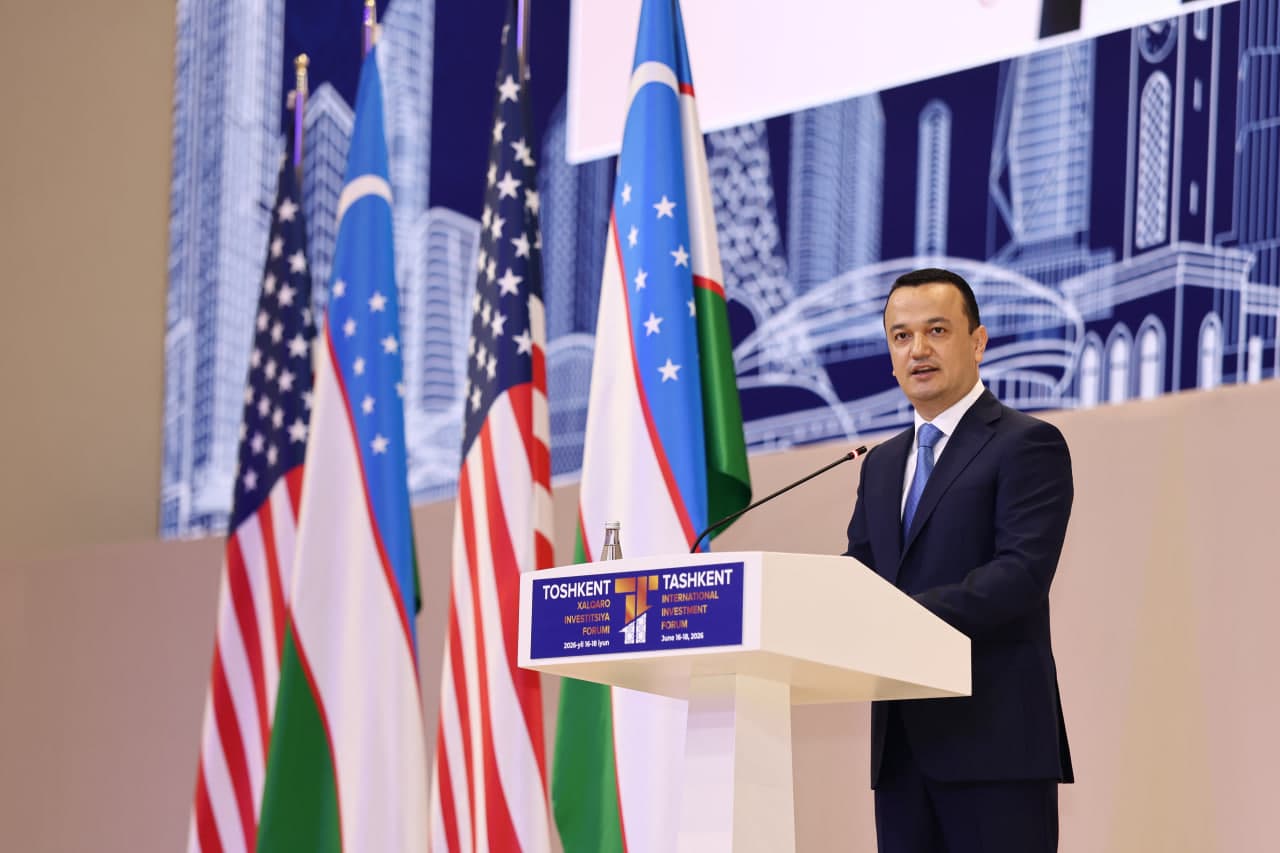


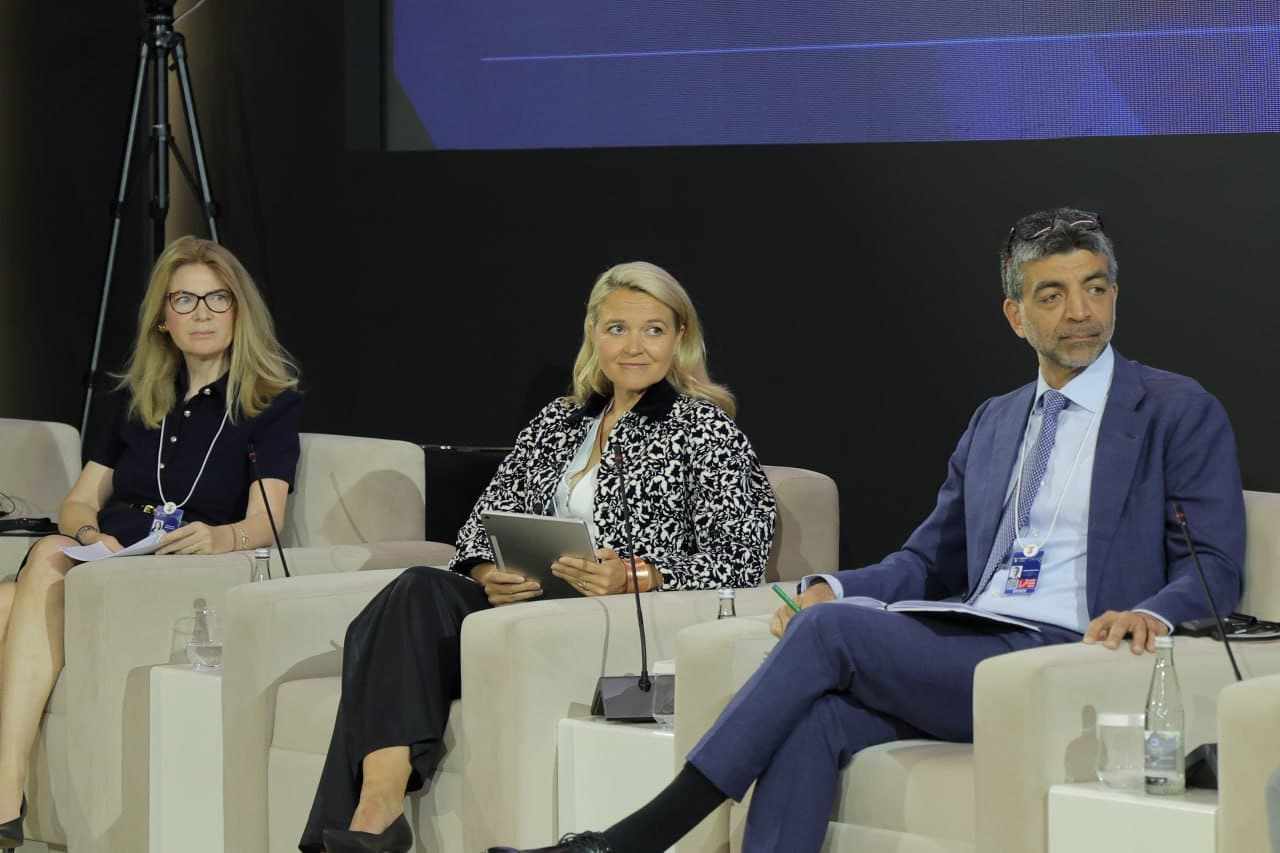



A number of significant events took place on the first day of the 5th Tashkent International Investment Forum, organized under the coordination of the Ministry of Investments, Industry and Trade. This prestigious event has already managed to break all records: more than 8,300 delegates from 100 countries registered to participate. The combined assets of the participating companies amounted to $42 trillion, equivalent to 38 percent of global gross domestic product (GDP). The attendance of executives from leading global giants such as BlackRock, JPMorgan Chase, Visa, Masdar, Airbus, and Meta clearly demonstrated the scale of the event.
For the first time in its history, the anniversary edition of the International Investment Forum began with a major tennis tournament. Held on June 15 at the courts of the Olympic Village, the tournament brought together 20 participants comprising executives of the largest domestic and international companies. Representatives of global giants including Rothschild & Co, BlackRock, International Hospitals Group, Nordic Star Law Offices, and Acwa took part in the competition, alongside top managers from Uzbekistan’s leading organizations — O‘zKTM, Kapital.uz, Clinics.uz, Centil Law Firm, and Ipak Yuli Bank.
The events of June 16 opened with an exhibition showcasing Uzbekistan’s industrial and investment potential. Covering approximately 6,000 square meters, the exhibition presented investment opportunities and flagship projects in more than ten key sectors of the national economy, including petrochemicals, retail trade, machinery manufacturing, electrical equipment, construction materials, metallurgy, pharmaceuticals, food production, and other priority industries. The exhibition became a specialized platform for demonstrating Uzbekistan’s industrial capabilities, fostering business dialogue, and facilitating cooperation among government agencies, international investors, and leading companies.
Important strategic sessions dedicated to attracting foreign capital, regional economic integration, and financing major joint projects were held within the framework of the Uzbekistan–China and Shanghai Cooperation Organization (SCO) Countries Business Forum. This prestigious event served as an important informational and practical platform for dialogue aimed at deepening regional economic cooperation, particularly by elevating long-term partnerships with leading Chinese companies and financial institutions to a new level.
Macroeconomic stability and the results of Uzbekistan’s consistent reform agenda were at the center of discussions throughout the session. According to representatives of the Government of the Republic of Uzbekistan, the country’s GDP increased significantly and reached $147 billion by the end of 2025. Speakers noted that sustainable economic development in the region directly depends on the effectiveness of mutual cooperation, highlighting that more than 5,600 joint ventures involving Chinese capital are successfully operating in Uzbekistan and that bilateral trade turnover reached nearly $18 billion last year. Officials also emphasized the significant potential to increase this figure to $21 billion this year, noting that all tax and customs incentives are guaranteed for investors.
This strategic business forum once again confirmed that Uzbekistan–China relations have moved beyond traditional trade exchange and entered a stage of advanced technological cooperation and deep financial integration.
The major economic event dedicated to developing the country’s investment potential — the USA––Uzbekistan Business Forum — focused on elevating bilateral trade and economic relations to a new level, expanding investment cooperation in strategically important sectors, and creating new jobs.
Another important component of the forum program was a special panel discussion titled “Critical Minerals and Advanced Technologies: The Foundation of Future Industrial Development.” During the session, executives of global corporations in technology, financial services, agricultural machinery, and aviation exchanged views on promising projects in Uzbekistan, the introduction of technological solutions, and long-term industrial development.
Peter Flanagan, Senior Vice President of FLSmidth, emphasized that the mining industry is one of the key drivers of Uzbekistan’s economic development, international cooperation, and national prosperity. He also highlighted that the country’s rapid modernization and industrial development are creating new opportunities and attracting international partners from around the world, citing the launch of the MOF-3 copper processing complex at Almalyk MMC as an example.
Within the framework of the forum, documents were signed in the fields of industry, oil and gas, finance, aviation, geological exploration, satellite communications, and digital infrastructure development.
The Turkey––Uzbekistan Business Forum, dedicated to further strengthening trade, economic, and investment cooperation between Uzbekistan and Türkiye, was also held.
Today, more than 2,000 enterprises with Turkish capital operate in Uzbekistan, placing Türkiye among the country’s leading investment partners. It was particularly noted that Türkiye possesses extensive experience in the agricultural sector. Therefore, Deputy Prime Minister of the Republic of Uzbekistan and Minister of Economy and Finance Jamshid Kuchkarov called on Turkish companies to cooperate with Uzbekistan in this field.
Following the forum, a number of agreements aimed at expanding cooperation in key sectors of the economy, including industry, foreign trade, and manufacturing, were reached and relevant documents were signed.
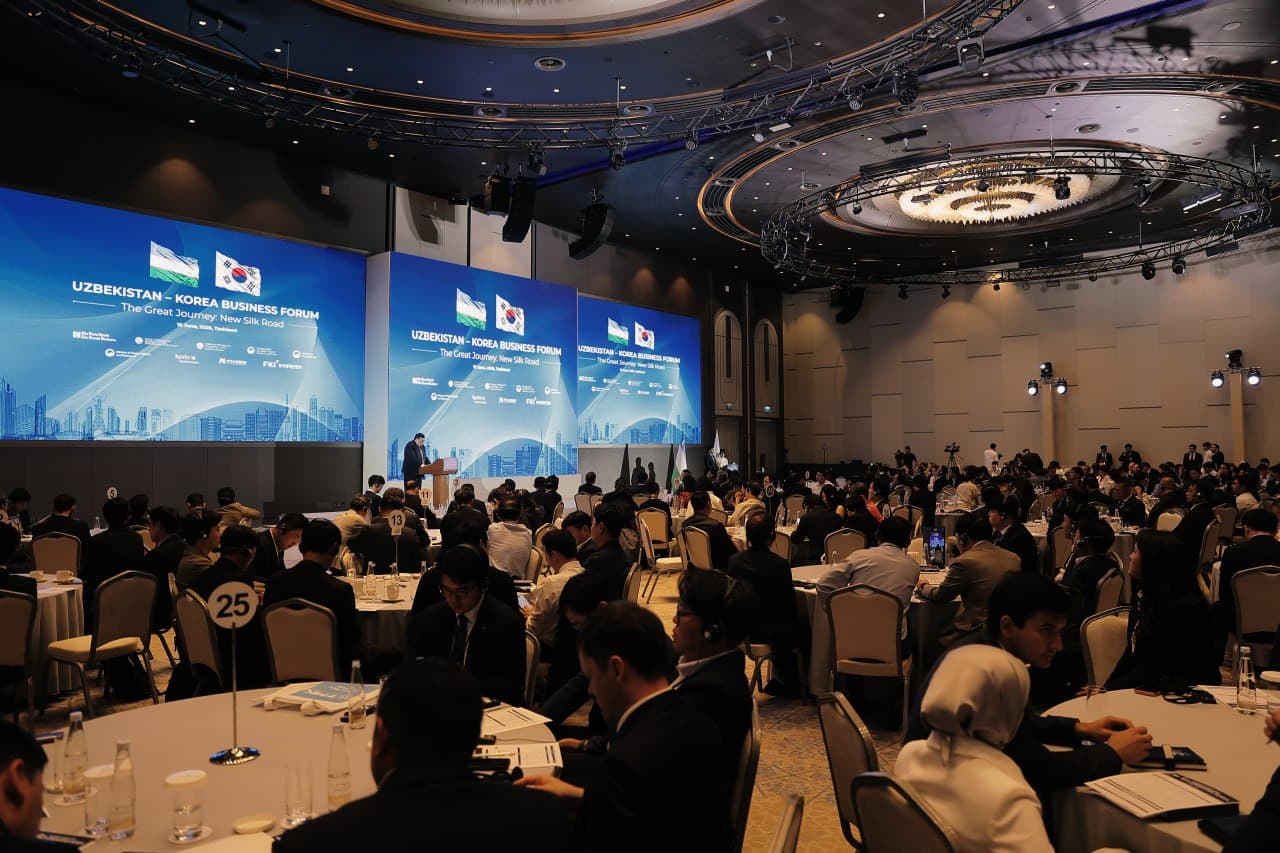
The Uzbekistan–Korea Business Forum was dedicated to further strengthening cooperation between the Republic of Uzbekistan and the Republic of Korea in the fields of trade, investment, and industrial cooperation.
The business forum served as an important platform for further strengthening the strategic partnership between the two countries, increasing mutual investment volumes, expanding industrial cooperation, and implementing new promising projects. The agreements reached and documents signed following the forum will contribute to elevating practical cooperation between Uzbekistan and the Republic of Korea to a new level.
The strategic session of the Regional Alliance of Investment Councils of Central Asia and the Caucasus (RAIC-CAC) focused on deepening regional economic integration and transforming investment councils from purely national dialogue platforms into practical instruments for coordinating regional policies and promoting cross-border projects.
This strategic session clearly demonstrated the aspirations of regional countries to join forces and create a unified and attractive economic space rather than engage in intense competition with one another. Investment councils are no longer merely centers for dialogue and consultation, but are becoming major driving forces that actively facilitate regional integration, large-scale cross-border projects, and sustainable economic growth. The launch of the Regional Alliance of Investment Councils of Central Asia and the Caucasus (RAIC-CAC), along with practical initiatives advanced among participating states, creates a solid foundation for transforming these regions into a more open, reliable, and promising market for global investors.
Leading international experts, executives of major airlines, and heads of investment funds participated in the panel session titled “New Silk Road Takes Flight” Participants noted that Uzbekistan and Central Asia as a whole are currently at a unique historical turning point. Here, geographical location, the demands of the times, economic activity, and geopolitical developments are converging to open entirely new and significant opportunities for the region.
Reflecting on the positive indicators and tangible results of economic reforms, representatives of the Ministry of Investments, Industry and Trade of the Republic of Uzbekistan, the organizer of the forum, emphasized that the event served not only as a platform for reviewing achievements but also as an open dialogue venue for implementing new strategically significant projects with international partners. Ministry representatives particularly noted that the introduction of public-private partnership mechanisms in aviation and logistics based on international standards would provide reliable guarantees for foreign investors.
The panel discussion titled “Creative Industries & Cultural Economy: An Emerging Investment Class” focused on transforming culture and creativity into full-fledged investment assets capable of attracting private capital and ensuring sustainable economic growth. Experts discussed public-private partnership mechanisms, prospects for the development of creative industries, regional growth strategies, as well as the structural reforms necessary to transform Uzbekistan into the region’s leading creative, cultural, and innovation hub.
As emphasized during the discussion, the combination of cultural heritage, contemporary creative practices, and institutional reforms opens significant opportunities for Uzbekistan to attract investment, develop its regions, and build a sustainable economy.
The panel session “Islamic Finance and Sukuk Markets: Channeling Gulf Capital into Emerging Economies” focused on mechanisms for attracting investment from foreign investors, particularly from Gulf countries, establishing Islamic finance infrastructure in the region, and recent legislative developments in the sector. At the conclusion of the event, experts stated that expanding foreign investment participation in accordance with international standards and aligning the legislative framework for Islamic finance with practical implementation would provide an important foundation for the country’s sustainable economic development.
The editorial team will continue to monitor the dynamics of cooperation between regulators and international financial institutions while covering these developments.
The panel session dedicated to “Political Risks and Blended Finance: Attracting Capital to Frontier Markets” brought together leading representatives of international financial institutions and the private sector to discuss ways of stimulating global capital flows.
The discussions were particularly notable for being based on successful real-world transactions and extensive practical experience from international markets. The ideas and proposals presented during the session contributed to the development of practical approaches aimed at increasing private capital flows into emerging markets, reducing investment risks, and strengthening cooperation between the public and private sectors.
A special panel session titled “Responsible Business Conduct: OECD Standards and the Investment Case” was devoted to the most important principles of international financial integration. The meeting became an important platform for dialogue, providing strategic guidance for investors and businesses operating in Uzbekistan and regional markets, as well as those seeking to enter international markets.
The panel session titled “Establishment of ANORA, Climate-smart Agri-food Investment Platform of Uzbekistan” brought together representatives of government agencies, international financial institutions, development partners, and the private sector to discuss prospects for ensuring sustainable agriculture and food security in Uzbekistan.
Participants expressed confidence that ANORA could become one of the region’s leading models for sustainable agricultural development, creating new opportunities for farmers, entrepreneurs, and investors while contributing to the development of a greener and more competitive economy.
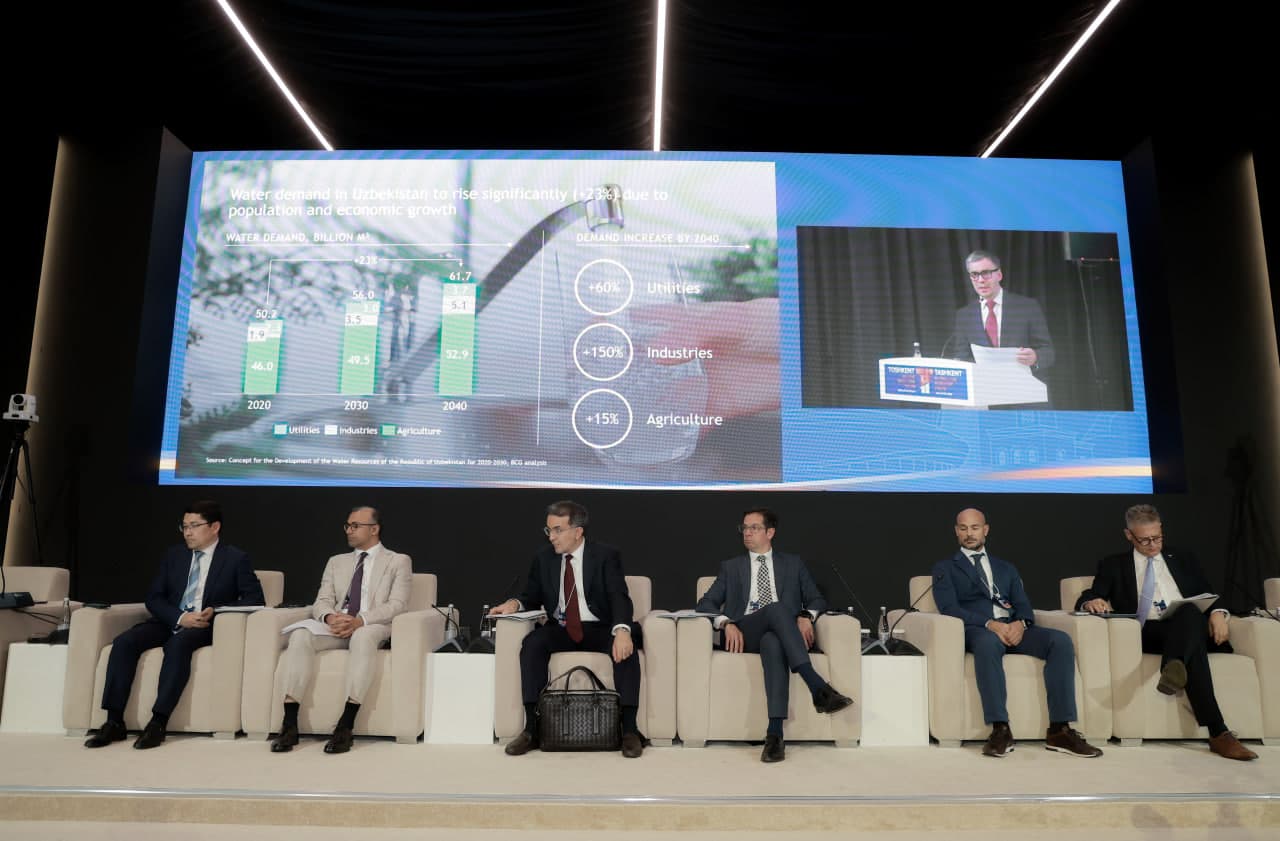
One of the most pressing issues for the region’s economy and environment was addressed during the panel session “The Water–Energy–Food Nexus: Climate Resilience and Agricultural Investmends.” The event brought together senior government officials, industry leaders, and representatives of international organizations to discuss water and food security challenges in Uzbekistan, investment attraction for sustainable economic growth, and practical technological solutions.
According to the conclusions reached during the session, water scarcity and food security are not merely environmental challenges but decisive factors affecting the economic stability of the entire region.
A special panel session titled “Building a World-Class Dispute Resolution Ecosystem in Uzbekistan,” dedicated to strengthening guarantees for the protection of foreign investors’ rights, was organized in cooperation with the British-Uzbek Law Association (BrULA) and the Embassy of the United Kingdom in Uzbekistan. Participants engaged in active discussions on the development of a reliable, impartial, and transparent dispute resolution infrastructure for investors in the country.
An important panel discussion titled “Cities at the Center of a New Growth Race,” organized by Boston Consulting Group (BCG), examined rapid urbanization processes in the region, the emergence of new economic clusters, and growing competition among cities for capital and talent.
The session served as an important strategic platform for strengthening the international brand of Uzbekistan’s cities, creating a favorable urban ecosystem, and integrating regions more effectively into the global economy.
As a fitting conclusion to the first day of the International Investment Forum, the “Silk Road Night Run” night marathon was organized. More than 500 participants from over 16 countries took part in the event. More than 200 of them were foreign guests, including investors, business representatives, and leaders of international organizations. Running competitions over distances of 3 kilometers and 10 kilometers were held for participants.
In addition to its significance as a sporting event, the “Silk Road Night Run” contributed to strengthening team spirit among participants, fostering a healthy competitive environment, and creating effective networking opportunities.