
The Water-Energy-Food Nexus: Climate Resilience and Agricultural Investment
2026-06-16 15:45:00 / News
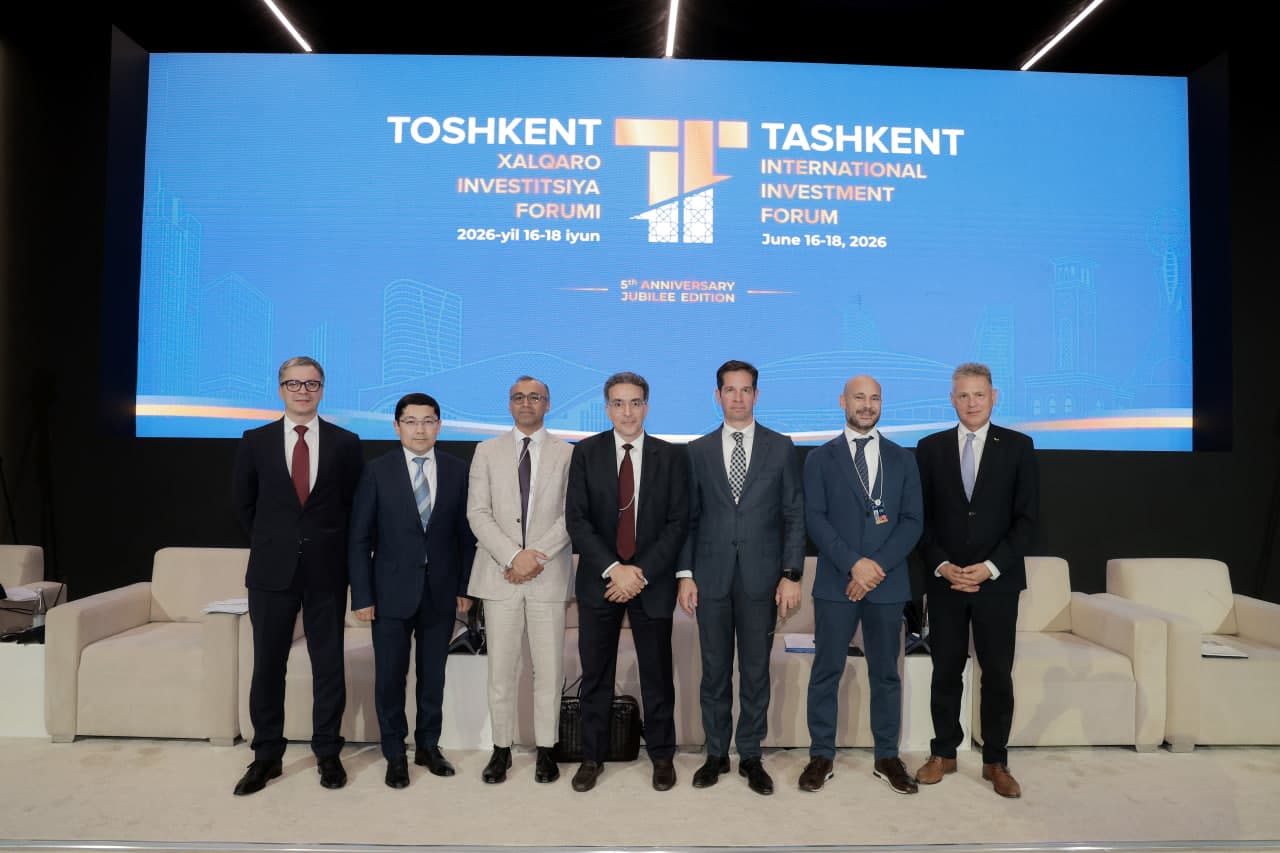
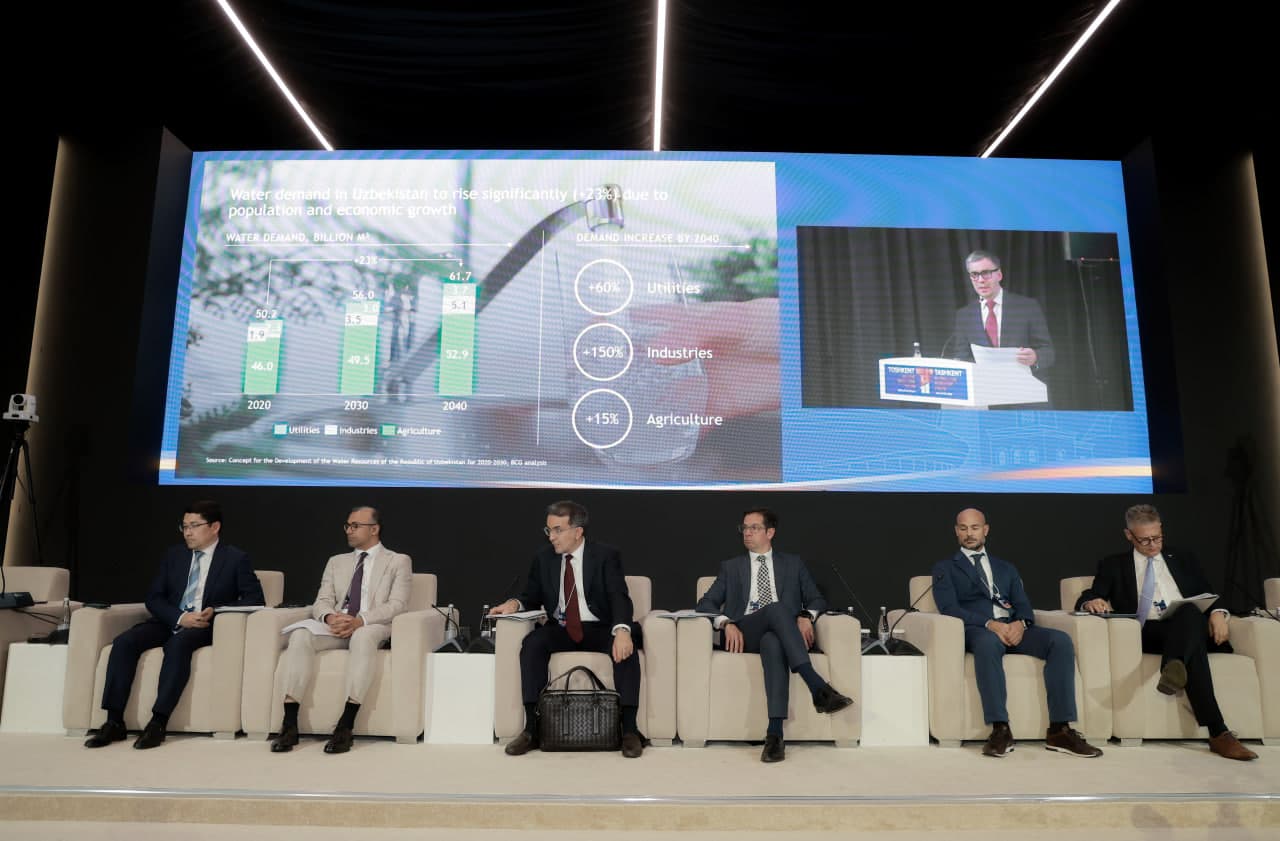
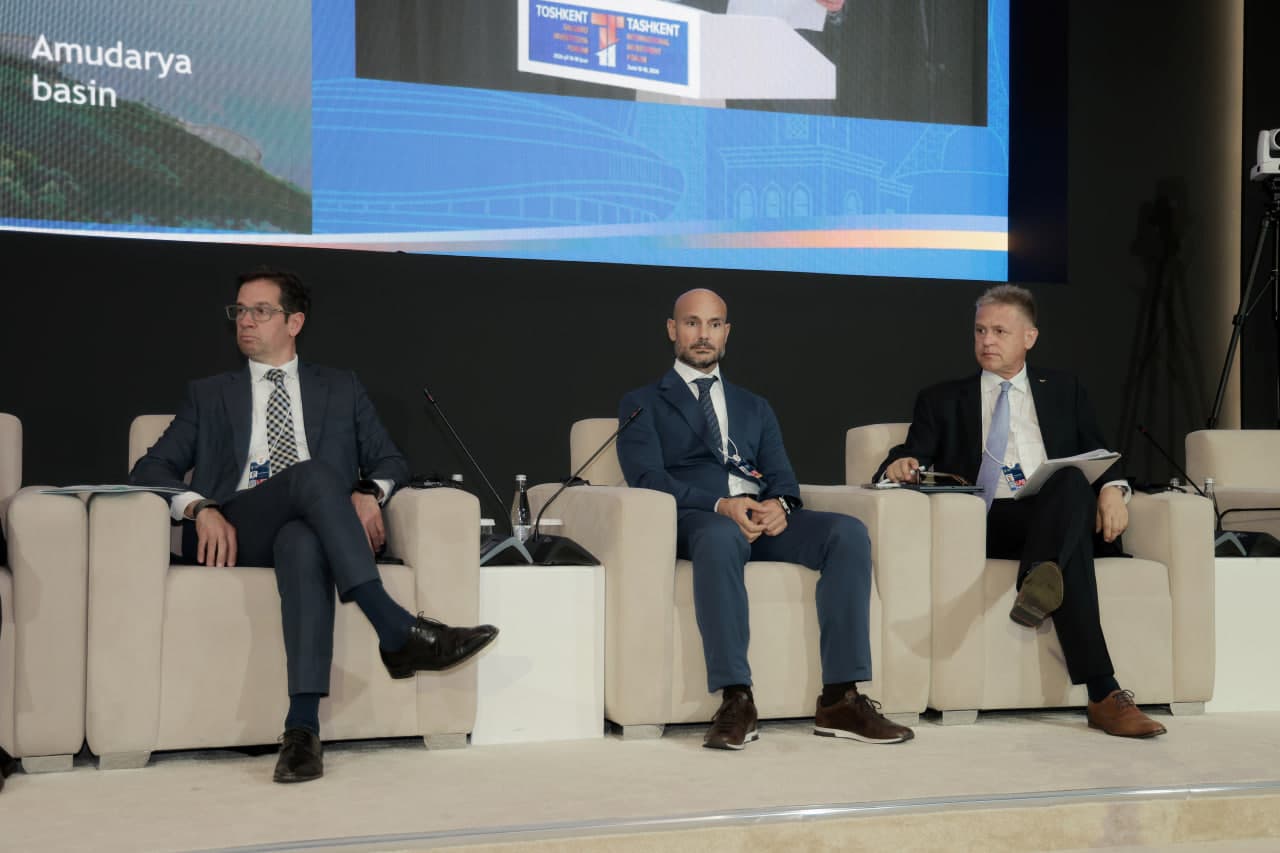
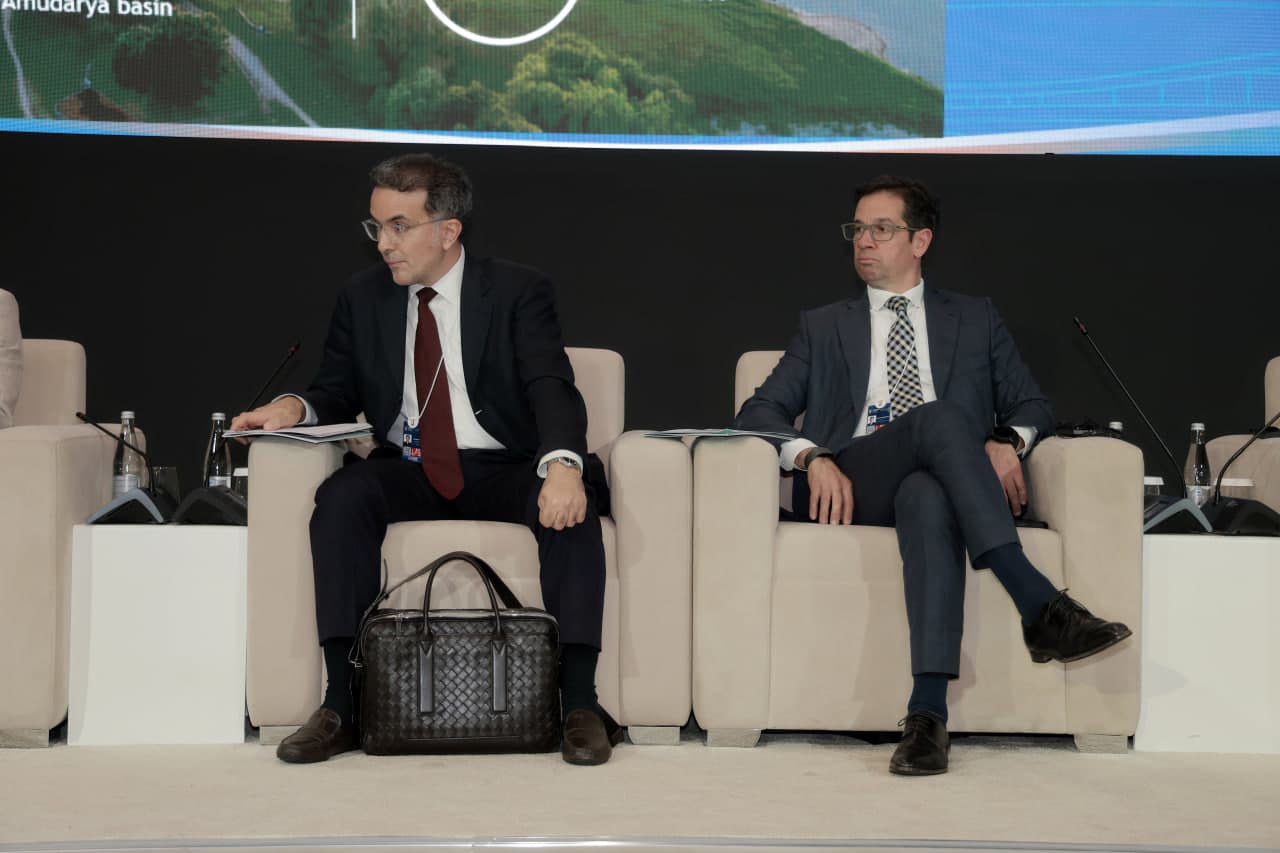
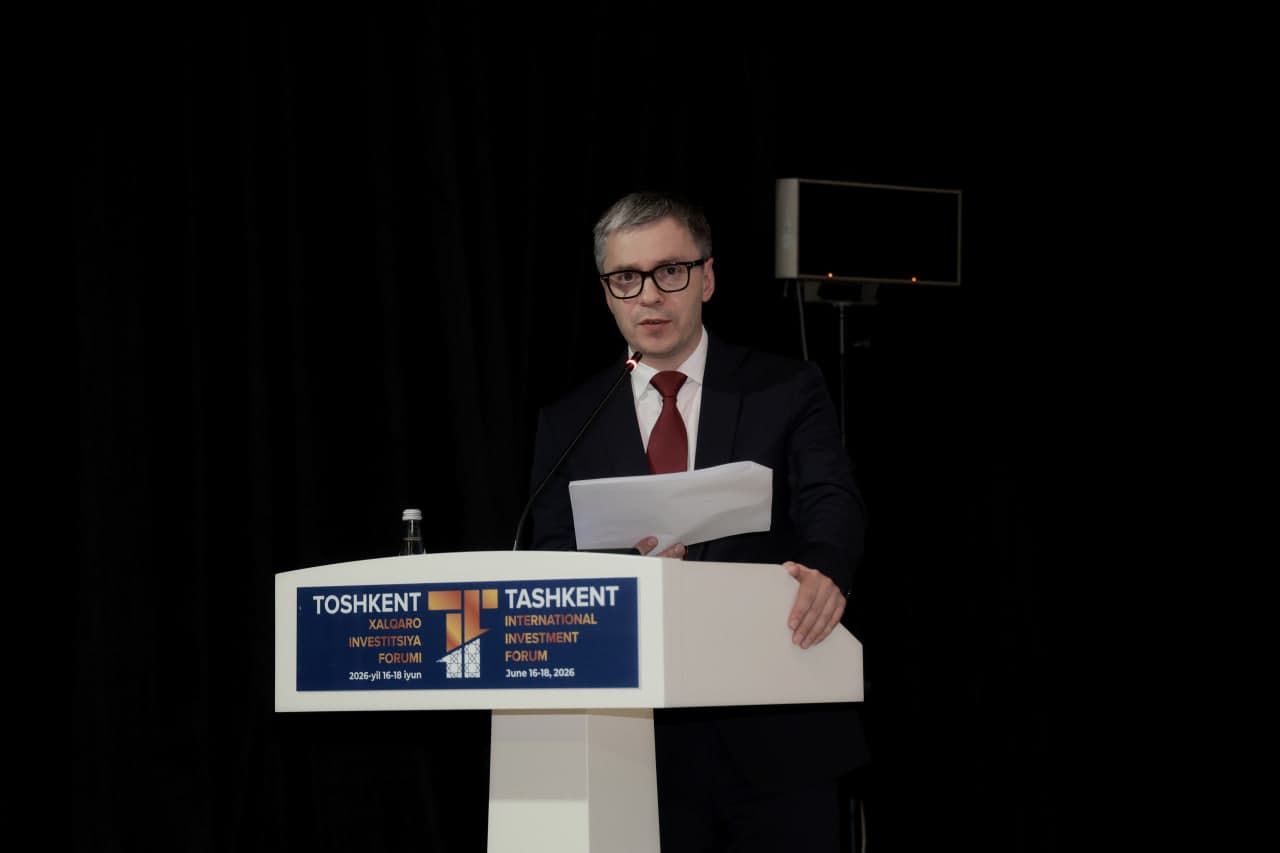
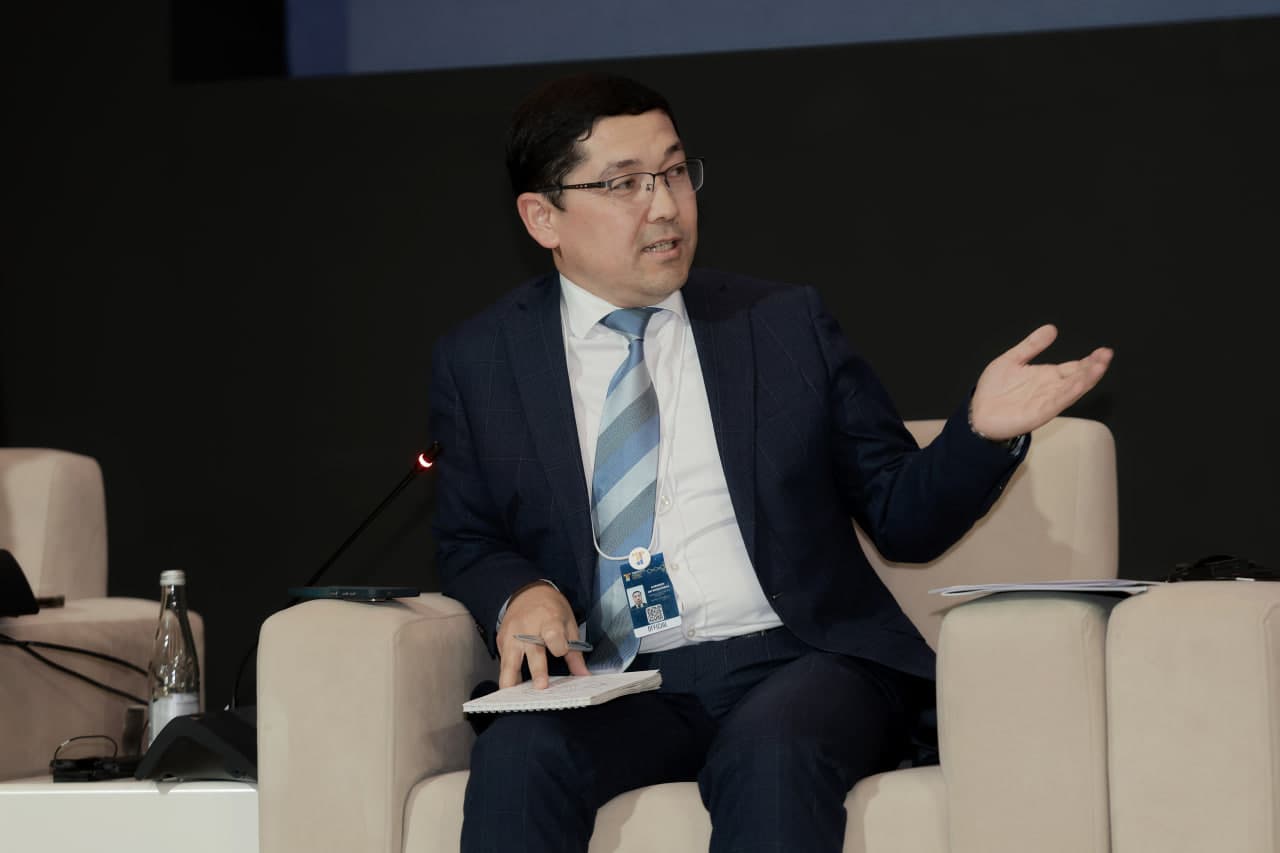
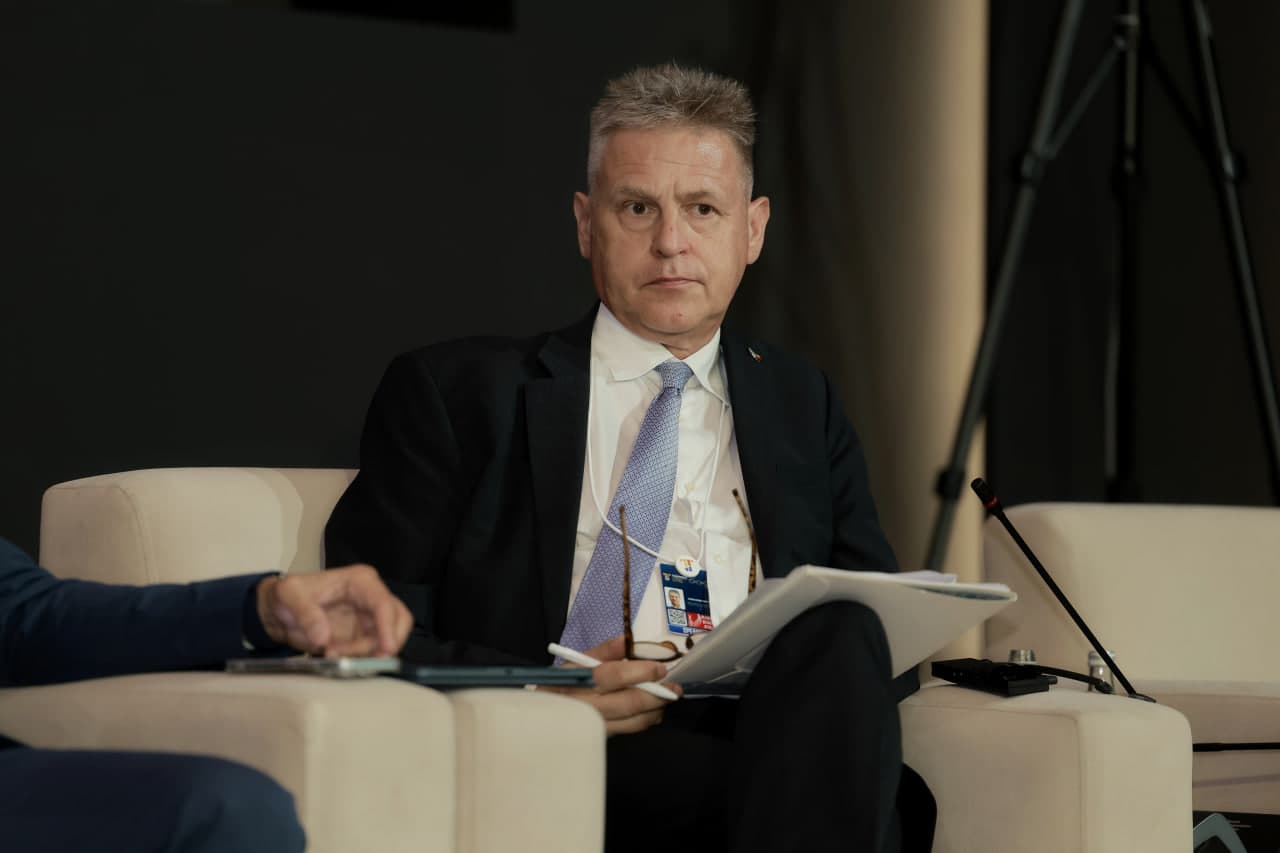

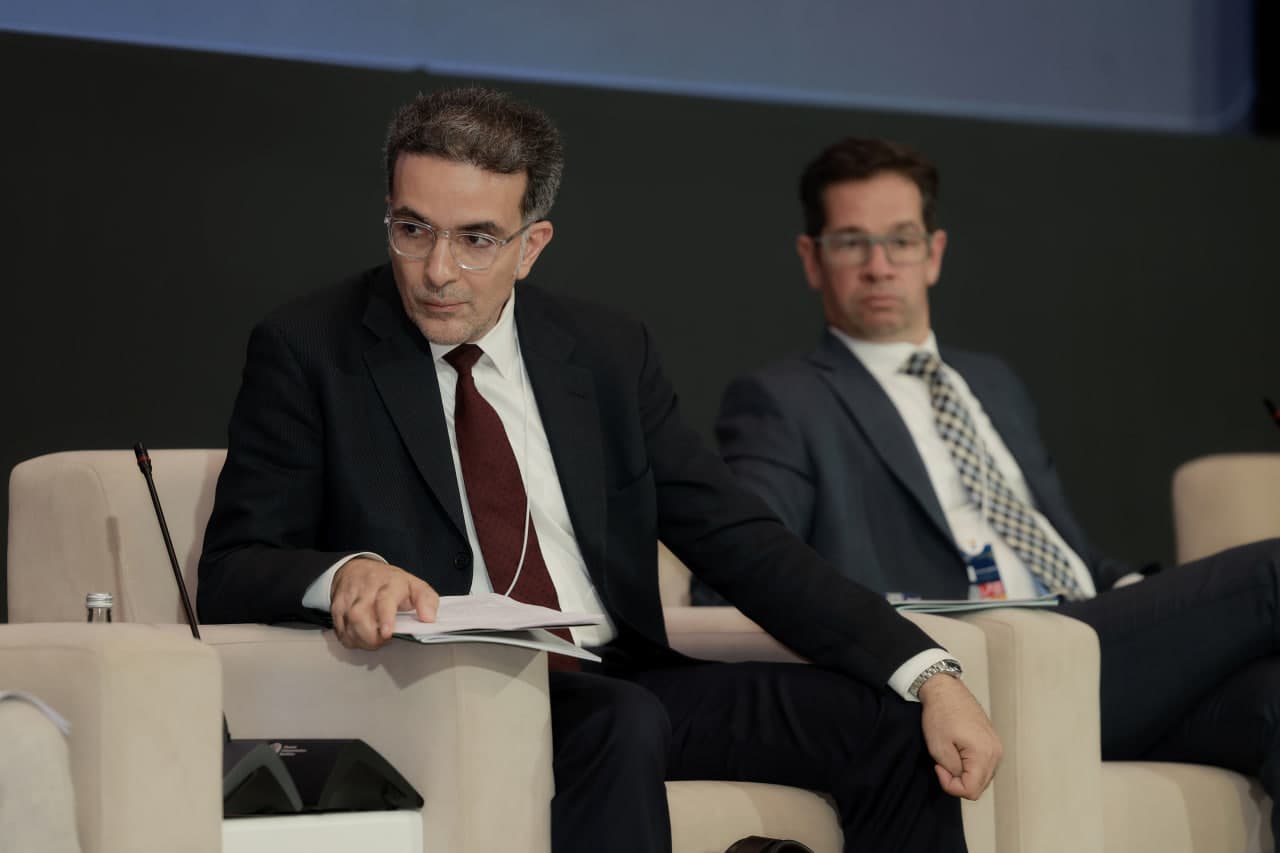
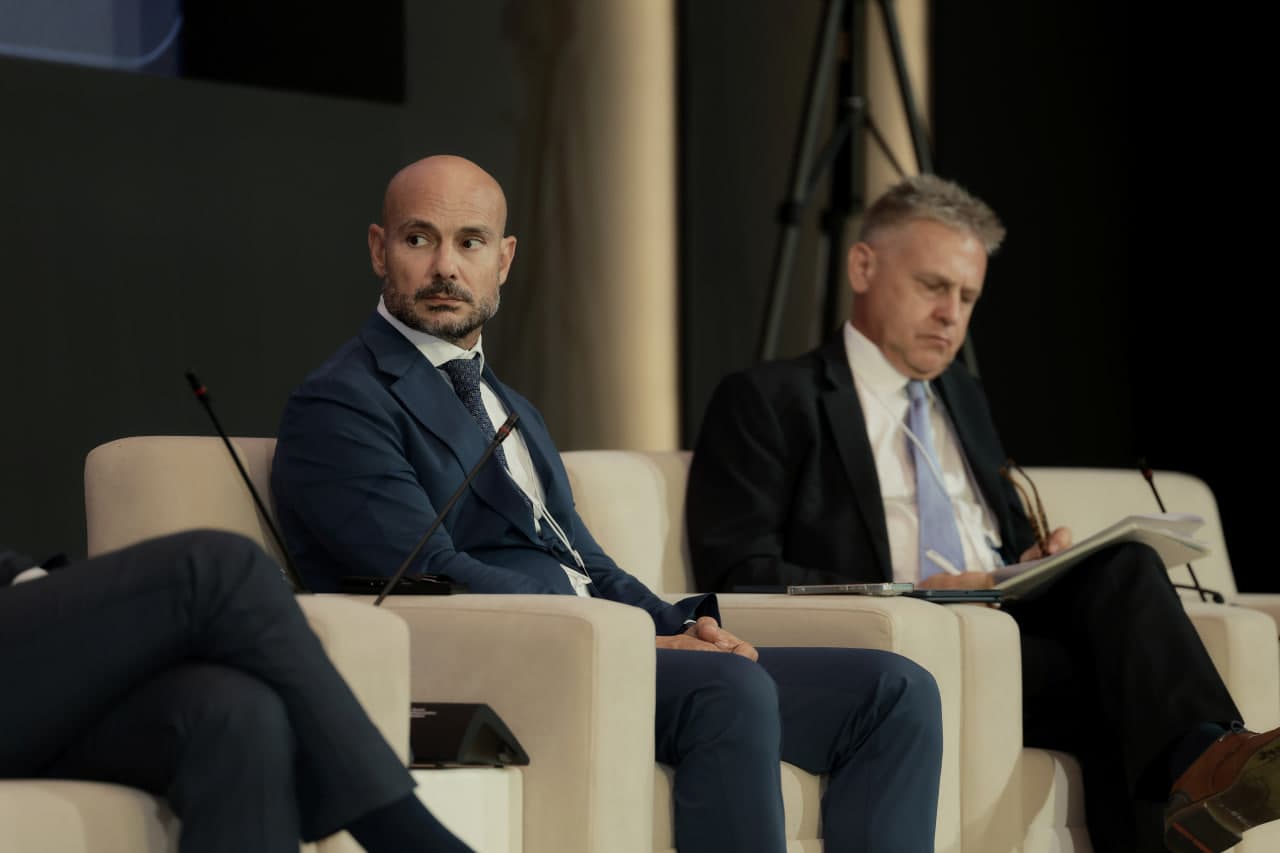
Within the framework of the Tashkent International Investment Forum, a panel session titled “The Water-Energy-Food Nexus: Climate Resilience and Agricultural Investment” was held, focusing on one of the most pressing issues for the region’s economy and ecology. As part of the 5th Anniversary Tashkent International Investment Forum, the panel brought together influential government officials, industry leaders, and representatives of international organizations to discuss water and food security in Uzbekistan, investment attraction for sustainable economic growth, and practical technological solutions.
In his opening remarks, Igor Alekseev, moderator of the session and managing director and partner at BCG, discussed the current state of water resources in the country and expected risks. According to him, the total demand for water is projected to increase by 23 percent over the next 10–20 years due to population and economic growth.
“Specifically, by 2040, water demand in industry is expected to increase by 150 percent, in the utility sector by 60 percent, and in agriculture by 15 percent. Furthermore, climate change and the reduction of transboundary flows could lead to a water shortage in the region by 2040. The most optimal solution to this problem is a sharp increase in water use efficiency across all sectors,” said the BCG director.
Nuriddin Kushnazarov, Adviser to the Minister of Agriculture of the Republic of Uzbekistan, provided detailed information on the sector's role in the country's economy and the strategic measures taken by the government. According to him, agriculture accounts for 19 percent of Uzbekistan's GDP and employs 27 percent of the working-age population. Last year, the industry's production volume reached 40 billion dollars, and the state's strategic goal is to increase this figure to 60 billion dollars in the near future.
He noted that 90 percent of Uzbekistan’s water resources are used in agriculture, while 80 percent of the country’s water supply originates from transboundary sources. Of the country’s 4.3 million hectares of irrigated land, water-saving technologies have been introduced on nearly 2.5 million hectares, and the government aims to expand their use to all irrigated areas by 2030. It was also noted that the government provides subsidies to encourage farmers to adopt water-saving technologies. To streamline this process, previously fragmented subsidy mechanisms have been consolidated into a single system administered by the Agency for Payments in the Agrarian Sector.
The session also featured an open discussion on environmental risks and the application of international best practices to address them. Ahmad Raza, Senior Policy Officer at the Food and Agriculture Organization of the United Nations (FAO) Office for Central Asia, expressed concern that nearly 30 percent of the region’s glaciers have disappeared over the past 50 years. He stressed the importance of addressing these challenges through policy coherence, digitalization, and cross-border cooperation. He also advocated for the systematic use of satellite data and recommended directing government subsidies exclusively toward environmentally sustainable projects aimed at protecting natural resources.
Dr. Shihab Elborai, Lead partner at Strategy, drew attention to the imbalance between economic growth and resource consumption. He noted that Central Asia is already facing a water crisis and stressed that the key to sustainable economic development lies in decoupling economic growth from resource consumption.
“The modernization of water and agricultural infrastructure across the region requires an estimated US$40 billion in investment. In addition to adopting technologically advanced farming practices, we must also transition to next-generation food systems,” Elborai said.
To illustrate the potential impact of innovation, he cited an example showing that traditional methods require an average of 12,000 liters of water to produce one kilogram of protein, whereas precision fermentation can achieve the same output using as little as one liter of water.
In turn, Balázs Hendrich, Chairman of the Board of the Drought Prevention Institute of the Organization of Turkic States (DPI), emphasized that no country can address this crisis on its own. He noted that expanding bank-funded research and commercial projects aimed at implementing practical solutions at the regional level within the framework of the Organization of Turkic States is of strategic importance for the region’s future.
The session unanimously recognized that the problem of water scarcity and food security is not merely an environmental threat, but a decisive factor for the economic stability of the entire region. It was emphasized that the transition of Uzbekistan and neighboring countries from traditional, resource-intensive production to a climate-resilient, innovative, and cost-effective agro-industrial model has become a vital necessity. In this regard, it was concluded that the expansion of green financing mechanisms, the targeted allocation of state subsidies, and the strengthening of cross-border strategic cooperation will serve as the main foundation guaranteeing the region's economic development in the coming decades.