
Special Economic Zones: Governance, Performance and What Actually Works?
2026-06-16 15:25:00 / News


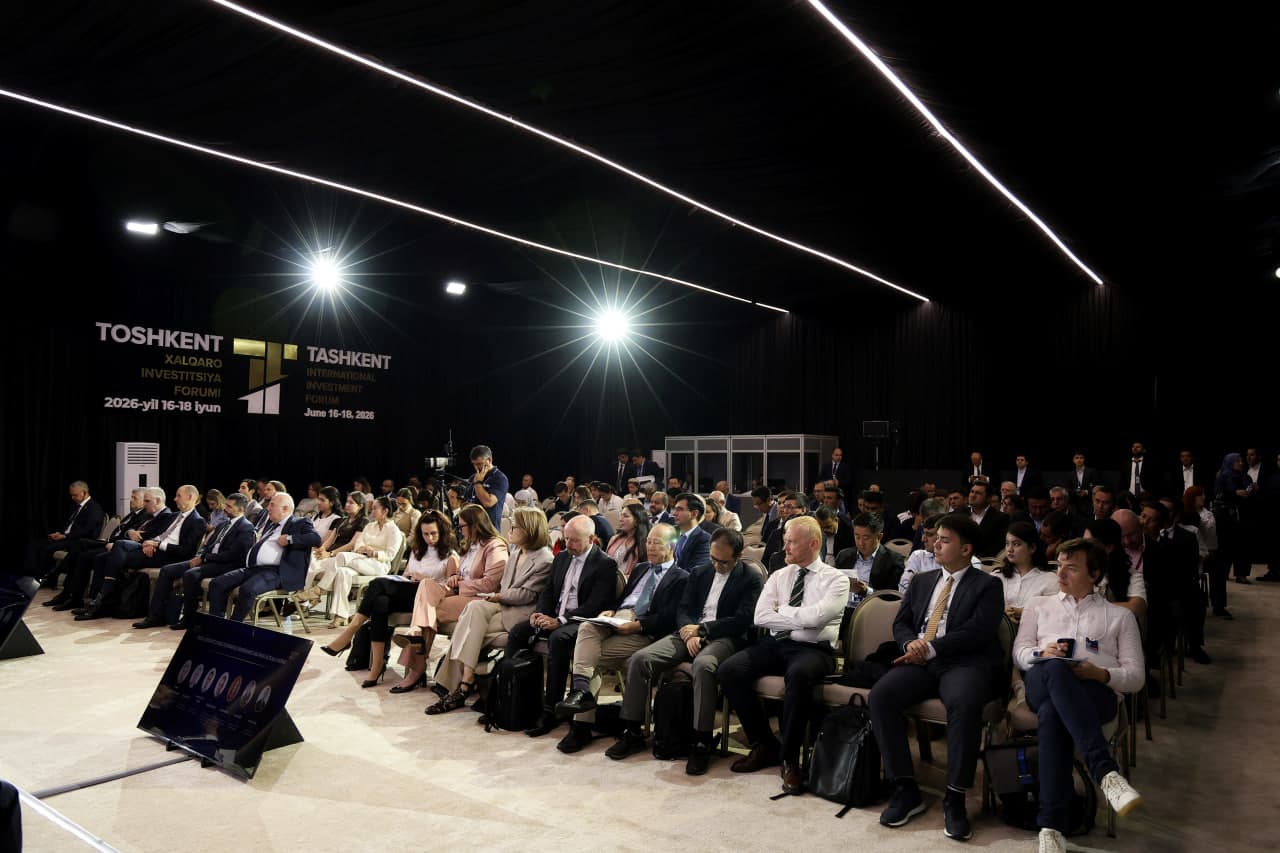


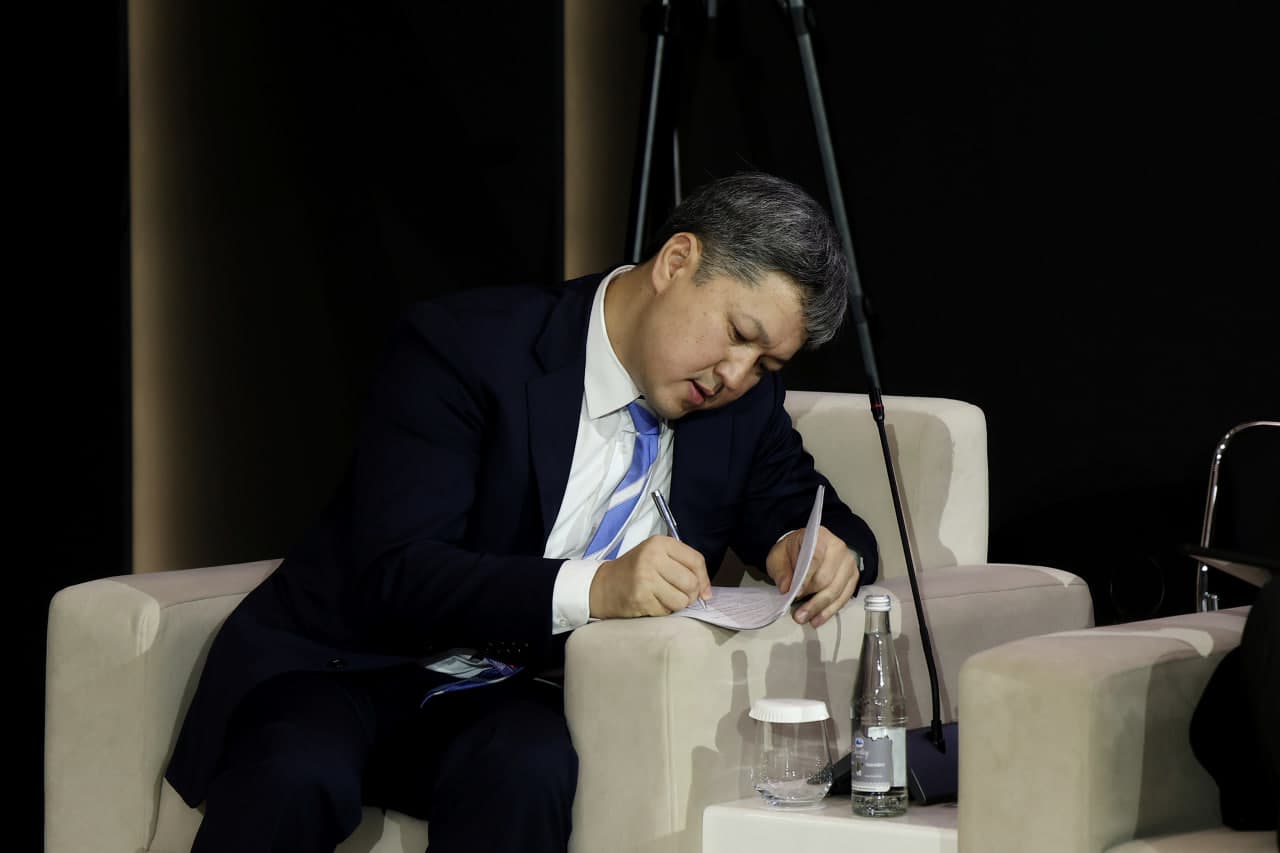
Within the framework of the Tashkent International Investment Forum program, a panel session dedicated to one of the primary growth engines of the global economy was held on the topic "Special Economic Zones: Governance, Performance and What Actually Works."
As emphasized during the event, free economic zones (FEZs) are currently expanding rapidly worldwide; however, their practical efficiency and returns vary drastically across countries. According to experts, the key criteria for attracting foreign capital are no longer limited to traditional tax and customs incentives. Investors are now heavily focused on territories that offer fully integrated, comprehensive ecosystems.
During the discussions, session participants conducted an in-depth analysis of the indispensable elements of such ecosystems — including ready-to-use "plug-and-play" business infrastructure, a continuous supply of a qualified workforce pipeline, regulatory and administrative autonomy, and advanced strategies for attracting major anchor investors. Representatives from international organizations shared insights based on their own experiences, demonstrating which governance models deliver measurable, sustainable economic results in real-world practice rather than merely existing on paper.
The following experts participated with their presentations in this prestigious dialogue platform:
- Yerbol Bukharbayev — Head of Registration at the World Free Zones Organization (World FZO) (Moderator)
- Lisa Kaestner — Country Manager for Uzbekistan, Kazakhstan, and Türkiye at the International Finance Corporation (IFC)
- Enrico Pinali — Regional Manager for Central and West Asia at the Asian Development Bank (ADB)
- Rami Rafih — Managing Director and Senior Partner at Boston Consulting Group (BCG)
- Vitaly Yakovlev — Managing Partner at KPMG
- Osman Evren Arikan — Managing Director at Polaris Industrial Parks
- Murat Gursoy — Managing Partner at McKinsey & Company
Ilzad Kasimov, Uzbekistan's Deputy Minister of Investment, Industry, and Trade, opened the meeting by highlighting the nation's increasing appeal to global investors and the vital role free economic zones play in boosting exports, industrial development, and job creation.
According to him, Uzbekistan currently operates 47 free economic zones across nearly all regions of the country. These zones host around 1,400 investment projects and have attracted investors from China, Russia, Türkiye, the UAE, Saudi Arabia, South Korea, India and other countries. In particular, Chinese investors are implementing approximately 200 projects with a total value of about $4 billion.
“The development of free economic zones allows Uzbekistan to strengthen its position as one of the most attractive investment centers in the Central Asian region,” Kasimov noted.
The next phase of SEZ development necessitates a shift from conventional incentive-based approaches to entire economic ecosystems, according to international experts. “We need to move from tax-driven zones to ecosystem-driven zones,” emphasized Rami Rafih, Managing Director and Senior Partner at Boston Consulting Group (BCG), highlighting the increasing significance of integrated infrastructure, talent, suppliers, and investment networks.
International financial institution representatives also emphasized the importance of infrastructure, investment climate, and connectivity in maintaining long-term competitiveness. “Special economic zones are competing,” according to Enrico Pinali, Regional Manager for Central and West Asia at the Asian Development Bank (ADB). He emphasized that infrastructure and interaction with regional markets have become crucial elements in luring investment. “What benefits the economy is lasting access to infrastructure and a strong investment climate,” stated Lisa Kaestner, the International Finance Corporation's (IFC) Country Manager for Kazakhstan, Turkey, and Uzbekistan.
Addressing governance and investor services, Vitaly Yakovlev, Managing Partner at KPMG, emphasized the importance of empowering zone administrations, stating that investment support mechanisms should be “the window at which decisions are made.” Meanwhile, Osman Evren Arikan, Managing Director at Polaris Industrial Parks, highlighted the growing importance of investor services and aftercare in creating competitive industrial destinations.
Concluding the discussion, participants agreed that successful special economic zones are increasingly defined by effective governance, predictable regulations, world-class infrastructure, skilled human capital and strong integration with domestic and global value chains. Looking ahead, Soichi Kobayashi, Chairman of the Japan Development Institute, pointed to the opportunities offered by advanced manufacturing, noting that “the Silk of the 21st century is electronics.”