
Islamic Finance and Sukuk Markets: Channeling Gulf Capital into Emerging Economies
2026-06-16 14:10:00 / News
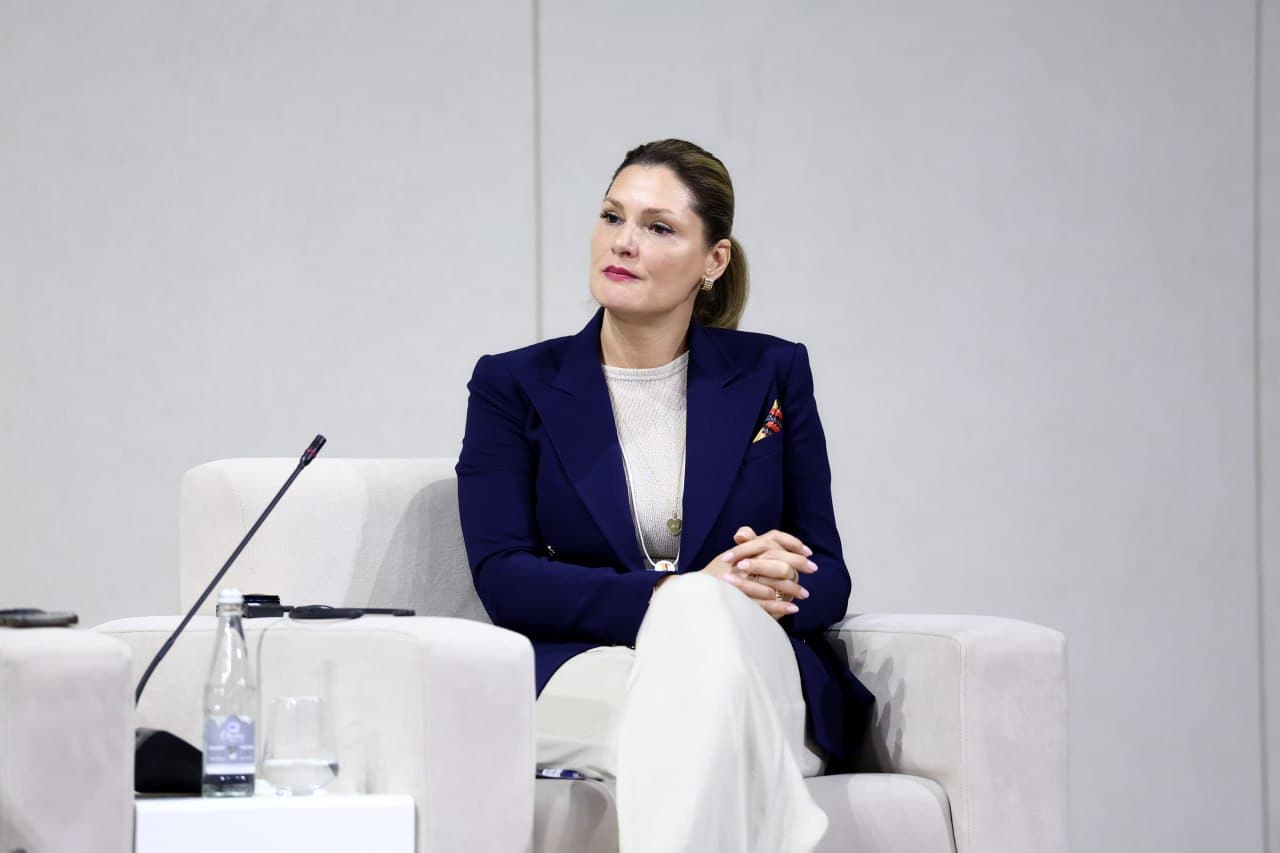
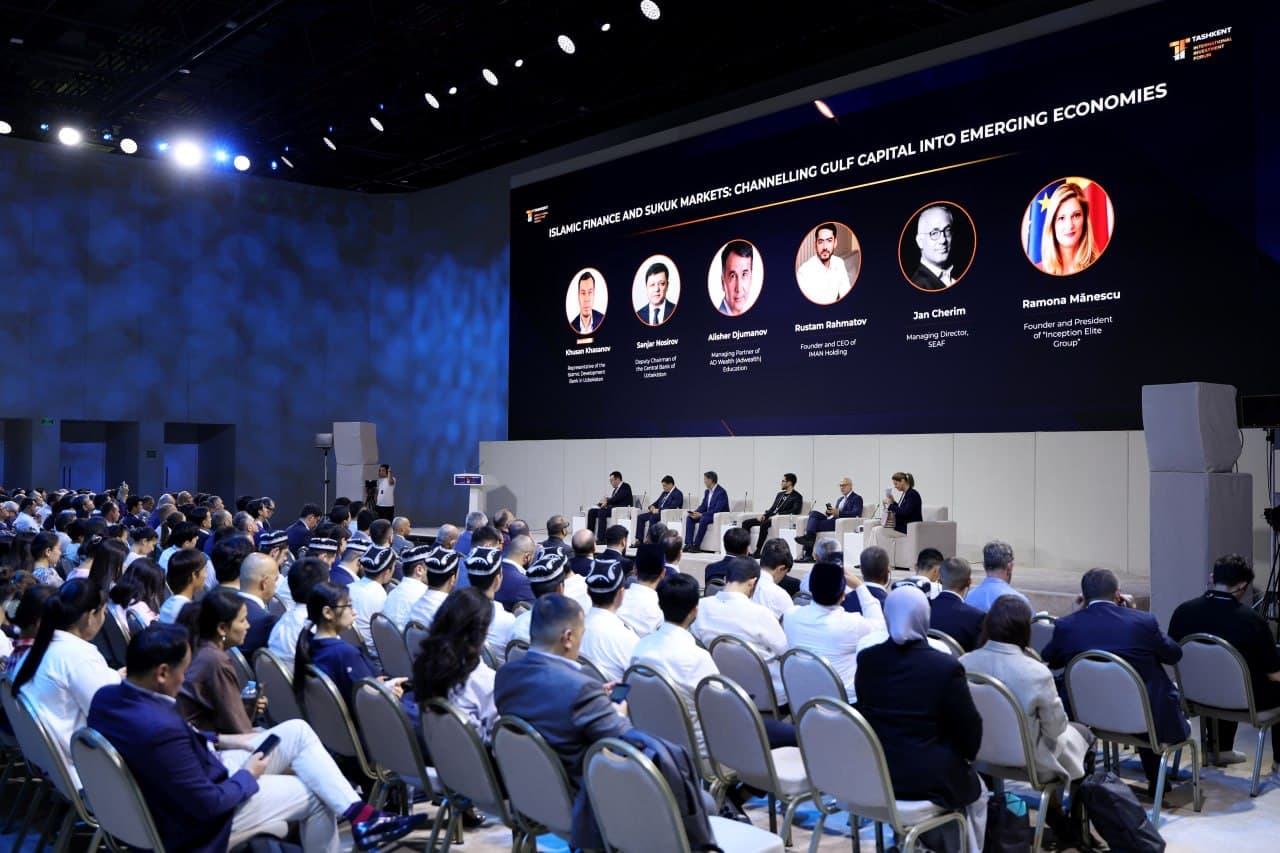
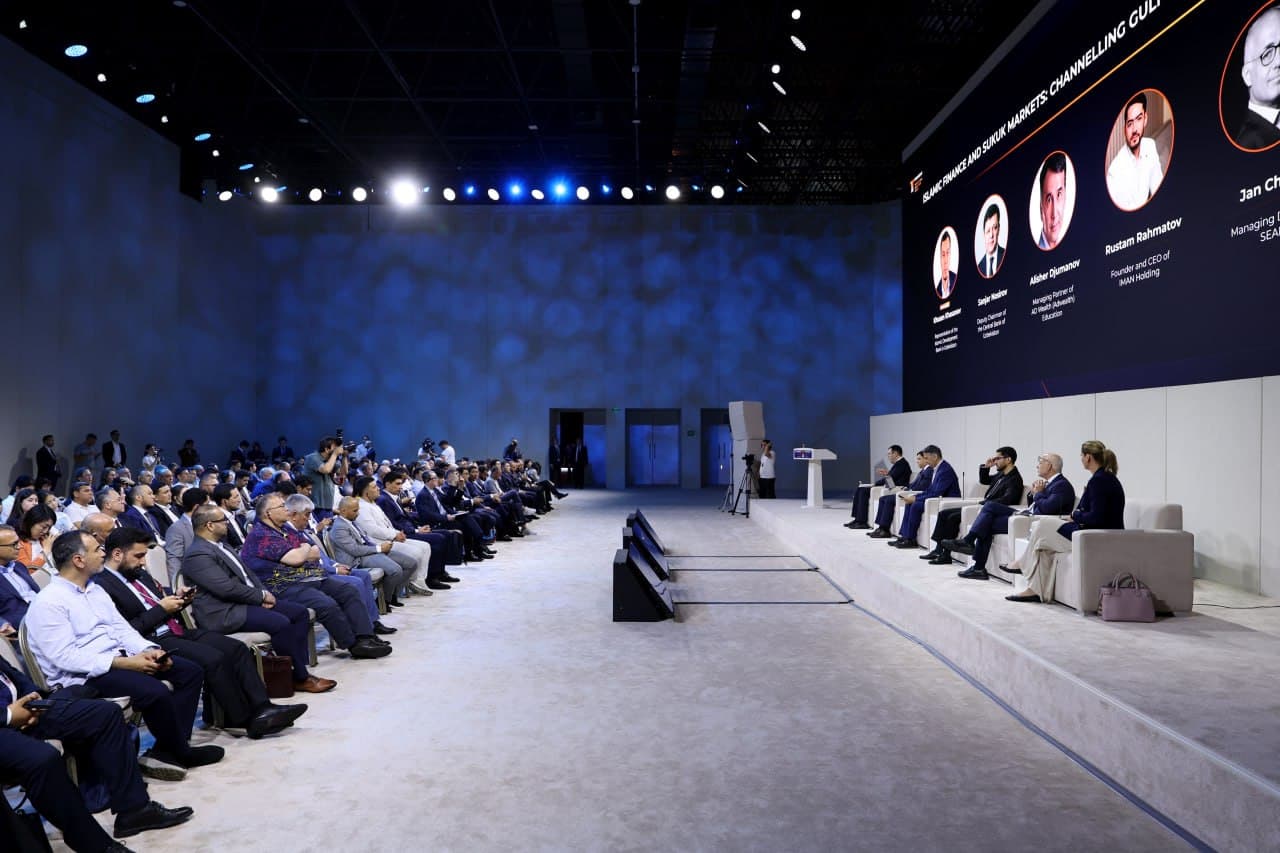

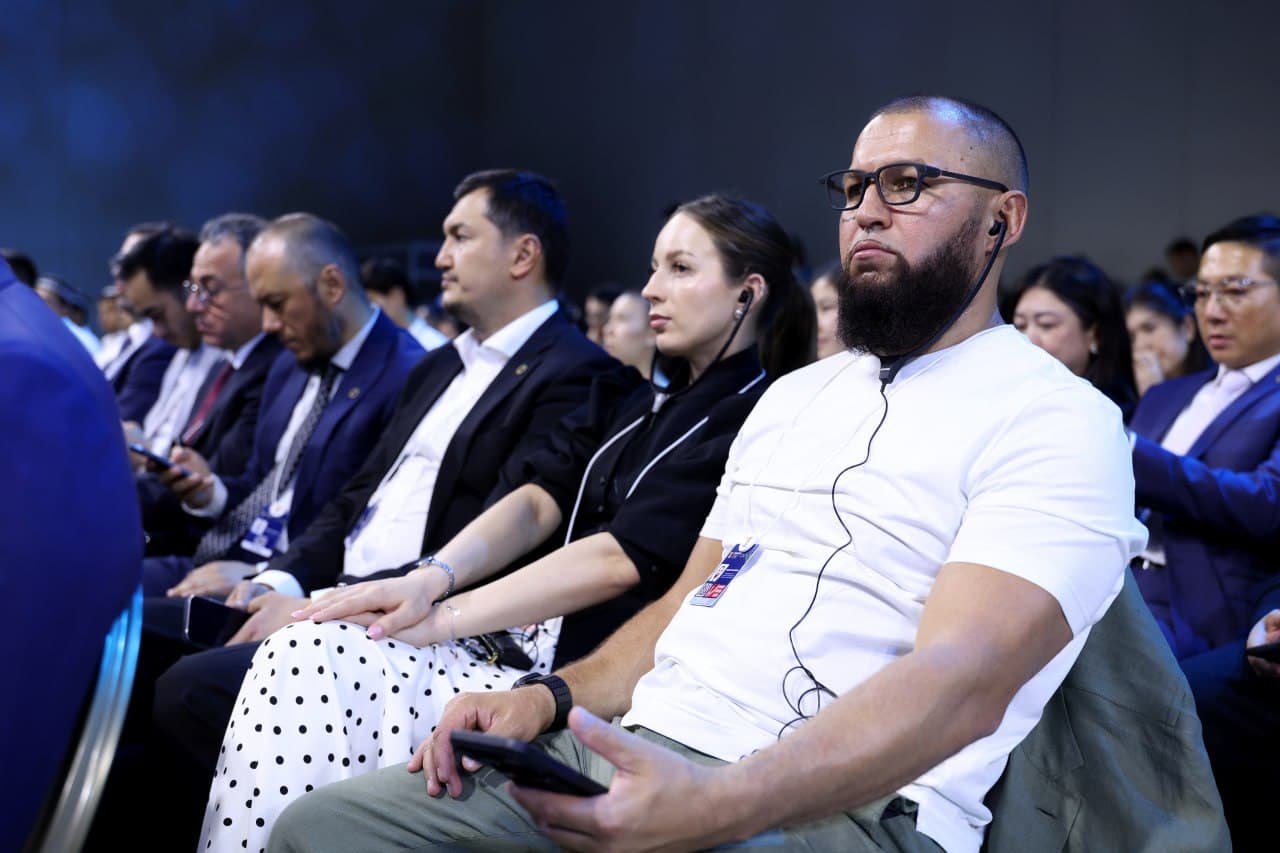
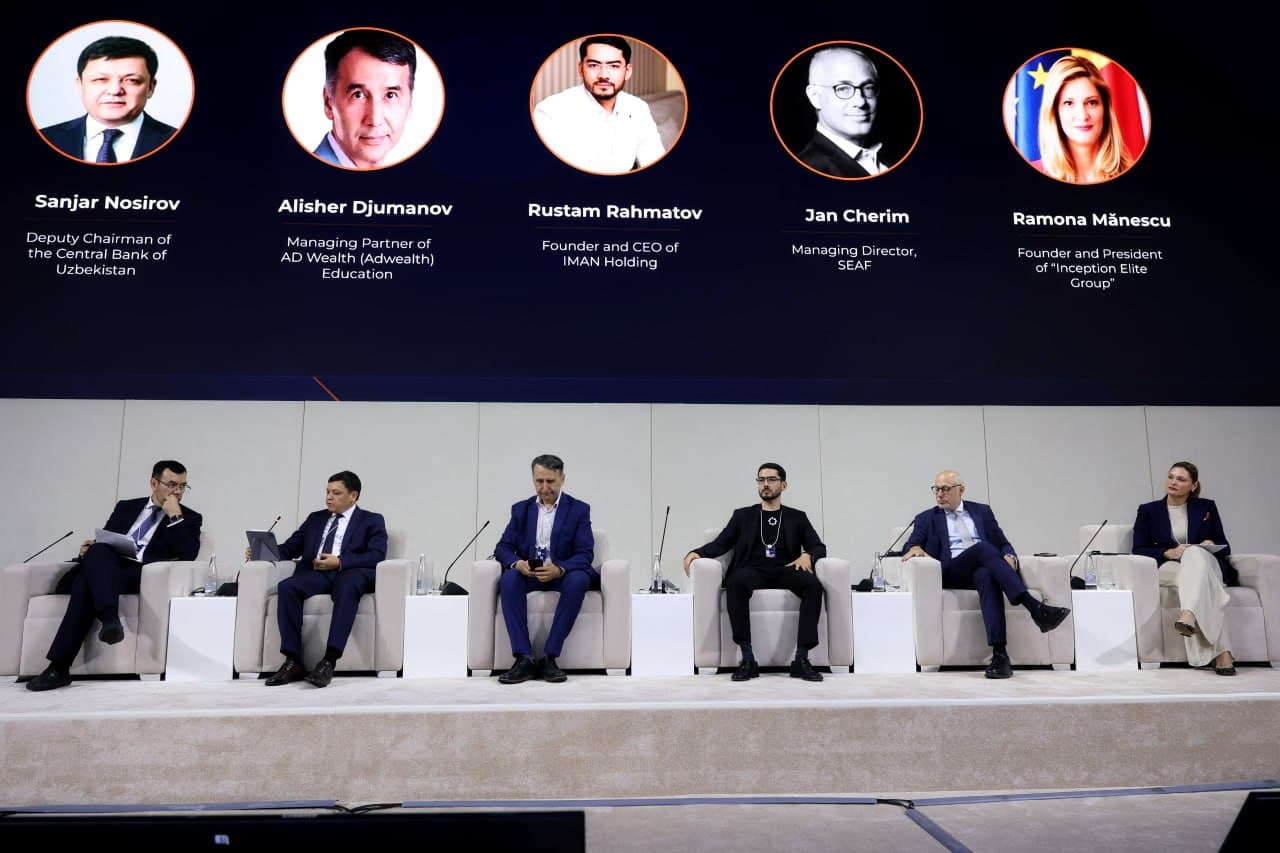
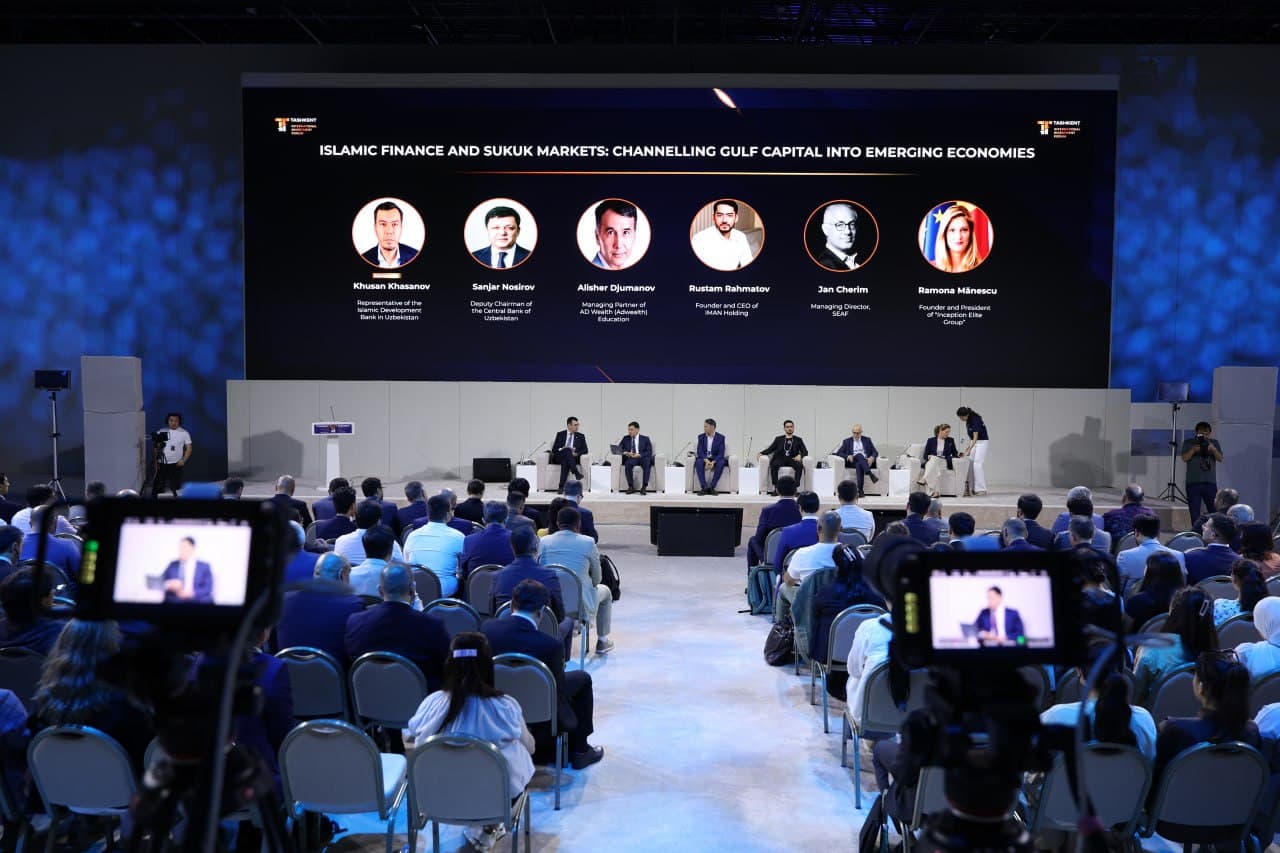
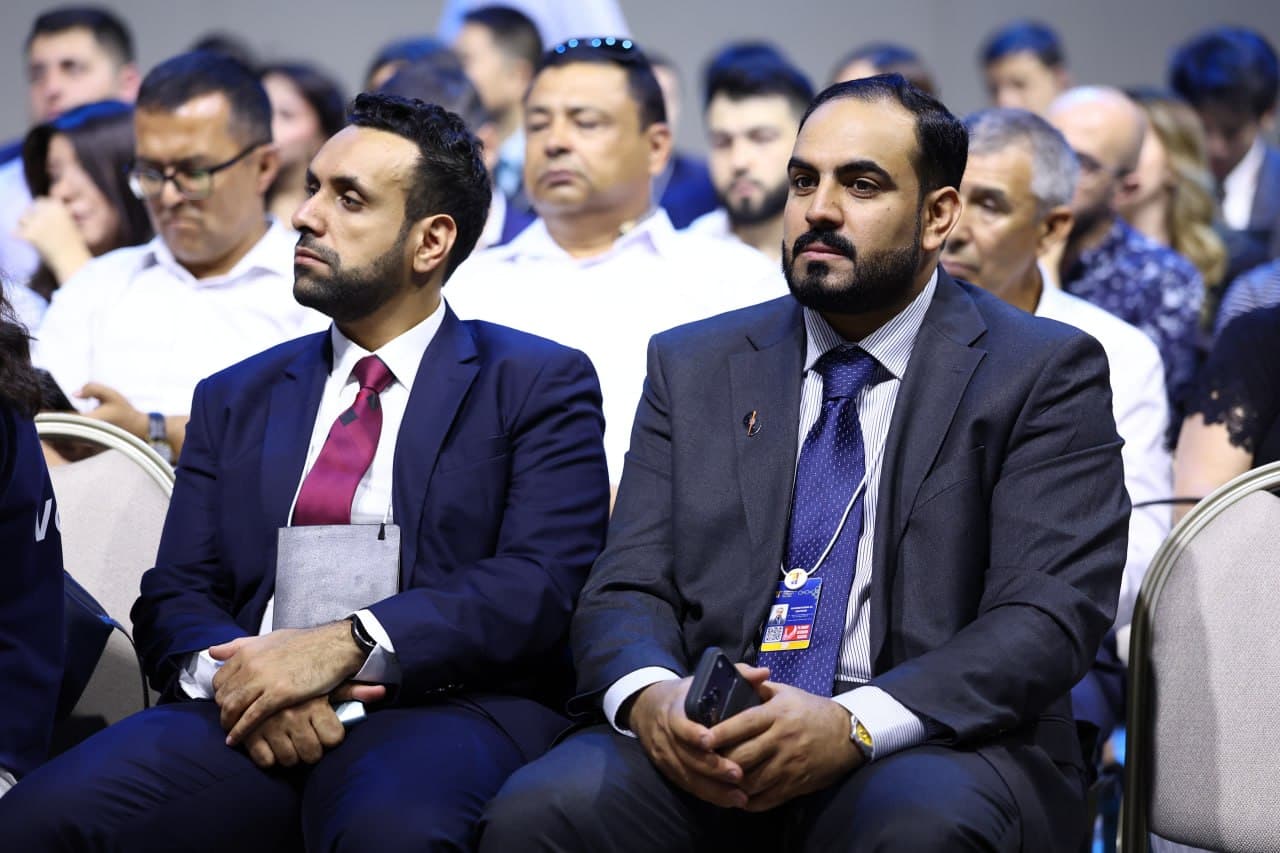
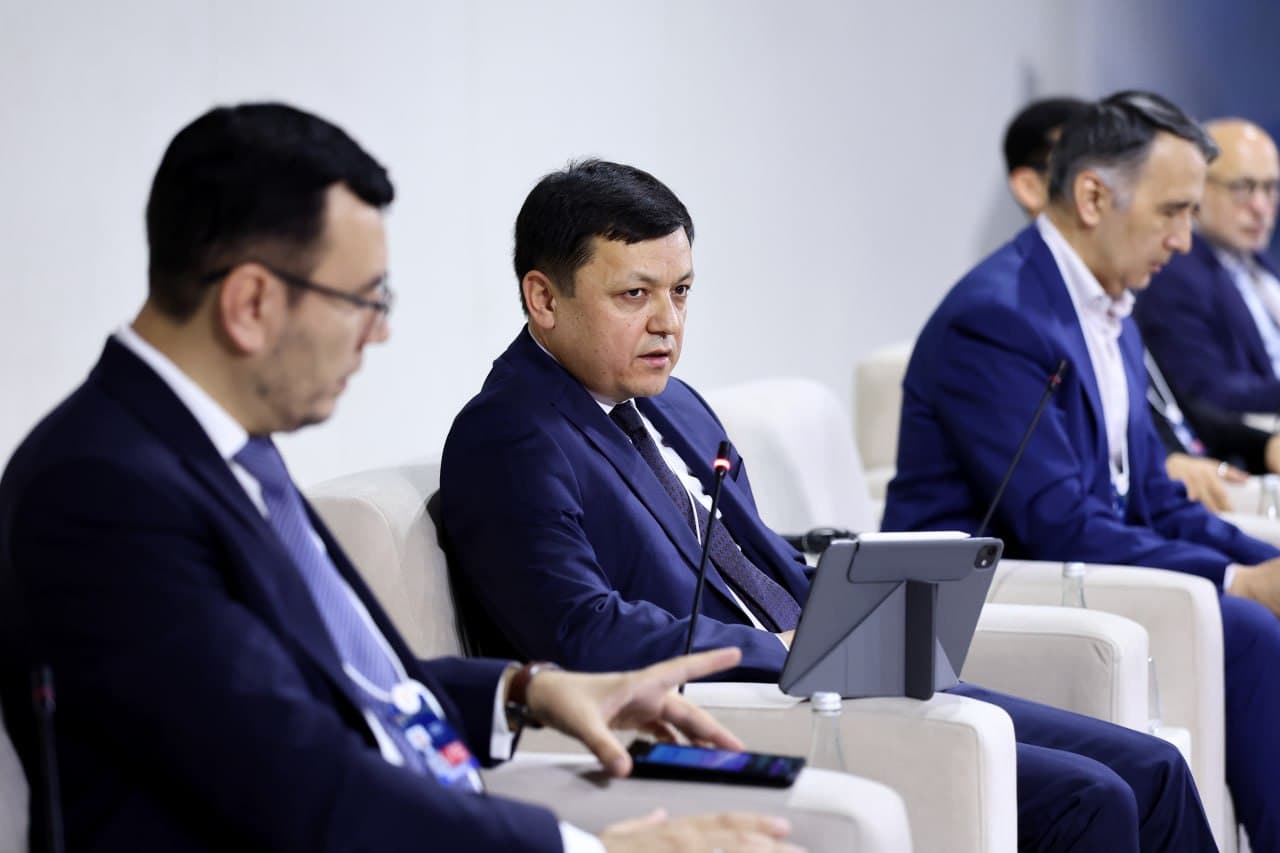
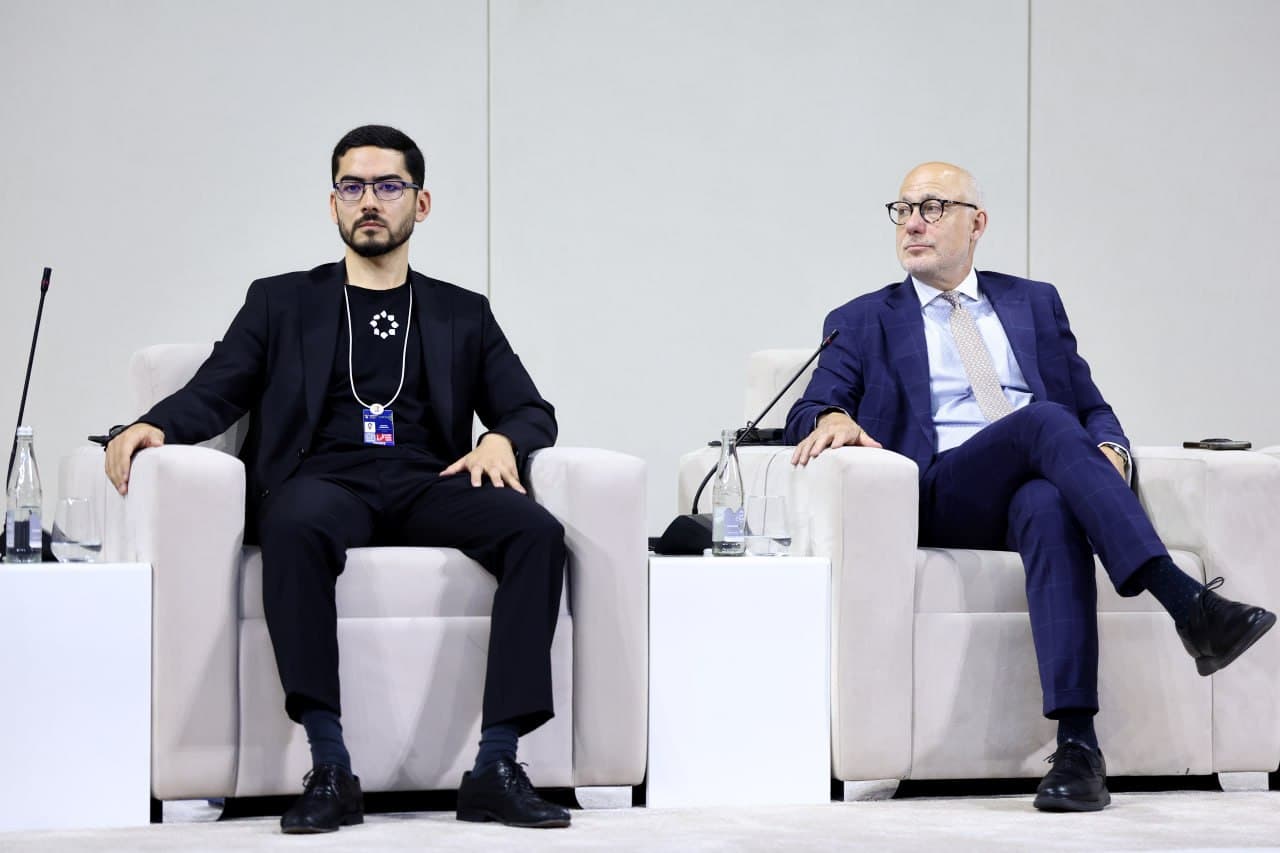
Within the framework of the Tashkent International Investment Forum, a panel session was held dedicated to one of the most promising areas of global financial integration, titled "Islamic Finance and Sukuk Markets: Channeling Gulf Capital into Emerging Economies."
Today, as the volume of the global Islamic finance market has exceeded three trillion US dollars, attracting these vast resources into the regional economy is becoming increasingly crucial. During the session, participants conducted an in-depth analysis of the mechanisms for effectively channeling sovereign capital into the infrastructure of emerging markets through sukuk securities, takaful (Islamic insurance), and other financial structures fully compliant with Sharia principles.
In particular, experts engaged in an open discussion regarding the proper design of Islamic financial products and the harmonization of these products with existing national and international regulatory norms. Furthermore, they exchanged views on meeting the growing institutional demand for new issuances in the international arena (specifically, green and corporate sukuk) and on improving the legal and practical framework for this sector within Uzbekistan.
This dialogue platform marked a significant step toward establishing a reliable financial bridge between major investors from the Gulf countries and promising projects in our region.
Prominent experts and international speakers who participated in the session included:
- Maha Al-Saadi — Head of Regulatory Affairs at the Qatar Financial Centre (Moderator)
- Sanjar Nosirov — Deputy Chairman of the Central Bank of the Republic of Uzbekistan
- Yousef Hassan Khalawy — Secretary General of the Islamic Chamber of Commerce and Development (ICCD)
- Rustam Rahmatov — CEO of IMAN
- Ramona Mănescu — Former Minister of Foreign Affairs (2019) and Former Minister of Transport (2013–2014) of Romania
- Jan Cherim — Managing Director at SEAF
Deputy Chairman of the Central Bank of the Republic of Uzbekistan Sanjar Nosirov emphasized that the introduction of Islamic finance in the country is being carried out consistently, in particular in three stages. He noted that initially, non-governmental microfinance organizations were allowed to provide Islamic services, and currently 12 such organizations are successfully operating. The volume of their services has increased fivefold over the past five years, reaching $22 million.
Nosirov also announced that a new law on Islamic banking has been adopted as the second and most important step, and this document will come into force on June 9. This historic step includes the creation of full-fledged Islamic banks and the opening of Islamic windows at traditional banks. In the third stage, it is planned to create a legal framework in accordance with international standards for the Islamic capital market, including sukuk securities.
“Increasing public awareness of financial services is one of our primary tasks. Currently, there is a misconception among people that “Islamic finance is completely free,” which they confuse with social assistance,” said the Deputy Chairman of the Central Bank.
The session also focused on the fact that support for small and medium-sized businesses is the main driver of the economy. Jan Cherim, Managing Director at SEAF, positively assessed the strong demand for Islamic finance in Uzbekistan. He concluded that alternative financing for this segment is of paramount importance, just as the global development community understands that small businesses are the growth engine of emerging economies.
“It is extremely interesting to observe that in a country where Islamic finance is not deeply rooted, the demand for this type of banking products is very high throughout the republic. Some of the financial institutions we've managed to fund are already showing tremendous growth and are reporting that demand is rising even further,” Cherim noted.
Ramona Mănescu, founder and president of Inception Elite Group and former Minister of Foreign Affairs of Romania, approached the issue from the perspective of diplomatic and strategic cooperation. She noted that the most important message in attracting investors is the government's firm political will. According to Mănescu, today investments are increasingly viewed not only as a source of income but also as a strategic partnership, economic diversification, and digital transformation. She noted that the Gulf capital is no longer focused only on the financial side, but is also looking for a long-term, sustainable strategic partnership.
“Infrastructure is not just a construction project; it is the creation of connectivity between regions through the construction of ports, airports, and energy corridors." In this regard, Uzbekistan holds a unique position, playing the role of a unique strategic transit gateway between Central Asia, Asia, and Europe,” she said, expressing confidence in the important reforms being implemented in our country.
In conclusion, the experts determined that further expanding foreign investment in Uzbekistan in line with international standards, and harmonizing the legislative framework for Islamic finance with practical application, will serve as a crucial foundation for the country's sustainable economic development.