
Responsible Business Conduct: OECD Standards and the Investment Case
2026-06-16 13:00:00 / News

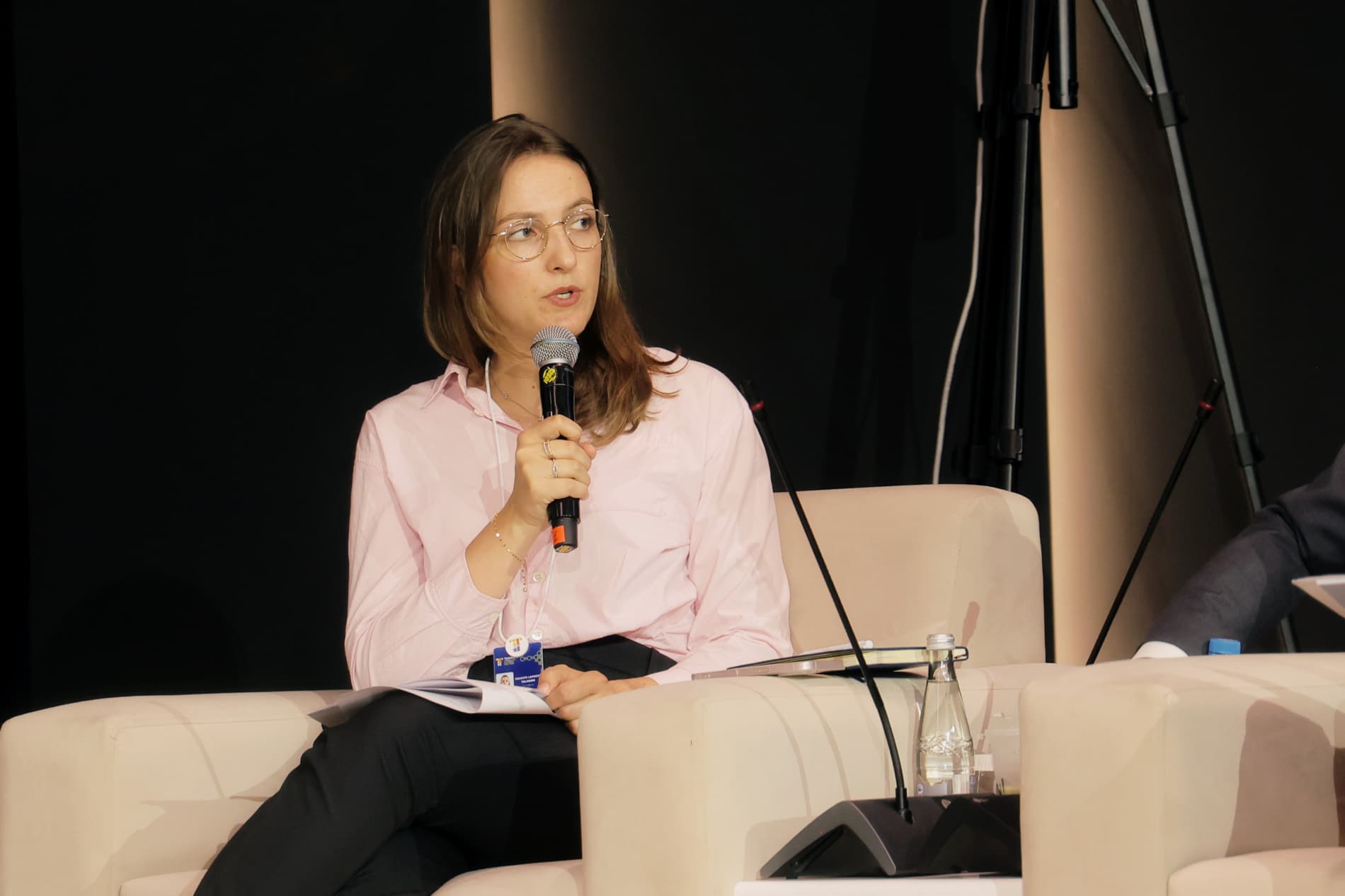




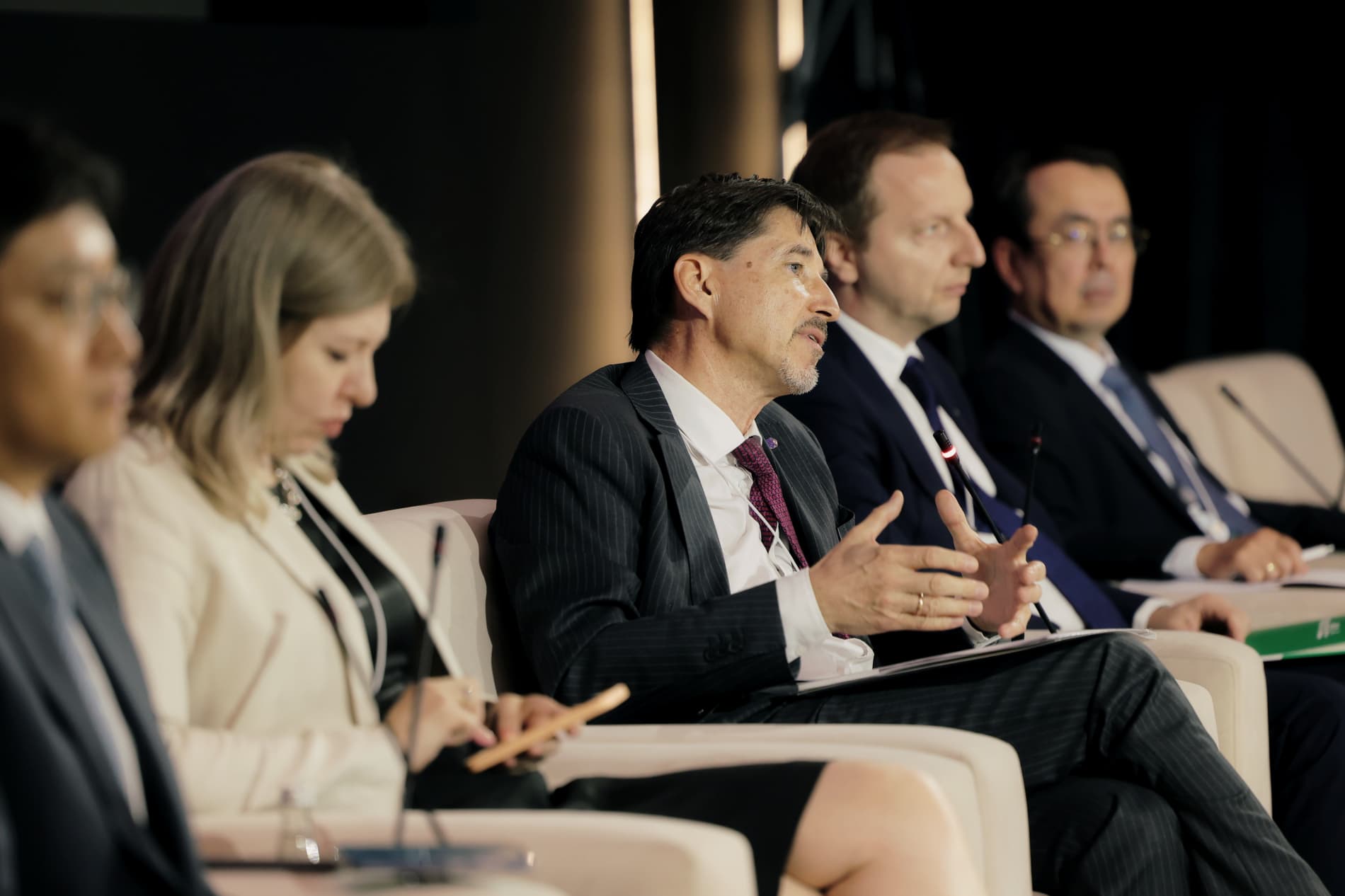
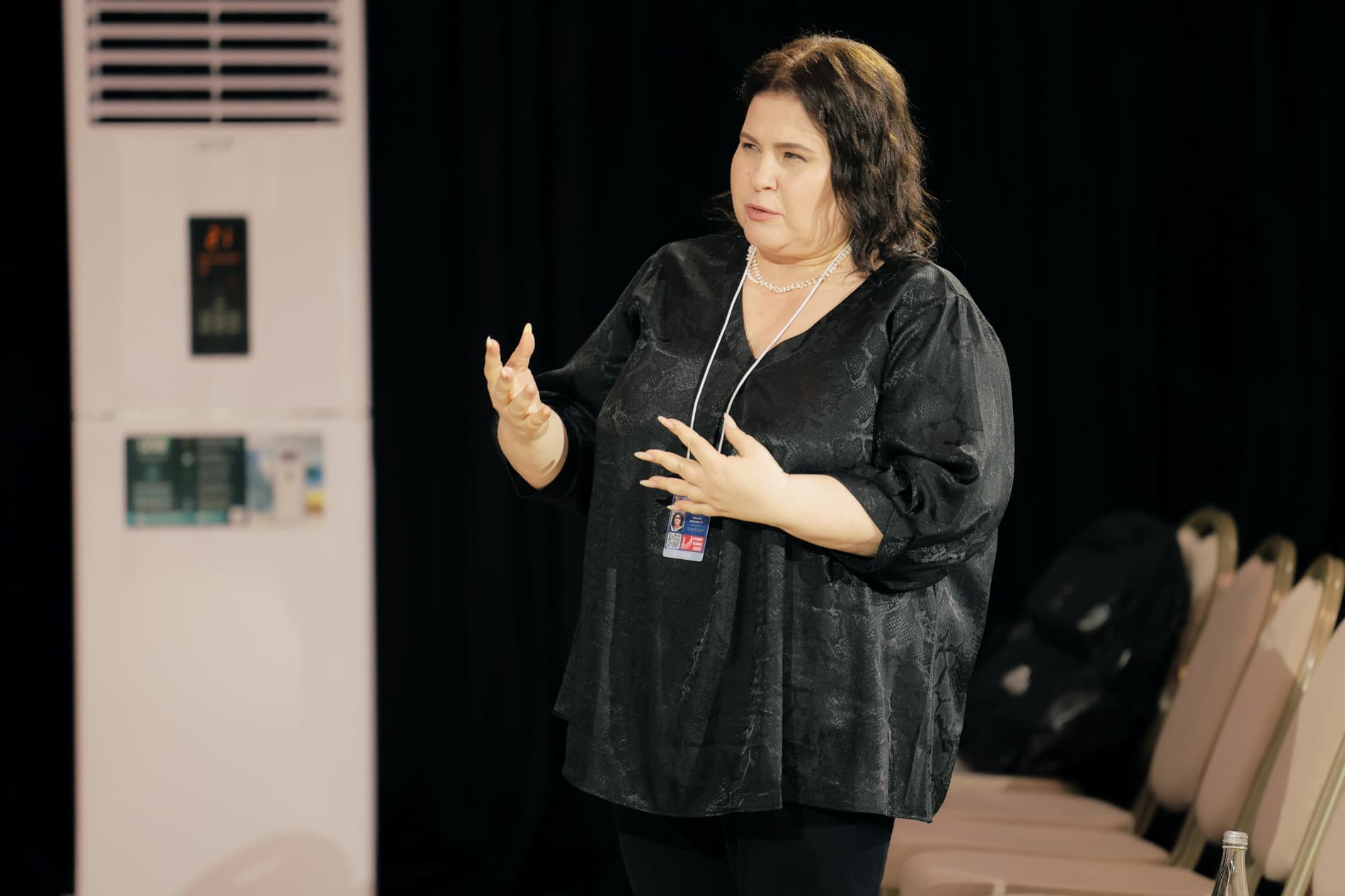
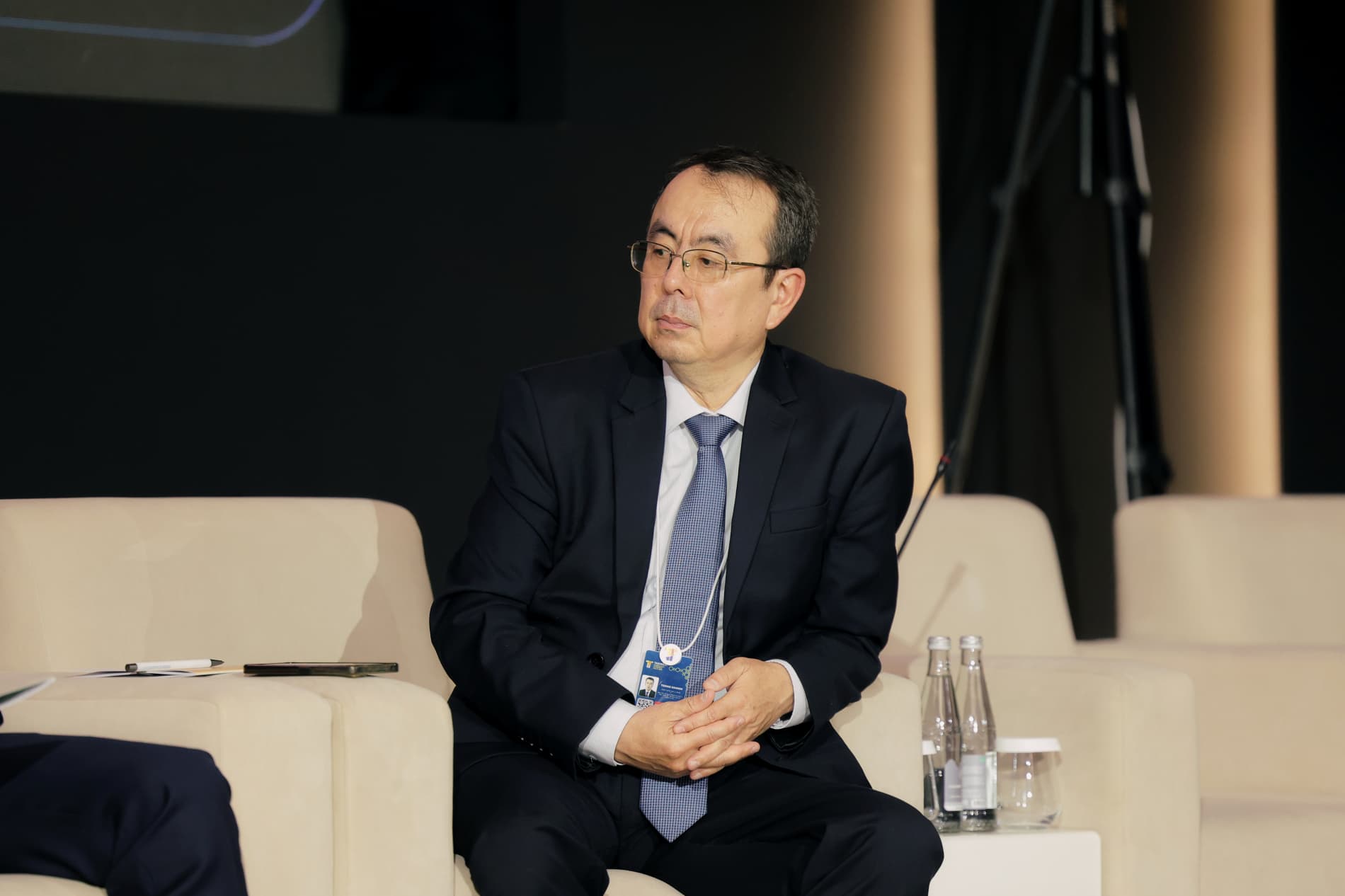
Within the framework of the Tashkent International Investment Forum, a special panel session dedicated to the most crucial criteria of international financial integration was held on the topic “Responsible Business Conduct: OECD Standards and the Investment Case.” The event, organized under the coordination of the Ministry of Investment, Industry and Trade, was dedicated to the most important criteria of international financial integration.
Leading experts and speakers who participated in the session included:
- Céleste Laporte Talamon — Policy Analyst, Eurasia Division at the Organisation for Economic Co-operation and Development (OECD) (Moderator)
- Yuri Sterk — Senior Coordinator for Uzbekistan at the International Labour Organization (ILO)
- Ji Heon Oh — Representative of the National Contact Point for Responsible Business Conduct (RBC) of the Republic of Korea, Attorney and Partner at One Law Partners LLC
- Vera Bell — Managing Partner at Crowe Uzbekistan international auditing firm
- Kirill Korotkov — Commercial General Manager at Air Products & Chemicals, Inc.
- Gregory Lecomte — Head of the Central Asia Division at the Organisation for Economic Co-operation and Development (OECD)
The session was opened with an introductory speech by Tengiz Asanov, Deputy Head of the Investment Climate and Ratings Department of the Ministry of Investment, Industry and Trade of the Republic of Uzbekistan. In his speech, he emphasized that today, in strengthening Uzbekistan's position in the international investment arena, the main priority is not just paper figures, but the systematic implementation of responsible business principles and OECD standards. According to Asanov, these aspects are a decisive factor not only in increasing the country's investment attractiveness but also in raising its prestige in global rankings to a new level.
Today, adherence to the guidelines of the Organization for Economic Co-operation and Development (OECD) is becoming an indispensable requirement at the global level for accessing major institutional capital markets. During the session, experts analyzed in detail the role of these requirements in the business environment, in particular, the implementation of due diligence processes in supply chains and the principles of responsible business.
During the discussions, the working principle of the National Contact Point (NCP) mechanisms and their importance in strengthening investor confidence were revealed. Most importantly, it explained how compliance with international standards is manifested in practice and how this transparency affects sustainable and measurable capital flows based on specific examples and investment logic.
The South Korean speaker, Ji Heon Oh (representative of the National Contact Point for Responsible Business of the Republic of Korea), in his speech focused on the importance of objectivity, ESG standards, and the National Contact Point (NCP) using the Korean experience as an example:
“If we look at history, for a long time, the activities of the National Contact Point (NCP) were not sufficiently popular even in Korea itself. The reason for this is simple: for many years, ESG (environmental, social, and corporate governance) and RBC (responsible business conduct) standards were viewed as requirements that allegedly create additional difficulties and inconveniences for the business world. But today the world has changed. The wave of ESG and responsible business is already on our doorstep, and these requirements can no longer be bypassed.”
Furthermore, Vera Bell, Managing Partner at Crow Uzbekistan international auditing firm, highlighted the benefits of the reforms for the private sector. According to him, the implementation of the Principles of Responsible Business (RBC) will increase the investment attractiveness of local companies and attract cheaper investments.
Vera Bell also noted that through the new accounting standards that will soon come into force, these principles must be reflected in real figures in financial statements, not just on paper. The expert assessed this process not as another tax audit, but as a reform that creates cooperation with international corporations and new investment opportunities for entrepreneurs.
Another speaker of the session, Kirill Korotkov, Commercial General Manager at Air Products & Chemicals, Inc., citing the experience of Uzbekistan, said:
“If it weren't for the favorable investment climate in Uzbekistan, an international giant like us wouldn't have been here for six years and made long-term strategic investments. We have made responsible business conduct and compliance with OECD standards part of our daily routine here. We launched a publicly accessible Security Academy in the country, launched an environmental project to capture carbon dioxide emissions, and included strict anti-corruption requirements in all our contracts. All of this will contribute to the sustainable future of our projects in Uzbekistan.”
This meeting served as a crucial dialogue platform that outlined strategically important guidelines for investors and enterprises operating in Uzbekistan and regional markets that aim to expand internationally.