
Current Issues in Higher Education and Their Solutions Discussed
2026-11-06 19:00:00 / News of ministry
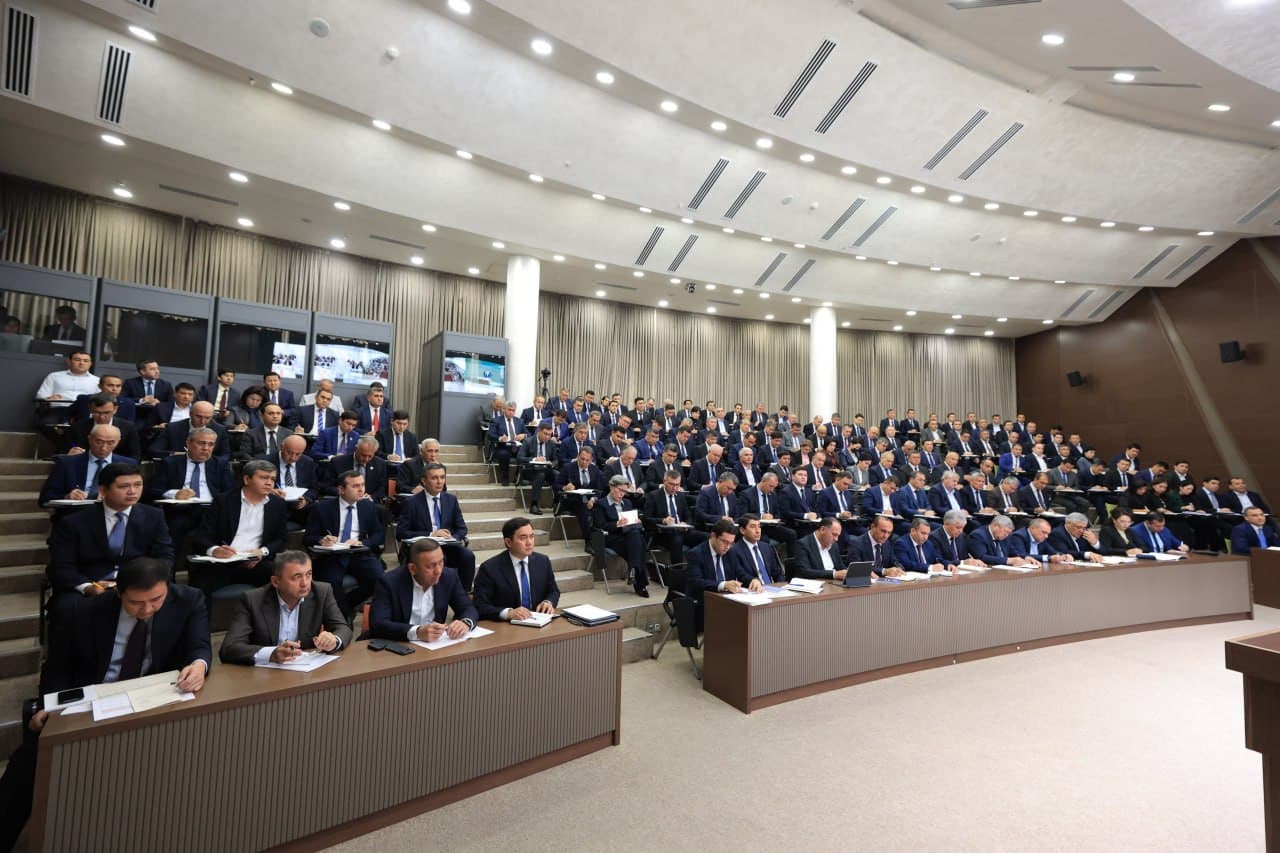
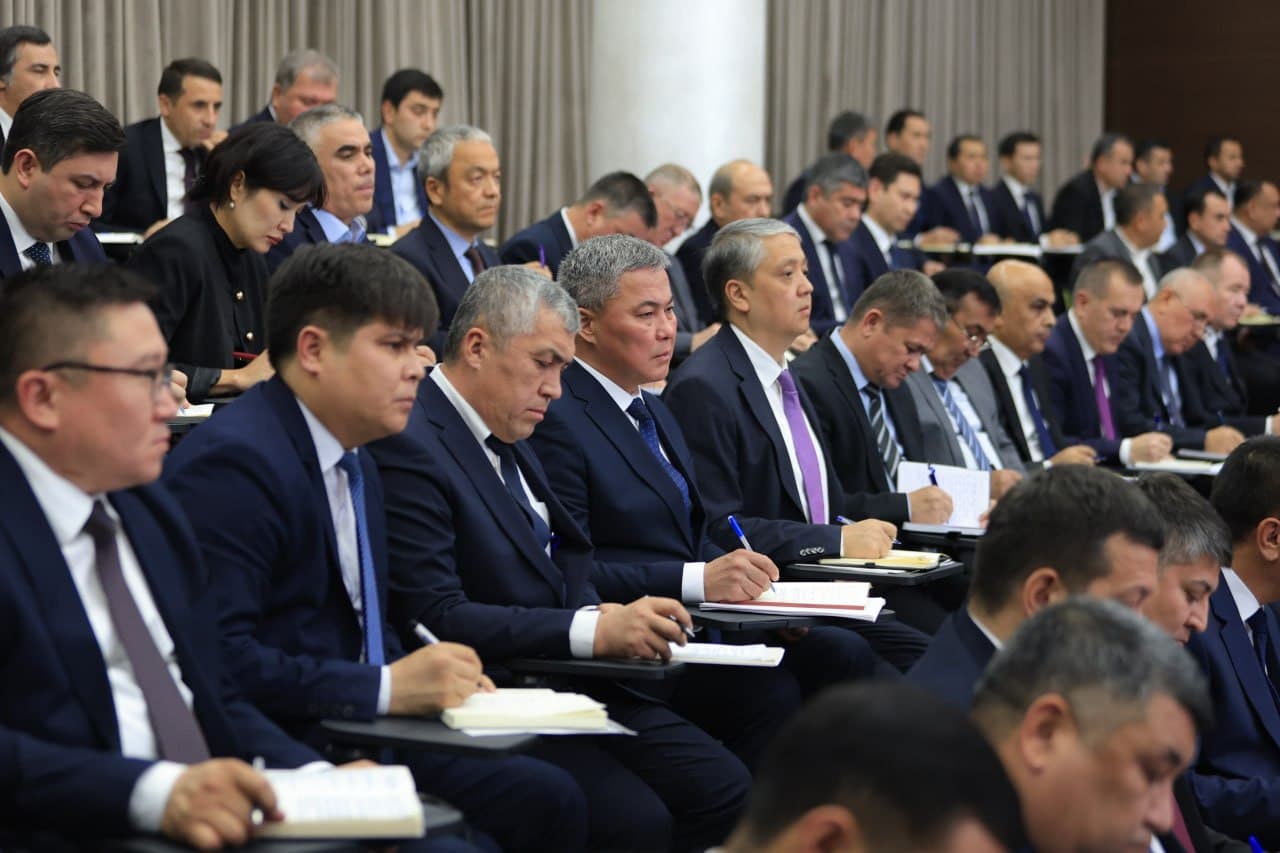
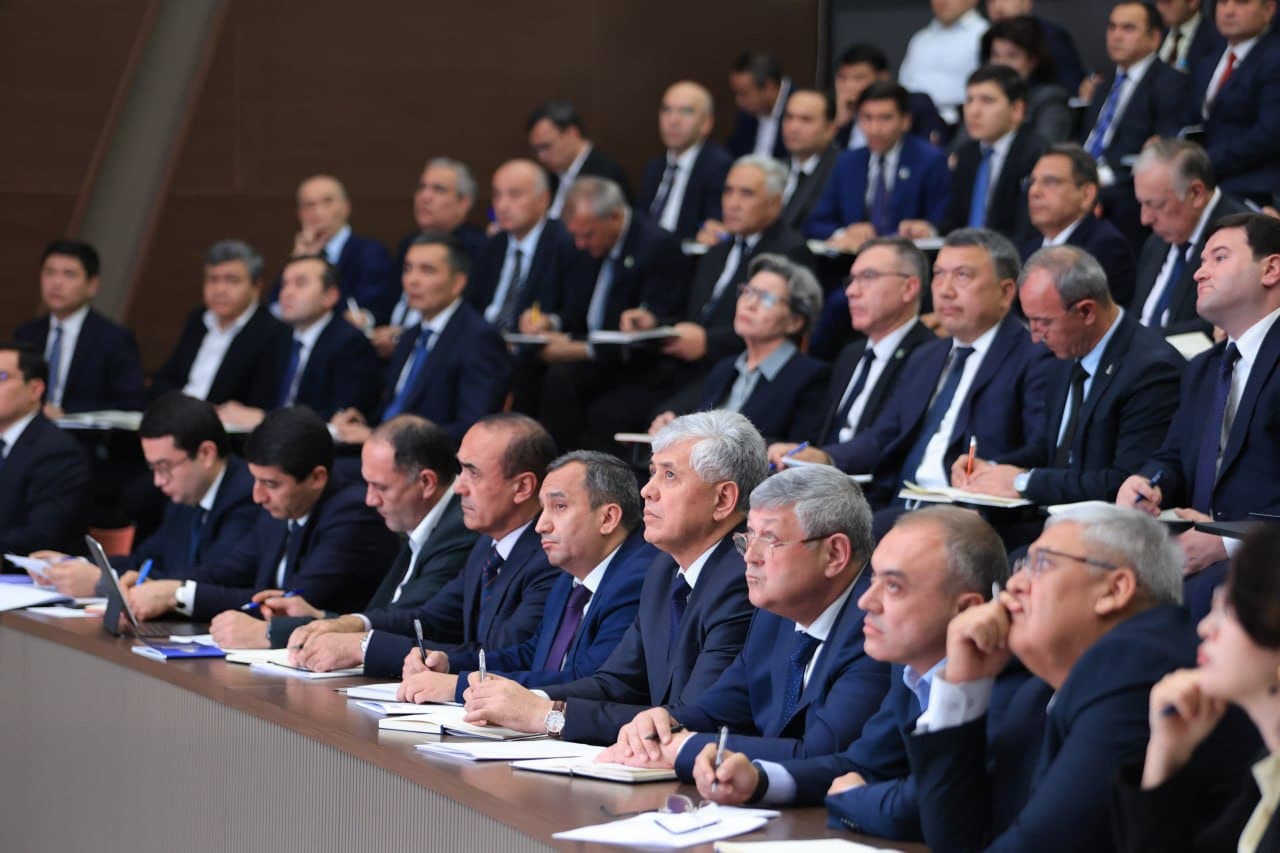
Particular attention was paid to improving the quality of education. The importance of aligning academic programmes with labour market requirements, developing students’ practical skills, enhancing teachers’ qualifications, and improving the quality of academic instruction was emphasized. It was noted that graduate employment is one of the key indicators for assessing the effectiveness of education.
According to the data presented, 13,800 graduates of state higher education institutions in 2026 are currently unemployed. In this regard, discussions focused on strengthening cooperation with employers and taking into account the needs of different sectors of the economy when training specialists.
Shortcomings in the provision of academic literature were also reviewed. Of the 29,700 educational publications analysed, 5,500 had been published more than 20 years ago. Furthermore, some academic disciplines lack relevant educational materials altogether. The need to update learning resources and align them with academic programmes was emphasized.
Attention was also drawn to the timely resolution of student appeals and ensuring the proper implementation of assigned tasks. Delays in the construction of student dormitories, as well as shortcomings in monitoring living conditions in rented accommodation, were also discussed.
In addition, the meeting reviewed the practical outcomes of international business trips, efforts to attract investment and grants, and measures to improve energy efficiency.
It was decided to establish a working group to assess whether certain officials at a number of higher education institutions are suitable for their positions and to submit conclusions based on the findings.
Those responsible were instructed to address the identified shortcomings within the established deadlines. Rectors were tasked with organizing reception sessions for students and teachers within 15 days, taking measures to resolve their problems directly, and developing monthly, quarterly, and annual work plans.