Advanced Experience of the Republic of Korea in Education and Innovation Studied
2026-10-06 12:05:00 / News of ministry
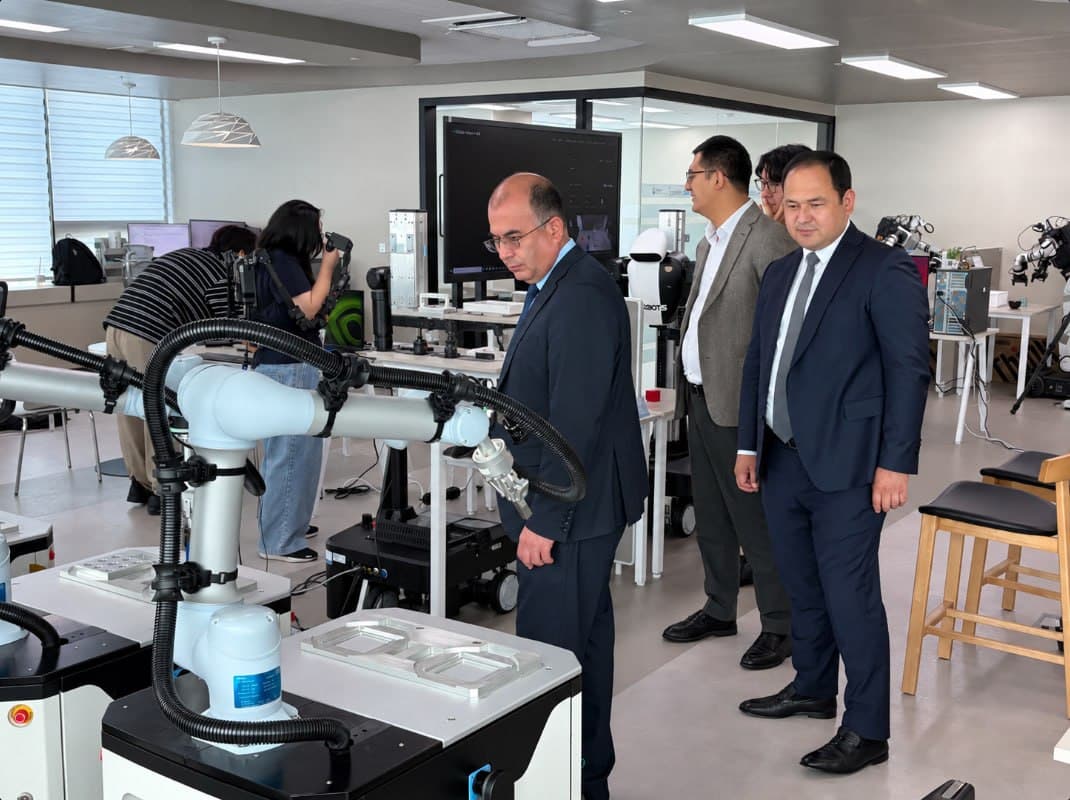
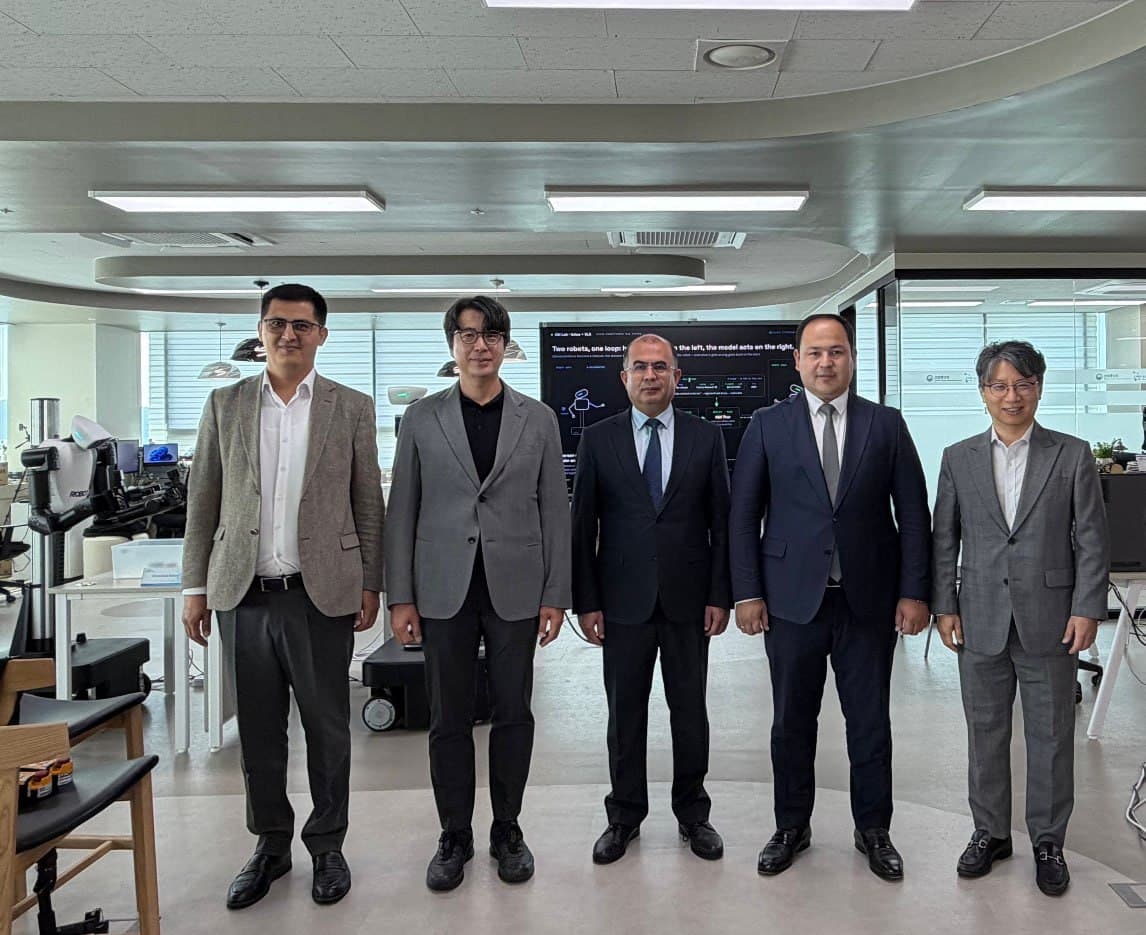
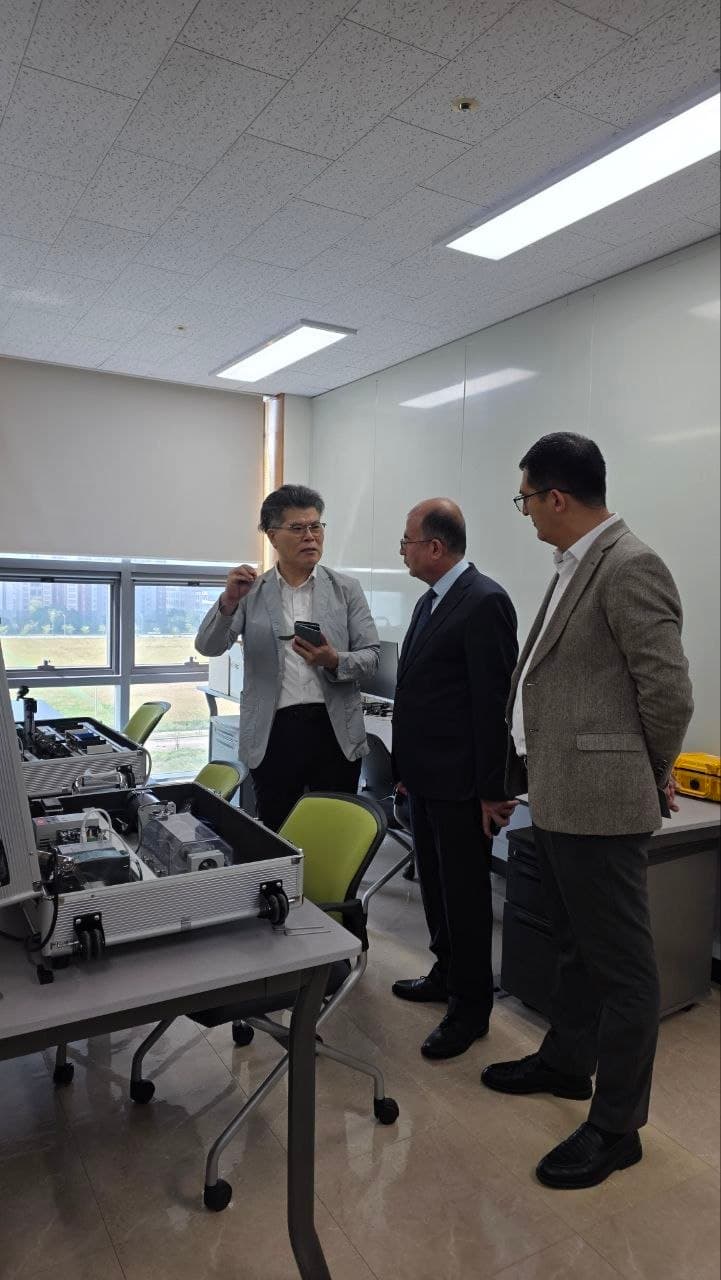
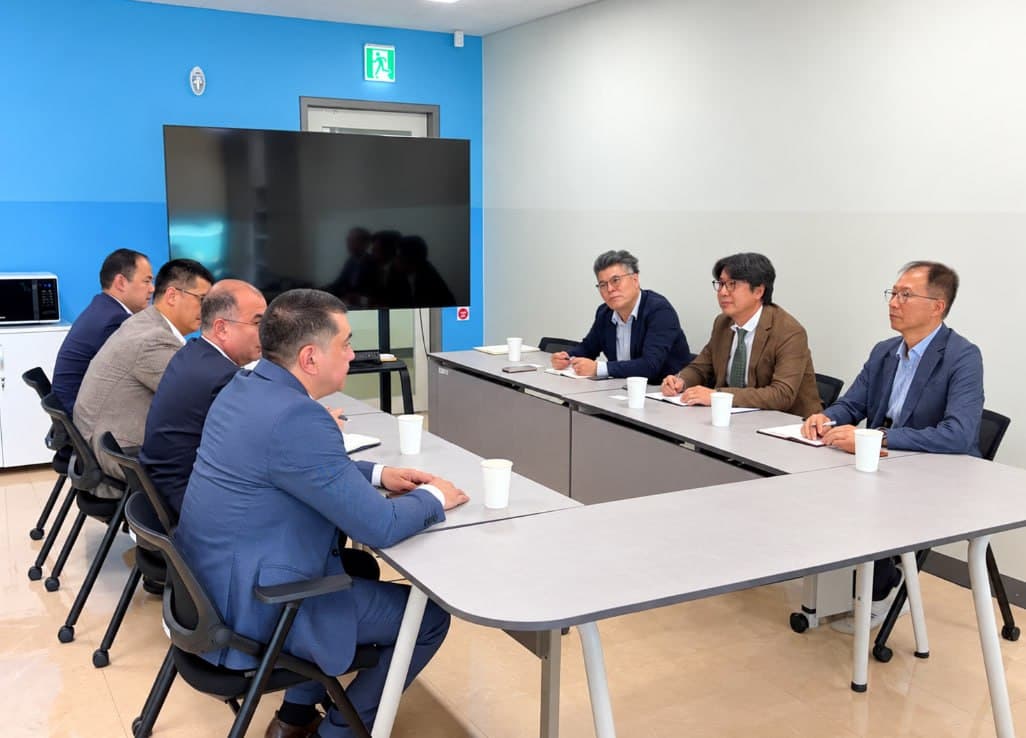
In order to develop higher and vocational education in line with labor market requirements, train competitive professionals with modern vocational skills, strengthen the integration of science, education and innovation, and introduce advanced technologies into the educational process, a delegation of the Ministry of Higher Education, Science and Innovation is participating in a professional development program organized in the Republic of Korea.
On September 28, 2026, members of the delegation visited Hanyang University, Gyeonggi TechnoPark, and the Korea Automotive Technology Institute (KATECH) to learn about their activities and experience.
At Hanyang University, the delegation studied experience in integrating education, scientific research and innovation, implementing research results in practice, and developing cooperation between universities and industrial enterprises.
At Gyeonggi TechnoPark, particular attention was paid to mechanisms for providing innovative support to small and medium-sized enterprises, developing startup projects, government financing programs, and organizing technological consulting services.
During the visit to KATECH, the delegation familiarized itself with modern research activities in the automotive industry, including electric vehicles, battery technologies, energy efficiency, autonomous driving, active safety systems, as well as the development of new materials and components.
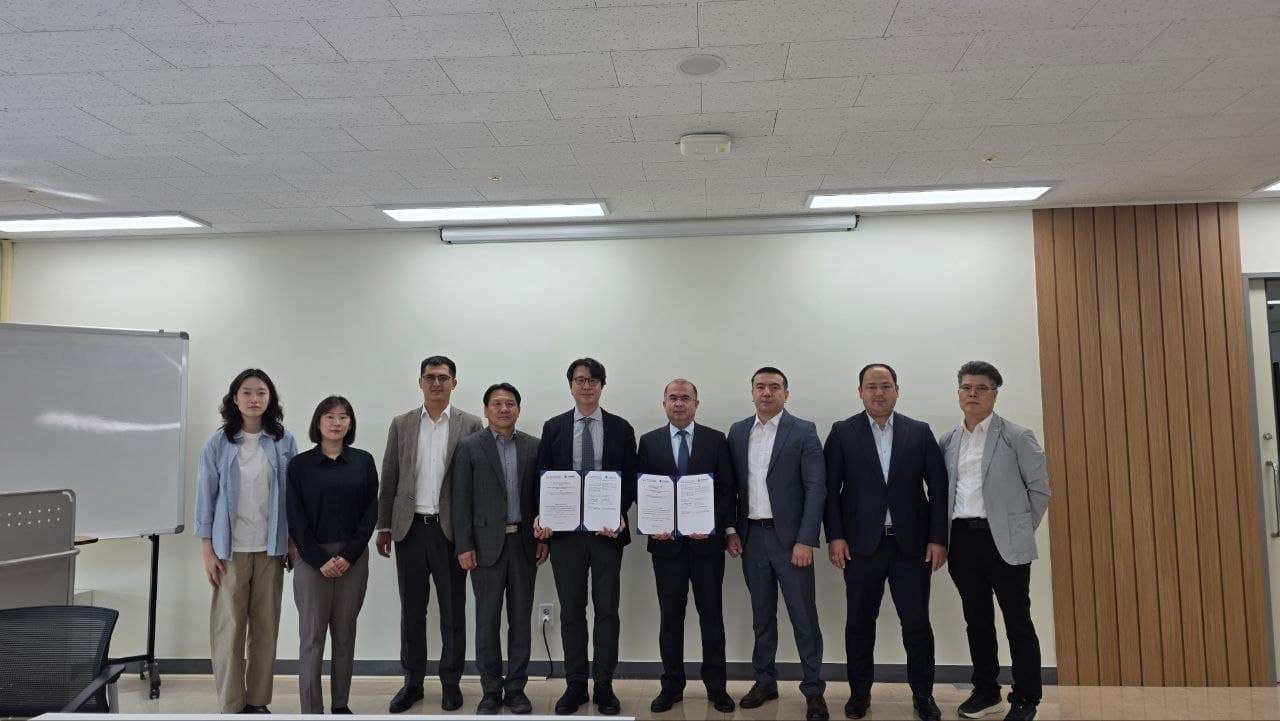
In addition, on September 29, 2026, a Memorandum of Understanding was signed between the Ministry of Higher Education, Science and Innovation of the Republic of Uzbekistan and the ICT Intelligence Convergence Research Center (IICRC) at the Tech University of Korea. The memorandum is aimed at developing cooperation in research and education in the field of artificial intelligence.
Under the memorandum, cooperation is envisaged in the areas of joint artificial intelligence research, AI education and human capital development, data infrastructure and centers, robotics, artificial intelligence in manufacturing, smart factories, Digital Twin technologies, as well as joint demonstration and pilot projects.
As part of the visit and meetings, relevant proposals are planned to be developed to adapt the advanced experience studied during the program to the national education system, further strengthen the integration of education, science and industry, and broadly introduce modern technologies into the training of professionals.