
Student Safety: From Prevention to Continuous Monitoring
2026-10-05 16:00:00 / Announcements
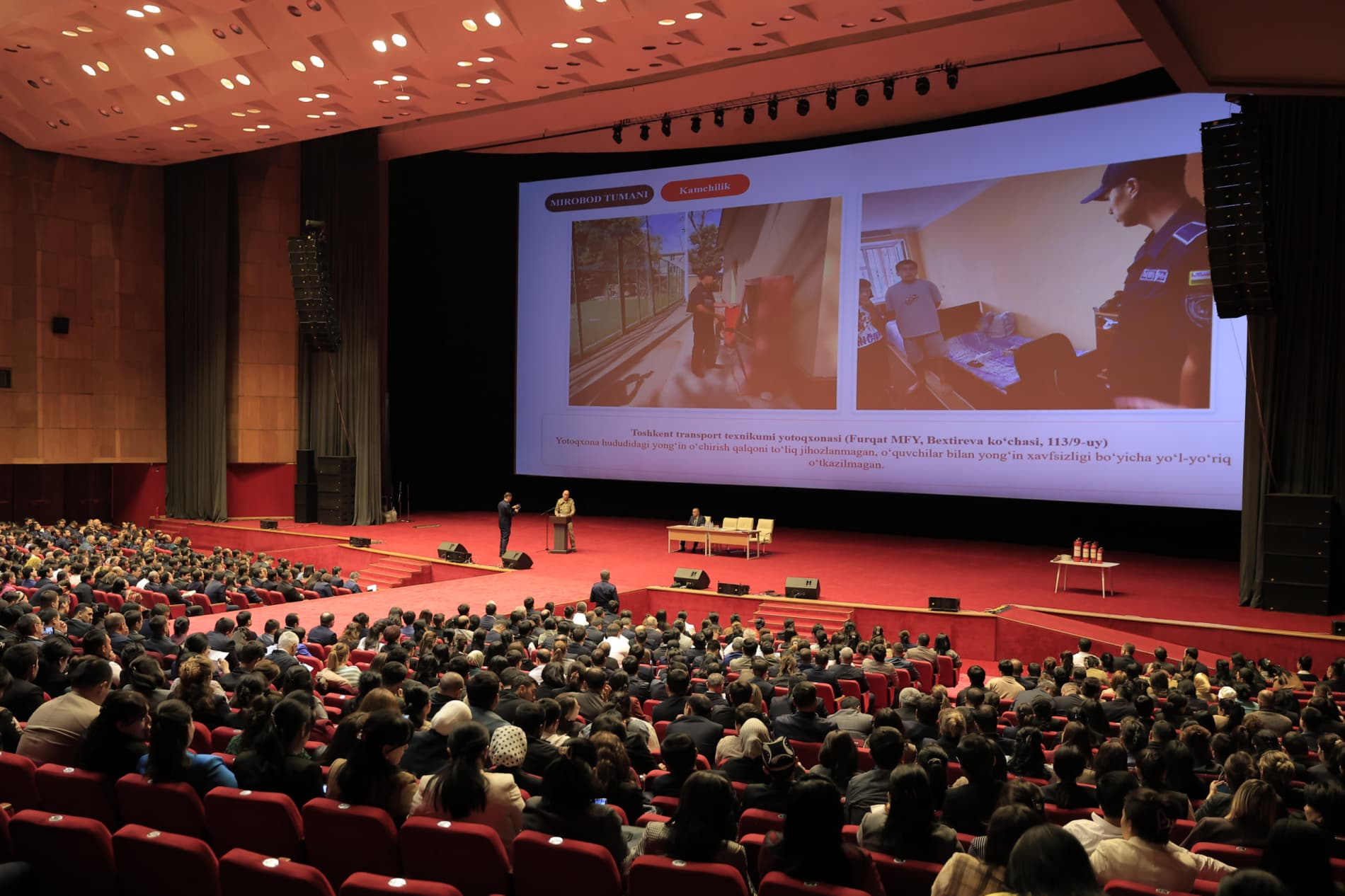
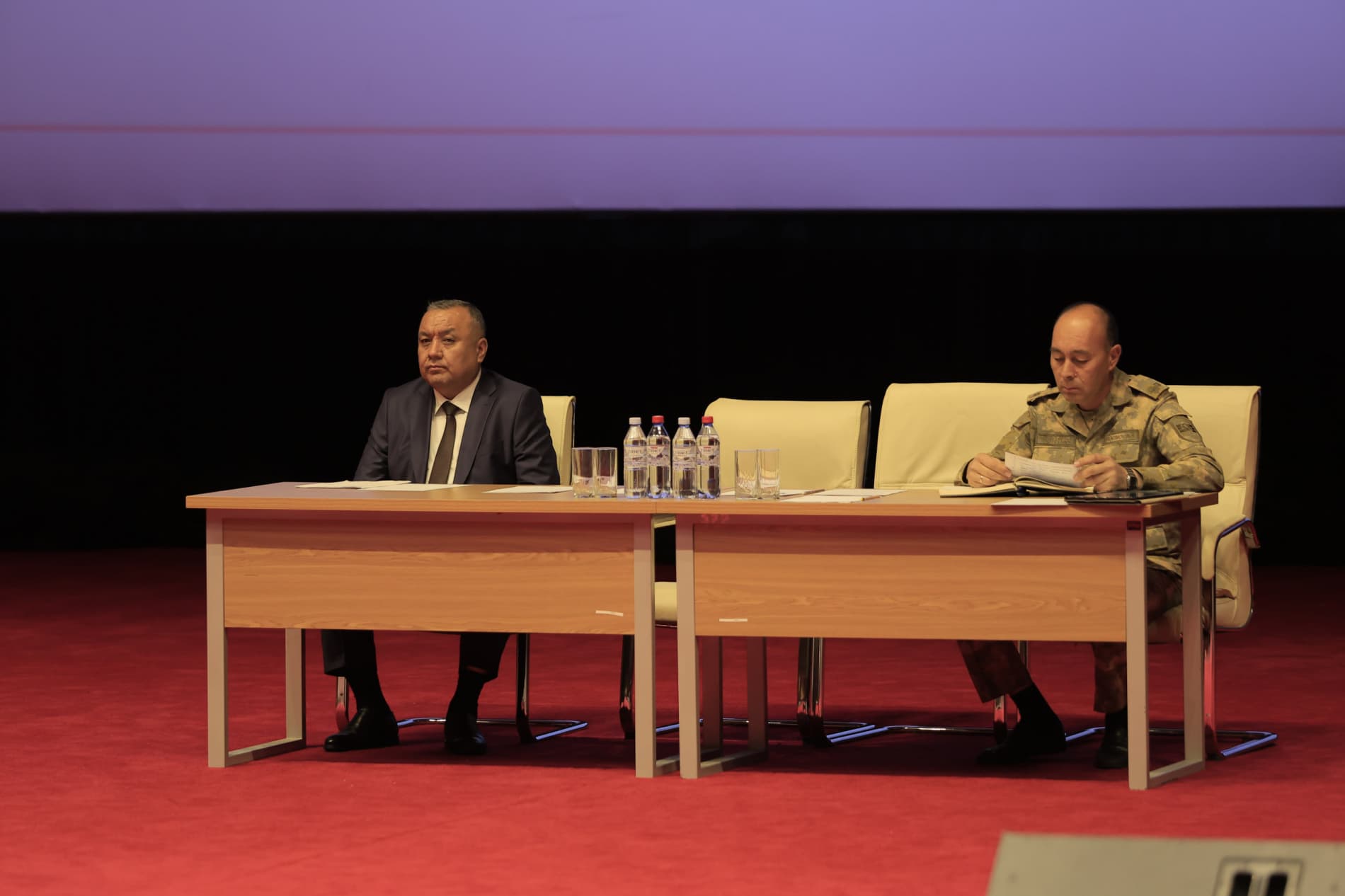
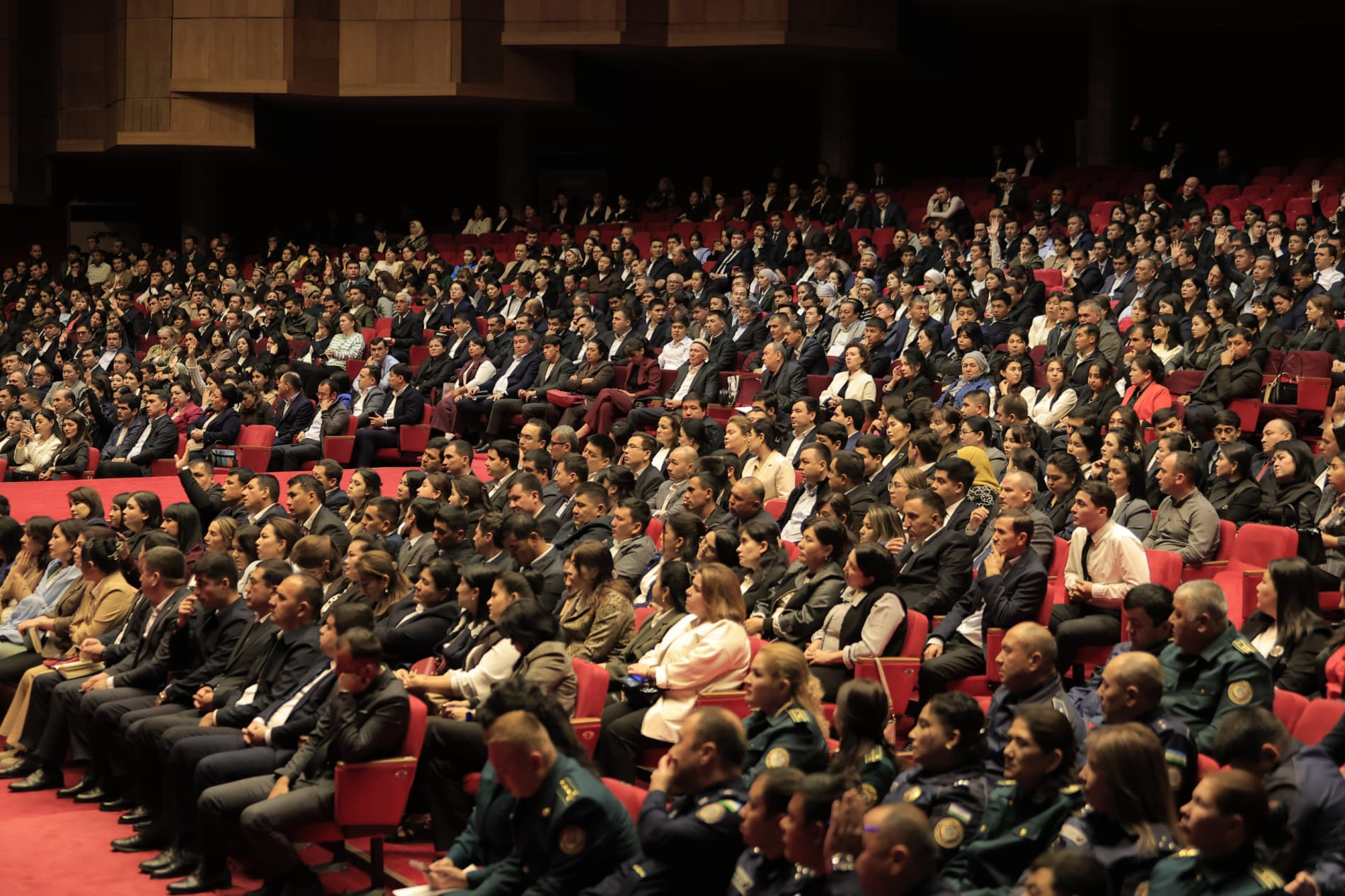
Particular attention during the meeting was paid to compliance with safety requirements in residential premises rented by students.
According to specialists, during the autumn-winter period, the main risks may be associated with failure to comply with the rules for using gas and alternative fuels, the use of non-standard heating appliances, improper installation of chimneys, incorrect use of electrical equipment, and blocked ventilation systems.
Therefore, it is important to conduct targeted inspections of not only students’ living conditions in rented accommodation, but also the condition of gas, electrical and heating systems and fire safety measures, while ensuring that identified deficiencies are addressed in a timely manner.
From September 29 to October 4 of this year, 48 higher education institutions inspected 1,983 rented residential premises and held meetings with 3,250 students. Particular emphasis was placed on ensuring that the results of inspections, implementation of the recommendations provided, and the subsequent safety conditions of students remain under continuous monitoring.
The meeting also emphasized the responsibility of tutors when working with students living in rented accommodation. Each tutor must know where and under what conditions their assigned students live and personally inspect their place and living conditions. At the same time, tutors are required to assess the condition of gas, electrical and heating equipment, as well as fire safety in rented accommodation. If hazardous conditions are identified, measures must be taken to eliminate them and the management must be informed in a timely manner.
Students should regularly receive guidance on how to act in cases of gas poisoning, electric shock, fire, or other emergencies, as well as on the procedure for contacting the relevant emergency services. It was also decided that preventive materials on safety rules in rented accommodation should be regularly distributed through academic and tutoring groups, with students’ awareness of these materials being monitored.
Strengthening the “Talababay” approach in working with students was also identified as one of the key priorities. Under this approach, each student’s living conditions, social circumstances, existing problems, and need for assistance are regularly assessed.
Each tutor should conduct at least one targeted safety discussion with their assigned students, with particular emphasis on the safe use of gas, electricity, and heating equipment during the autumn-winter season. If a situation posing a threat to a student’s life or health is identified in rented accommodation, the management must be informed immediately, and the situation must remain under control until the necessary measures have been taken.
In addition, tutors are required to enter information on students’ rental addresses and the results of inspections into the ijara.talaba.edu.uz platform in a timely and complete manner. This will enable higher education institutions to organize preventive work with students living in rented accommodation systematically, in a targeted and continuous manner, promptly address identified deficiencies, and ensure continuous monitoring of every student’s safety.